It isn’t often that anyone chooses to winter in the Northeast (birds included), but I guess New Jersey is just like Florida to a Canadian bird. A least the Dark-Eyed Junco seems to think so. Juncos spend their summers in Canada, flying South for the winter months. If you leave your feeders fulled in the winter, Dark-Eyed Juncos will probably be regular customers. In winter they are often seen in flocks, some of which include other small birds, such as chickadees and sparrows. When not at a feeder, you will see them foraging on the ground using their “double scratching” technique, which makes them appear to be hopping in place. In summer they eat a varied diet of insects and seeds, but in winter it is all seeds, all the time.
Dark-Eyed Juncos are actually a very common sight in winter throughout the continental United States, but the species is divided into five regional subspecies. The sub-species to frequent the Northeast is Slate-colored; Oregon, White-winged, Grey-headed and Guadalupe being the other four sub-species.
As the name implies, the male Slate-colored Dark-Eyed Junco has a
matted or slate black body, with a grey belly and white under-tail.
The female is even more muted, with a tan/brown body and white belly
and under-tail. At about 5 1/2-6 inches, they are only slightly
smaller than House Sparrows and only slightly larger than a
Chickadee. Their most defining feature is their rounded belly, which
is reminiscent of Santa Claus, even if it doesn’t seem to shake
like a bowl full of jelly.
Like so many of nature’s other clues, the arrival of the Dark-Eyed Junco in November tells of impending changes in the weather. When they finally depart New Jersey, often in April, we know that Spring has truly arrived!
As someone who is not a resident of an urban jungle, I often underestimate the quality of nature watching available in big cities. Sure they don’t have bears and bobcats (or at least we hope not) but they often provide more thrills than you were expecting.
To that end, I am willing to admit that I often don’t give Central Park in New York the credit it deserves as a wildlife habitat. When Fredrick Law Olmstead started work on the park in the late 1850s, who knows what animals he foresaw (if any) making a home among its trees and meadows. Expected or not, they found their way there and they are staying.
Beyond the squirrels, pigeons, and the carriage horses, Central Park is home to many of the same birds we see in the suburban parks of New Jersey and New York. In fact, according to the Central Park website, there are 230 different birds that spend time in Central Park throughout the year. Canada Geese and House Sparrows are a given, as are Starlings, Blue Jays and Cardinals.
However, if you luck out, you might spot a Heron or and Egret in one of the many ponds or lakes around the park. One warmer December day, while having a drink outside at the Loeb Boathouse, located not far from the Bethesda Fountain, we noticed a juvenile Great Blue Heron, fishing off one of the overturned rowboats.
On more than one occasion we have also been lucky enough to see a bird of prey in Central Park. Last Autumn we were wandering among the paths and we noticed a good deal of fluttering. We looked up at the tree in front of us to see a Red Tailed Hawk, who had just caught himself lunch, a lovely squirrel, which he proceeded to eat while we watched. First taking dainty bites, he very quickly decided to swallow the rest in one go.
Central Park, it really is a jungle…who knew? For an interactive map of Central Park and more information about the park and all it has to offer, visit http://www.centralparknyc.org
The Brown-Headed Cowbird is often considered an unsavory character of the bird feeder crowd. Perceived like a seedy, back-alley character from a gangster film, many bird watchers chase the Cowbird away from their feeders. They see the Brown-Headed Cowbird as only a nuisance, taking food from the “pretty” birds. In many ways that could easily be a metaphor for human nature and life, but we won’t dwell on the greater philosophy and psychology behind it.
Brown-Headed Cowbirds are in many ways the loners of the bird world. But this loneliness is self-inflicted. The Brown-Headed Cowbird does not build a nest in which to lay eggs. Instead, the female leaves her grayish-white eggs with brown speckles in the nests of other birds. They are the only parasitic bird to reside in New Jersey. Their eggs have been found in the nests of over 200 different species. Some of these birds recognize an imposer and abandon the nest or remove the Cowbird egg. However, many other species raise the Brown-Headed Cowbirds’ babies along with their own young. It is this leaving of their young, like orphans, to fend for themselves in an ugly duckling situation that leads me to pity them.
But while this behavior may seem appalling to some bird lovers,
especially those of us particularly partial to songbirds, we need to
remember that such is the nature of nature. Brown-Headed Cowbirds
were probably laying their eggs in the nests of other species long
before man, pencil and paper in hand, decided to study and record his
behavior. We shouldn’t judge them harshly for it.
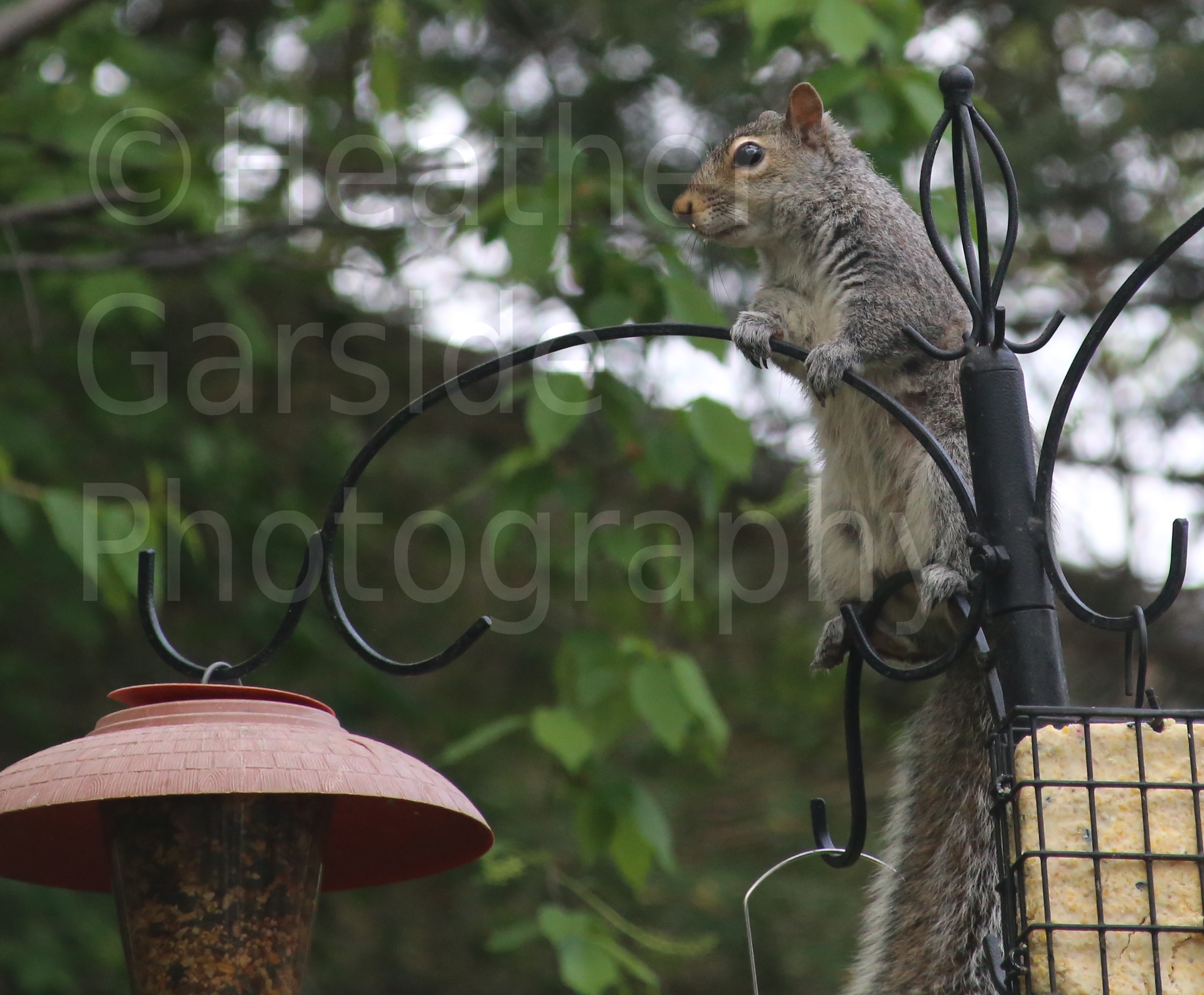
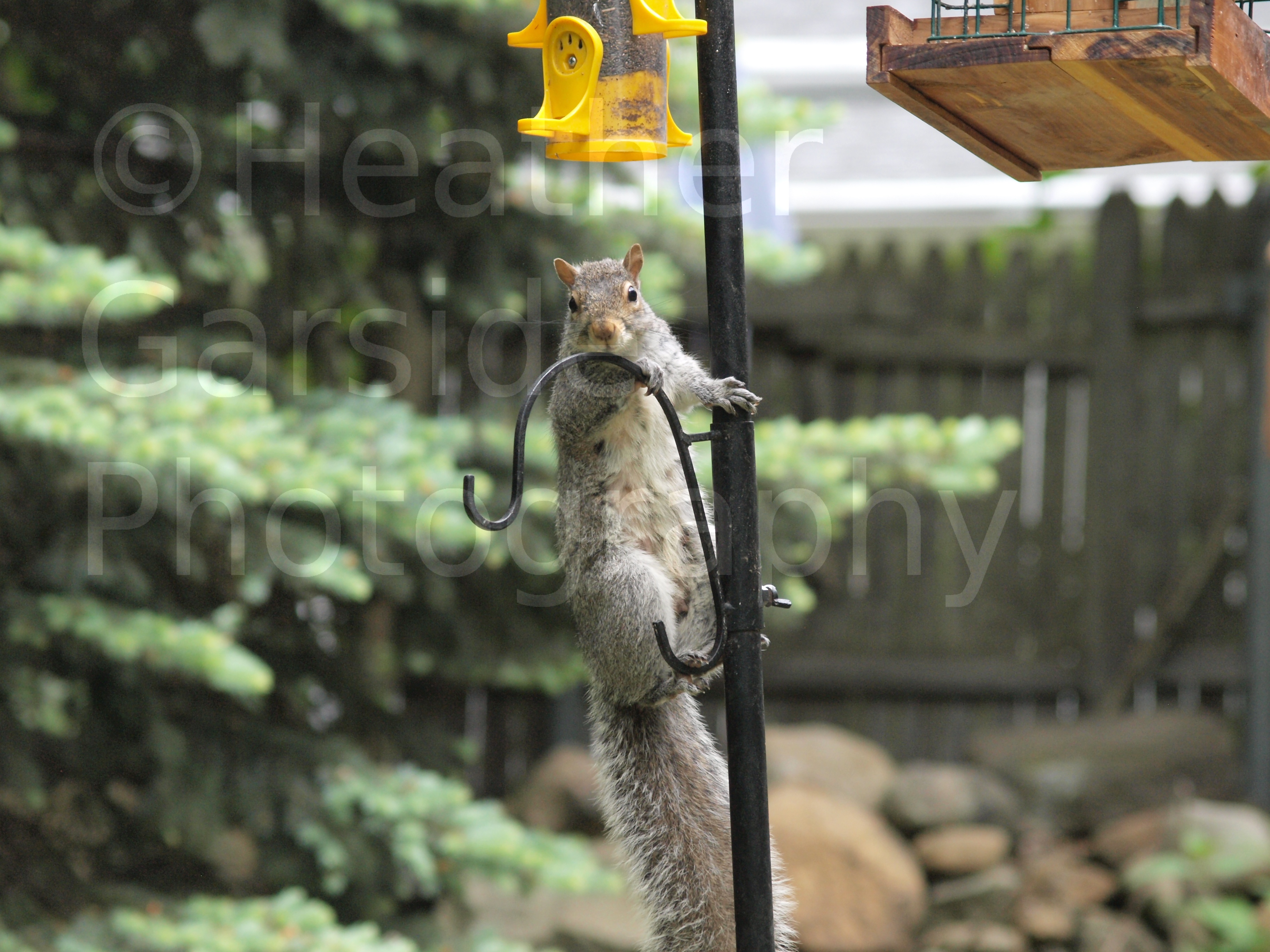
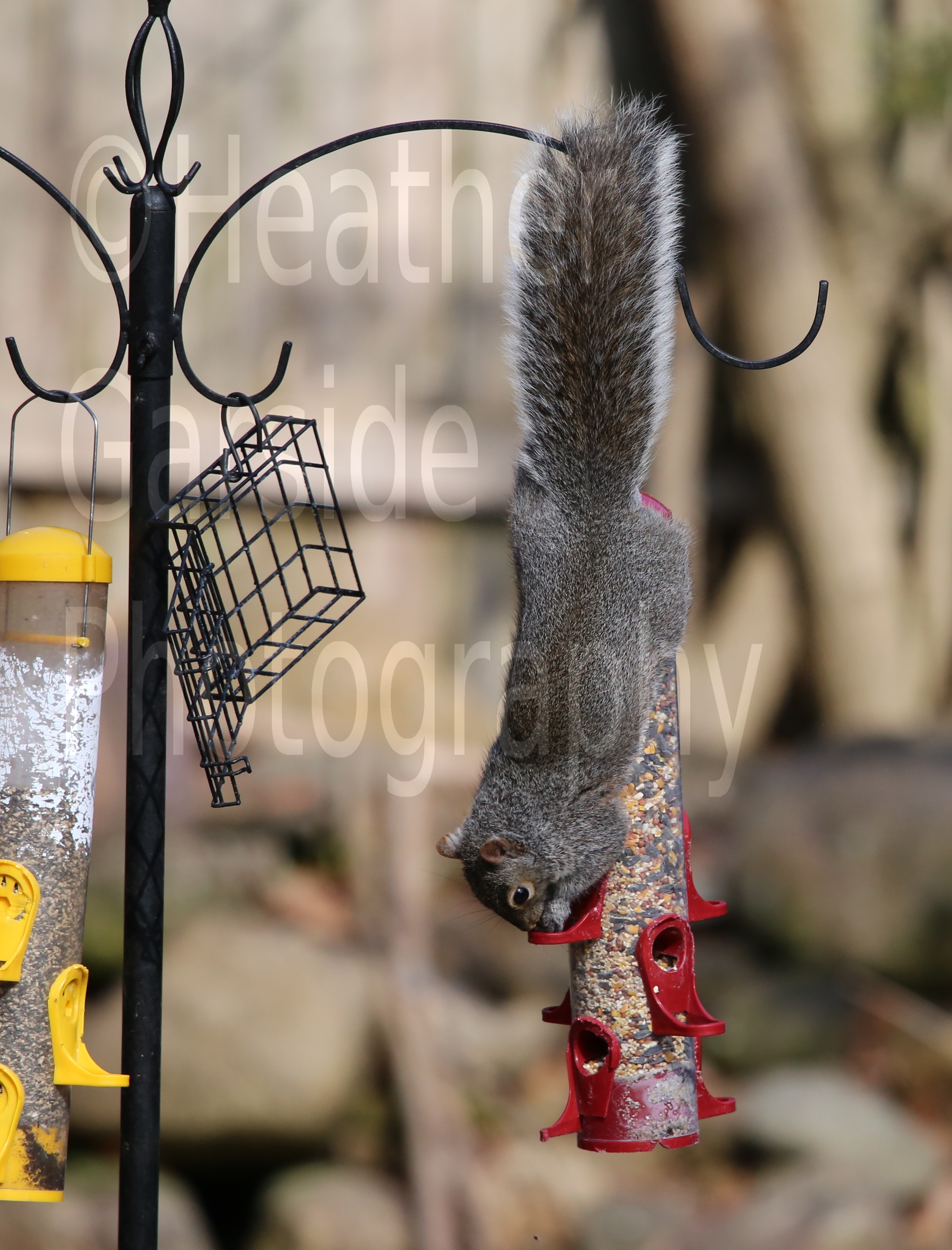
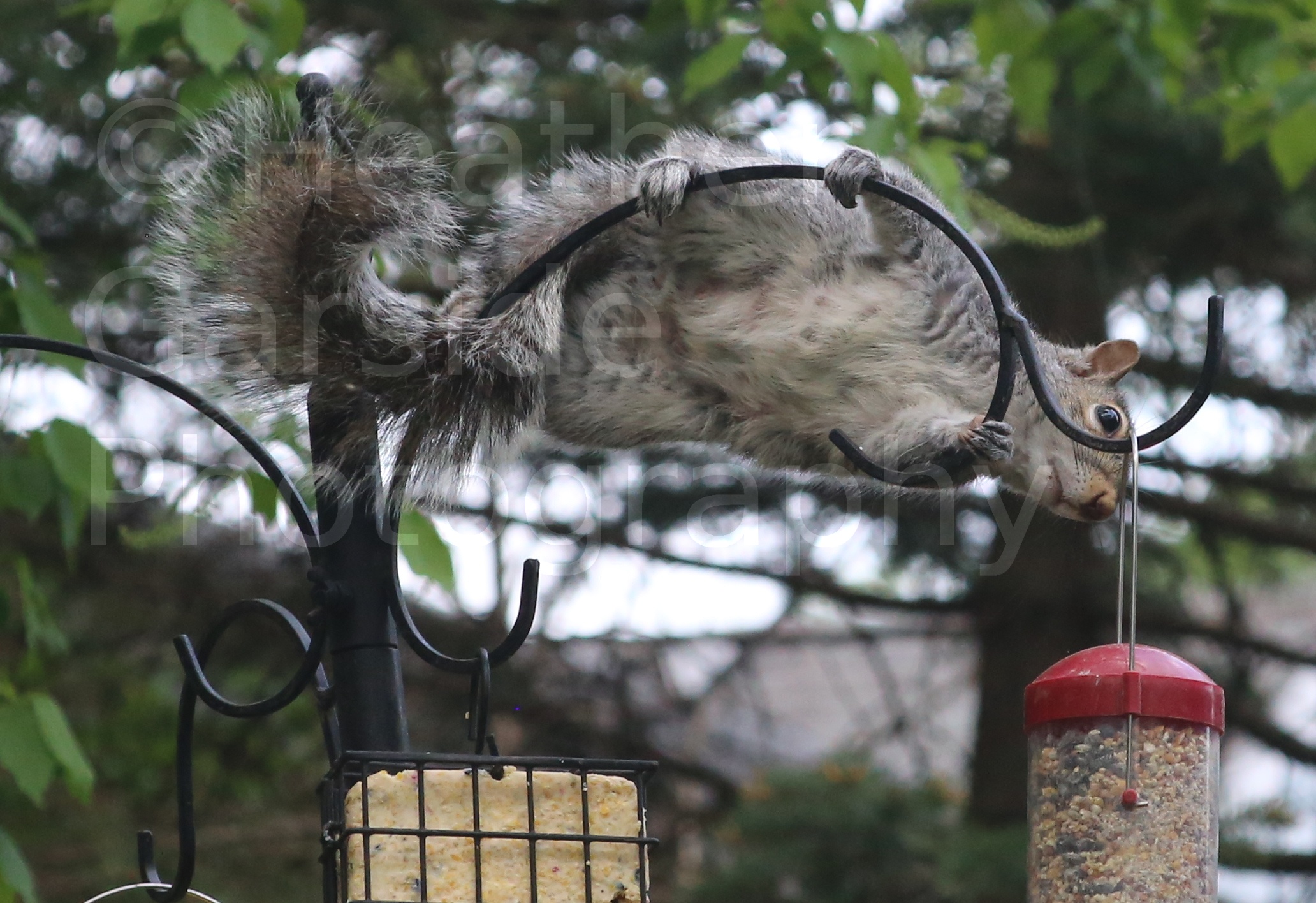
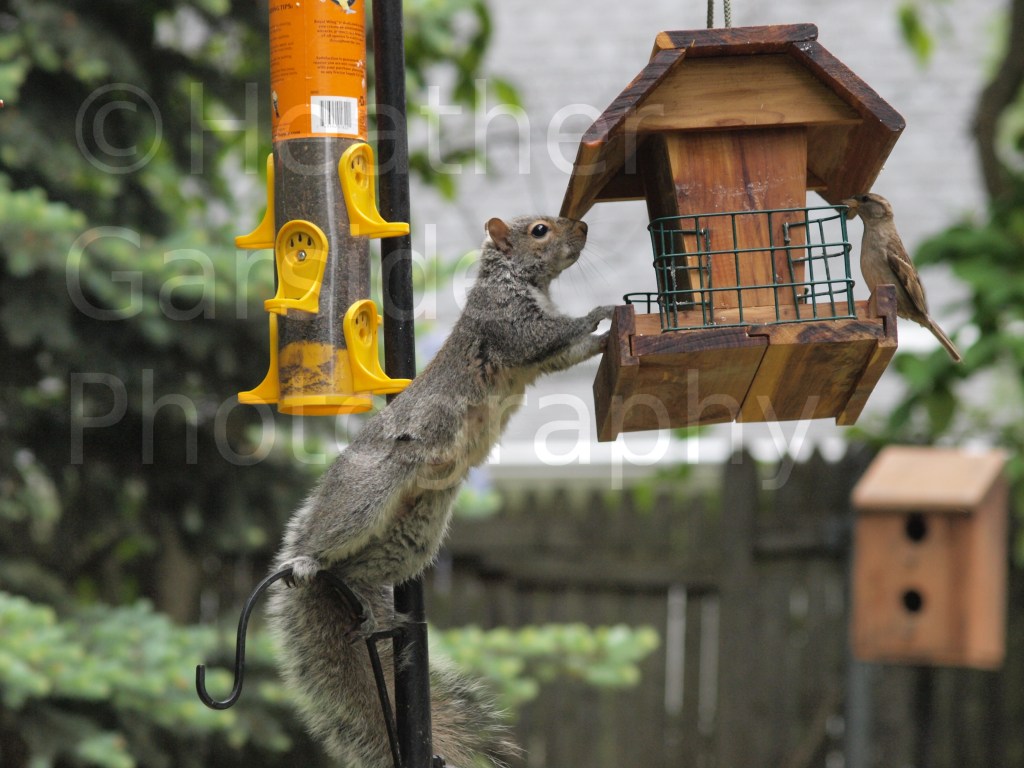
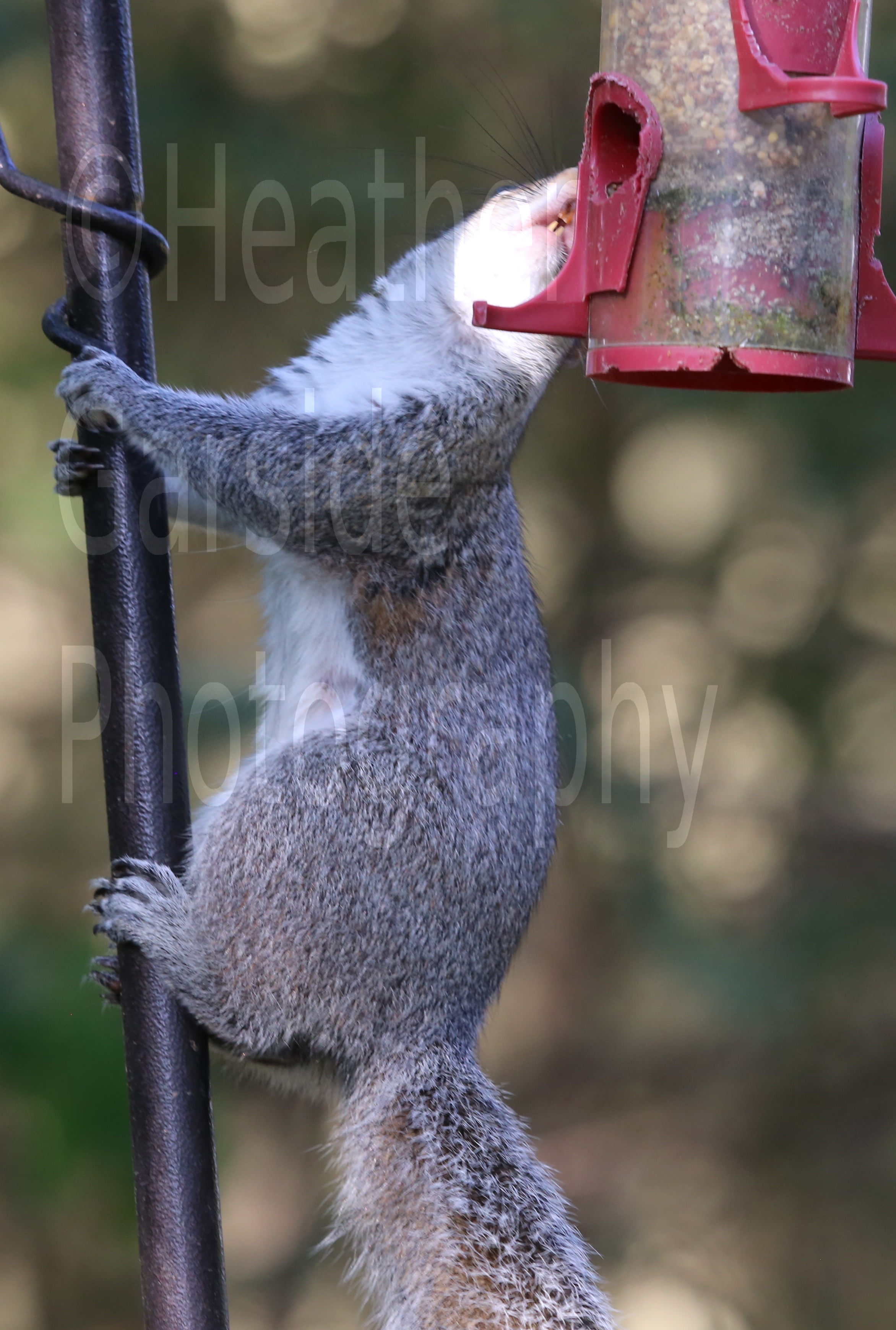
We all have our problems and bird watchers are not immune. After three years of feeding the birds, I have developed a love/hate relationship with our furry, gray friend with his/her bushy tail. You guessed it, I am referring to the Eastern Grey Squirrel.
When I say love/hate, please understand that the worst thing I do is chase them off. I have invested in a few deterrents, with mixed success, including a squirrel guard (not unlike a backward funnel that they supposedly can’t maneuver around), and a slinky, which did work to keep them from climbing my original pole. My new pole has many low hooks, etc. and I have somewhat given up my active attempts to keep these greedy little buggers out of my feeders.
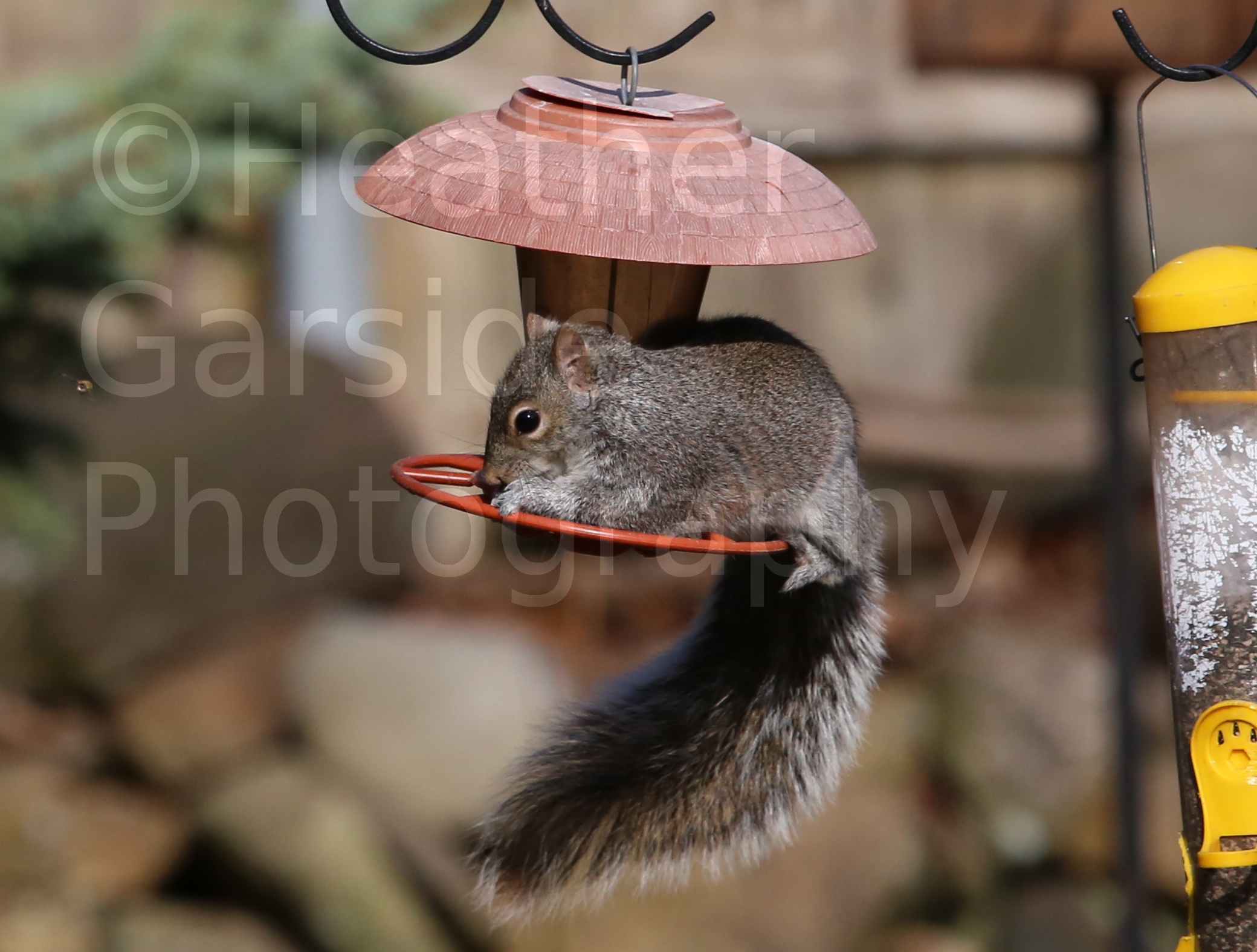
Their antics are fairly amusing and I have begun to think them akin to monkeys, because of some of the positions and situations they manage to get themselves into.
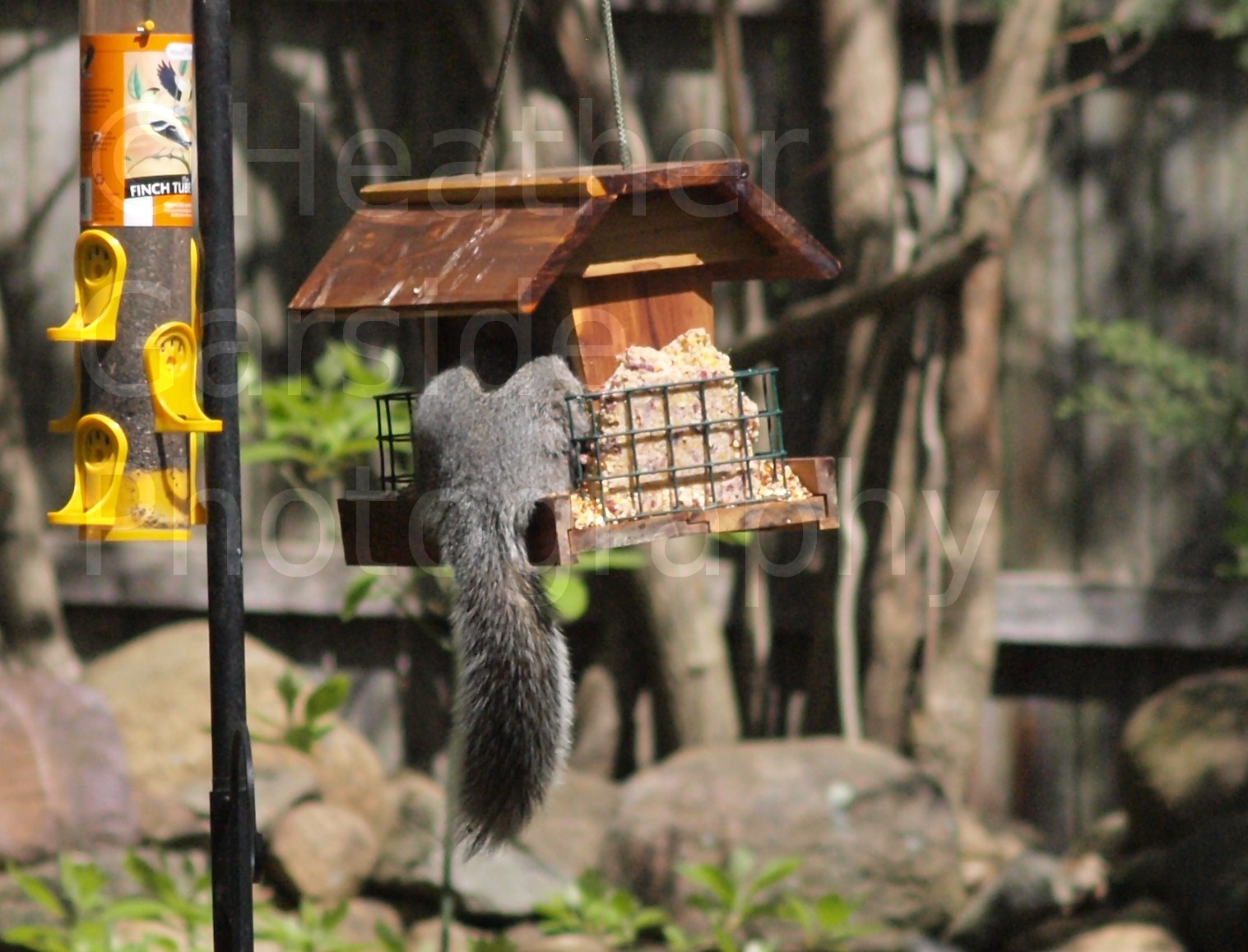
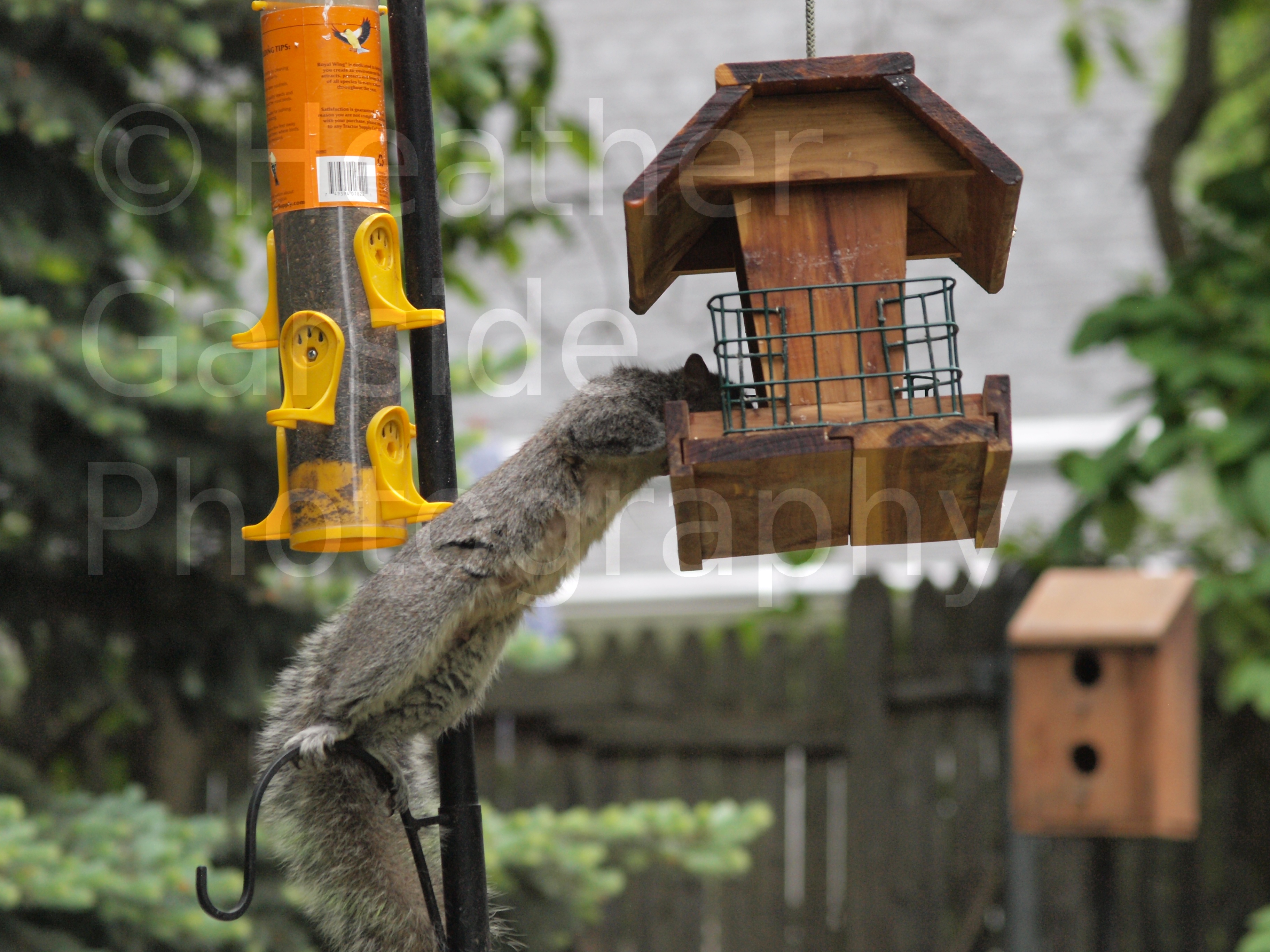
They are fun and sometimes even cute, so I humor them. I do however, recognize that they are eating their way though my wallet, especially when they get up on my feeders and help themselves. Once I came home to a squirrel on the feeder, systematically pushing the seed out to at least five of his buddies, anxiously waiting below, faces turned heavenward. Another time, they had managed to open my suet holder, and knock out a new bar of suet. Not super crazy. However, by the time I caught up with them, a pair of them were trying to run off with the whole suet, one squirrel on each corner. So well planned and executed, I almost let them have it….almost.
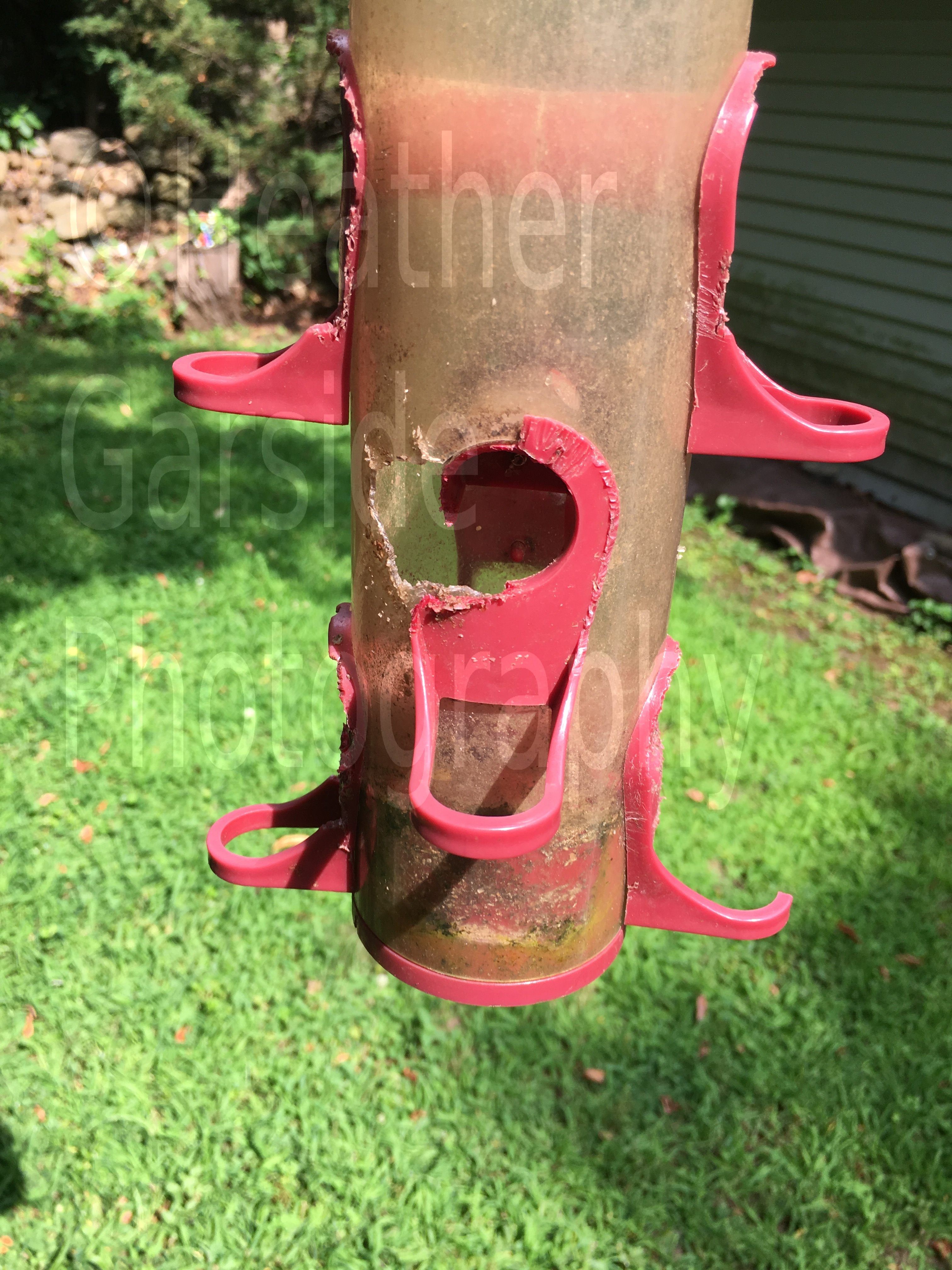
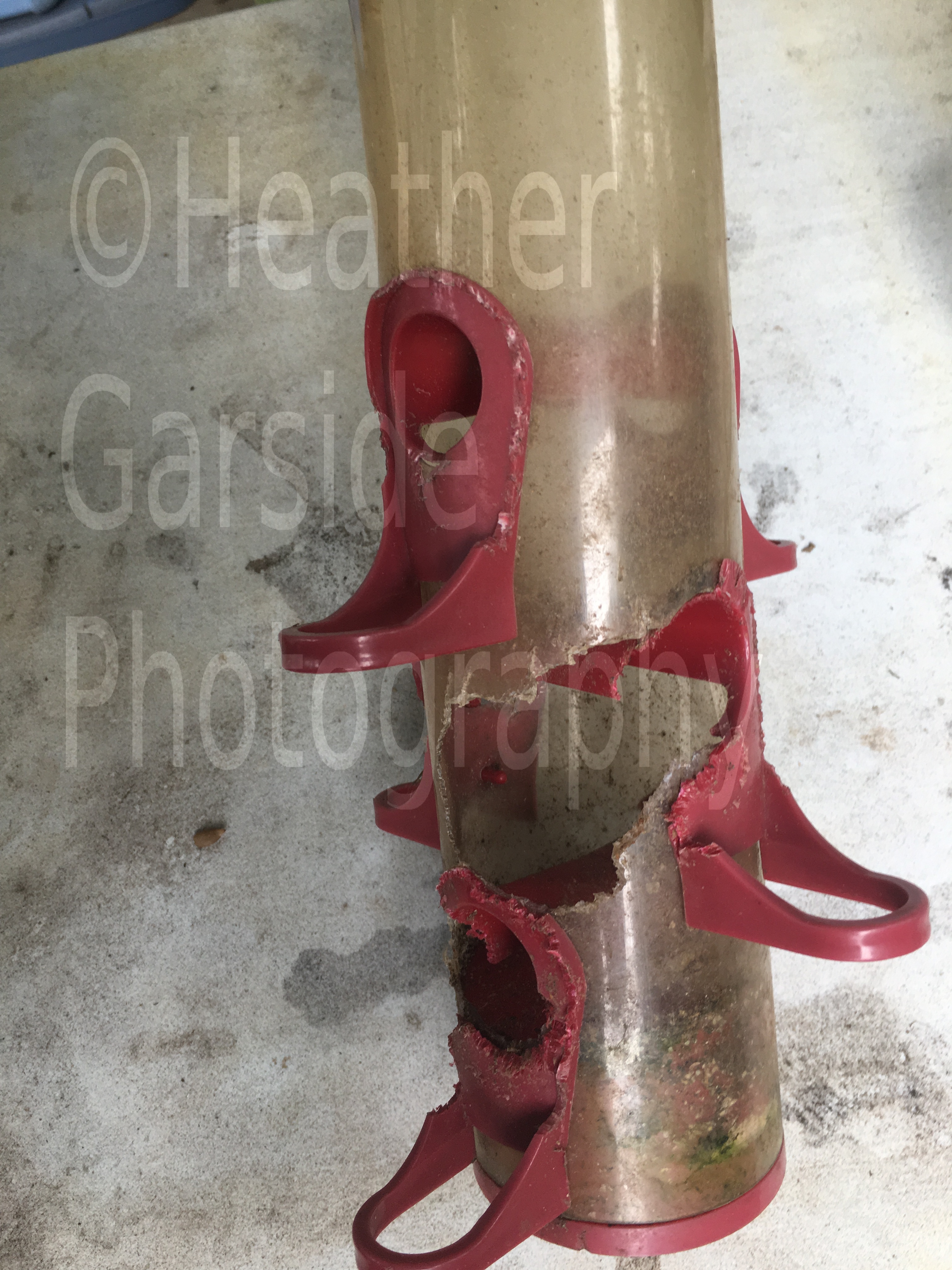
They wouldn’t bother me so much if they stayed on the ground and ate what was dropped. However, their chewing and knocking has broken countless feeders (many of which were not very good quality to begin with, I will grant you that). I have even considered feeding them separately, but I decided that might only serve to attract more of the hungry little things to my yard.
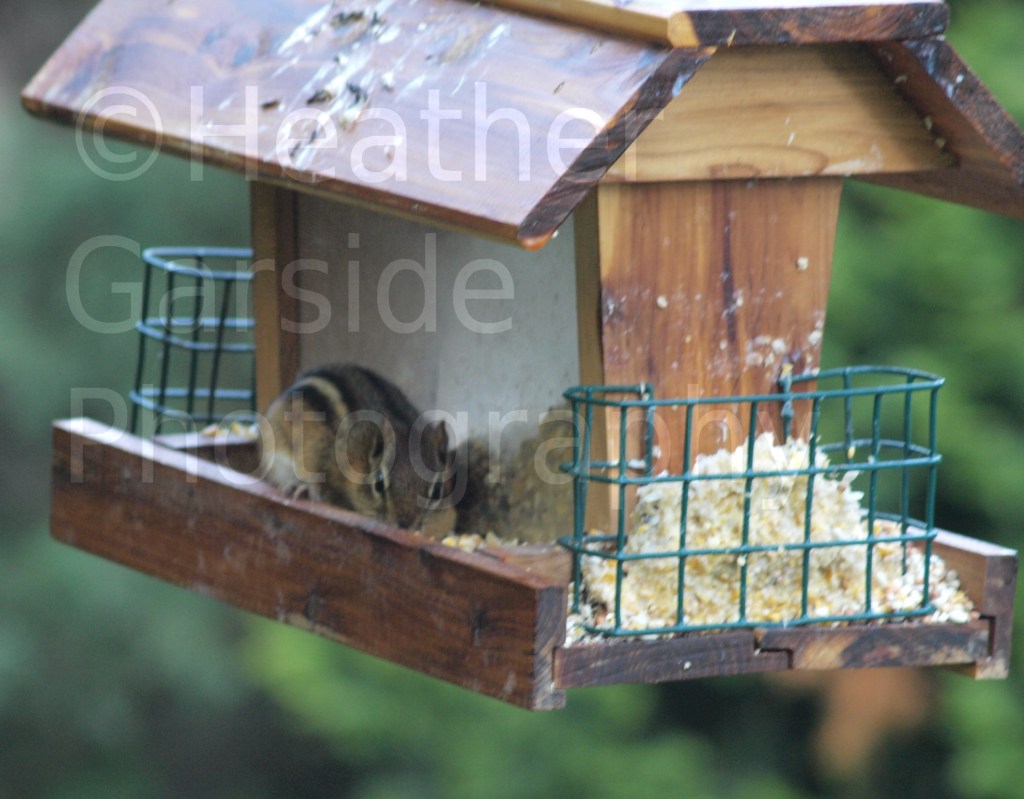
To make things worse, they seem to have been teaching the chipmunks bad habits!
Like most sane humans that live near a beach, we obviously never visit the Jersey Shore in the summer. Never may be an exaggeration, but once or twice is usually our limit. The traffic alone will kill you. And this is New Jersey drivers we are talking about, so I mean literally, kill you. Once you get there, the beaches are too busy for nature watching anyway.
That
is why we usually go to the beach either in early spring or
autumn/winter. In winter the cold, salty sea air does the trick if
you need to blow out a few cobwebs. It was one such morning last
November when my husband and I headed to Sandy Hook, one of our go-to
Jersey Shore destinations. The site of Fort Hancock and its
associated army barracks, Sandy Hook is now part of the Gateway
National Recreation Area that features hikes, beaches and nature,
along with the oldest lighthouse in New Jersey, historic structures
from the barracks and, as my mother in-law once put it, “war
thingies,” such as powder magazines, gun batteries etc. So you can
probably see why we like Sandy Hook, it has a bit of everything.
This
particular November day was cool but not freezing. Clear and bright.
Perfect for a brisk ramble on the sand. I honestly wasn’t even
really expecting to see a ton of birds, but you never know what sea
birds you may see, so we brought the camera along. Sandy Hook,
because of the way it is positioned in the Atlantic Ocean and at the
mouth of the Hudson River, is a great place for collecting whole
seashells. I have a hard time not glancing down at the tidal lines on
the beach in search of treasures. A sea urchin, bits of coral and
whole crab shells are just some of the more unusual items I have
combed on this particular beach.
However, it is actually horseshoe crabs that Sandy Hook is known for. They sell postcards of dozens of them piled up on the beach together and you can often find pieces of their shells in the sand. Atlantic Horseshoe crabs are interesting creatures, actually related to scorpions and spiders rather than crabs. Apparently their blood is used to test medicines, which is pretty unusual. However, I think that one of the more interesting things about them is that they shed or molt their shell when they are growing. They do this throughout their lives, and it is a slow and dangerous process, leaving them vulnerable to predators while they are shell-less. Here is a video showing the process: https://www.youtube.com/watch?v=cJr-CQGQYg4 We decided to dig up one of the larger pieces of crab shell we saw sticking out of the sand, and ended up unearthing a very large, complete shell. General rule is that shells with no legs were probably shed, so don’t worry about the crab. However, this one is so big, I am not sure if it was still growing or if its legs and other bits were lunch for a willing seagull.
The biggest group of birds we saw on the beach was a very large flock of Sea Gulls. New Jersey has several Gulls that live on our shore line, the most common being the Ring-Billed Gull, the Herring Gull, Laughing Gulls (with black heads) and the Great Black-Backed Gull. However, especially in the non-breeding months, none of these birds are too picky about their friends and you can see them in large mixed flocks. Many of the juveniles of these species look similar to each other, complicating identification, especially to the naked eye. Their antics were very entertaining and there was one juvenile who was tying to look for food along the waterline without getting wet. He wasn’t very successful but his behavior had a Charlie Chaplin quality to it.
Besides the gulls, the ocean was densely populated with Black Scoter, both males and females. These ducks were swimming just far enough from the beach that it wasn’t easy to get a great look at them with the naked eye, but the photos came out pretty clear, despite the fact that they were bobbing around in the waves. Summering in the Canadian Arctic, the Black Scoter spends its winters along the Atlantic seaboard and is very content to remain in the rough sea. As the name implies, the male Black Scoter is all black, but the female has some gray to her black feathers. The male also has a raised yellow knob on the back of his beak, where it connects to his face. The female’s beak is totally black.
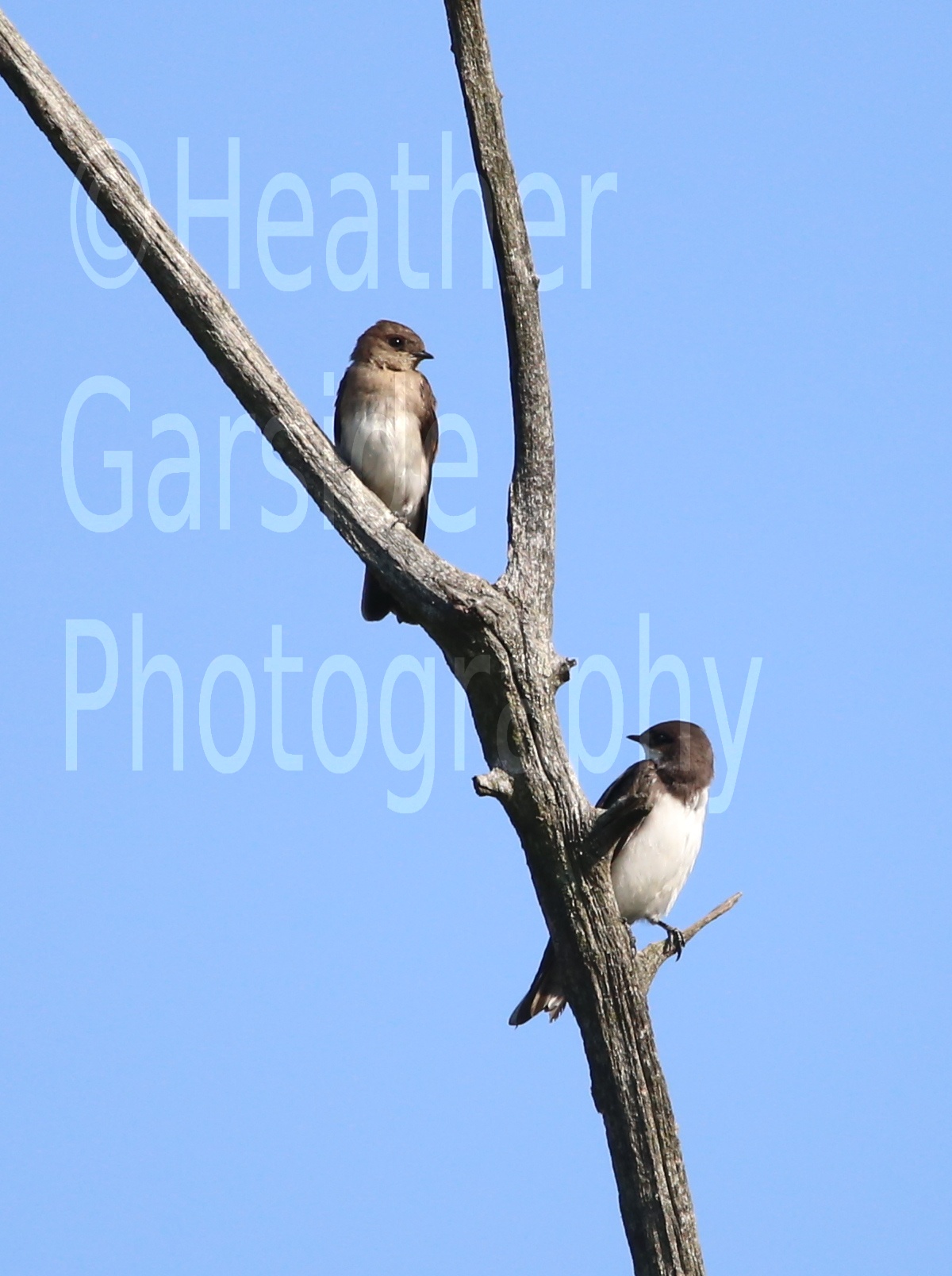
We then crossed the path and the road to the bay side of the peninsula, which proved to be just as exciting. Swallows and Song Sparrows were zipping about, and singing to us from the telephone wires. A Northern Mockingbird decided to challenge us, “who goes there?!” from his vantage point in a bush along the path. A Great Blue Heron flew off into the sky and several deer were wandering about, foraging for something to eat among the bushes and weeds.
The bay was also sheltering a very large flock of Brant. Smaller than Canada Geese by at least ten inches, Brant geese have a black, grey and white body, with no brown. They have a white marking on their throats, called a “collar” which looks like a handkerchief tied around their necks, wider in front and thinning toward the back of their heads. Another summer resident of Canada, the Brant winters along the Atlantic coast.
Sandy Hook is a great place to experience nature regardless of the season. The combination of river and ocean, bay and beach allow for a great variety of wildlife to thrive here. Some of the large nests we saw along the beach promised some interesting spring residents. Regardless of the season, I highly recommend it to nature lovers, history lovers and day trippers. If you want to learn more about Sandy Hook, visit their website at https://www.nps.gov/gate/planyourvisit/sandy-hook-hours.htm
The
color orange could never be accused of subtly.
A warm color, bright and vivid, orange takes on many cultural
associations. The color of road work signs and traffic cones, it
promotes visibility and denotes danger. There
is a reason prison jumpsuits and hunting camouflage are
orange. But it also
makes us think of sunny days and sweet fruit. Around this time of
year, it also makes us think of pumpkins and Halloween.
Coloring
in the bird world is thought to have evolved to both encourage mating
and promote survival through camouflage. Females
of many species are duller in color to protect them from predators
and promote the survival of the species. Along the same lines, the
males of many species have developed very bright coloring to attract
females to mate with them.
Feather colors are
created one of two ways, through pigment or light refraction from the
physical structure of the feathers. Some multicolored birds have both
occurring at the same time.
It
is easy to see that orange
occurring in the bird
world is also about visibility. While
we often associate the brightest feathers with exotic habitats, we
can still find evidence of orange in our own backyards. The
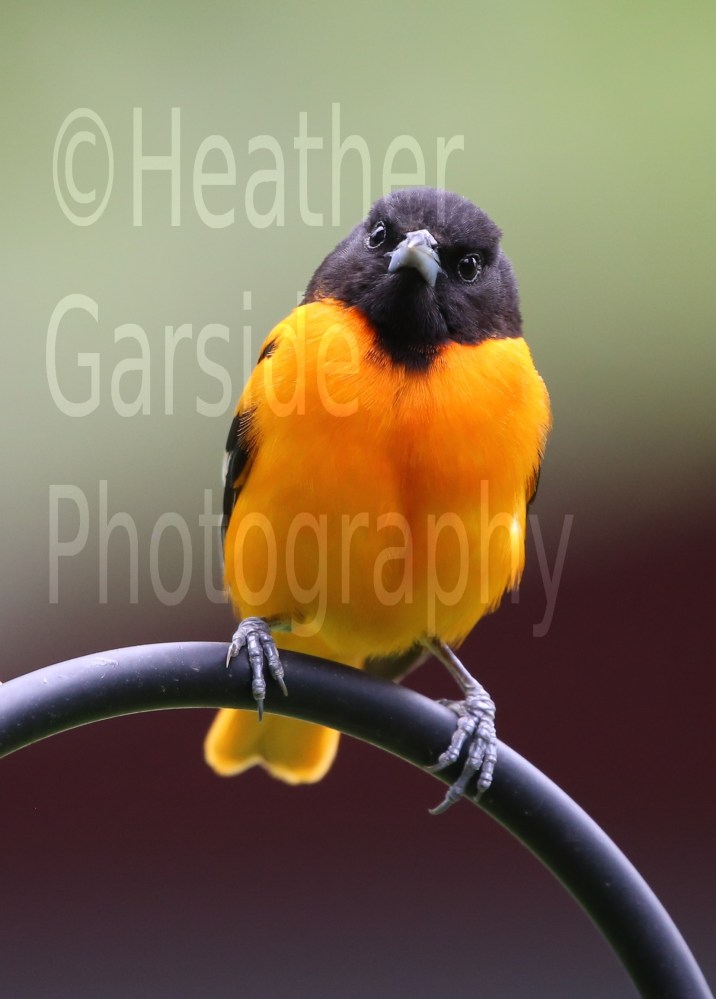
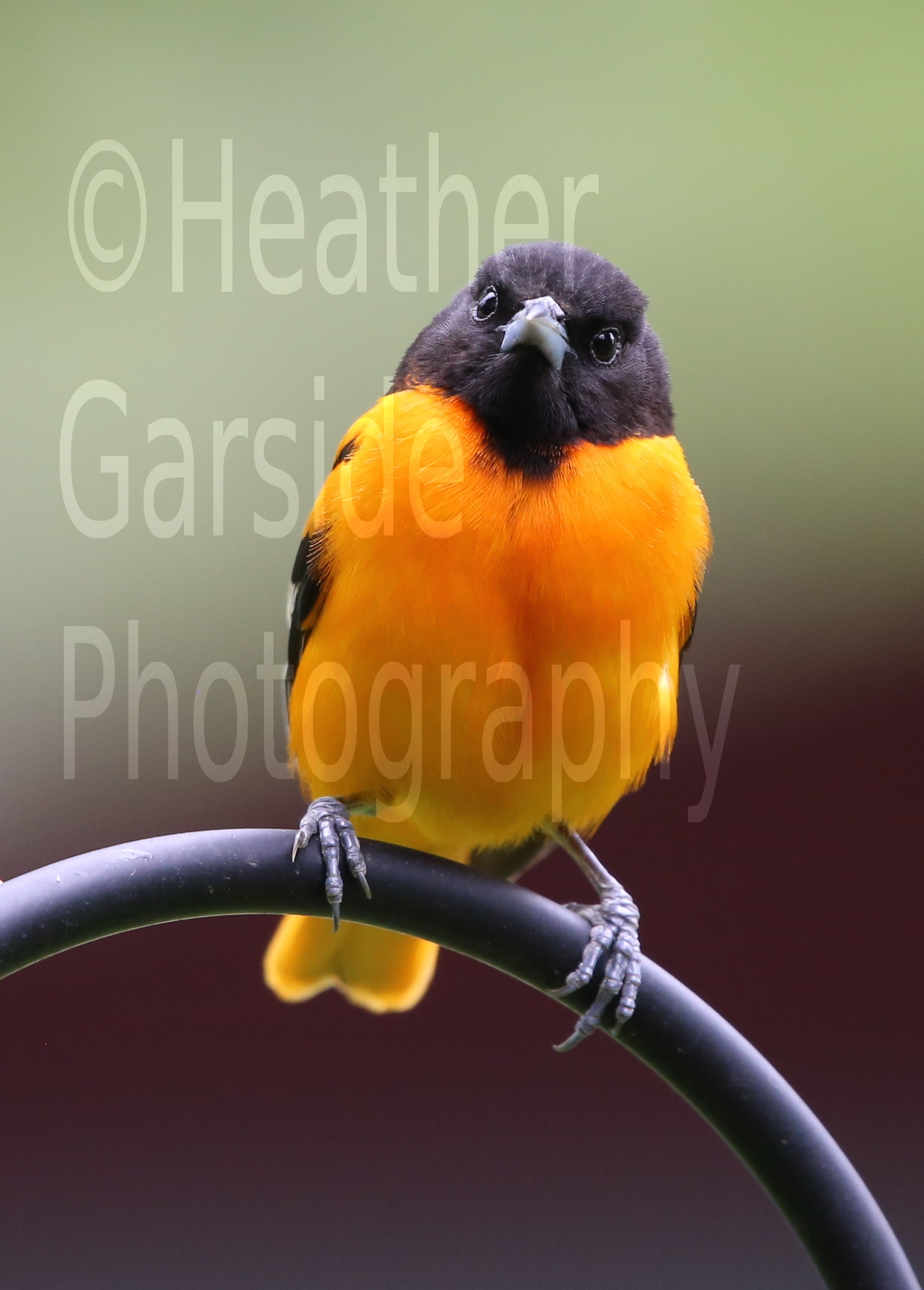
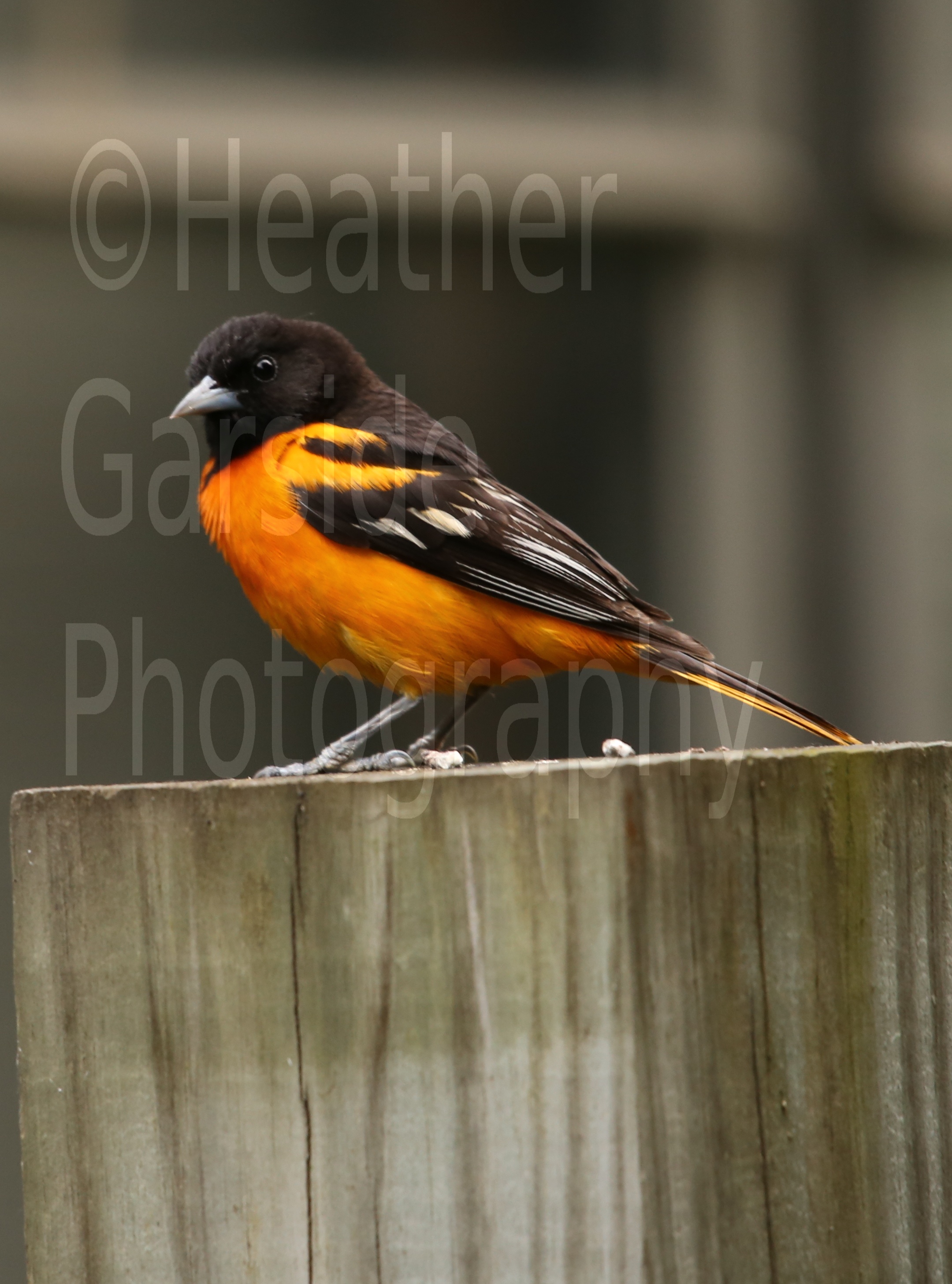
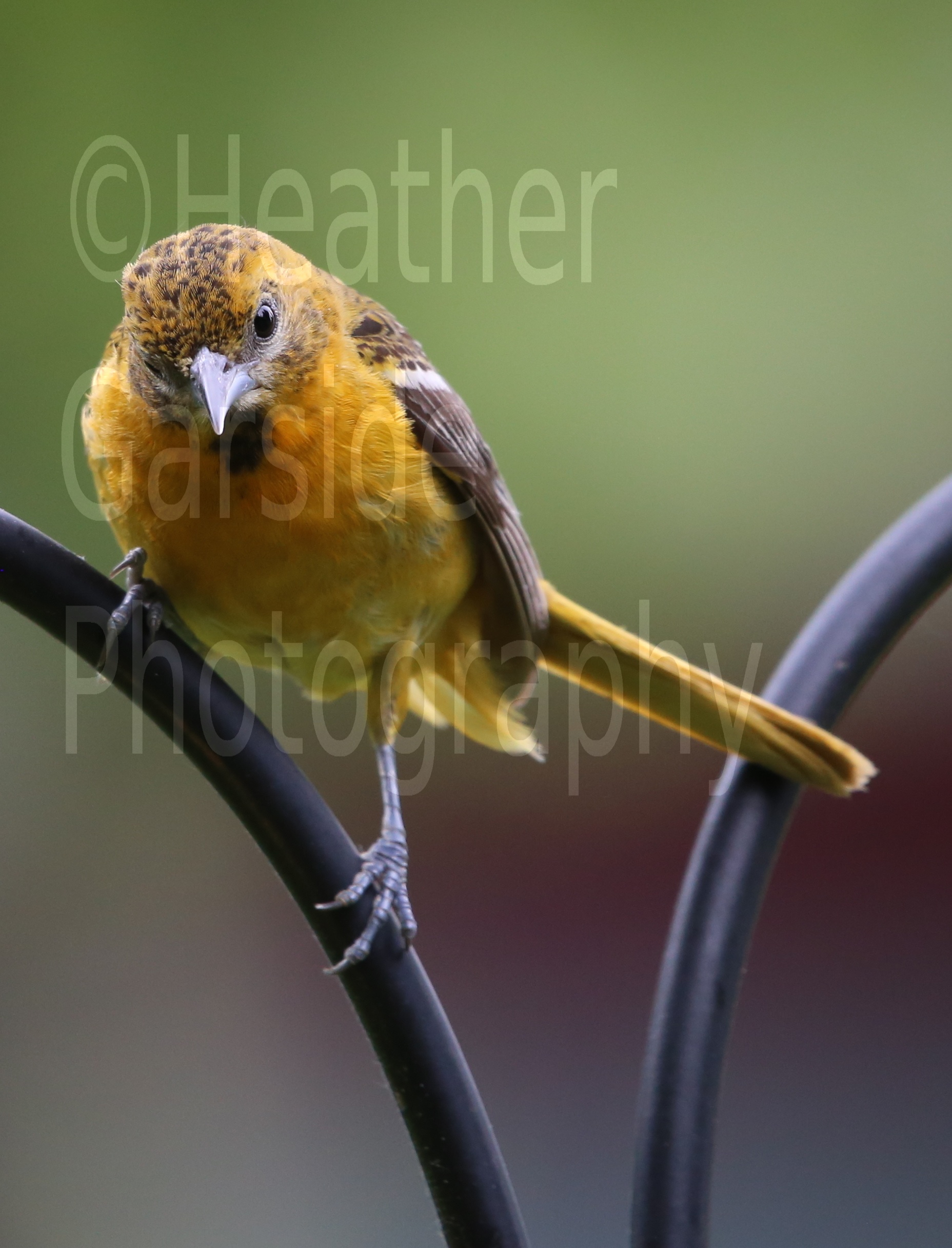
Baltimore Oriole serves as the primary example. While the male is
much brighter, both the male and female Baltimore Orioles
are primarily orange. Orange may be a color that attracts them to
more than just prospective mates, as they are also known to eat
oranges and be attracted to orange-colored feeders.
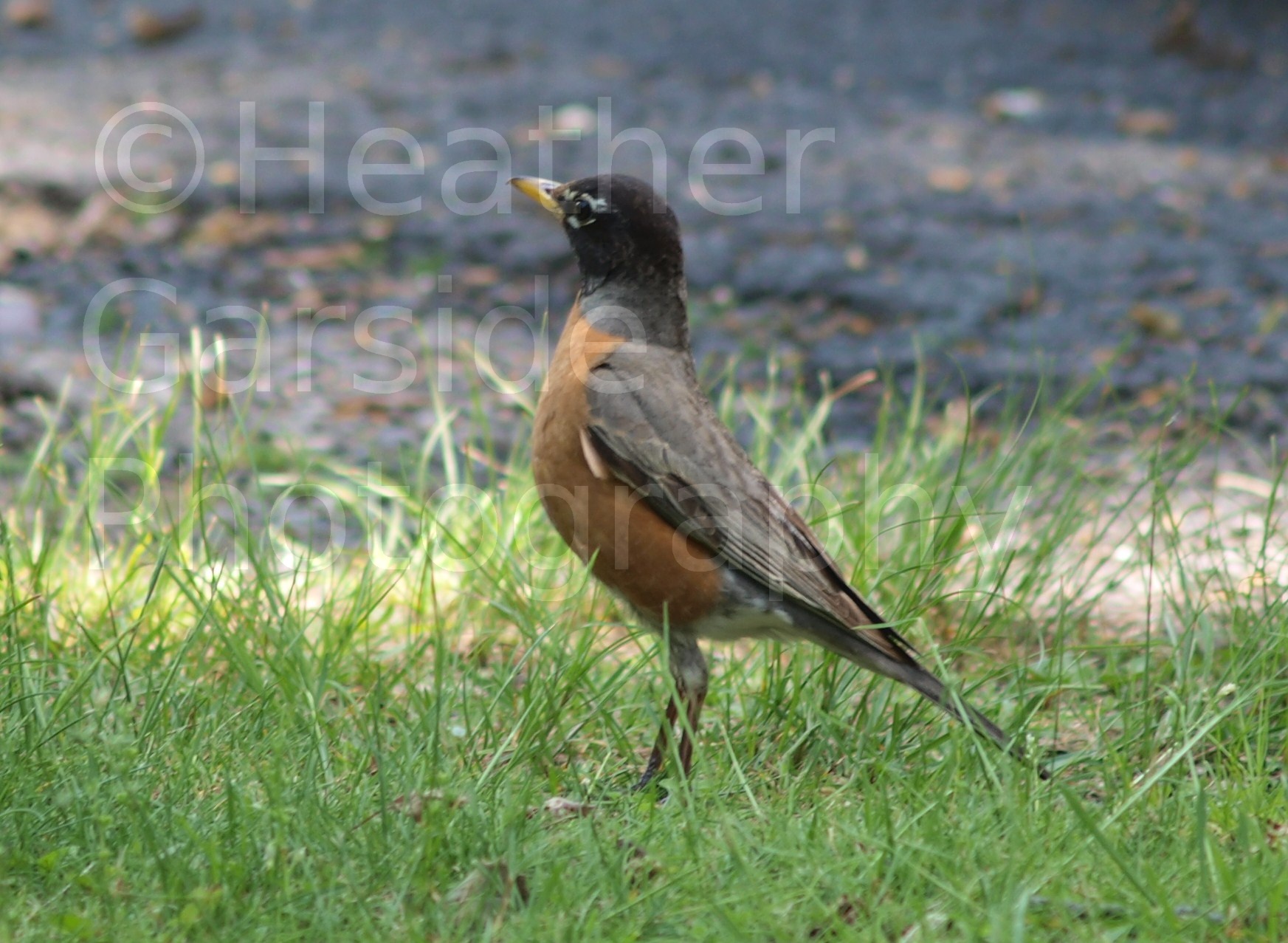
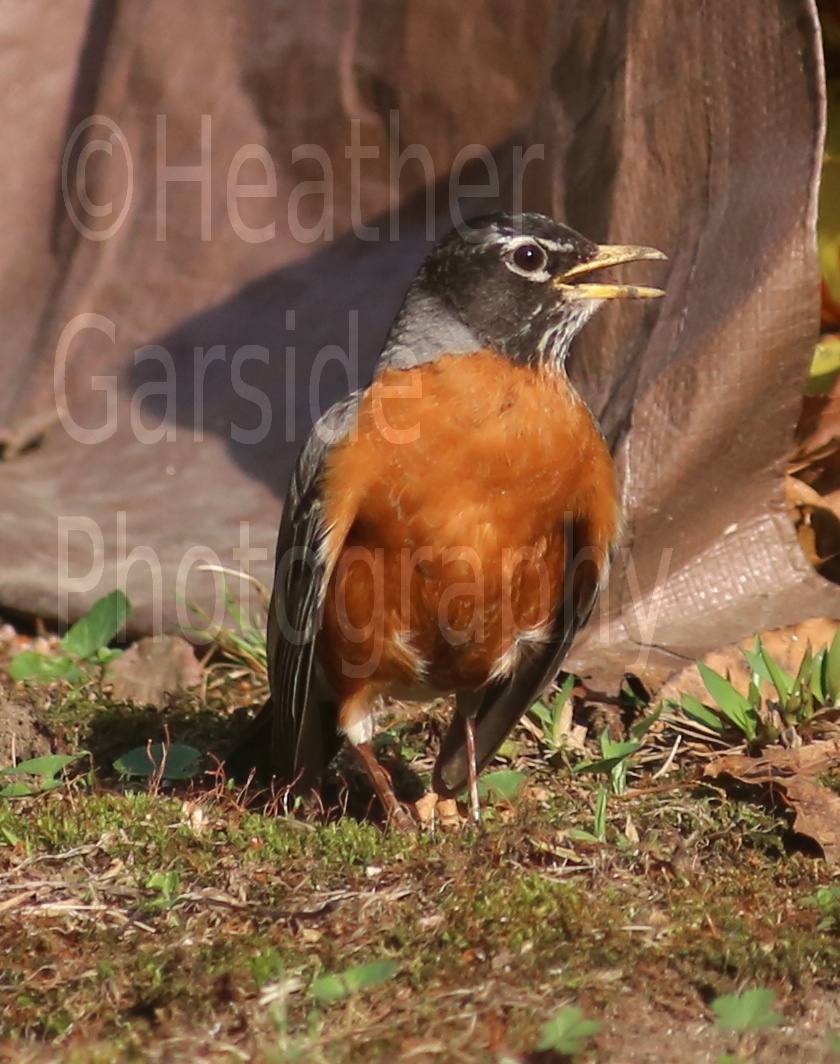
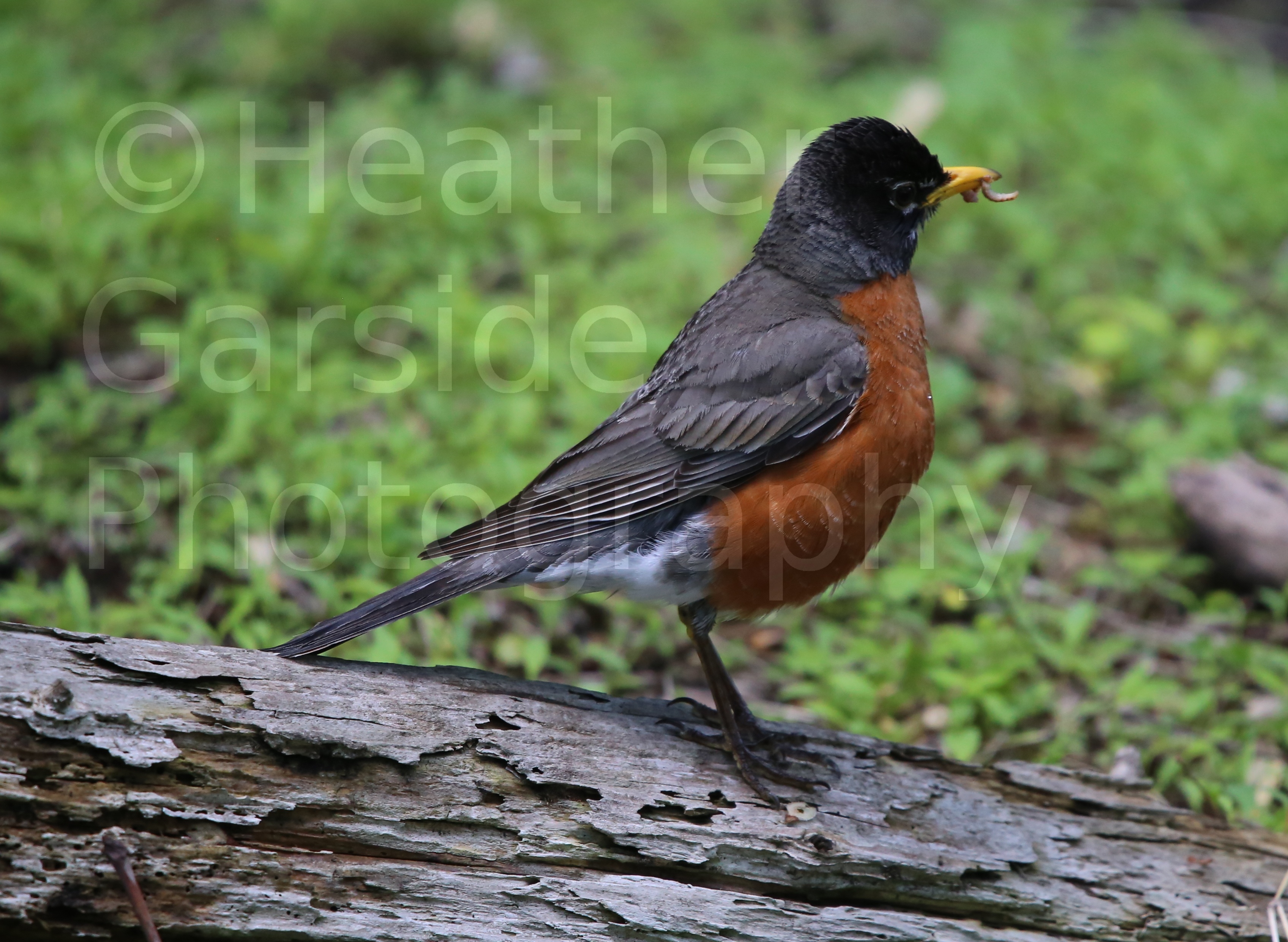
An orange belly is a prominent feature of another backyard regular, the American Robin. Though not as bright a shade of orange as found on the Baltimore Oriole, the rusty-orange of the Robin certainly attracts the eye. Female Robins often have paler bellies than their mates, but both males and females demand attention. The Robin’s rusty belly not only differentiates it from other Thrushes, but is its most distinctive feature.
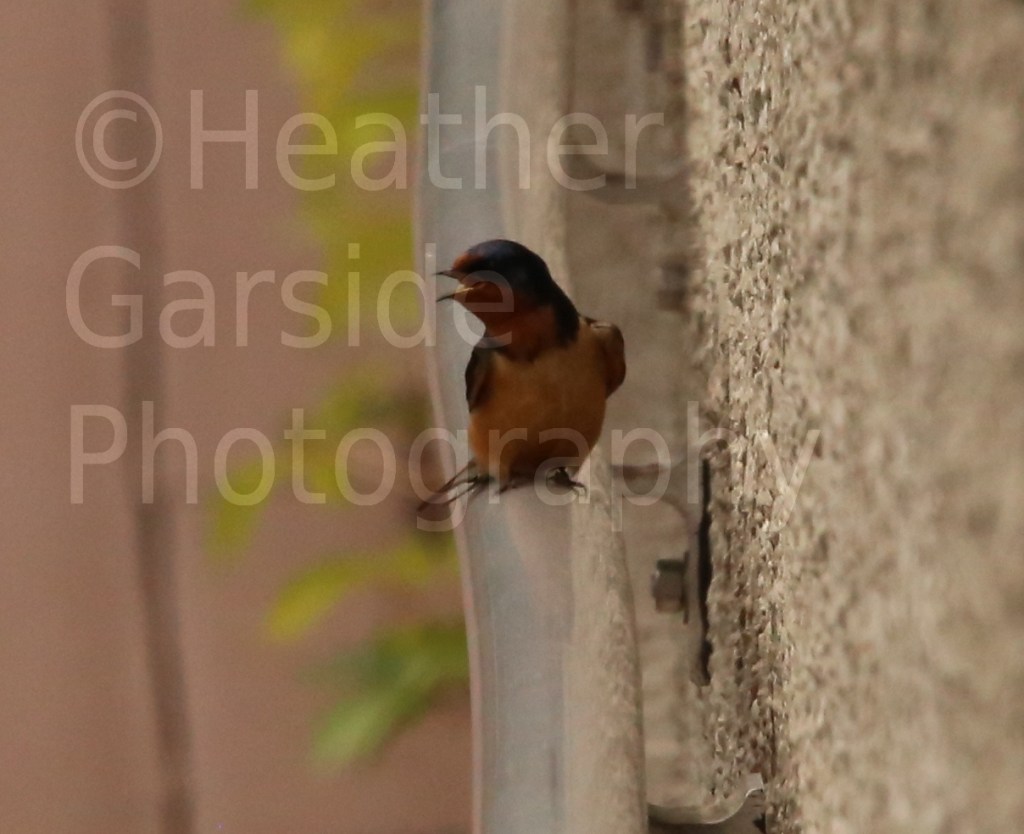
The Barn Swallow demonstrates still another shade of orange found in plumage. He sports a peachy orange belly, reminiscent of a creamiscle, which contrasts with the darker blue of his back and wings.
Thinking
about birds in relation to their color allows for a new perspective.
Understanding the purpose of their coloring allows us to appreciate
it for more than just aesthetic beauty. Nature
has certainly
provides
us with a wide and varied palette to
enjoy.
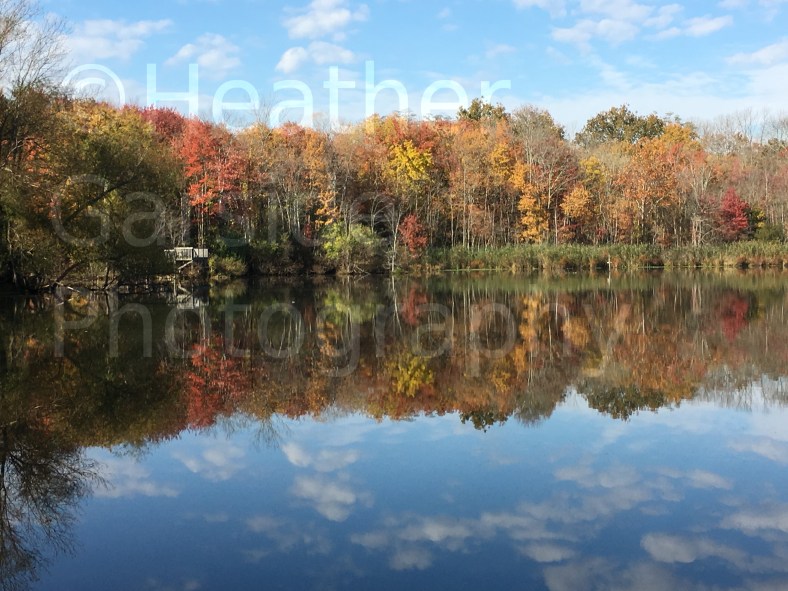
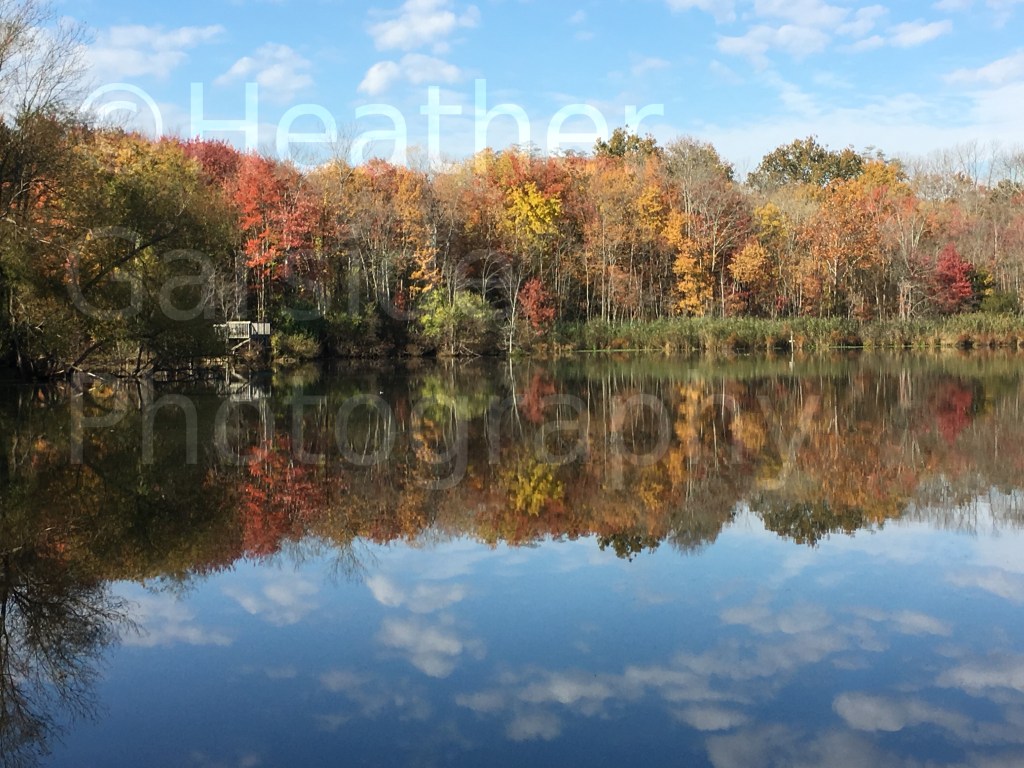
The Autumn is one of my favorite times to visit the Celery Farms. The
air is usually crisp, the temperate is usually perfect for a
leisurely stroll, and if you hit it just right, the trees around the
lake just explode with color.
Taking
advantage of a rare weekday off, I headed to the Celery Farms
mid-morning and had it more to myself than I usually do. The weather
and light couldn’t have been more perfect. I had all the time in
the world, so I sat on benches, went up every platform and even made
a second loop on the trail.
Waterfowl
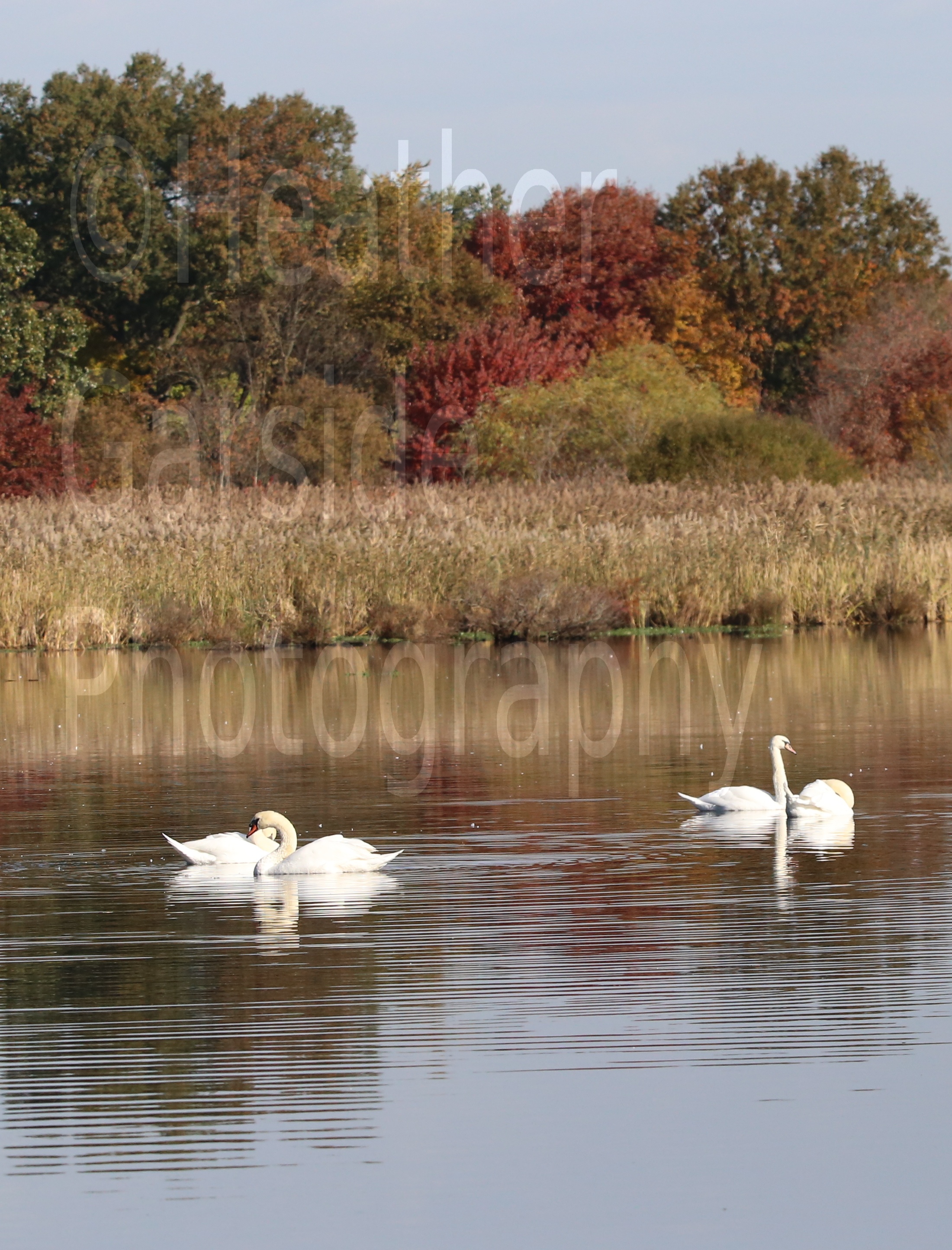
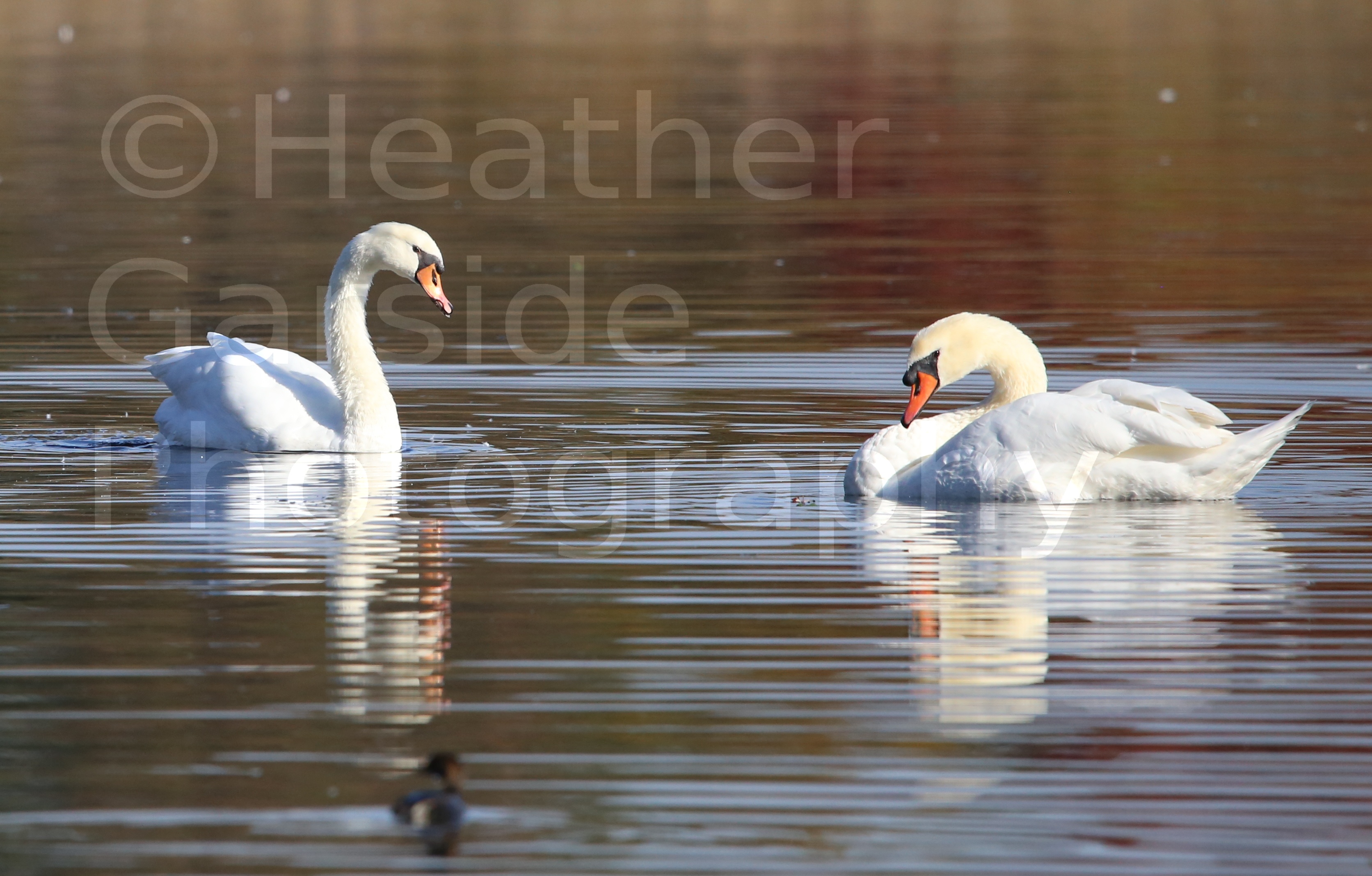
was the main attraction. There were all kinds of birds taking
advantage of the water. Most prominent due to their size, were four
Muted Swans, whose pure white was such a stunning contrast to the
palette of colors behind them.
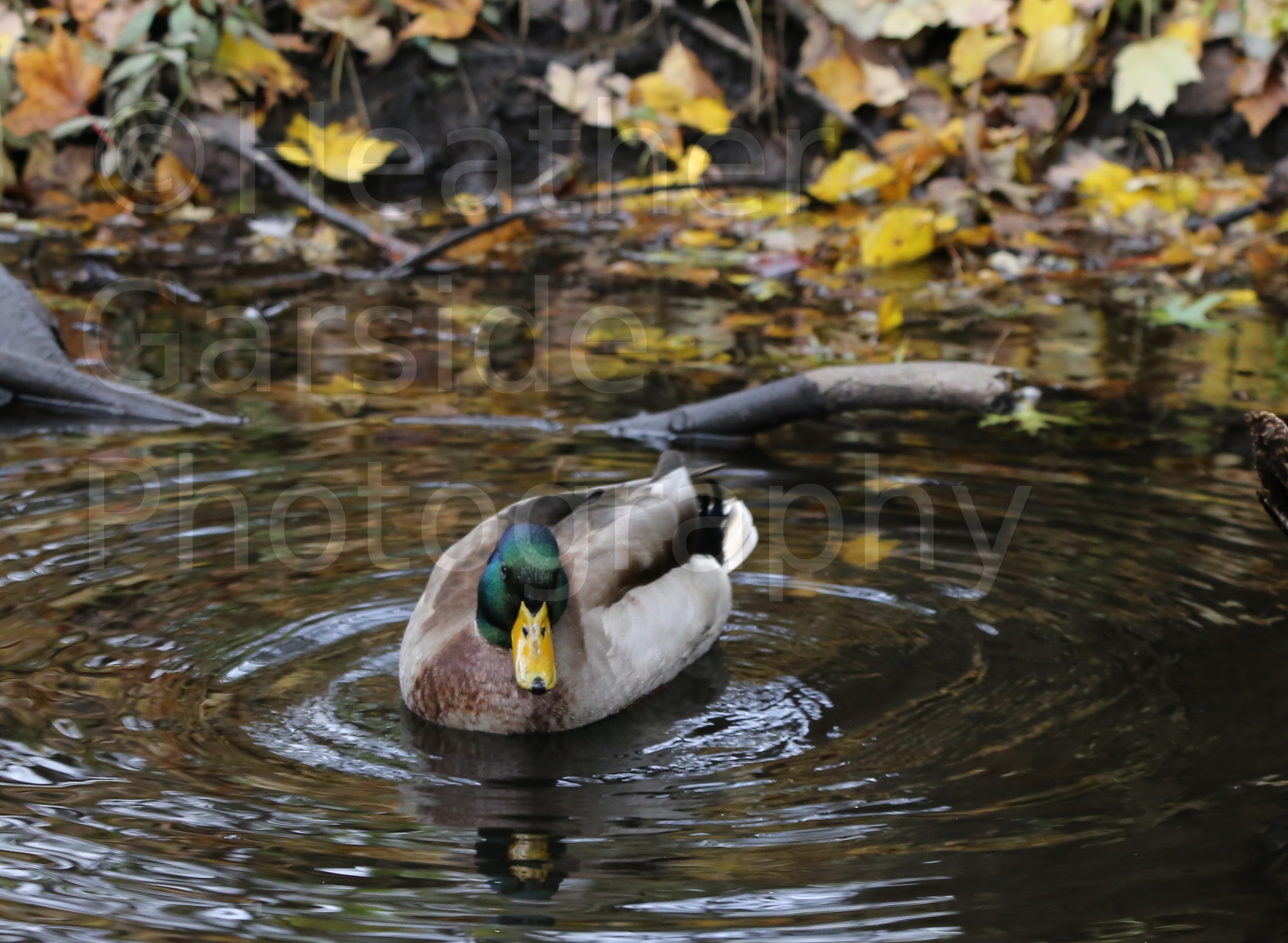
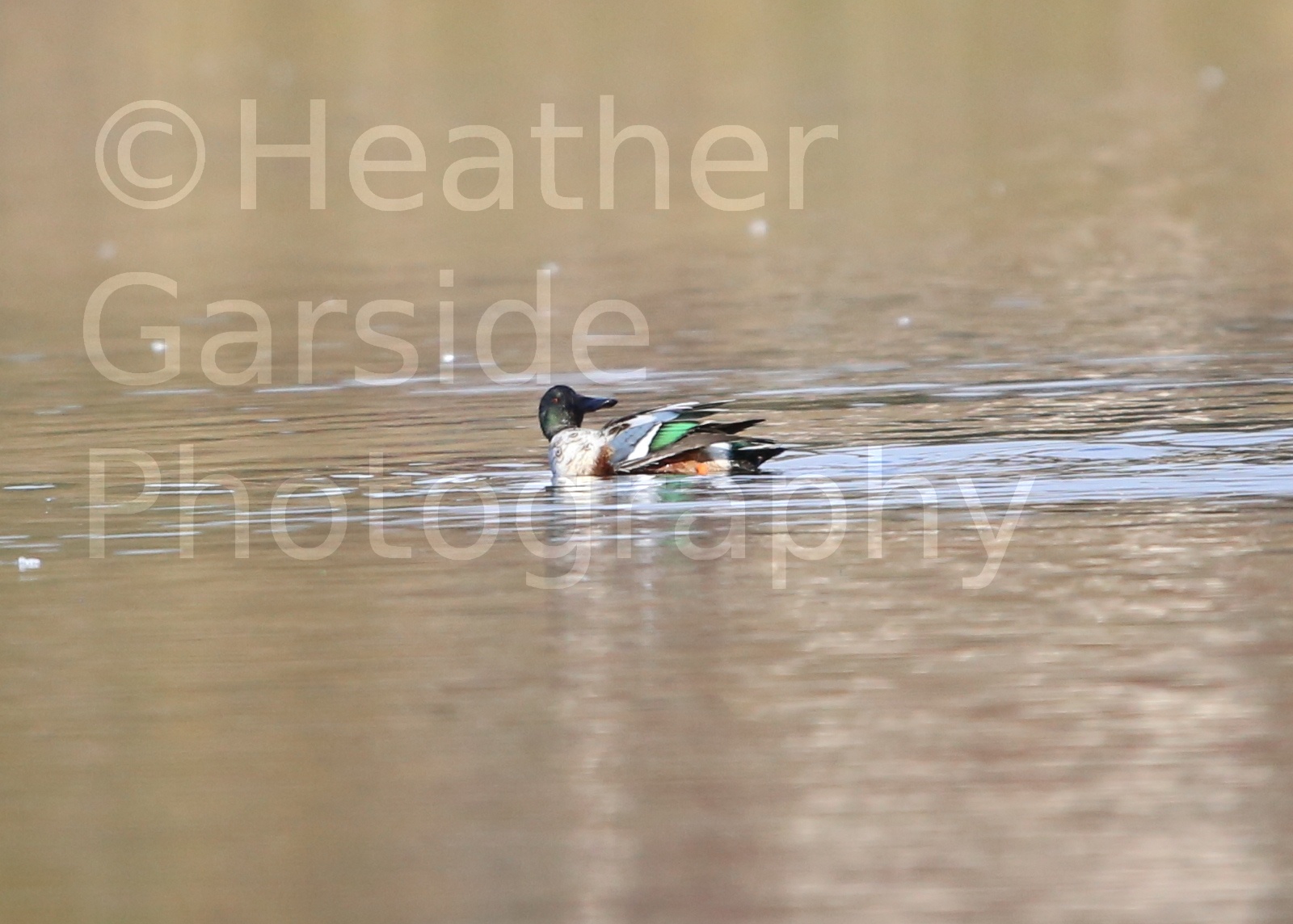
Canada Geese and Mallards were present, as they usually are, but with the aid of my telephoto lens I noticed that some of the ducks looked different, and their bills seemed longer. Once I got a good look at the male, I confirmed it, Northern Shovellers. It was really amazing I was able to see them at all, or their fronts at any rate. As soon as they got a breath of air, they were right back in the water, butts in the air. I can tell you, one duck butt looks much like the next.
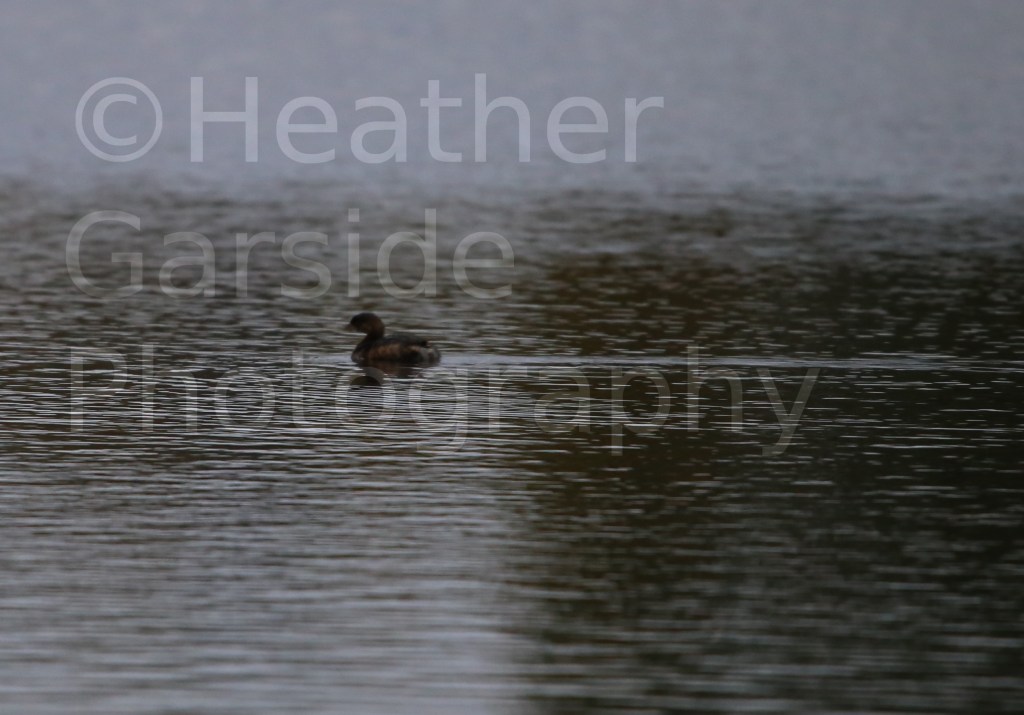
Another smaller bird was also in the water. Swimming solo, it was so small my camera had trouble focusing on it. The largest challenge to photographing it was that it kept submerging and would pop up somewhere just beyond where I expected it to be. Quite the little swimmer. My photos didn’t come out as clear as I would have liked, but I am fairly certain it was a Pied-Billed Grebe.
Besides the water birds, I was able to spot several others as I made
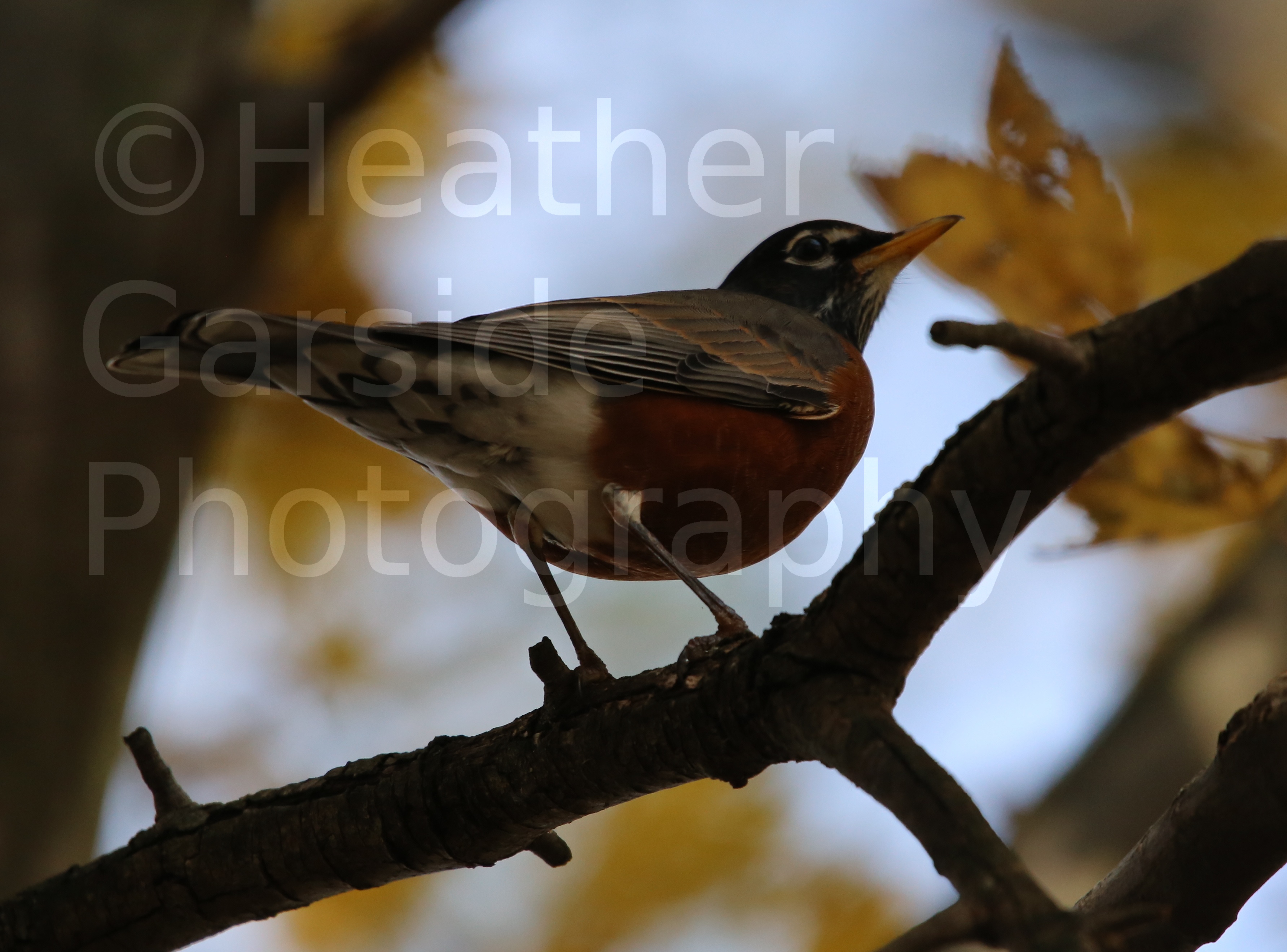
my way around the trail. One Robin even decided to pose for me,
changing the position of his head back and forth like a supermodel in
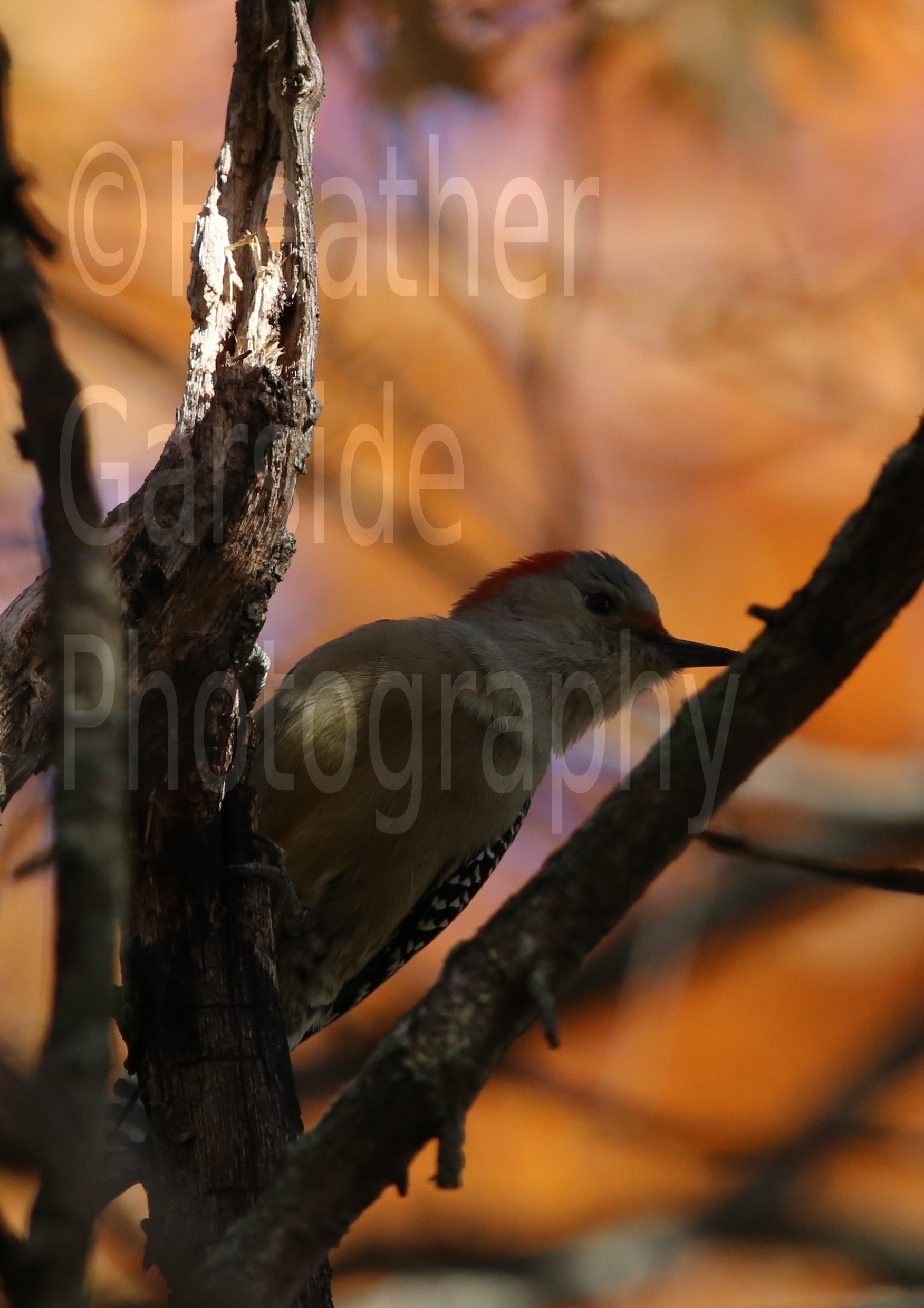
front of a lovely Autumn leaf backdrop. A Red-Bellied Woodpecker was
likewise inclined.
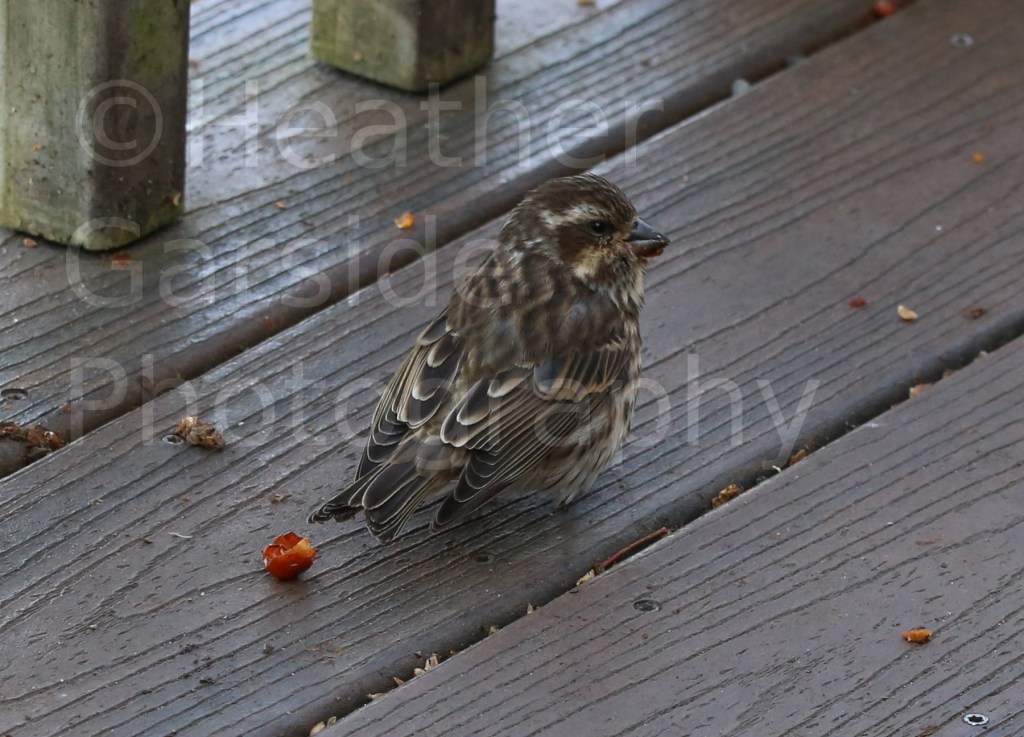
While sitting on one of the platforms, a very fluffy and slightly frazzled looking Sparrow (Song Sparrow I think) was so intent of getting all the berries on the floor that he came right up by me. I couldn’t even photograph him with my lens, he was too close. We hung out together for quite a while. He wasn’t phased by my presence in the slightest. You could almost hear his inner monologue, “…eat the berries…there’s a berry! Eat the berry…need some more berries…there’s a berry!” as he zigzagged along the platform floor.
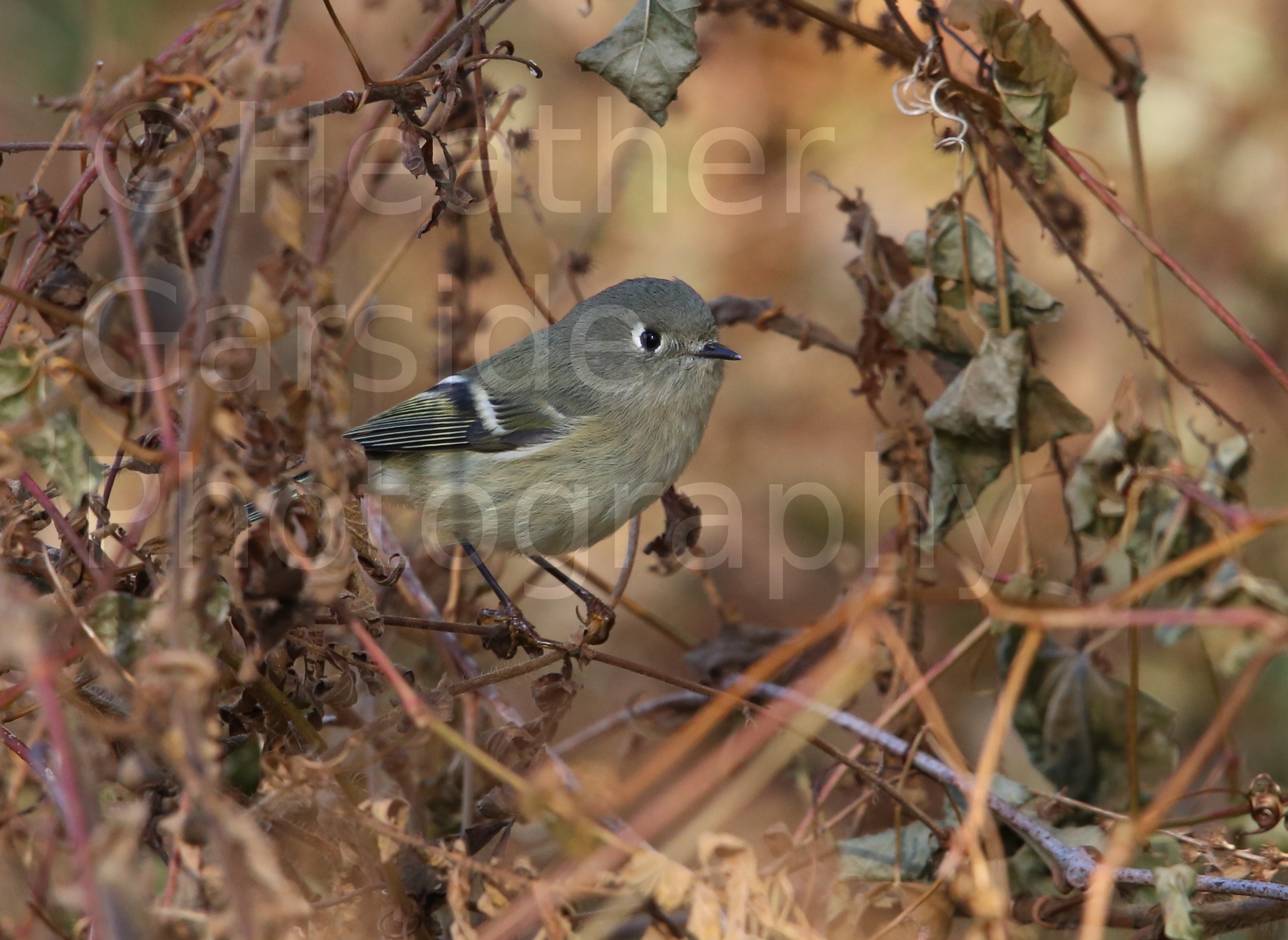
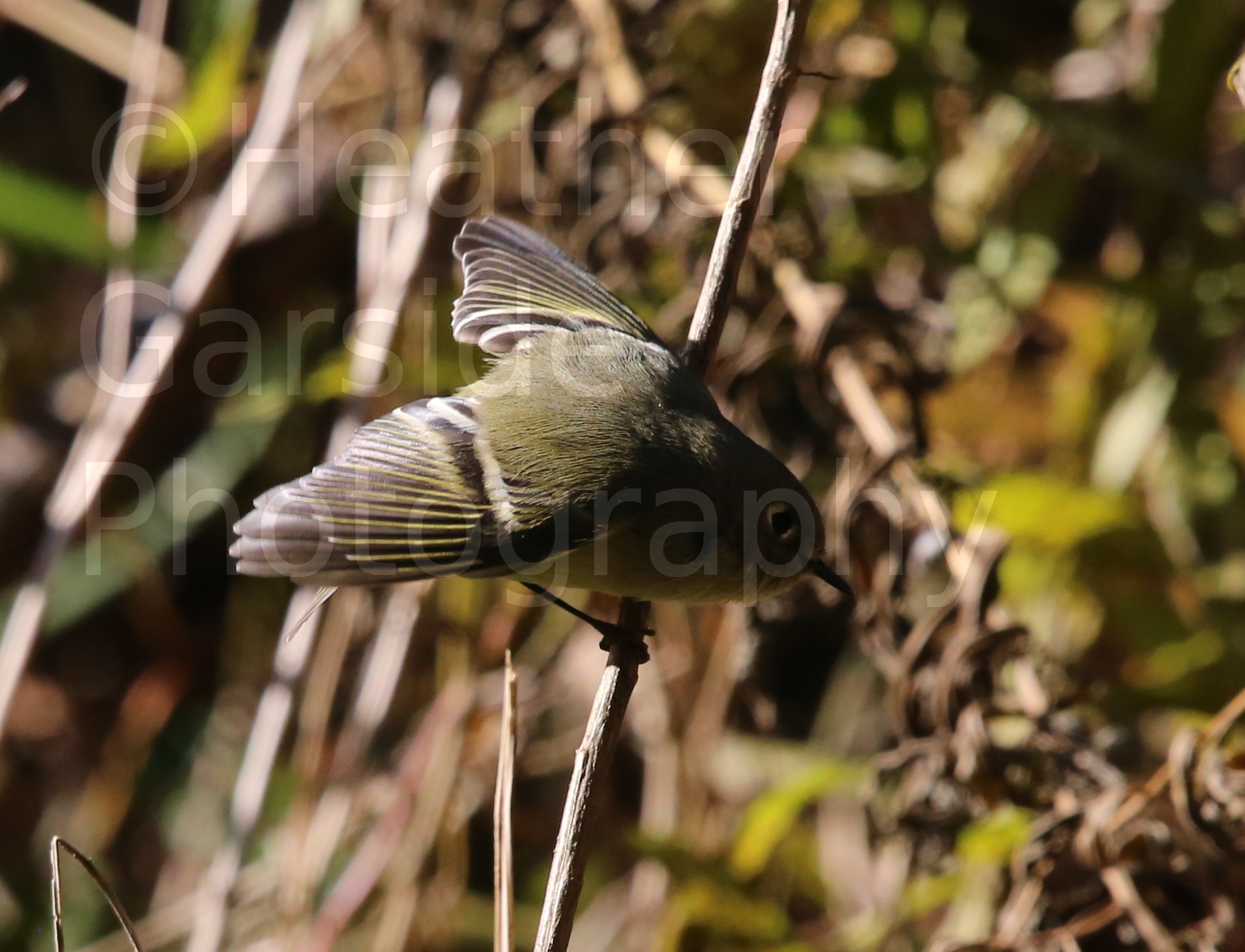
Some less common sightings for me on this particular walk were a female Ruby-Crowned Kinglet and a female Magnolia Warbler. I think both the decreased vegetation and my meandering pace helped me spot them, and both birds stayed in place long enough for a few nice shots.
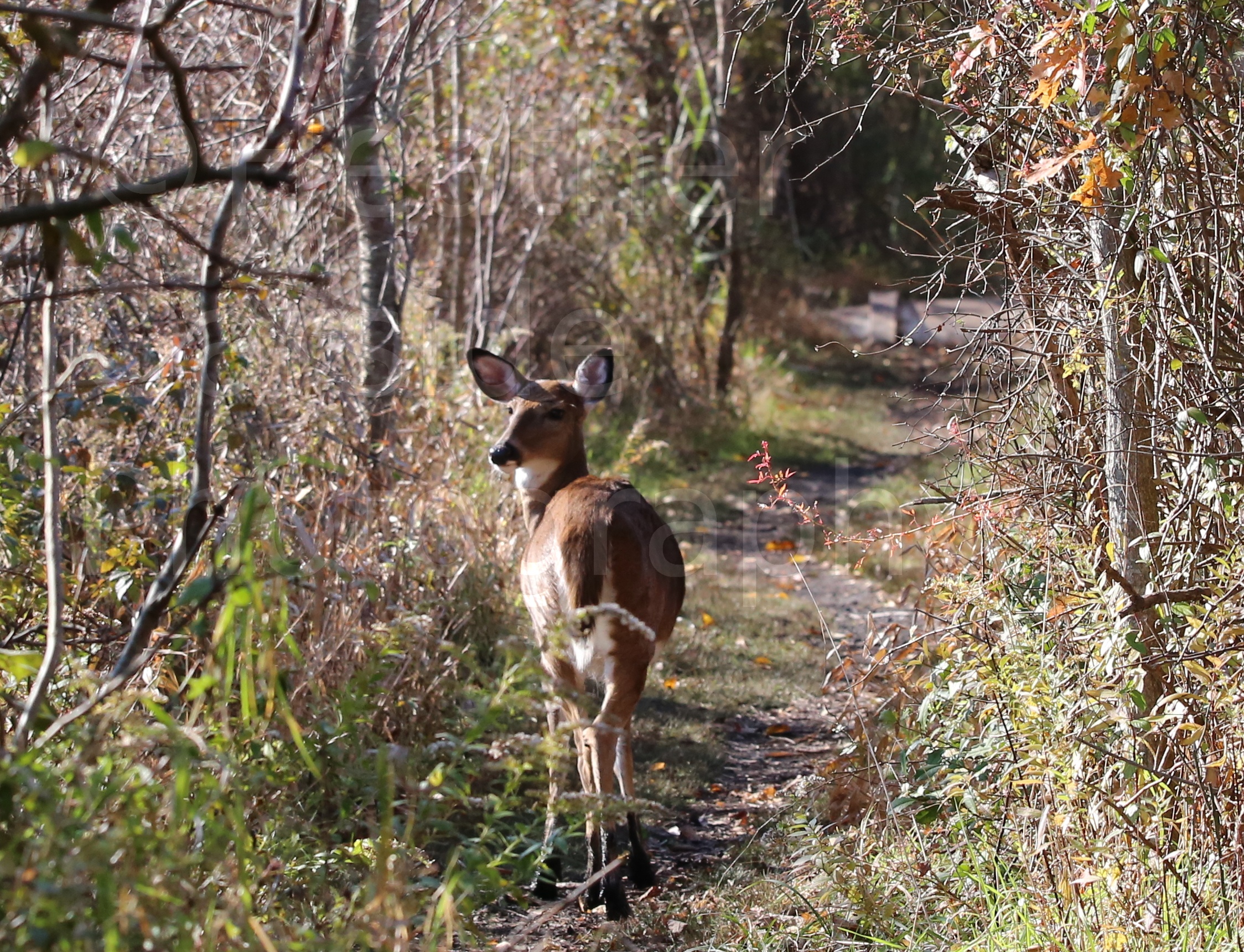
A deer crossed my path as well. It wouldn’t be a day at the Celery Farms, no matter what season, if you didn’t see at least one deer.
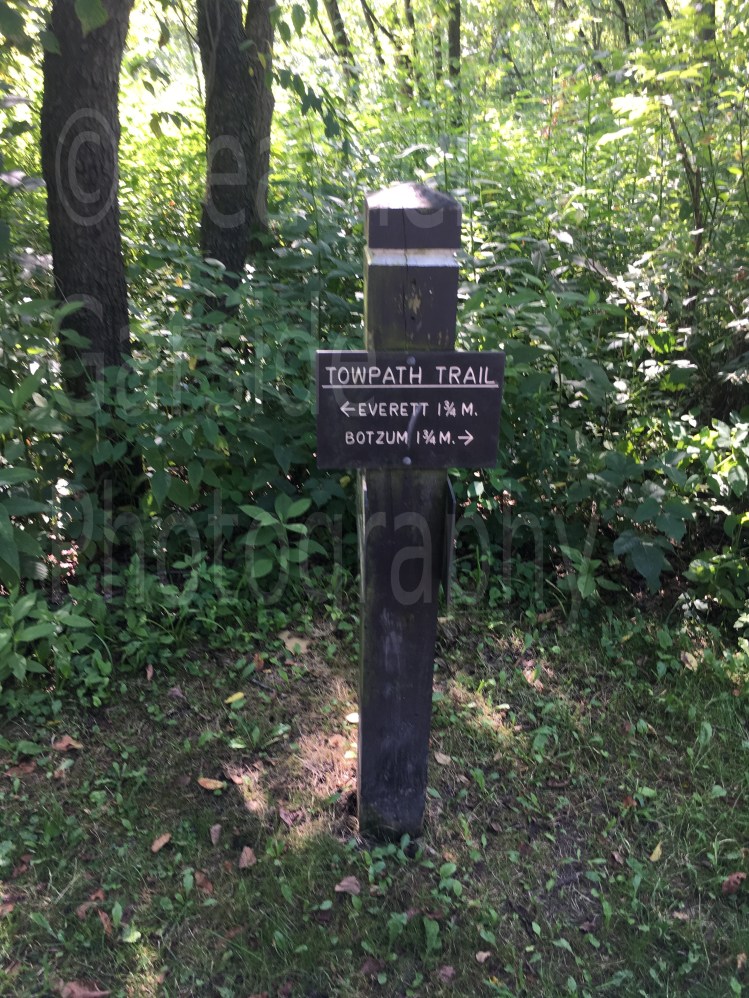
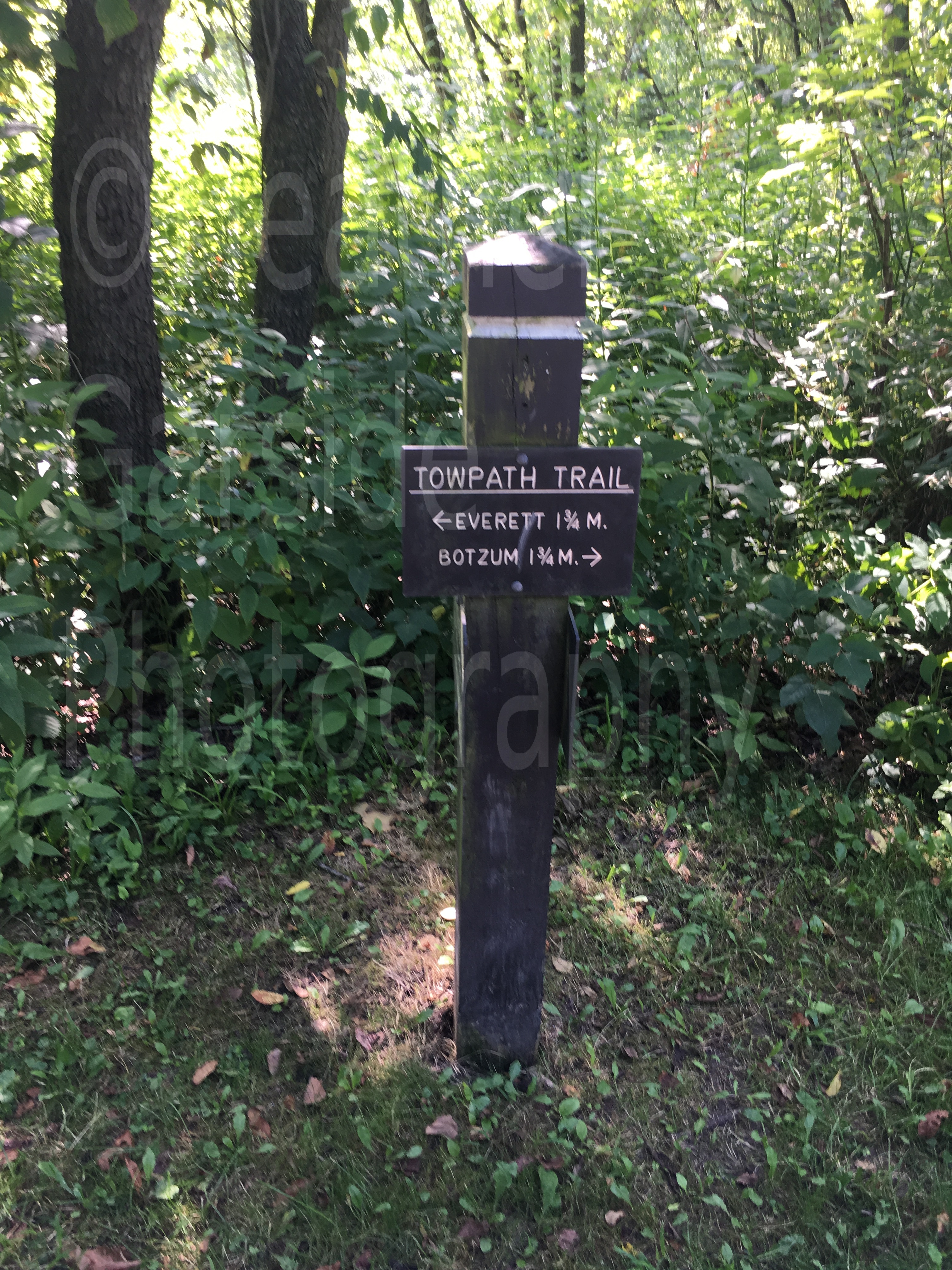
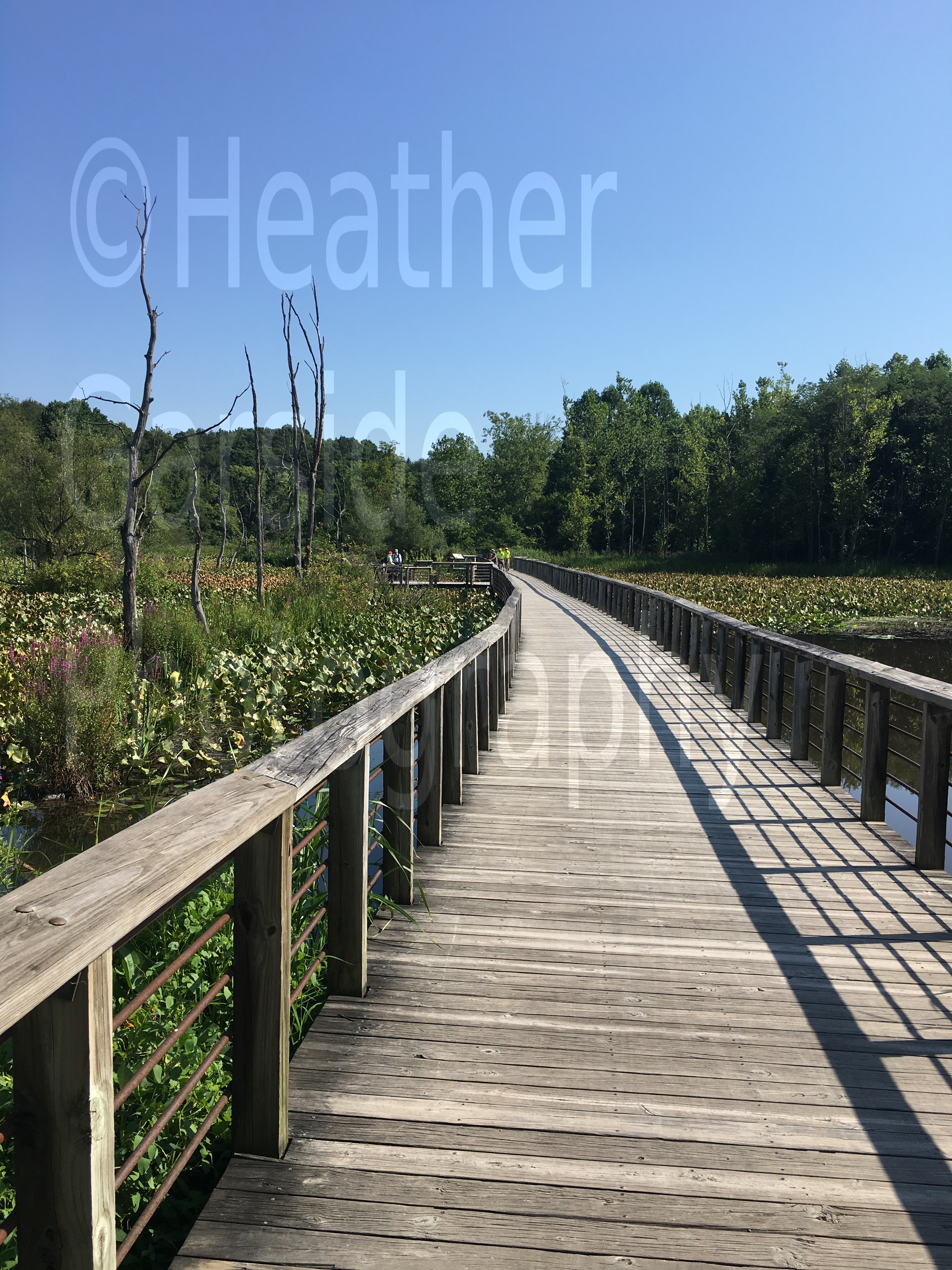
I happen to have a friend who lives in Ohio, which means that I have the pleasure of visiting Cuyahoga Valley National Park once or twice a year. A 33,000 acre park, Cuyahoga Valley has many lovely nature trails and waterfalls. I have had the opportunity to explore many of them on my various visits. However, my absolute favorite is without a doubt the Towpath trail through the Beaver Marsh. Although I have never seen a beaver here, this spot is always alive with activity. Previously I have visited in the early spring and winter but this year I had the opportunity to check out the Beaver Marsh in the midst of summer.
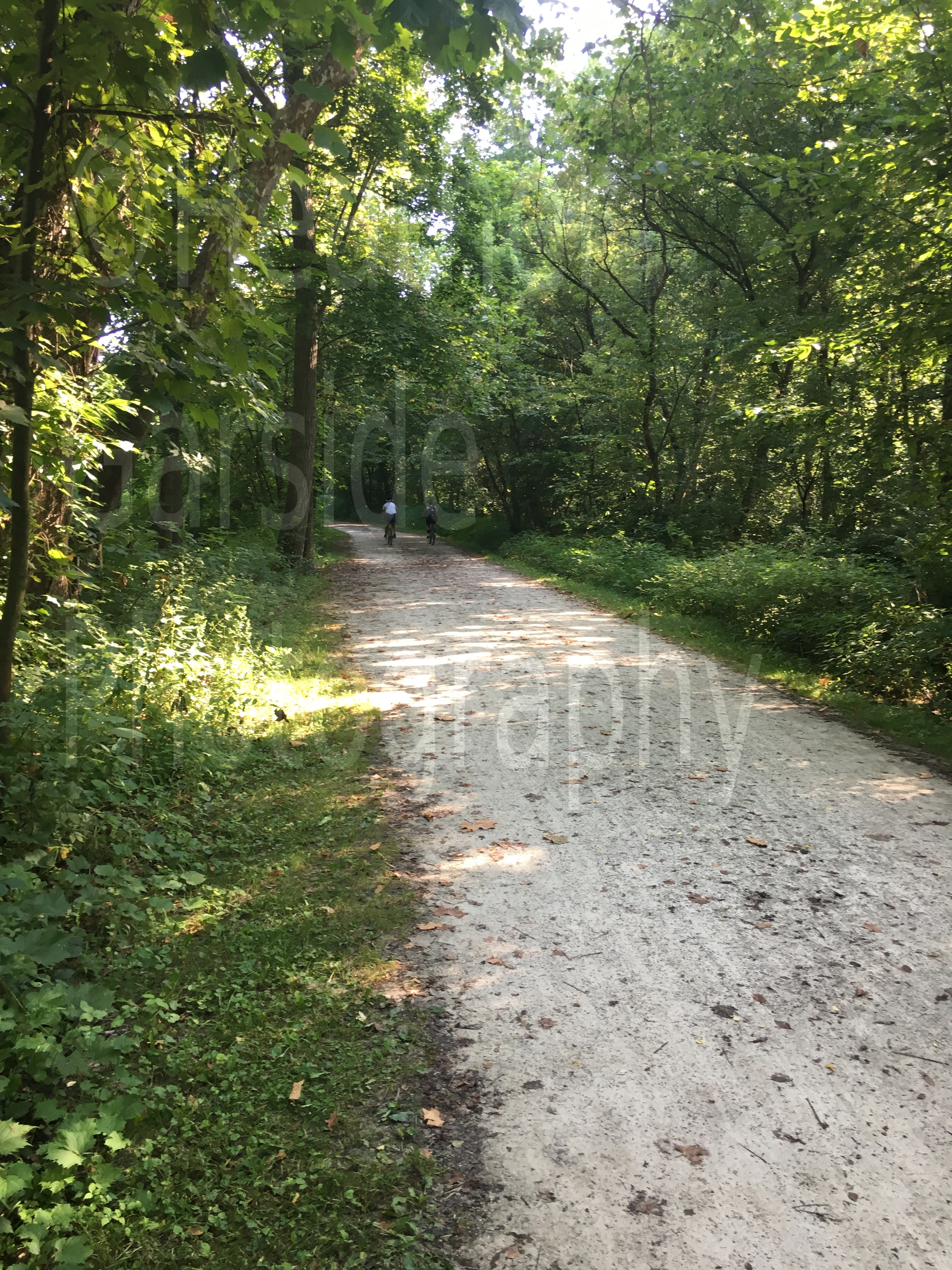
The Towpath starts
off as many do, a large even dirt path, fairly wide. This towpath is
a big favorite among bikers and the morning air was filled with the
friendly “tink-tink” of bicycle bells, followed by barks of “on
your left!” As you would expect, the towpath follows a stream of
water on one side, never particularly deep, but it provides a source
of flowing fresh water for the animals that live here. Not very far
from the Ira Trailhead parking lot is the remnants of a lock. Just a
bit further along the Marsh opens up on both sides of a lovely
boardwalk and viewing platform. This is where most of the action is.
On this particular visit I was spoiled by nature. I had decided to
take an early morning hike before driving back to New Jersey, so I
headed out to the park around 9am. It was a beautiful, sunny morning
and a refreshing walk seemed like the perfect compliment to a lovely
and relaxing weekend with friends. I was pretty content, birds or no
birds.
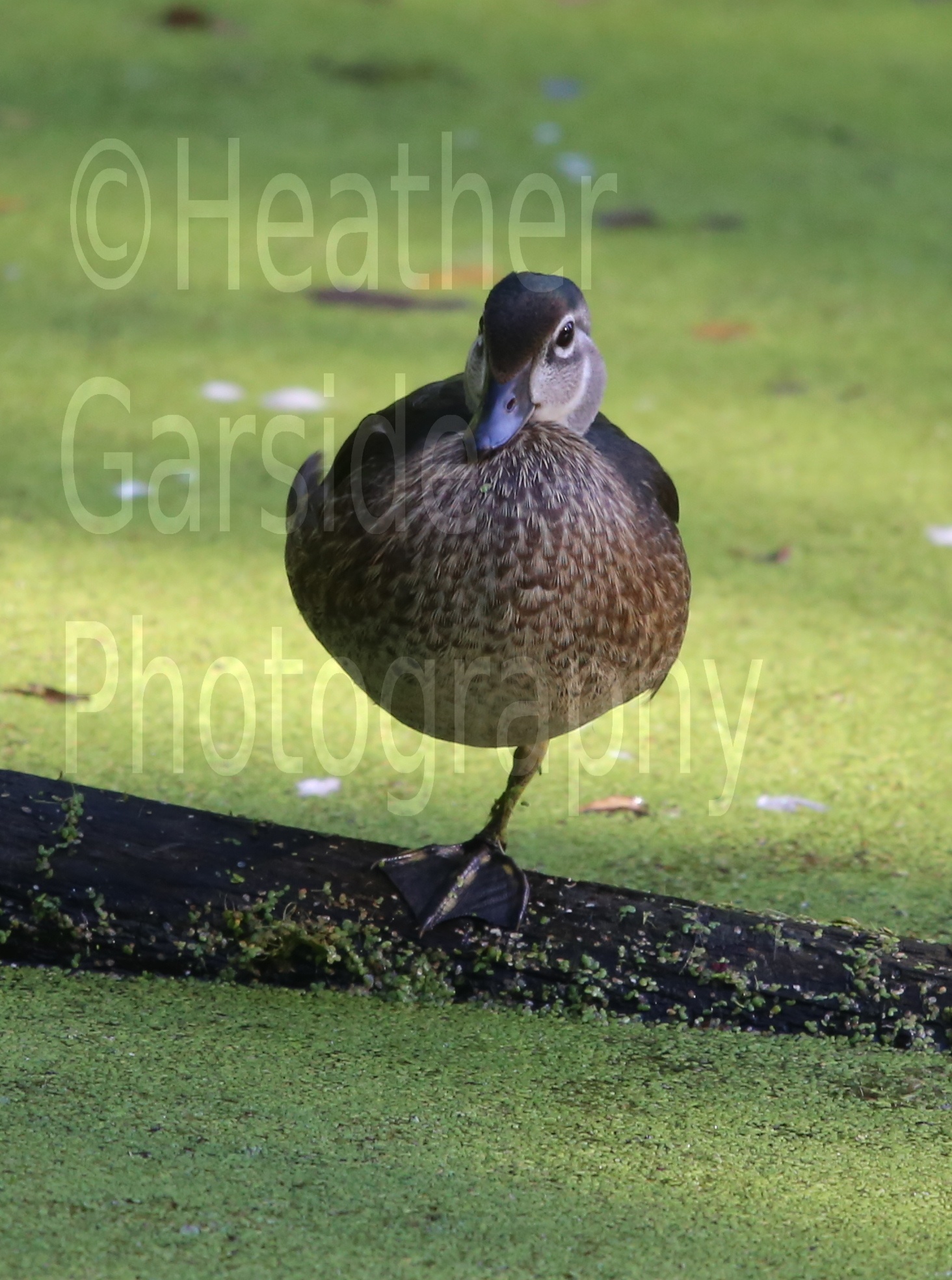
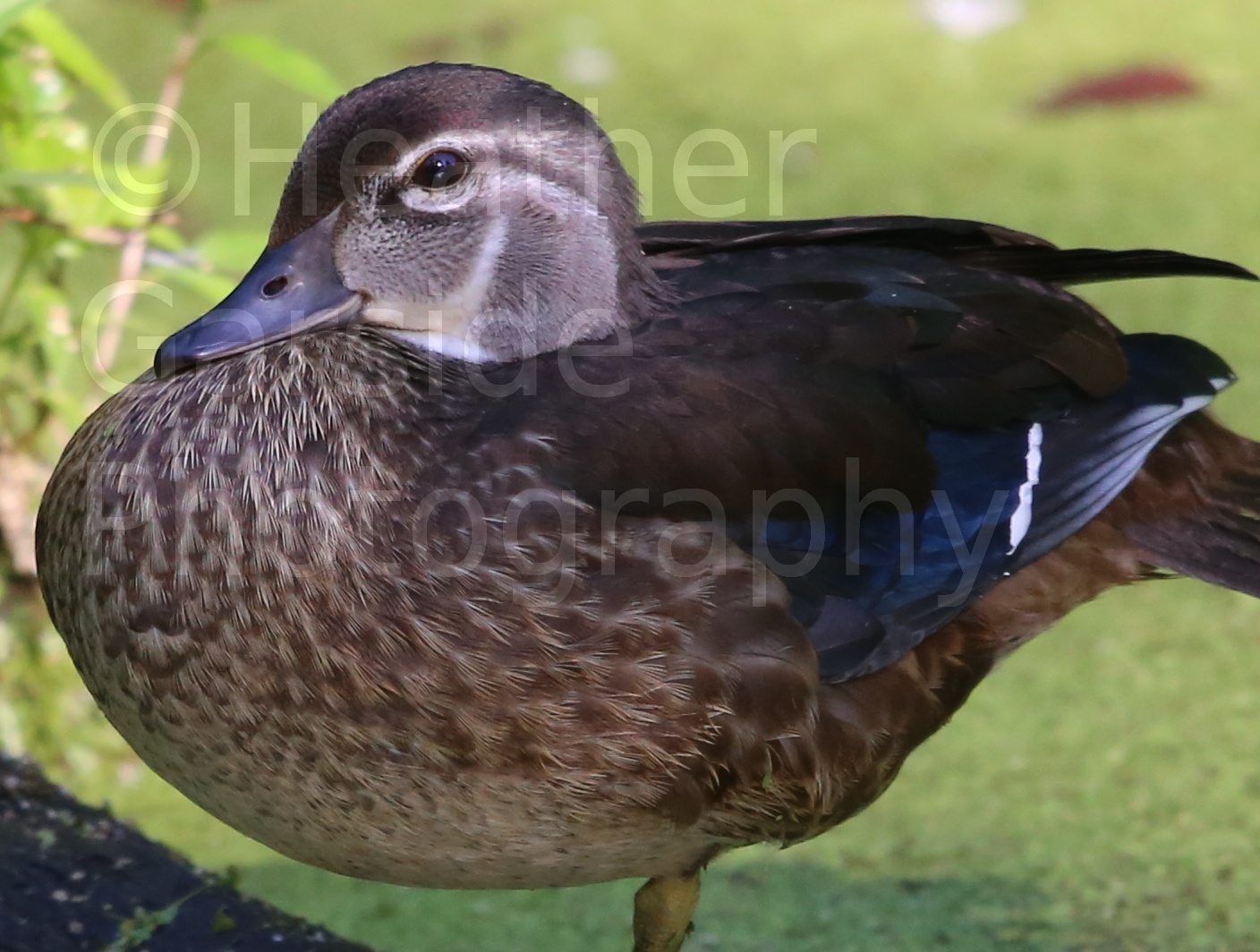
Before I even walked
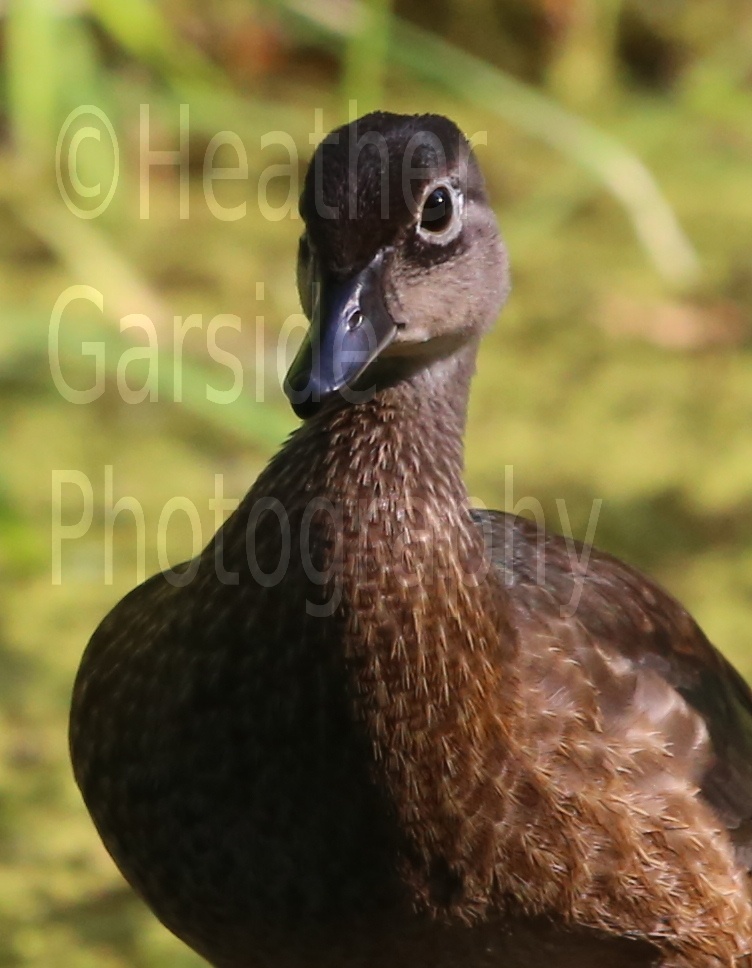
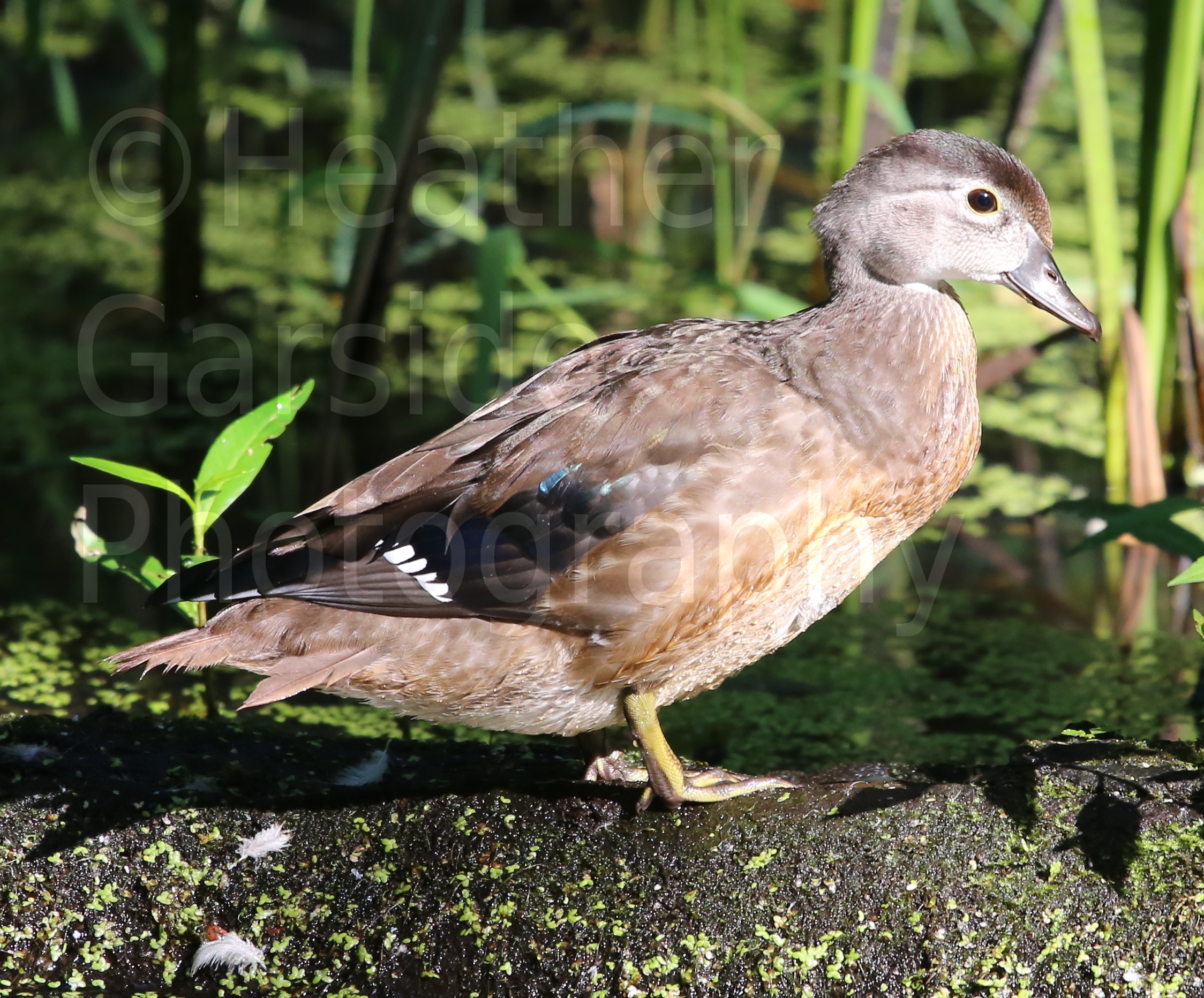
far enough down the trail to see the lock, I noticed a lone female
Wood Duck, standing on a log. I was pretty excited because this was
the closest Wood Duck I have had the opportunity to photograph, most
of them tending to shy away from paths toward more secluded sections
of water. I snapped some photos of her standing on her log and
continued along my way, even more perky.
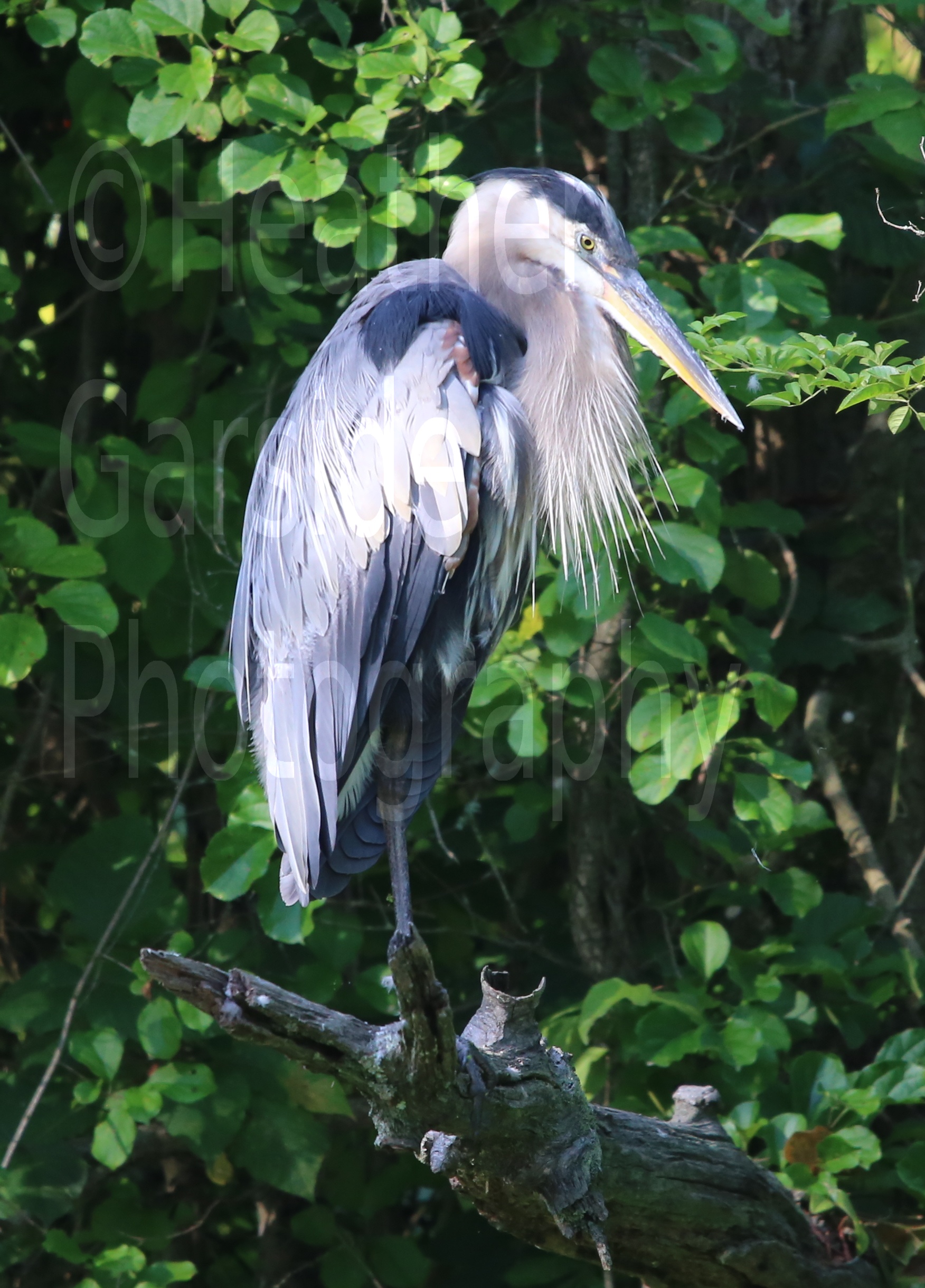
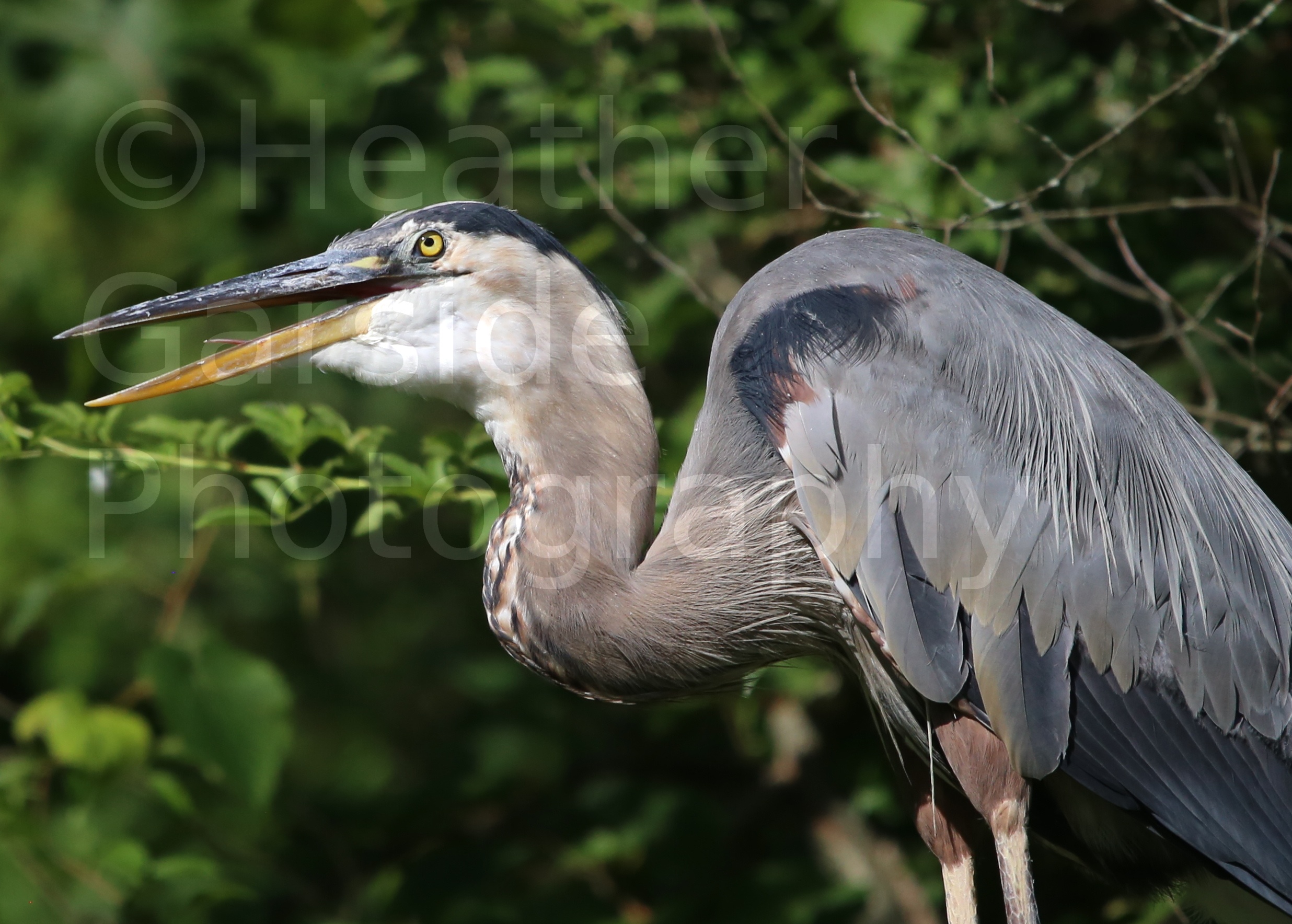
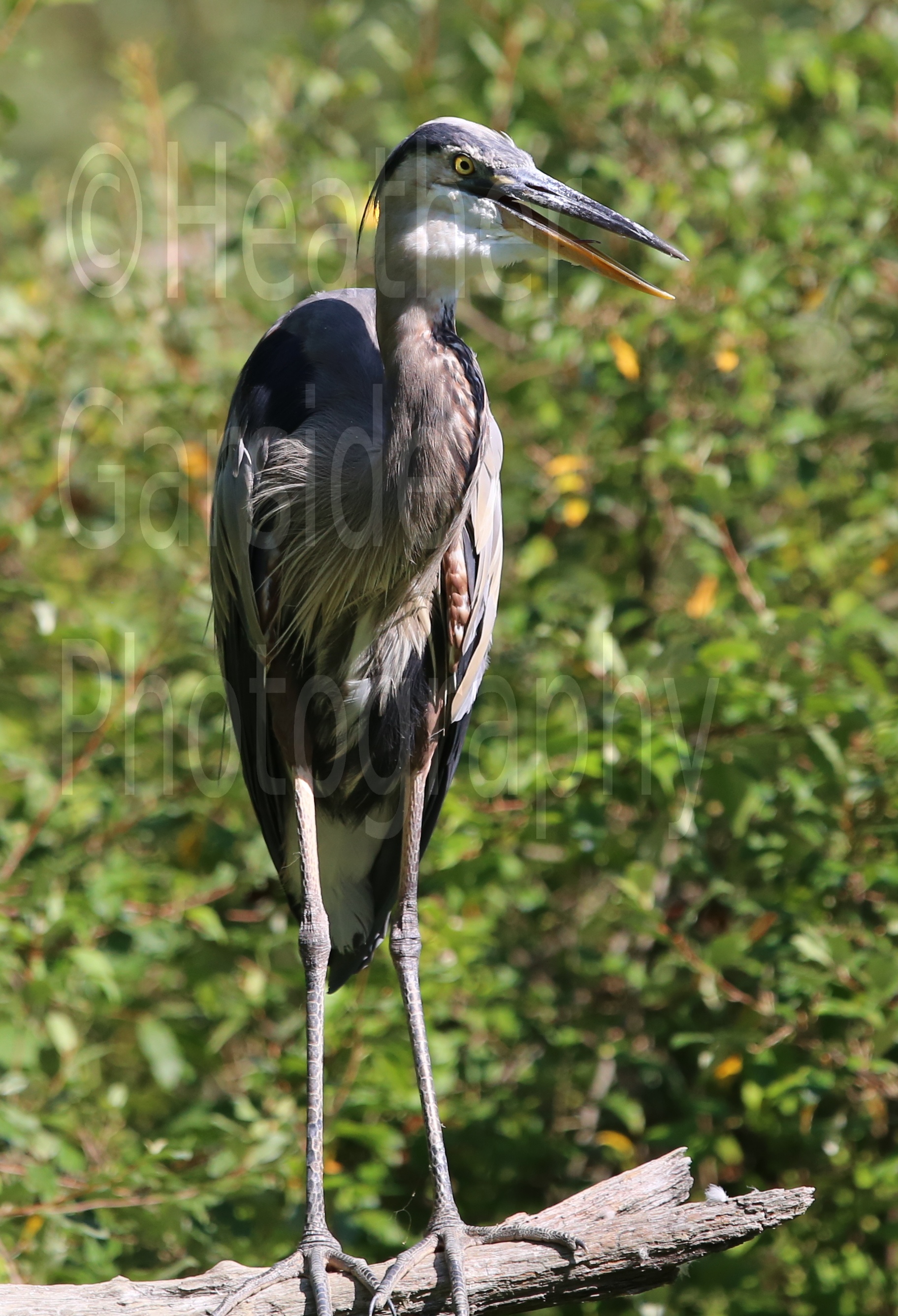
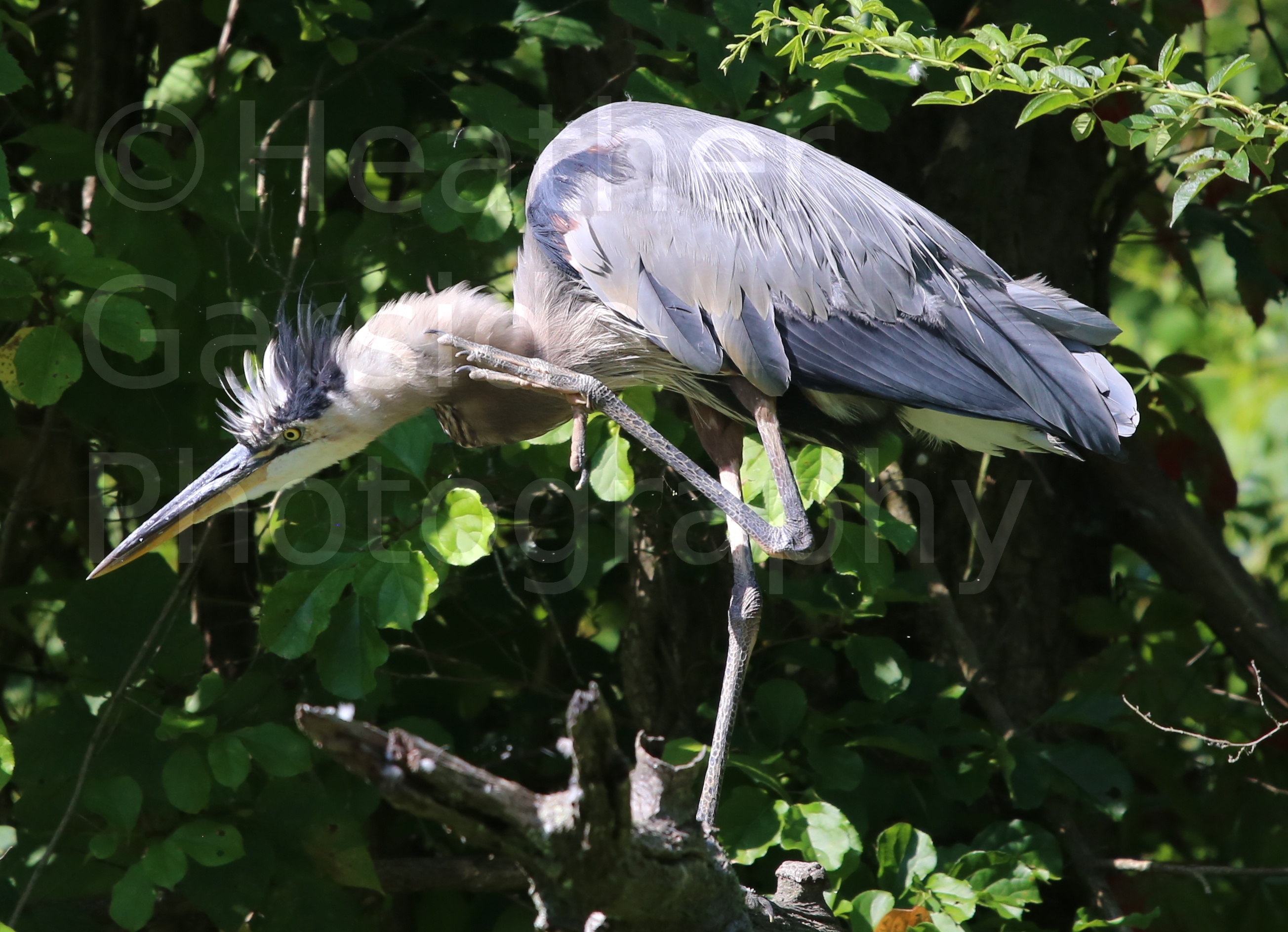
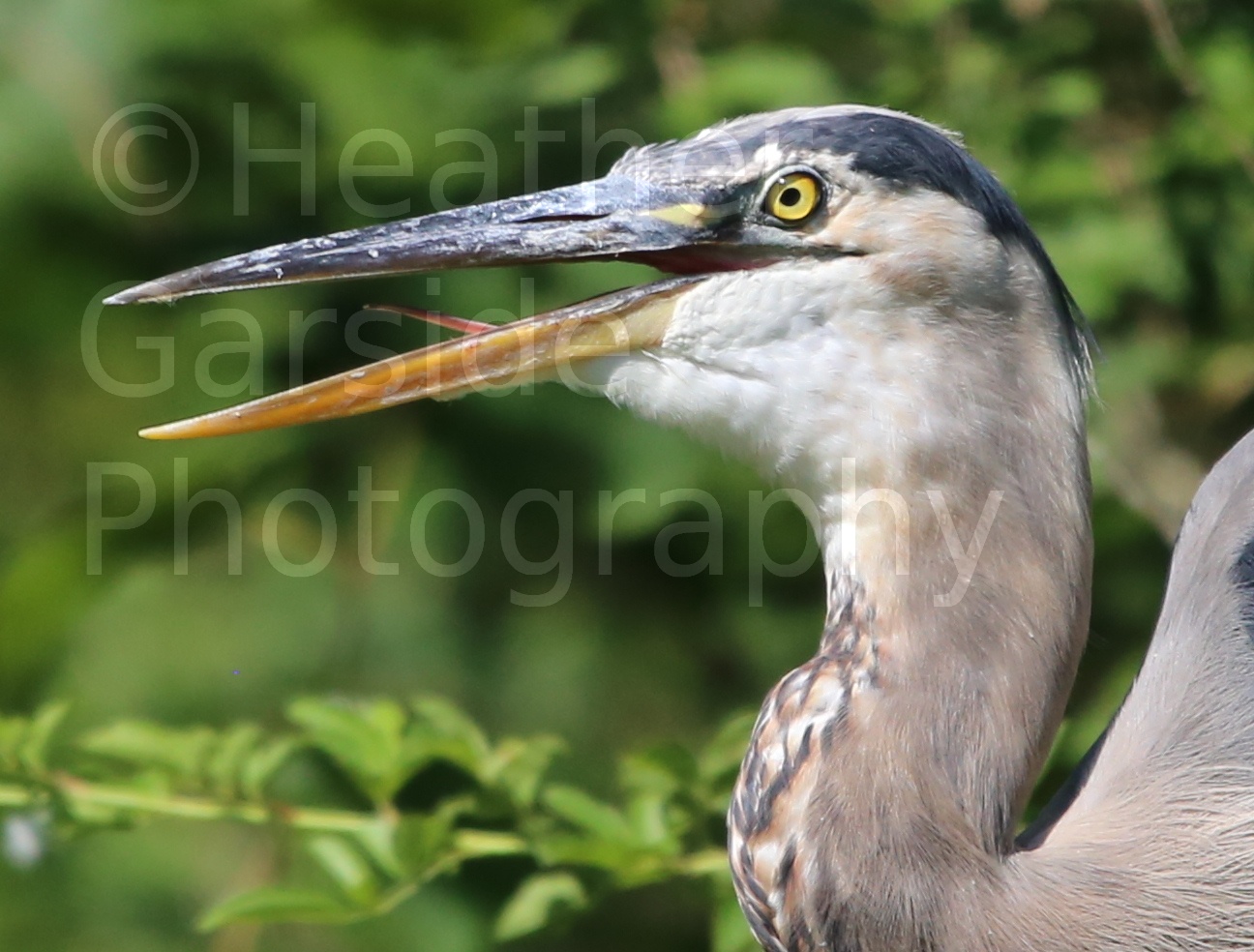
Little did I know, Cuyahoga had much more in store for me. I decided to divert from the trail and have a closer look at the lock, which is when I noticed my second great surprise. A Great Blue Heron, perched in a tree. It didn’t seem remotely bothered by my presence but just kept on preening and scratching its head. It seemed particularly itching and I had to wait a while before it settled down for me to get some full body photos.
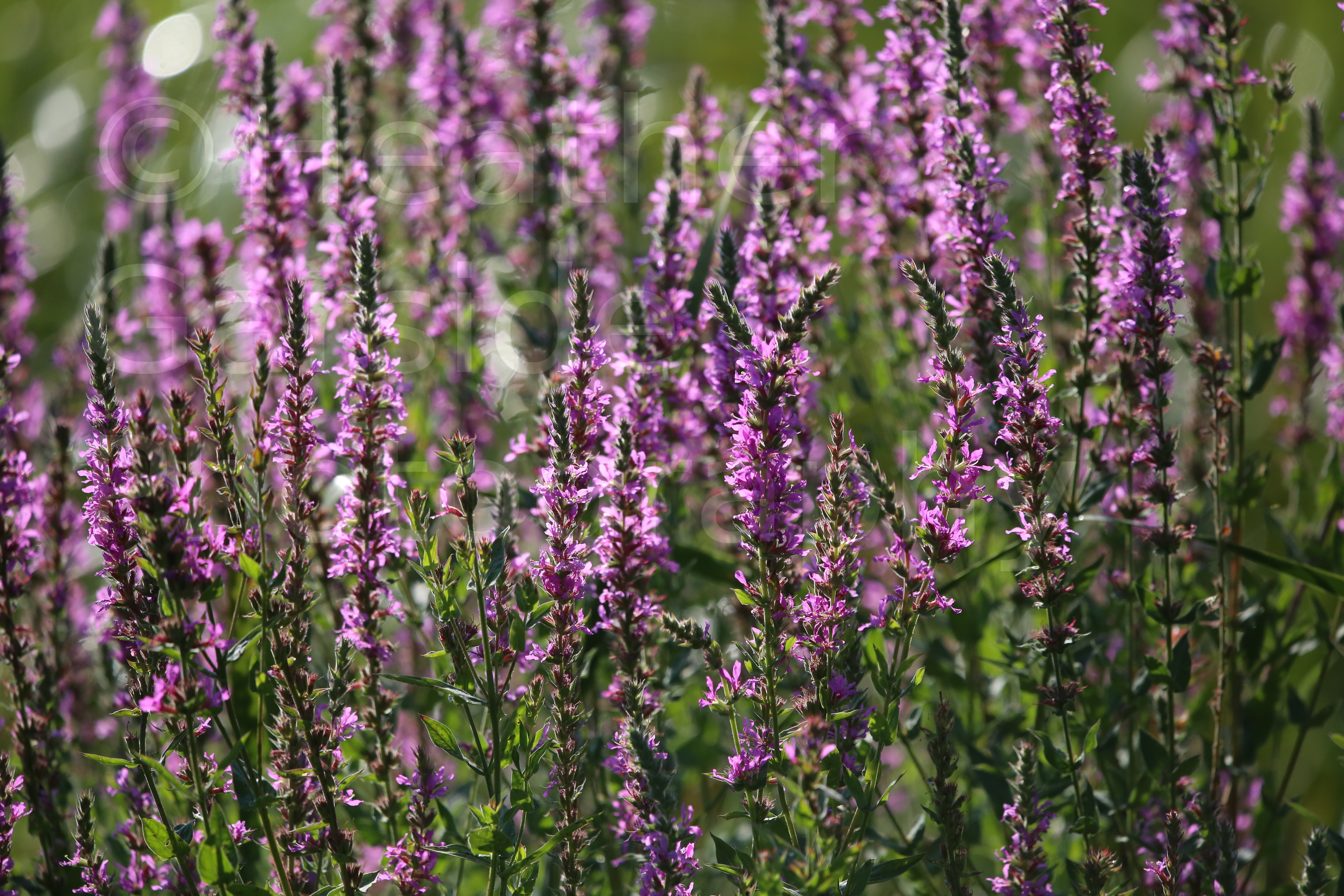
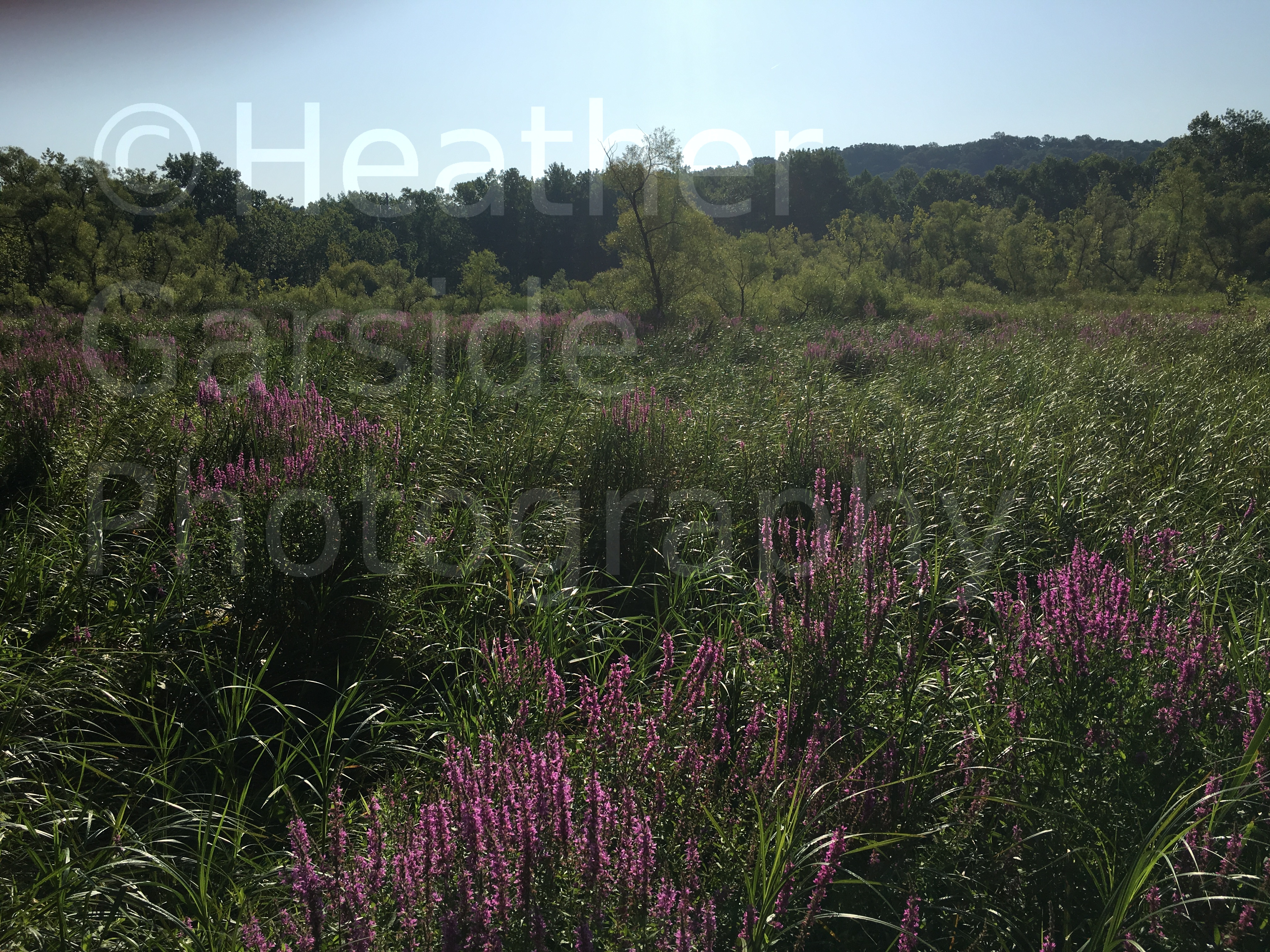
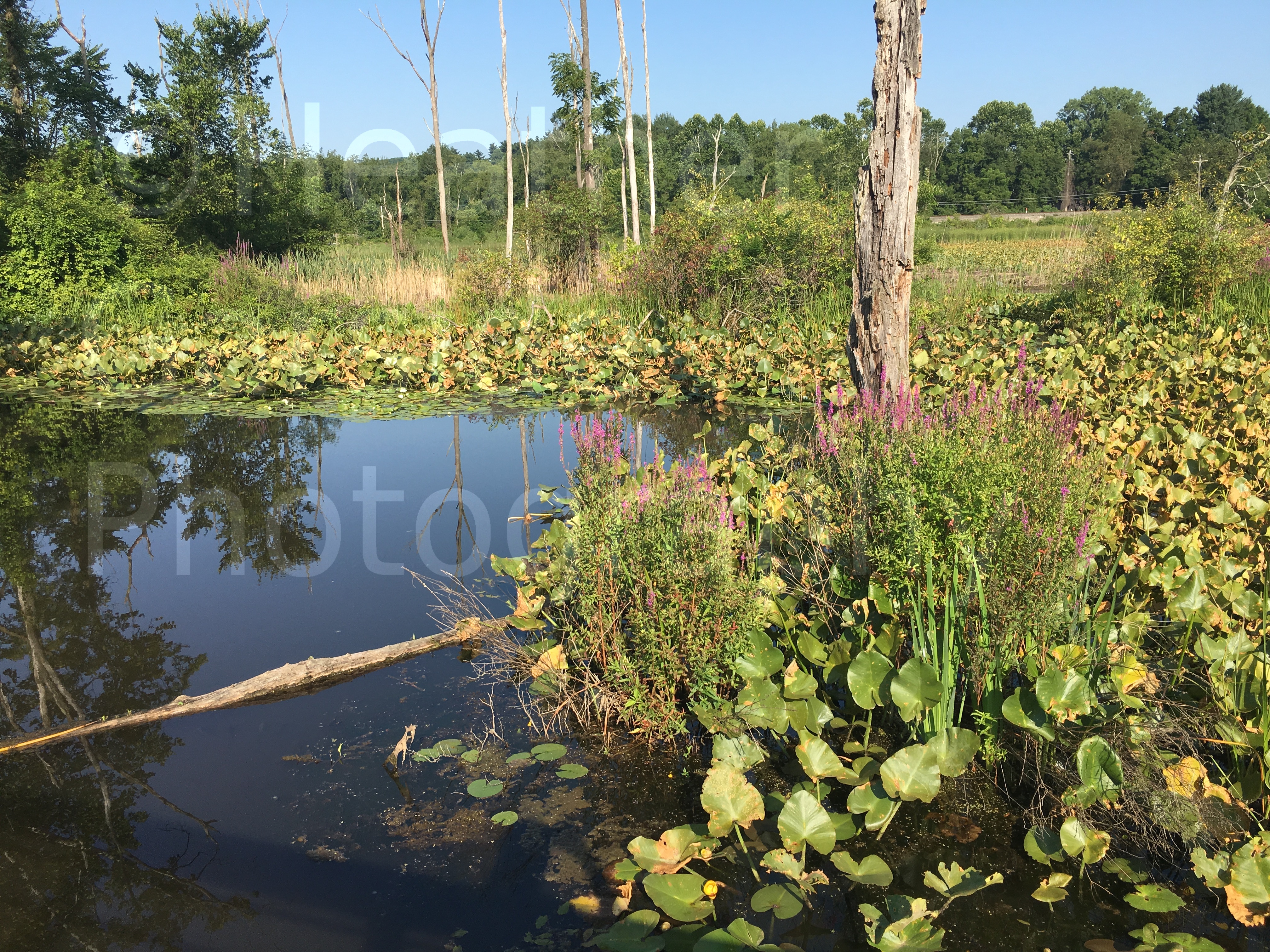
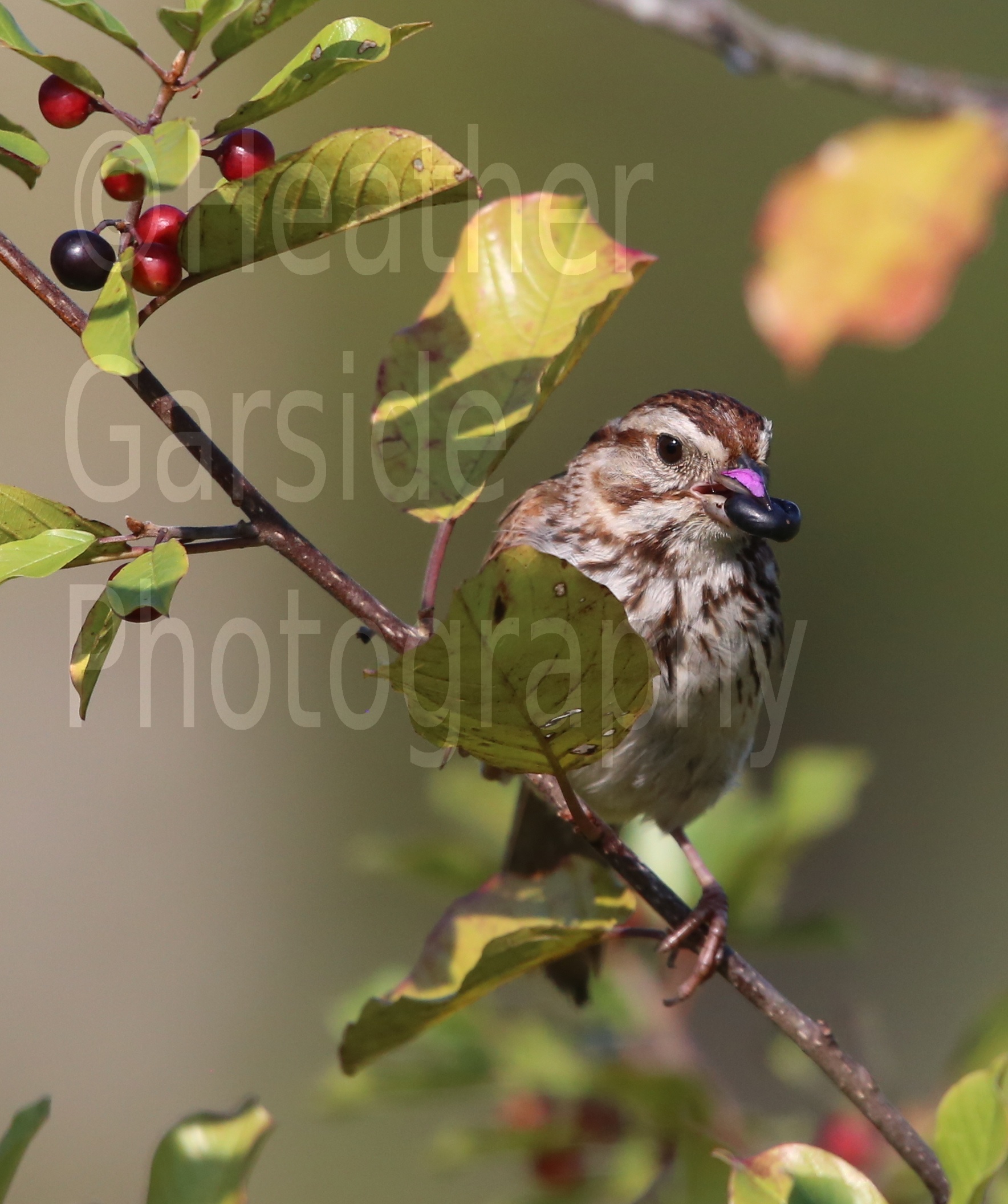
Next I walked out onto the boardwalk and was dazzled by the purple flowers growing in the marsh. Everything was green and purple. White water lilies with glowing yellow centers dotted the water. The air above the water was buzzing with activity as a colony of Tree Swallows flew overhead, swooping down on unsuspecting insects. A pretty gluttonous Song Sparrow landed on a bush full of berries. It hopped from branch to branch scoffing down the blue-purples spheres with great vigor. The only evidence of his over indulgence was some berry remnants stuck to the outside of his beak. The Marsh viewing area was pretty crowded, so I didn’t hang around too long, hoping to get ahead of the crowd and check the Marsh out on my way back to the car.
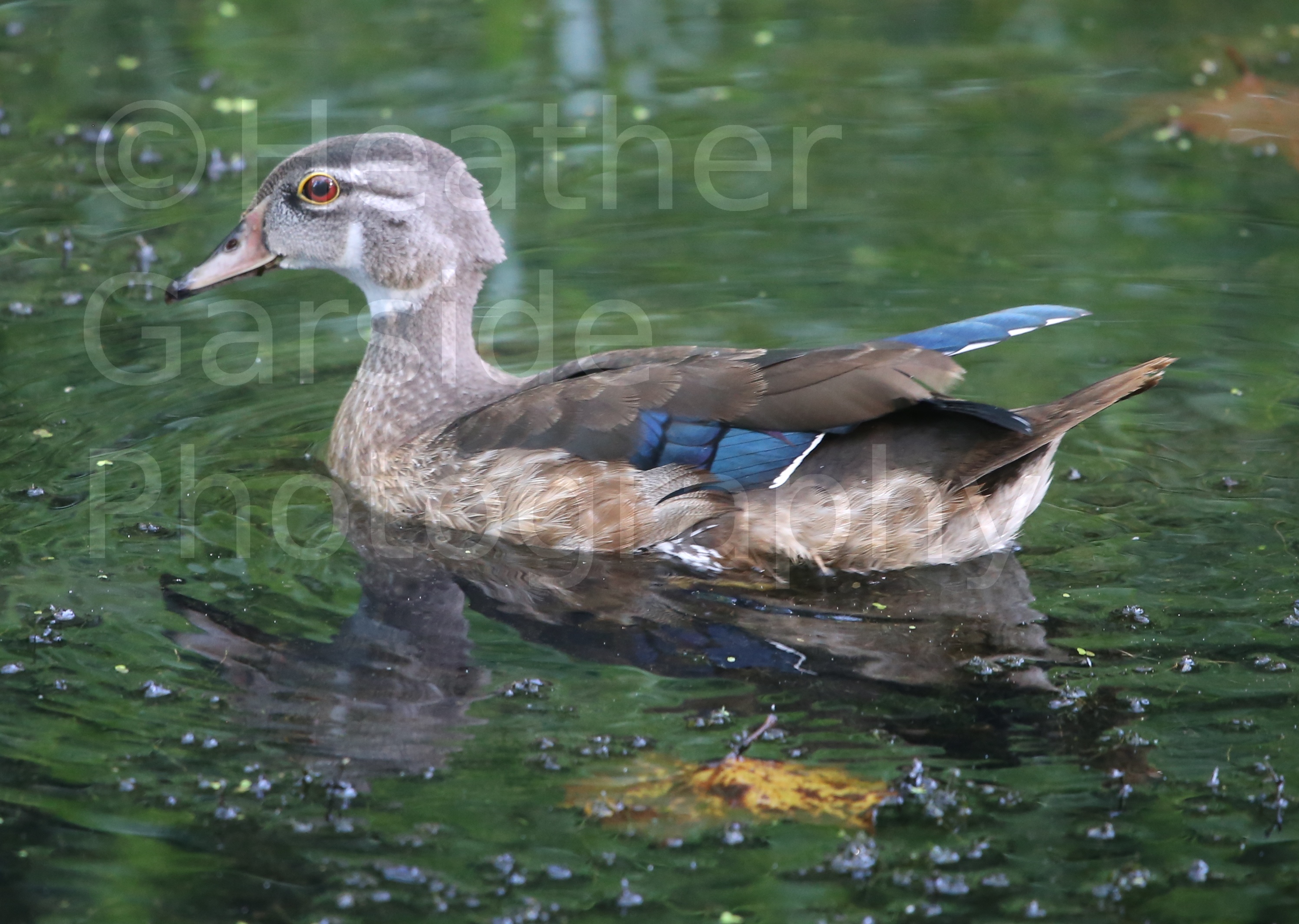
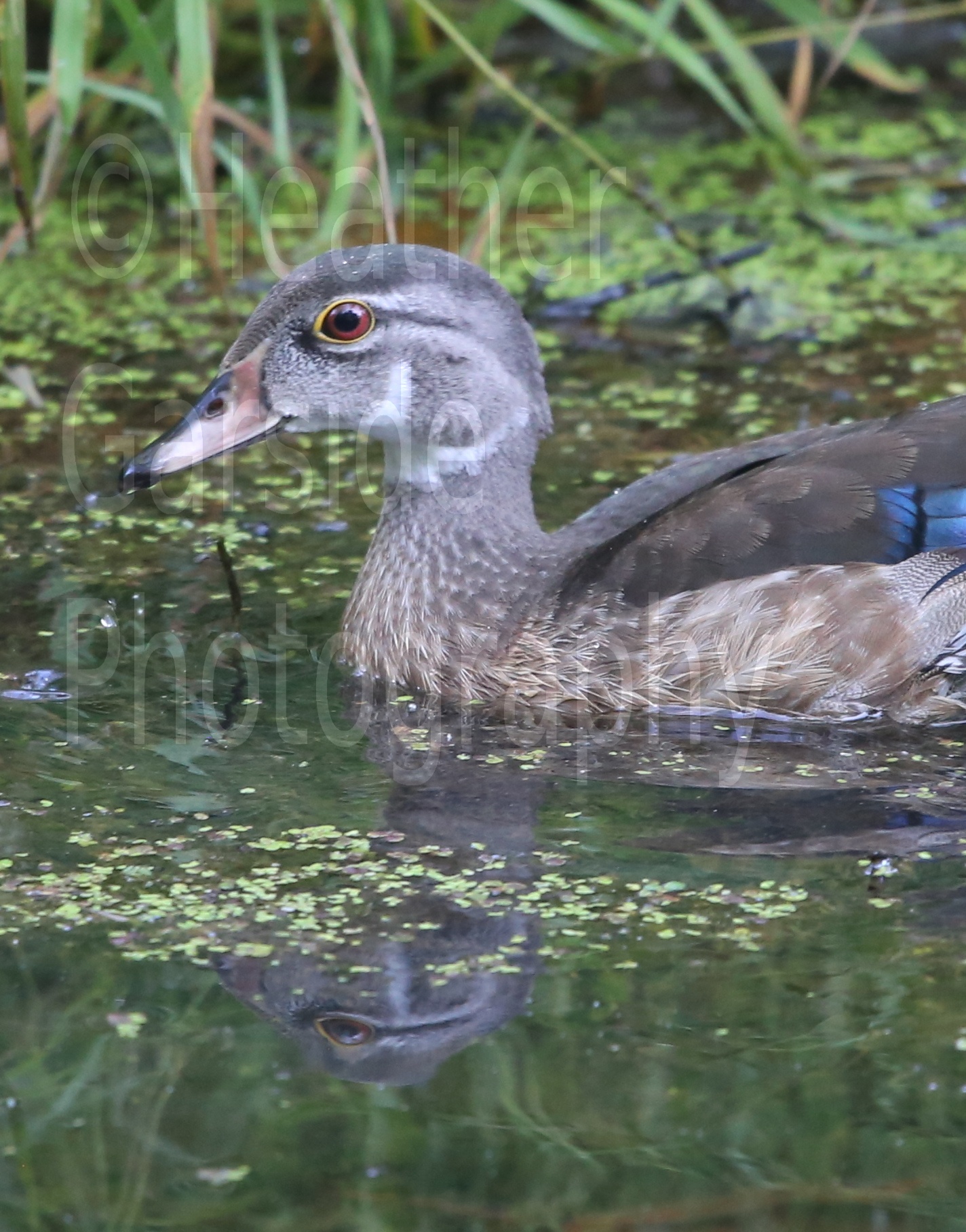
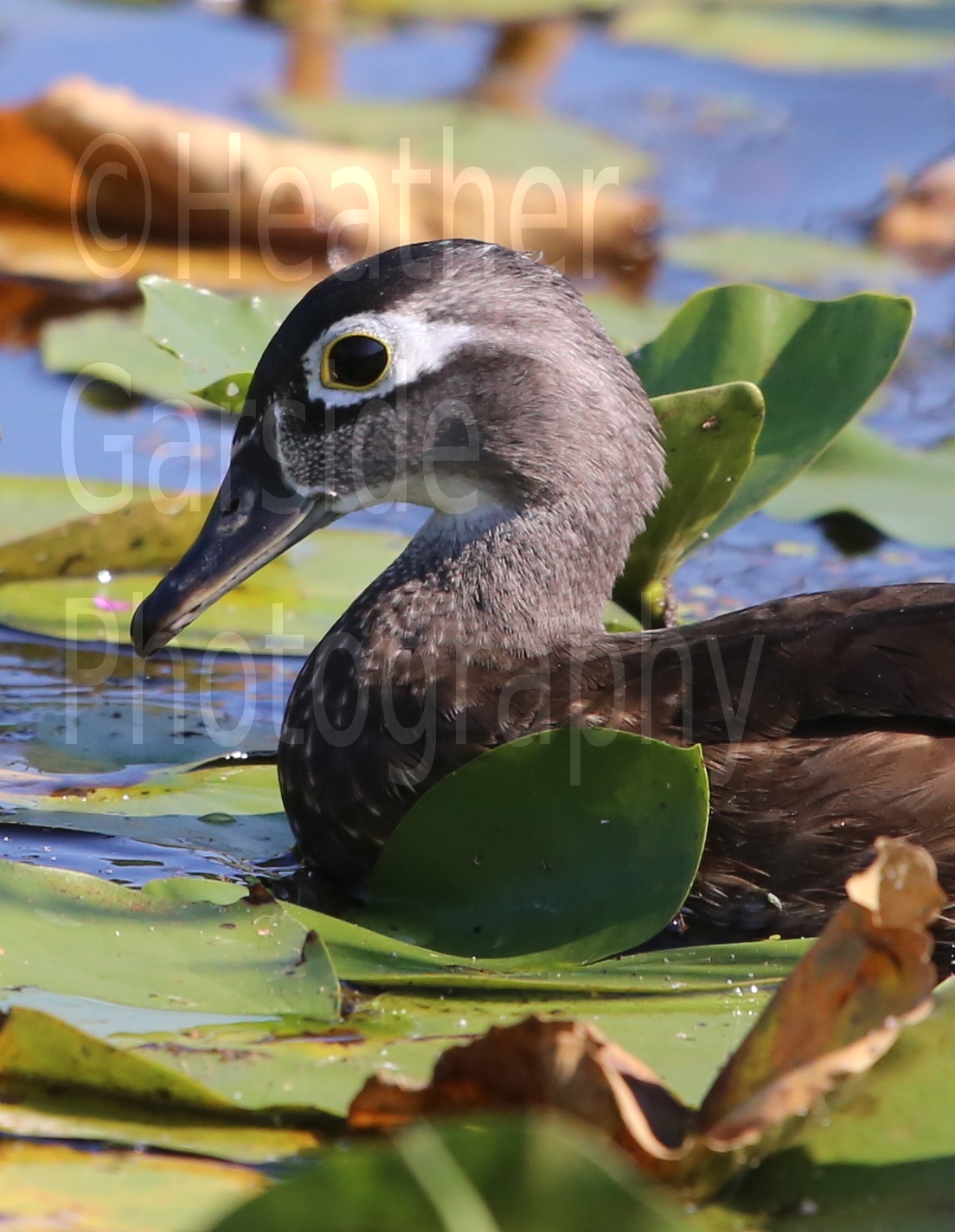
As I made my way from the Marsh, the stream went back to a small
meandering vein flowing ever so slightly. Another Wood Duck appeared,
this one slowing swimming against the meager current. This duck
struck me odd. It felt different from the first Wood Duck I had just
seen, but it took me a moment to put my finger on it. While the
plumage was similar in coloring, the eyes were different. This ducks
eyes were blood red. What I had before me was a male Wood Duck
showing his non-breeding plumage. Like several other types of ducks,
the male Wood Duck molts his green head feathers after he has
successfully attracted a mate. Presumably the brown head allows for
better camouflage during the rest of the year.
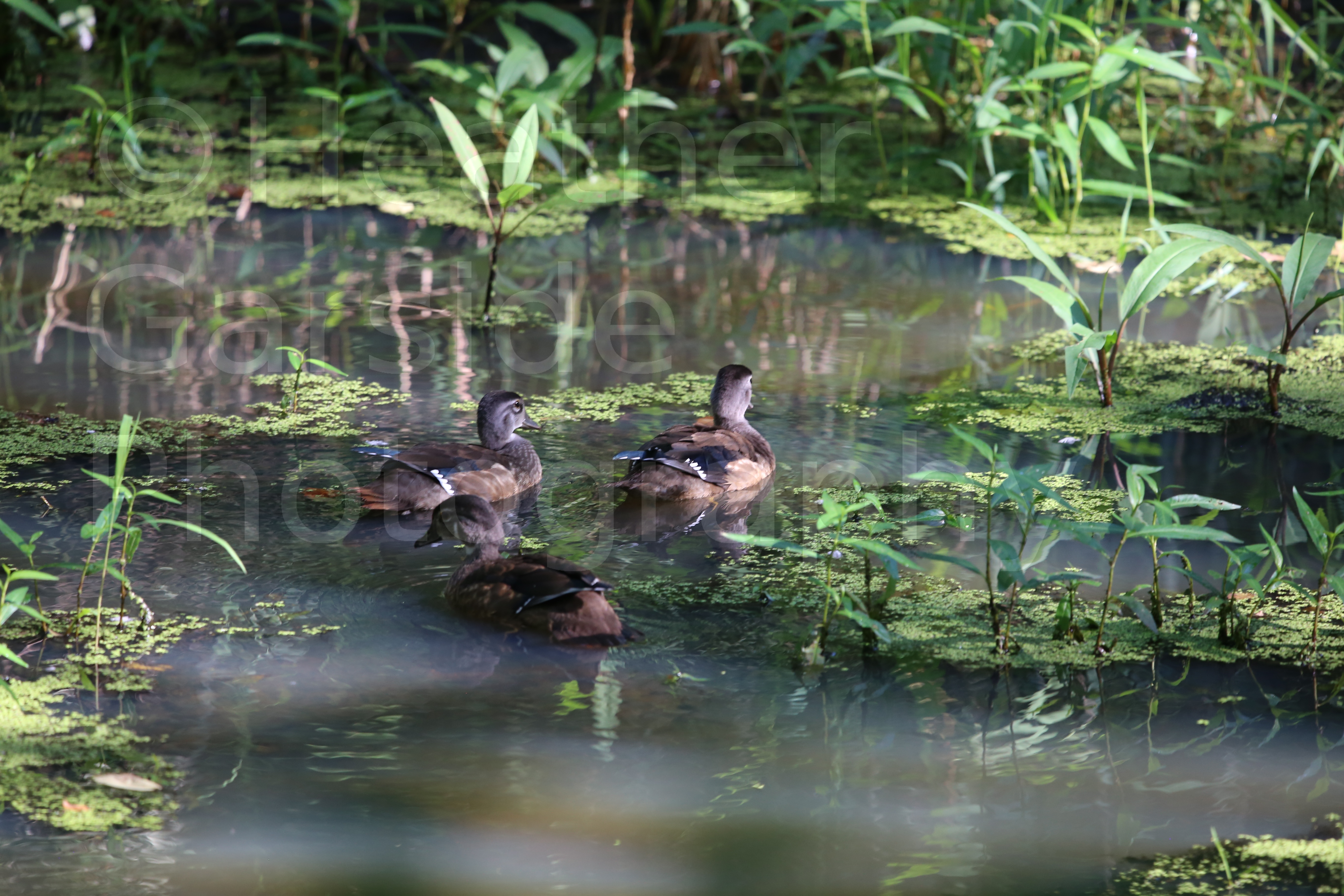
Only a bit further downstream I encountered still more Wood Ducks.
This time it was three juveniles hanging out together. They were
still a little fuzzy, a telling sign of their age and their overall
behavior seemed more hesitant. They swam for a bit before setting on
a log together.
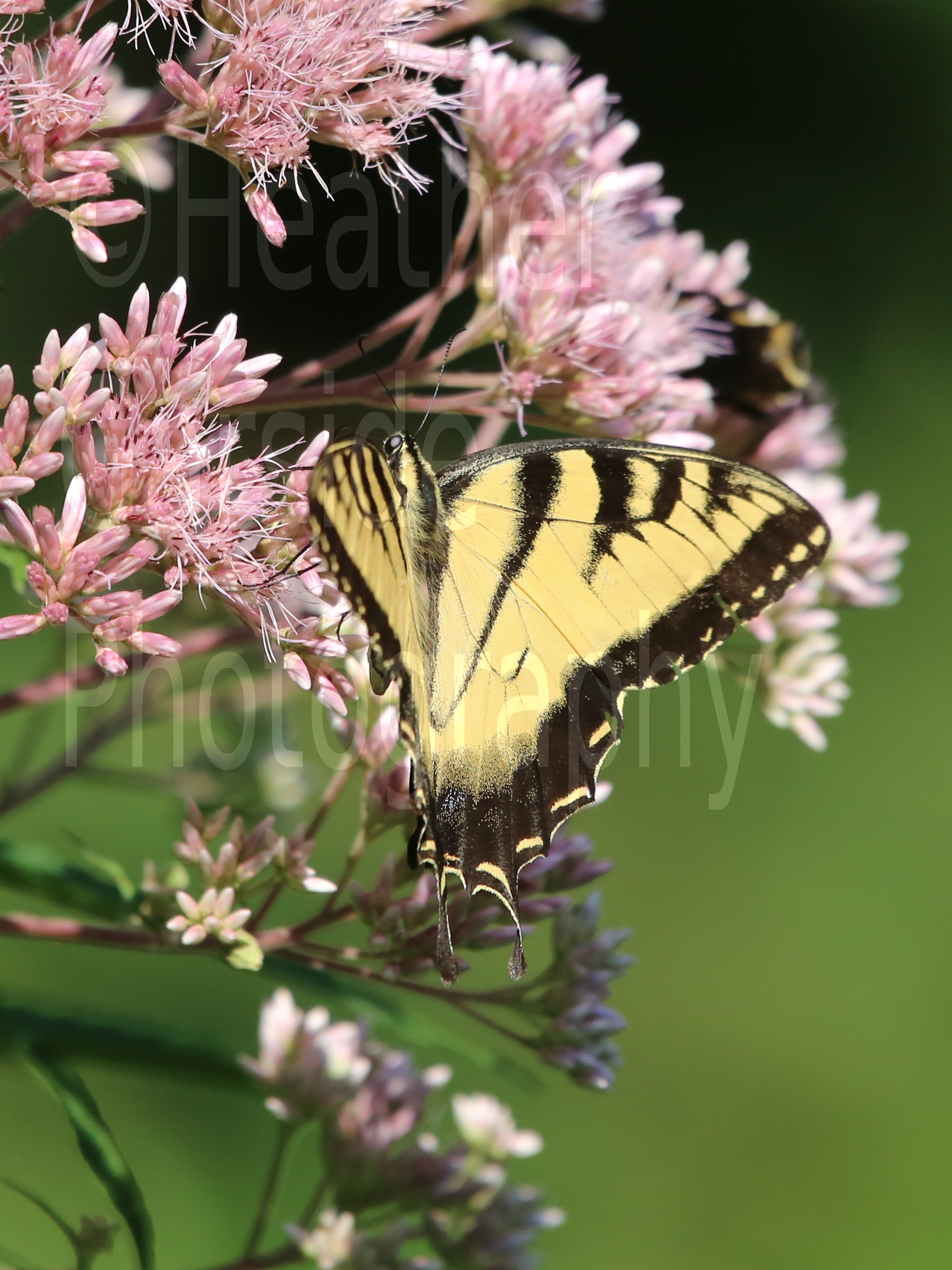
After the group of juvenile Wood Ducks the Towpath leaves the stream behind for a bit and is wooded on both sides. The air was punctuated by the calls of Catbirds and Blue Jays, but it was a different kind of wings that attracted me. Several moths and butterflies fluttered around, feeding off the nectar of various plants that grew along the side of the path. An Eastern Tiger Swallowtail was so focused on nectar extraction that it stopped moving its wings long enough for me to get some nice photographs. A rare opportunity as butterflies, like hummingbirds, seem unable to hold themselves still but are just bursting with energy and the need for flight.
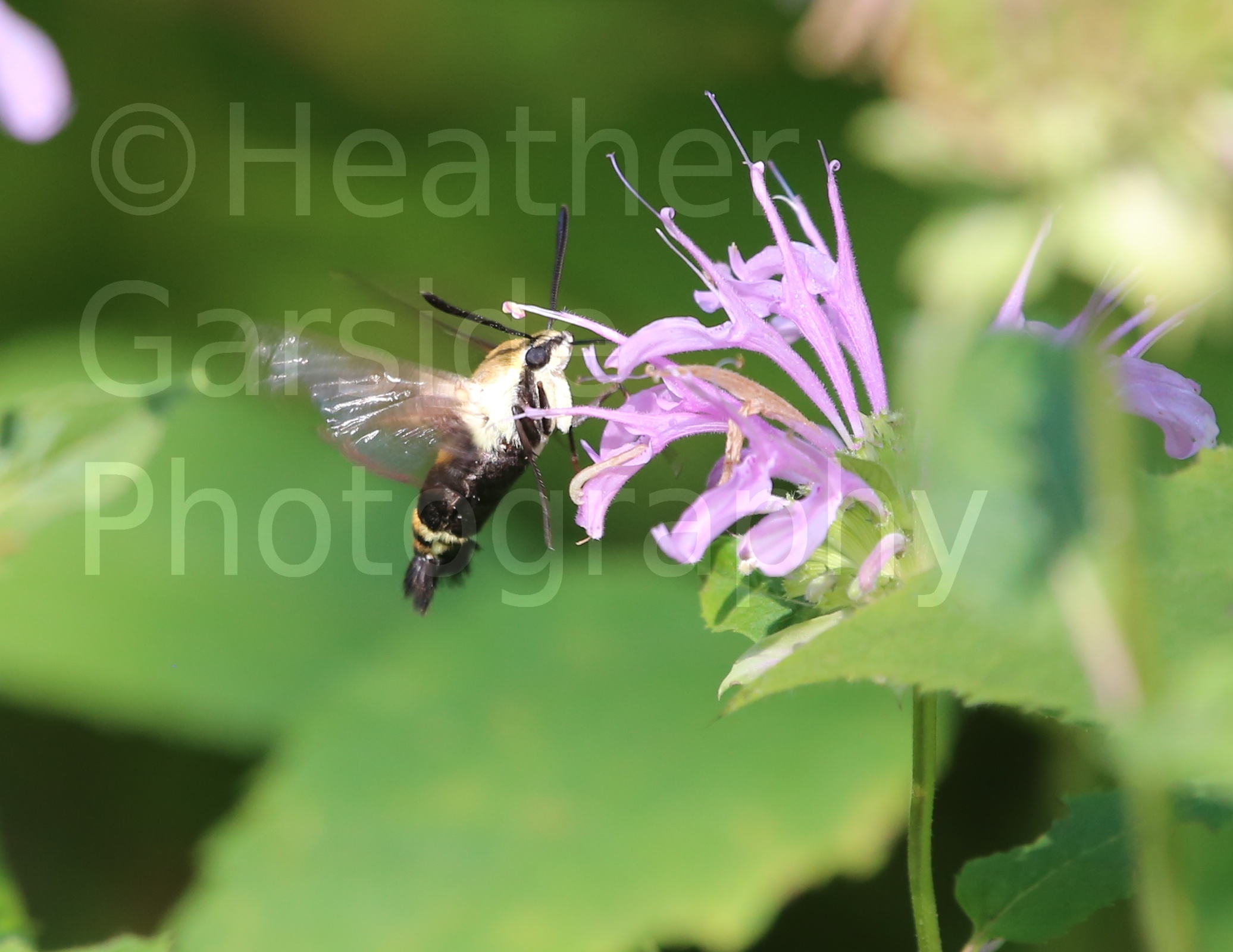
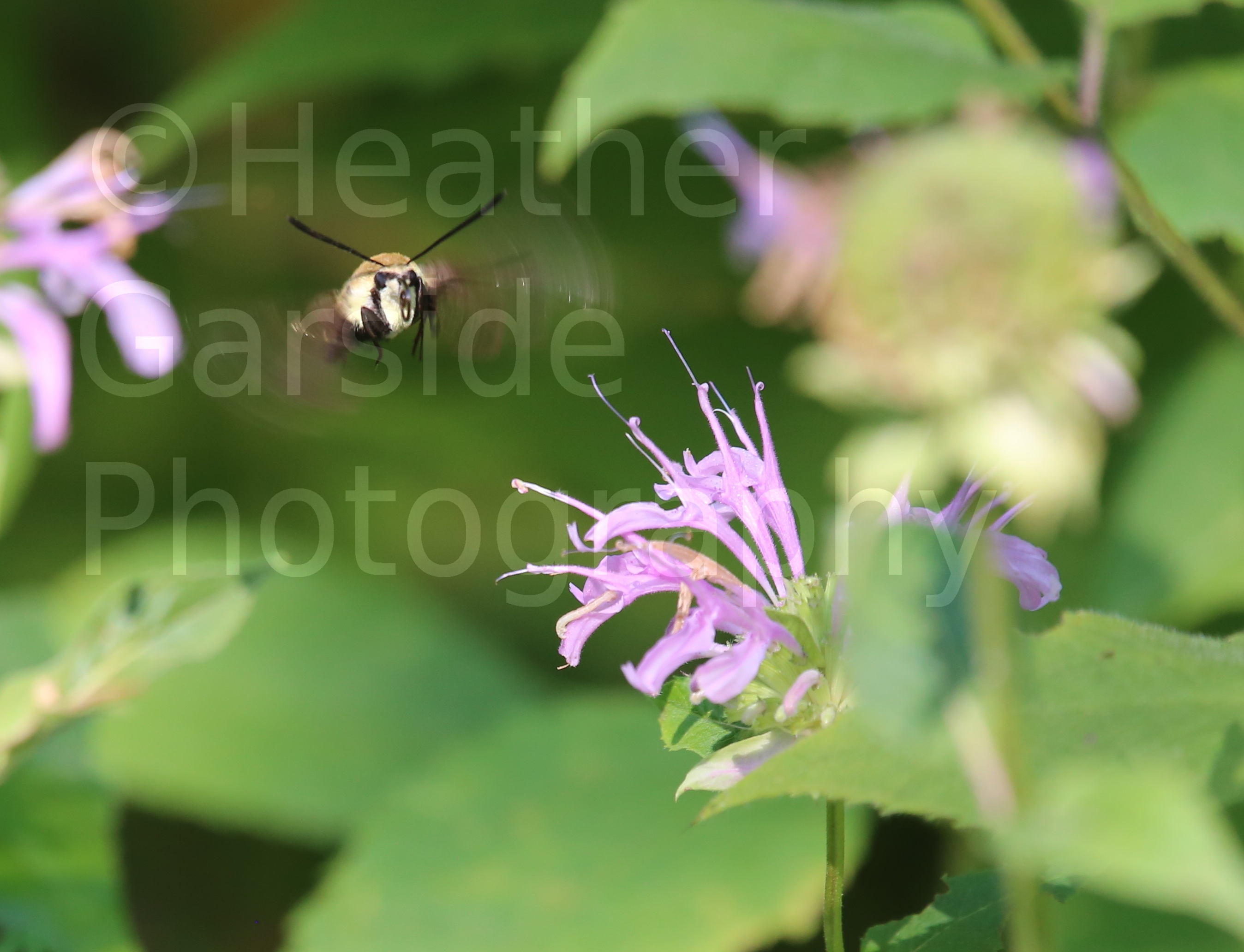
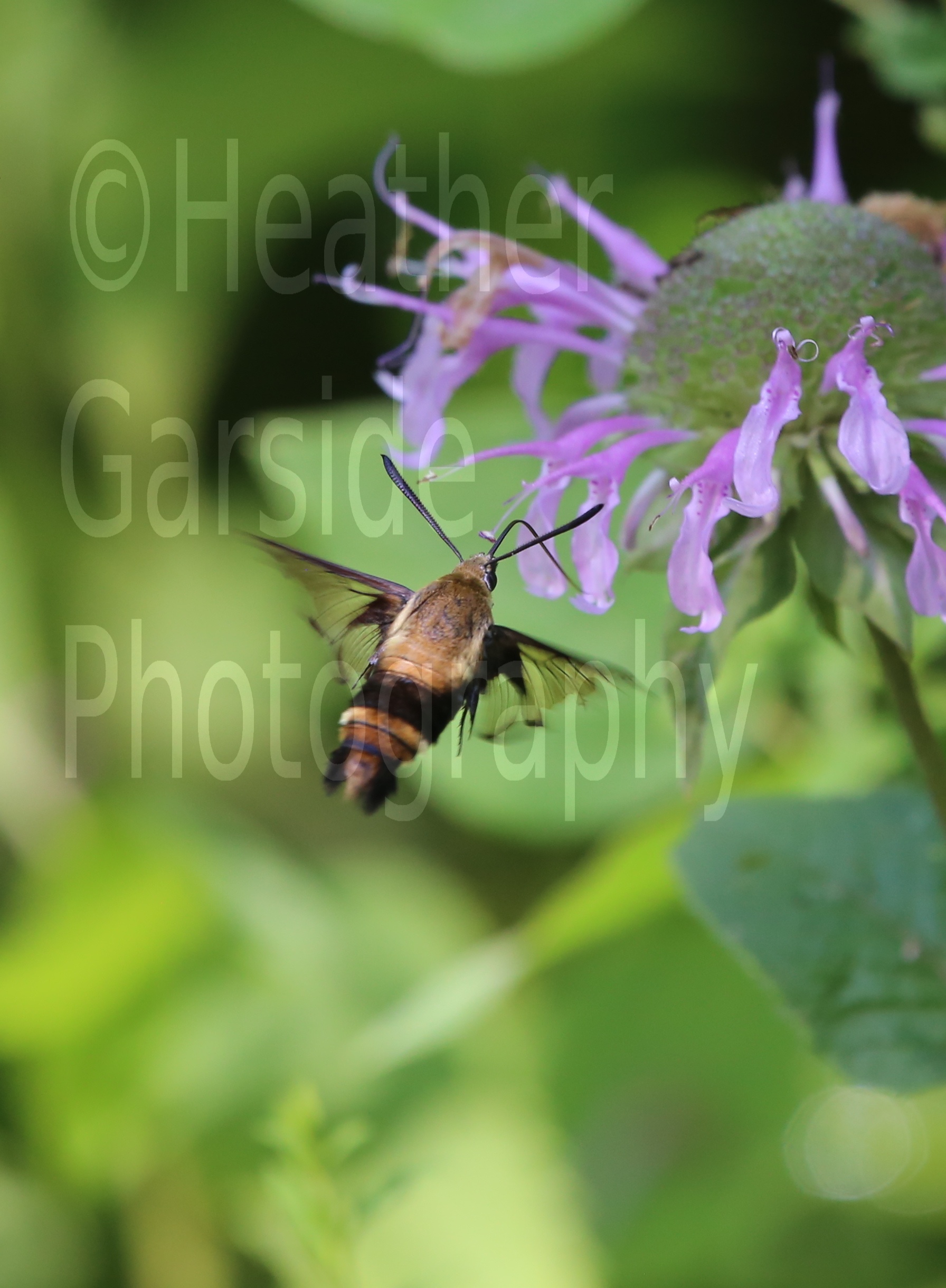
Speaking of hummingbirds, I also managed to spot and take a few
photographs of the Hummingbird Moth, a fascinating creature. As you
might expect, the Hummingbird Moth behaves similarly to the
Hummingbird, fluttering its wings to hover in the air over a flower
from which it drinks with its extended tongue-like proboscis. There
are many varieties of Hummingbird Moths in the United States and it
was really great to see one in action up close.
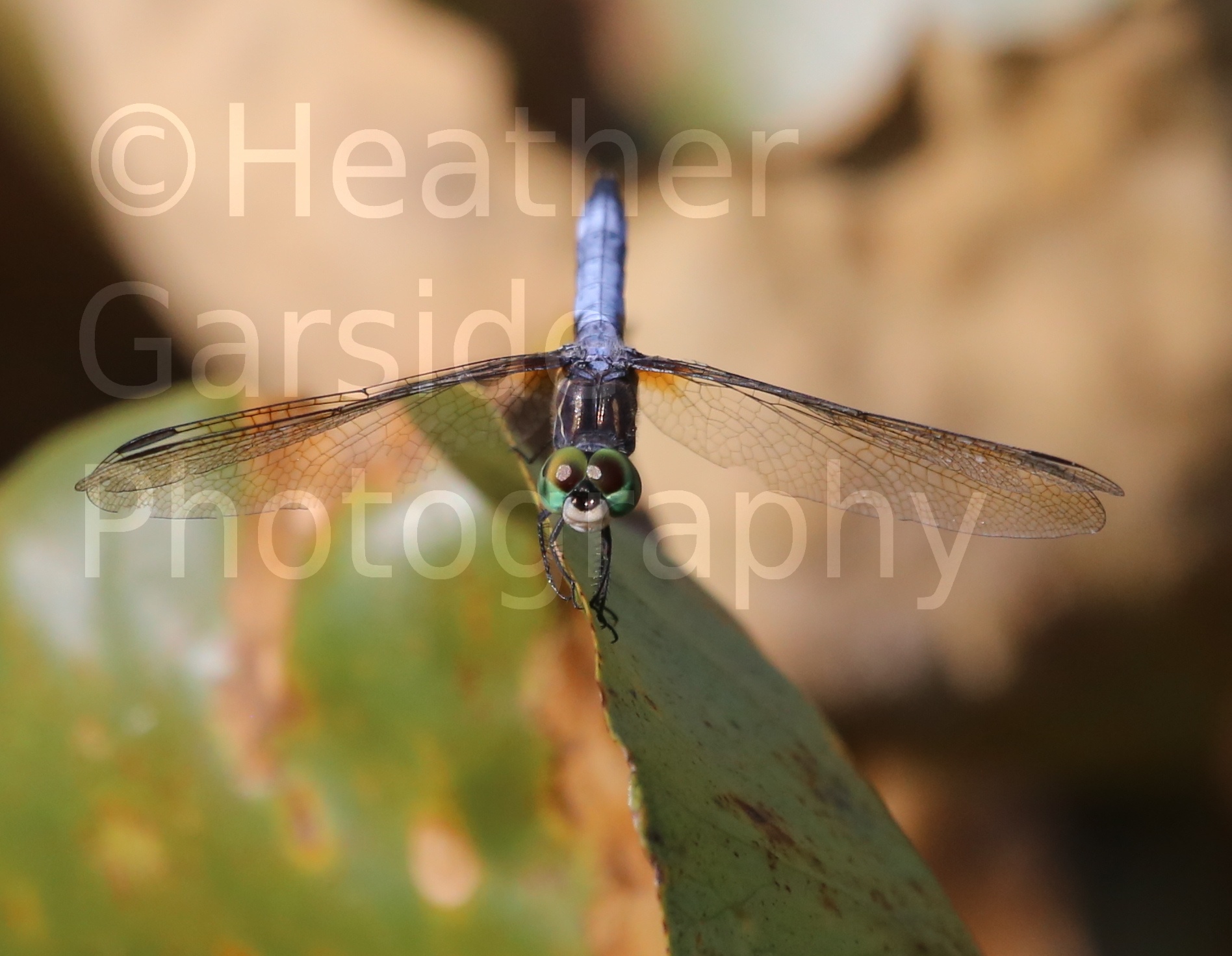
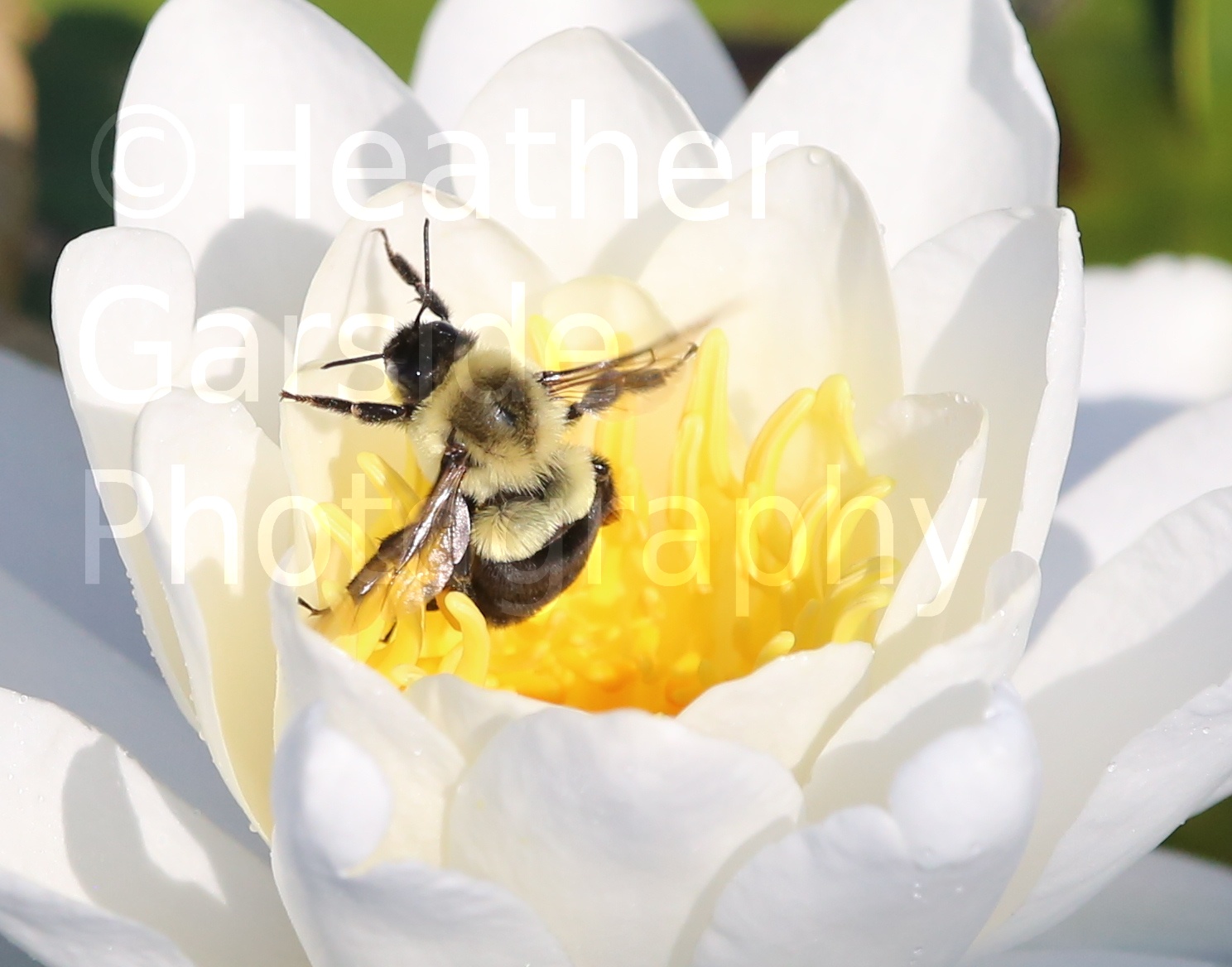
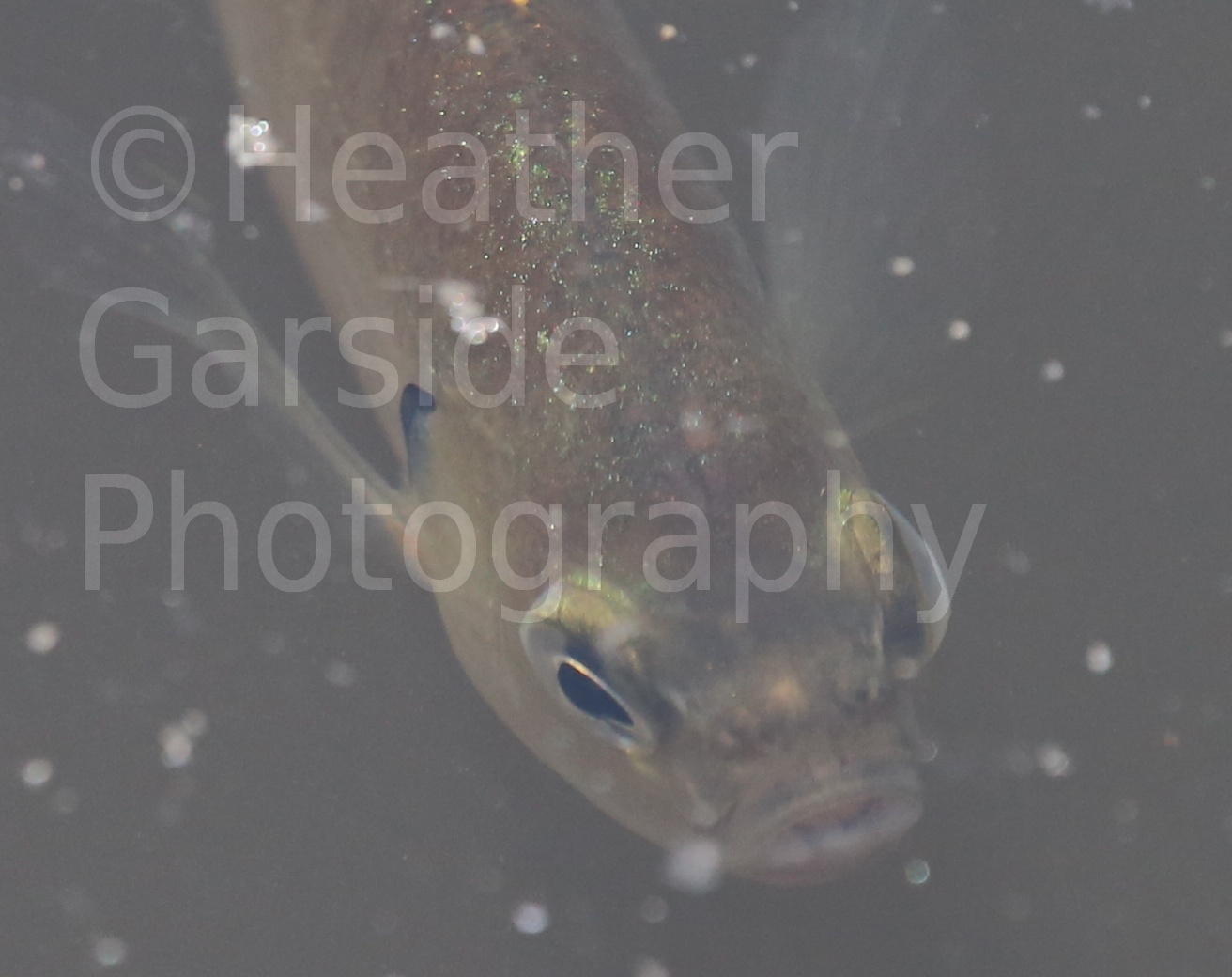
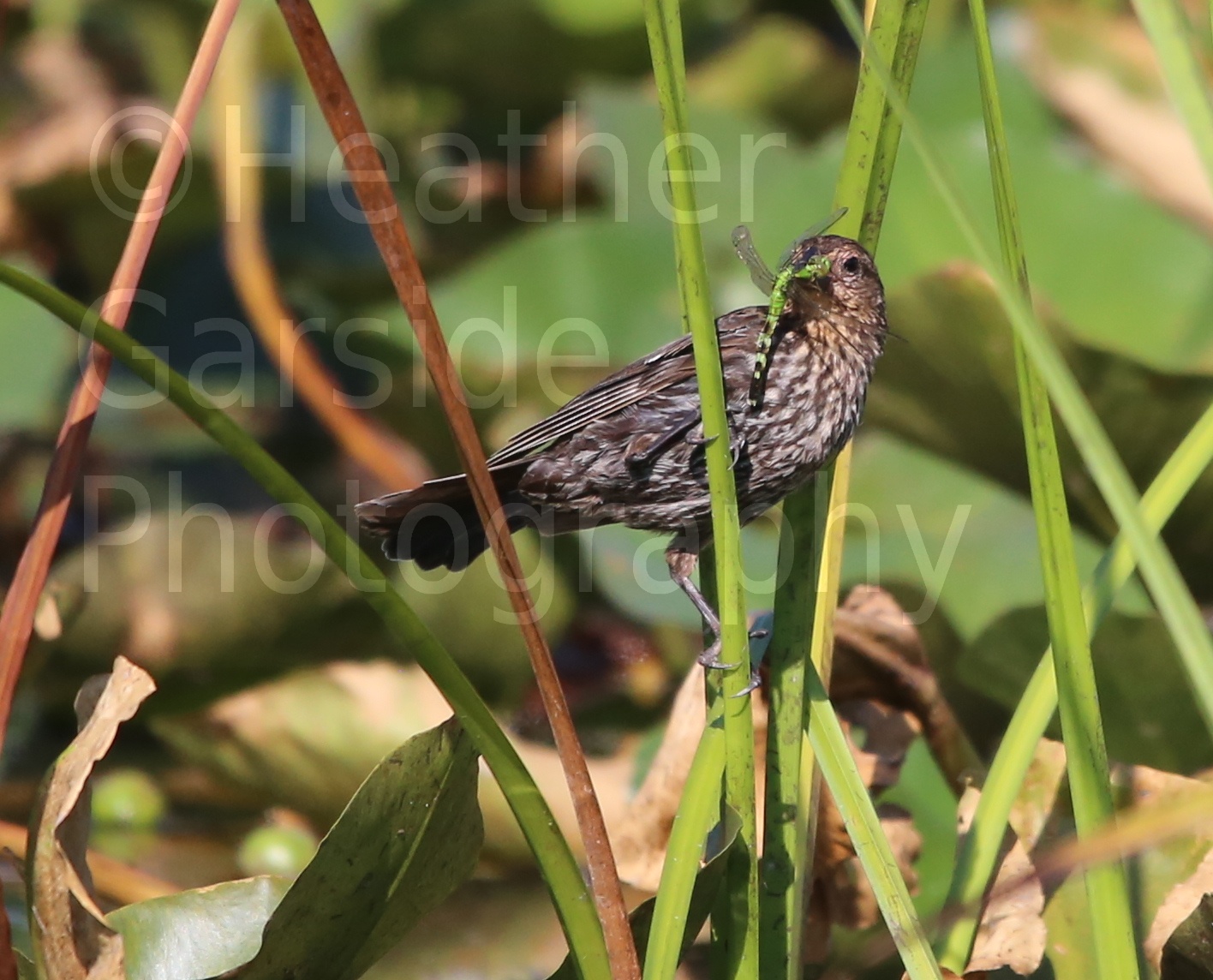
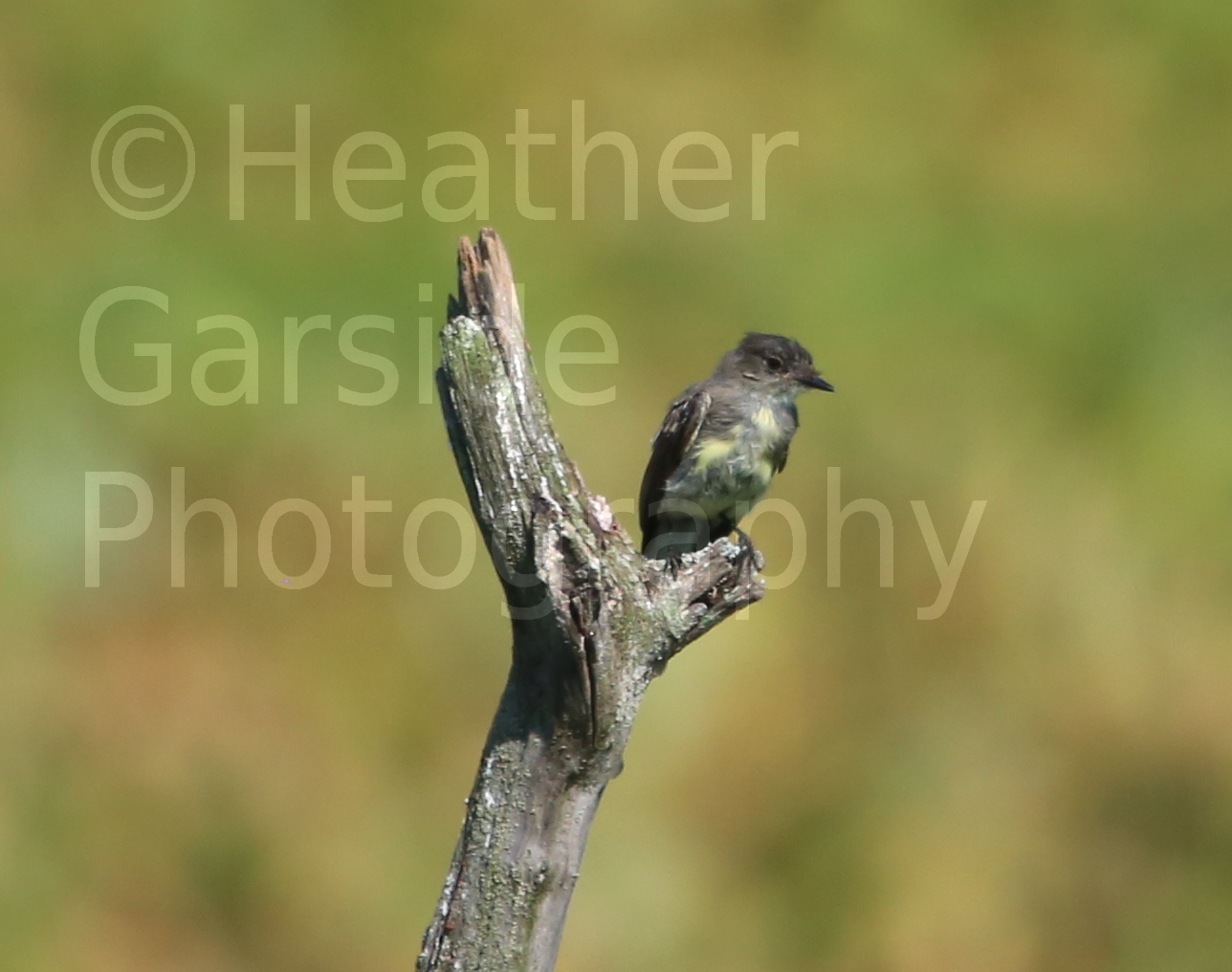
At this point in my walk I turned around and headed back to the boardwalk. As I had hoped, the crowds had all moved on and the space was pretty empty. I settled down along the rail at a good vantage point and scanned the water. Snapping turtles are among the wildlife I have seen here before, and I could hear frogs, so I was trying to notice any and all movement. A pair of Wood Ducks slowly swam among the lily-pads, searching for a nice snack under the leaves. In the relative silence, the buzzing of blue dragonflies created an audible current in the air. One of the dragonflies met a sad end and became dinner for a hungry female Red-winged Blackbird. The water lilies also humming with bees, busy pollinating. The fish were remaining pretty still, trying not to attract any attention as they waited just below the surface. Only their bubbles gave them away. A lone fluffy flycatcher sat on the branch of a dead tree, waiting for the next insect to come within reach.
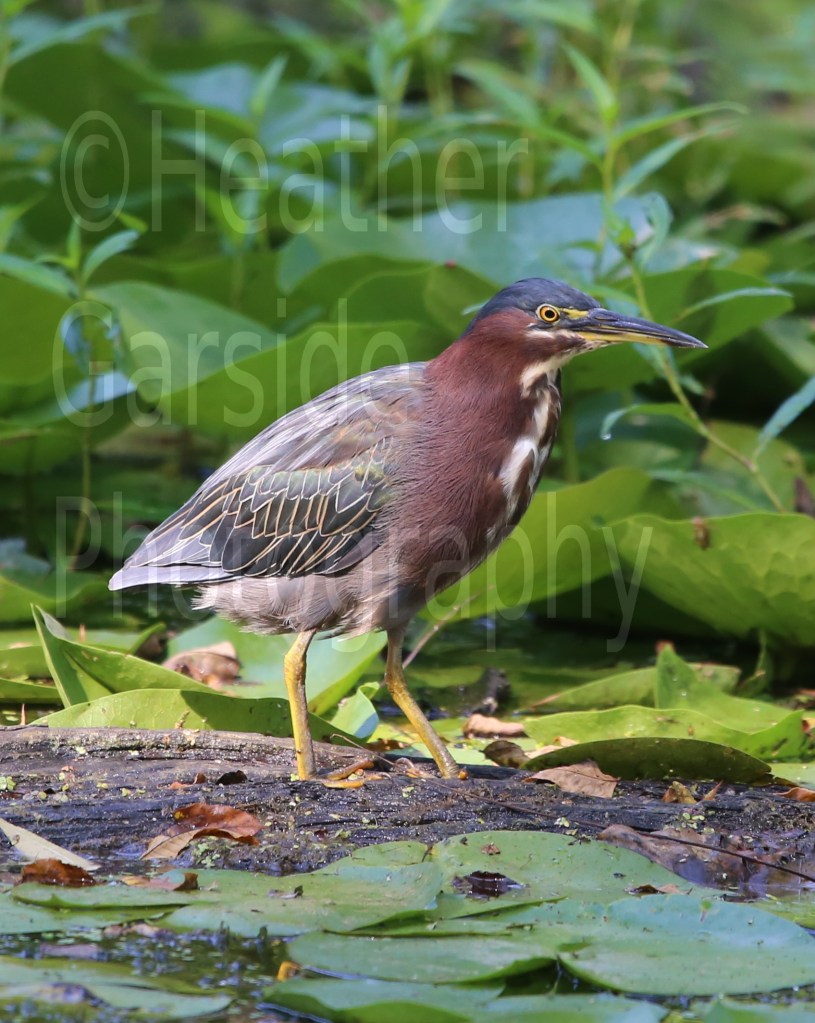
All too soon my time was up and I need to head back to my car and get on the road. It had been a great morning, so it was only with a tinge of regret that I pulled myself away from the railing and headed back to the towpath. But Cuyahoga Valley had one last surprise. Just beyond the lock and almost back to the parking lot, I noticed a Green Heron, slowly and deliberately making its way through the mud. Shorter than the Great Blue Heron by almost thirty inches, the Green Heron’s size also helps it to blend in more subtly into its habitat. With that final sighting I headed back to my car, already thinking about when my next trip to Ohio would be.
Bird feeders are not all created equal. Any squirrel will tell you this. I have been through many, many feeders at this point, but even the better made, better quality feeders will fail eventually. This is especially true for those made of plastic. Any plastic, even good plastic, will eventually perish when exposed to the extreme cold of winter. There are those people who bring their feeders in during the winter. But you are possibly hurting the birds to save a feeder. Summer feeding is much less important to bird survival. They have other sources of food and they can forage more easily. In winter, especially in snow, that is much more difficult. And remember, many fledglings were taught that your feeder was a food source. They will expect that to remain the case through their first winter. If you want to bring your feeders in, start to wean the birds of their dependence in the late summer and early autumn. Fill your feeders less often, or with less seed. If you have multiple feeders, remove one at a time and allow the birds to adjust.
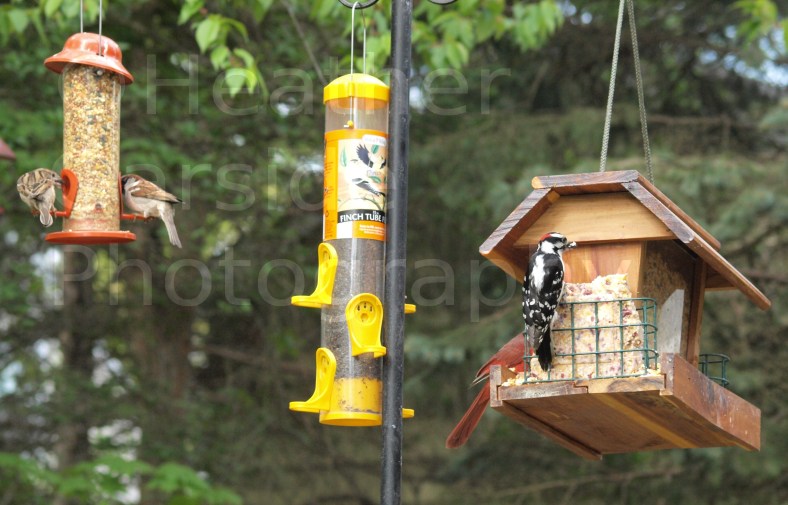
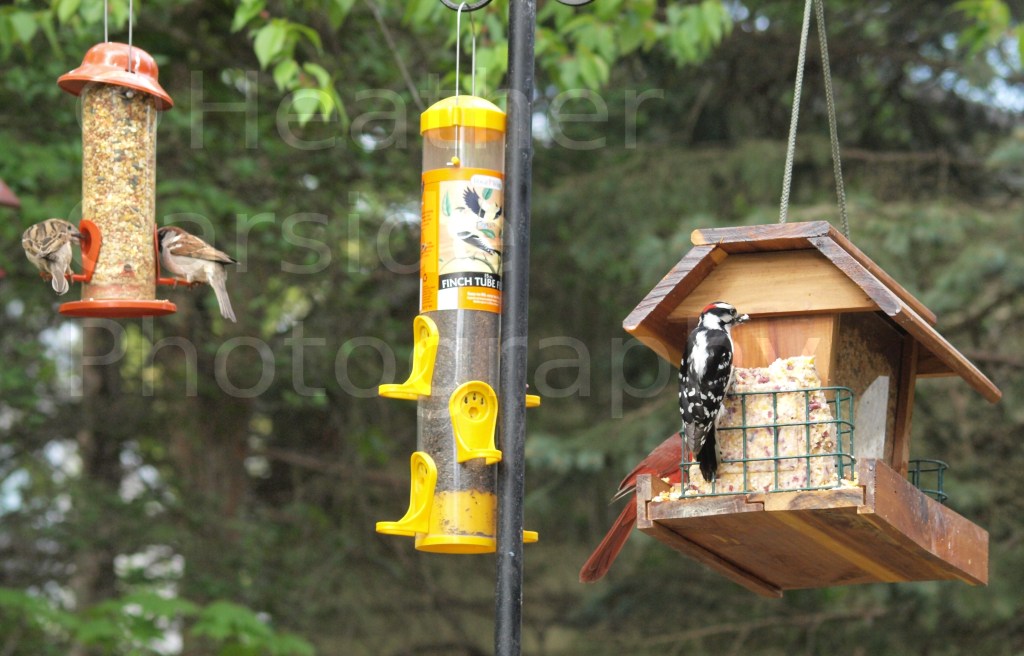
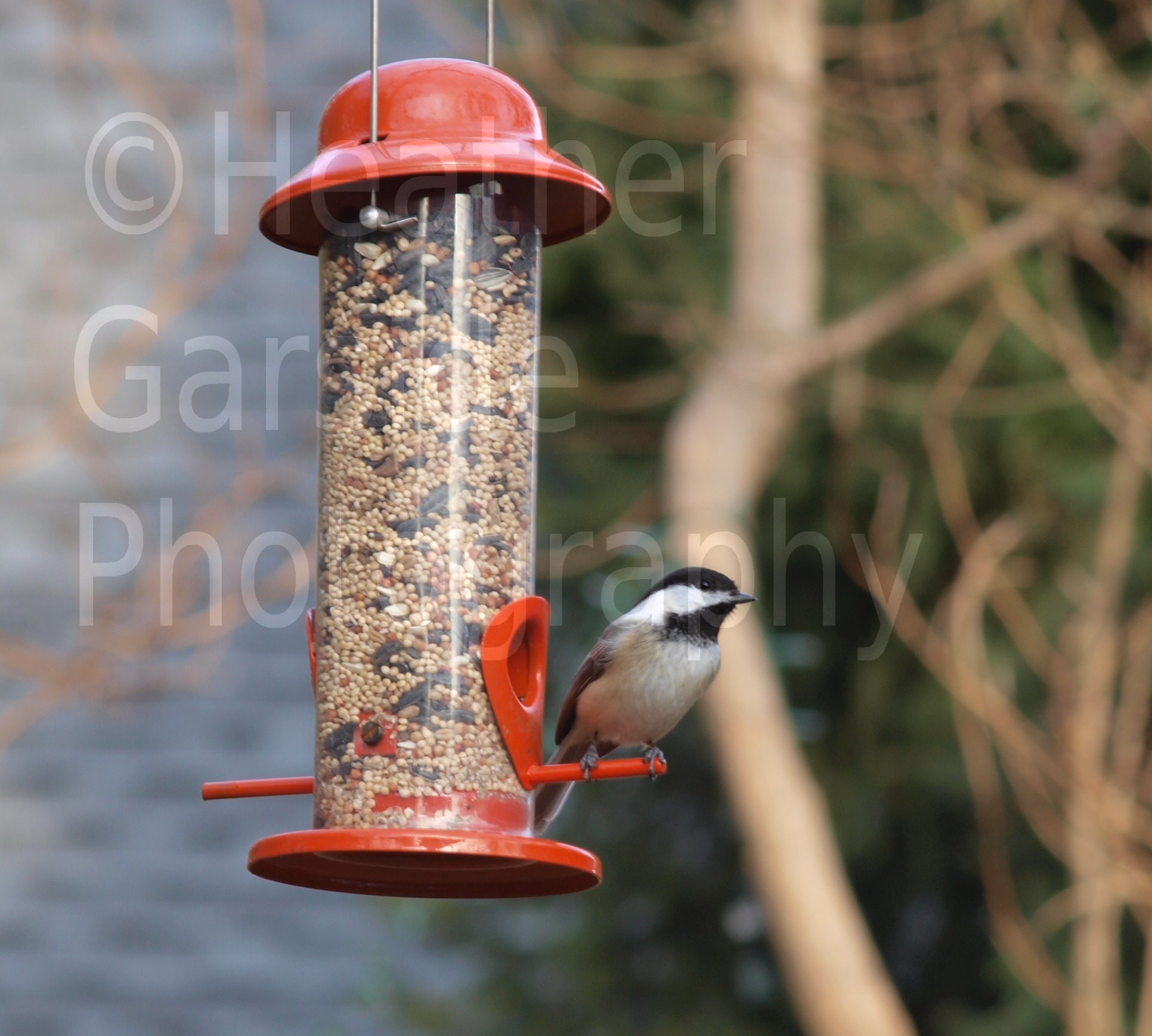
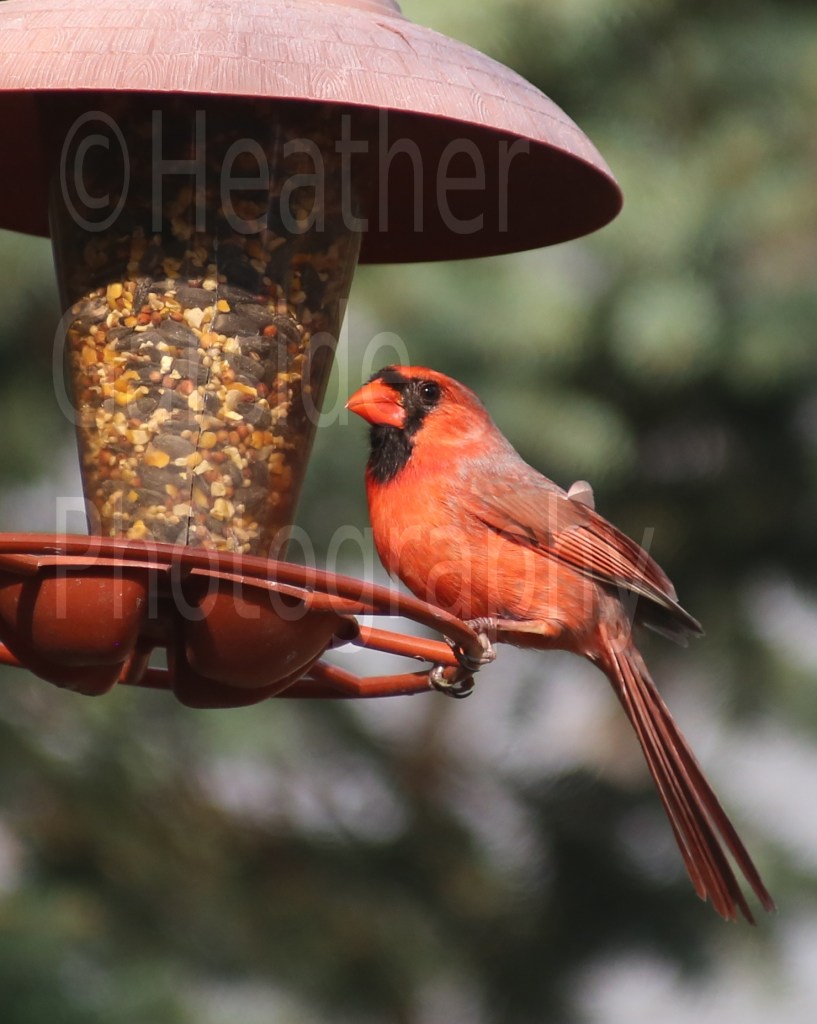
There are a variety of different bird feeders out there, and sometimes it is difficult to know what you want to buy. Seed feeders probably come in the largest variety of both shapes and materials. There are two important things to keep in mind when purchasing a seed feeder. #1 there is no such thing as a feeder that keeps out squirrels. It is definitely true that some feeders are more squirrel resistant than others. But the squirrels have all summer to figure out how to break into your feeders, and you can be sure, no matter how long it takes, one day one lucky squirrel will break the code. #2 the size of the access holes or slits in the feeder, and their corresponding perches are directly related to what birds will be able to use your feeder. Many cylindrical feeders are designed with smaller birds in mind. Larger birds, such as Cardinals, Blue Jays and Grackles, have a difficult time accessing food directly from these feeders They can’t balance and they often can’t get their beaks into the holes. That doesn’t mean they won’t come around. They may glean on the ground below your feeders, eating the seed that falls or they may rock your feeders to spill additional food. There are a variety of different bird feeders out there, and sometimes it is difficult to know what you want to buy.
The holes or slits on seed feeders are a really important consideration all around. Some feeders only have a few openings, while other have many. The question you need to answer before selecting a feeder is, do I want more birds, or do I want to buy bird seed less often? There is really no right or wrong answer. Seed feeders with slits are the most expensive as seeds can easily be spilled or knocked. The summer I used a slit feeder, I filled it only about half as much as I filled my other feeders, simply because it was so often empty merely hours after I filled it.
Materials used to make seed feeders is another large consideration.
They can be found in wood, various grades of plastic and metal. Often
a feeder will have a combination of materials. I have remained on the
cheaper end of the spectrum, often buying “good” plastic feeders
and I have been fairly happy. I have also used several feeders that
have come free with my bird poles, most of which have been totally
crap. One was so flimsy I put it up in the morning, had to throw it
out when I got home from work…totally ripped to shreds by the
squirrels. I was honestly not surprised in the least. So thicker
plastic is better. But it is important to keep in mind that hard
plastic also runs the risk of cracking if it falls to the ground
(squirrel or high wind), especially after a season of two of
weathering has made it more brittle.
Besides
my many plastic feeders, I did inherit a lovely wooden feeder, which
remains my favorite. However, I have stopped using this feeder
because its weight (especially when holding a whole squirrel) was
having a very negative effect on my feeder pole, bending it down and
tipping it to one side. In a sturdy tree I have no doubt I would have
fared better. The large ledge on this feeder was both a positive
attribute and a negative. The larger birds really loved this feeder,
but the ledge also made life much easier for squirrels and chipmunks
to not only get at the seed, but to sit on the ledge and eat
themselves silly. I went through a lot more seed when I used this
feeder, and that, along with the damage to the bird pole, is why I
retired it to my basement.
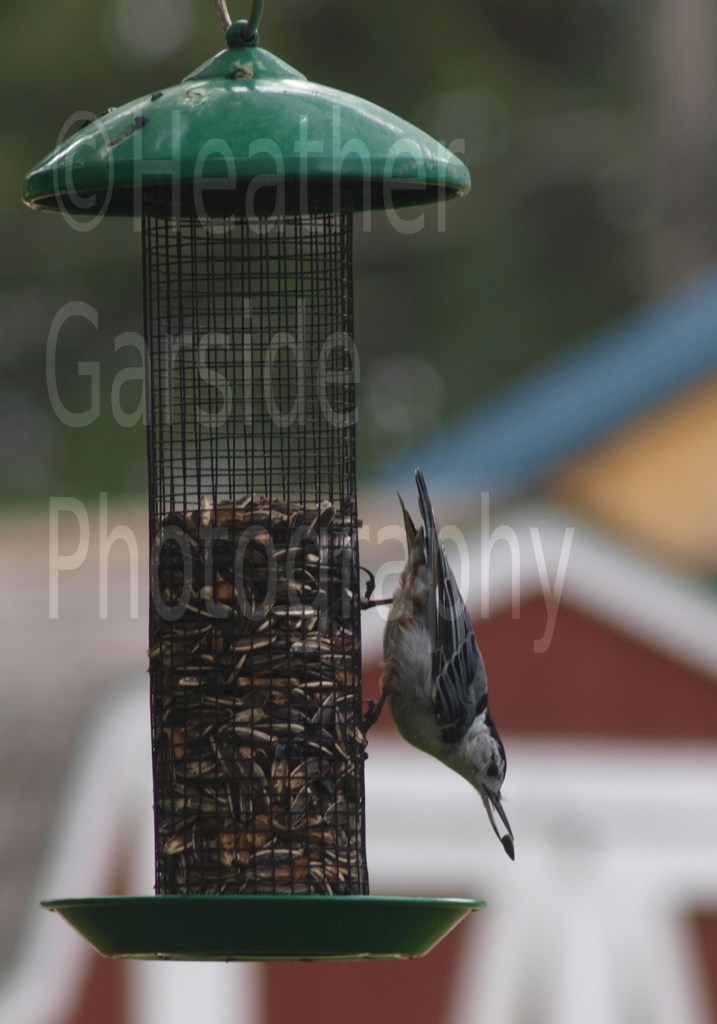
I have also had the opportunity to watch several metal feeders in action. Most metal seed feeders have a cylindrical, chicken wire style body, with a series of rectangular or triangular openings. They usually have a ledge at their base and the top usually unscrews to allow filling. These types are really popular among both the smaller birds (sparrows, finches, chickadees) and woodpeckers, nuthatches, cardinals etc. The larger tree climbing birds, such as the woodpeckers and nuthatches are really able to hook into the holes, balance and peck, similar to their natural stance on a tree. One major drawback with metal is weather exposure. If you have a very windy rain storm your seed will get wet. As wet seed can grow mold and potentially make birds sick, I always try to dump out my feeders after a very wet storm, so that the seeds don’t have time to mold and harm the birds.
I think, considering all the pros and cons, metal feeders are really
the way to go. They withstand the elements better. They are less
likely to be damaged from falls. They are no more difficult to fill
than other feeders. They represent the best balance of durability and
lightweight. Some manufacturers try to add metal components to
plastic feeders, which sometimes serves to make them stronger, but I
still think all metal is the best move.
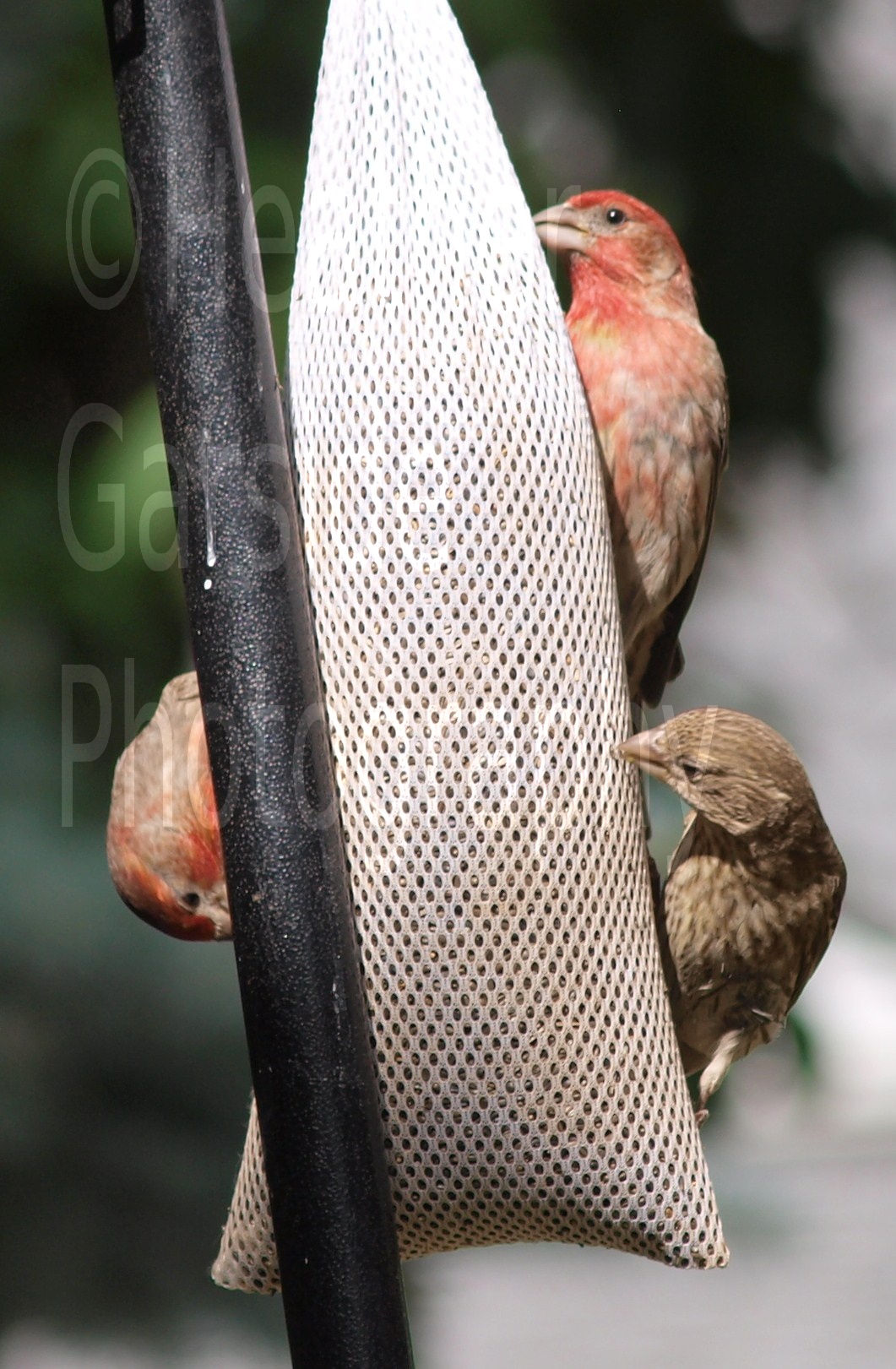
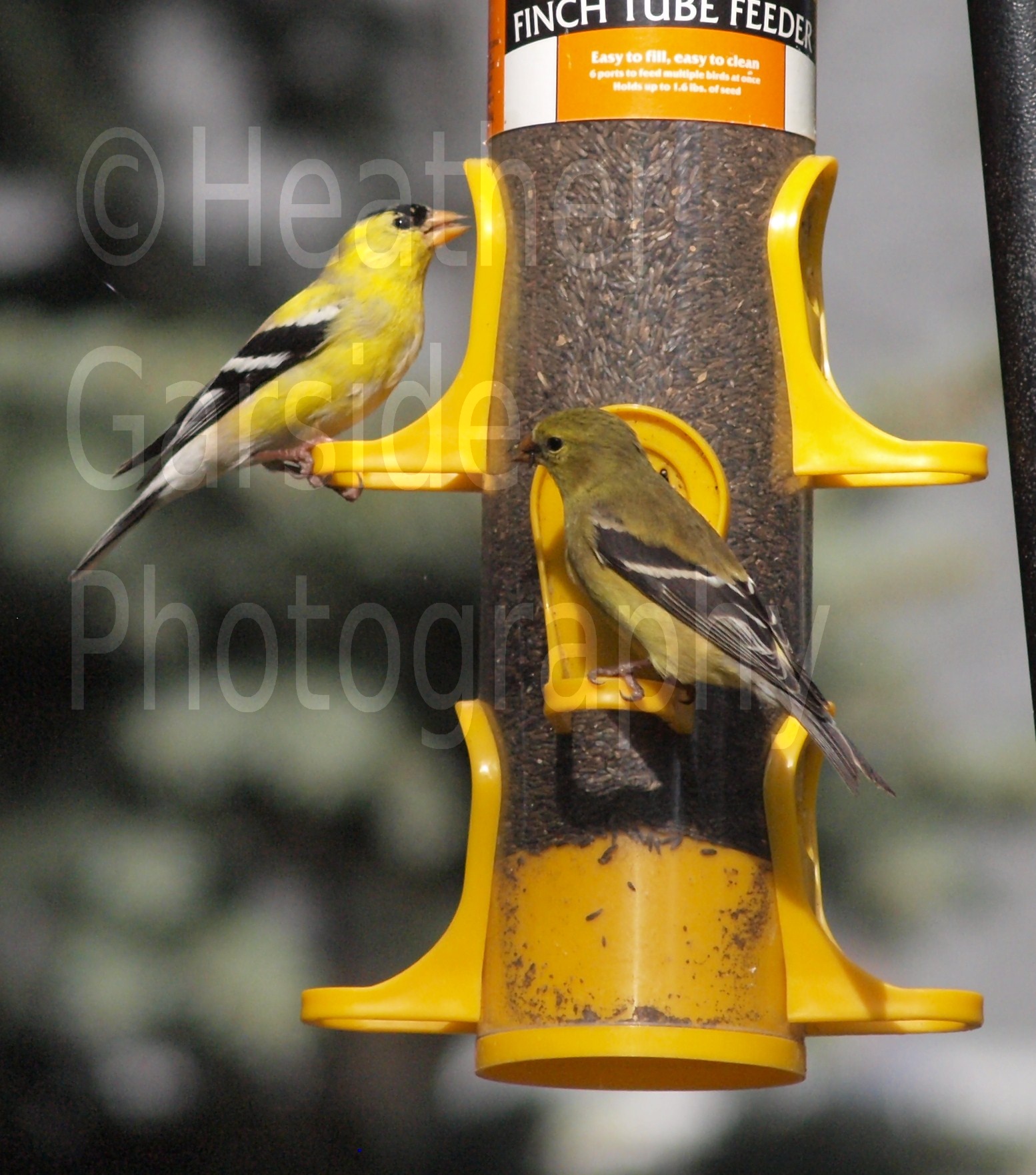
Before we can completely move away from the topic of seed feeders, we must also consider finch feeders. Like the popular girls at school, everyone wants to catch the attention of finches to their gardens. And because the finches are so special, they get their own special seeds and their own designated feeders. This is because nyjer seeds, the finch food of choice, are much thinner than most other bird seeds. They tend to slip out of normal feeders. As a result finch feeders have most of the same qualities as all other seed feeders, with the exception that they all have much smaller holes. If you aren’t sure you can attract finches, you might want to start with a finch sock. Inexpensively found where most bird feeders are sold, the “socks” are thin cloth bags with very small vent holes. They are usually refillable, with a drawstring top. While they are very inexpensive, I have found they do not withstand the elements. Especially if you do attract a lot of finches, expect to replace your sock once or even twice a season (at least). Being such thin material, they are very easily torn. Once you have a hole, you are done, because those thin nyjer seeds just spill out and the finches rarely, if ever, will go looking on the ground. If you decide to graduate from a sock to a more substantial feeder, you will find a variety of metal and plastic finch feeders, all identified specifically as finch feeders due to those smaller openings. Like with all seed feeders, if you want longevity, go with metal.
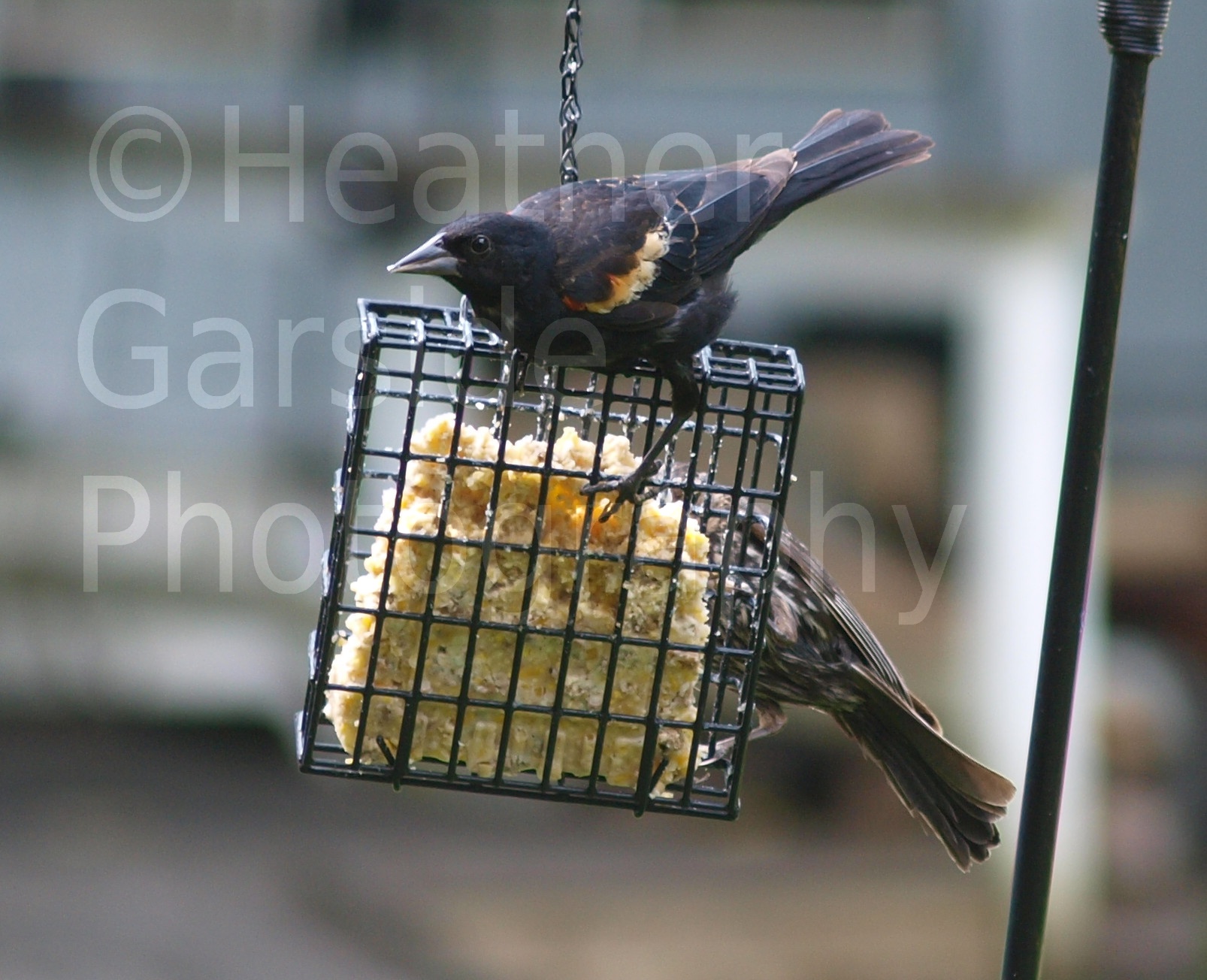
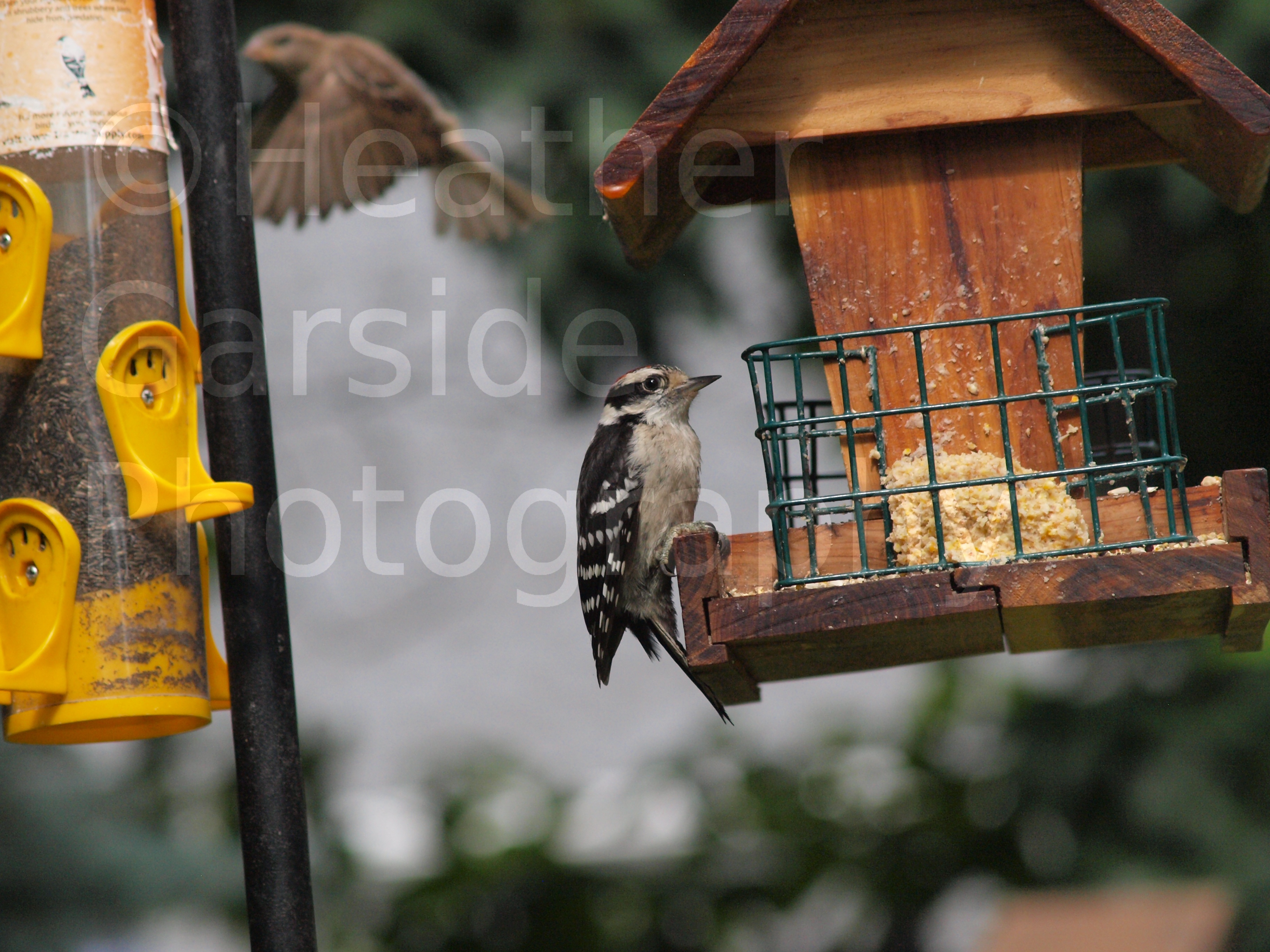
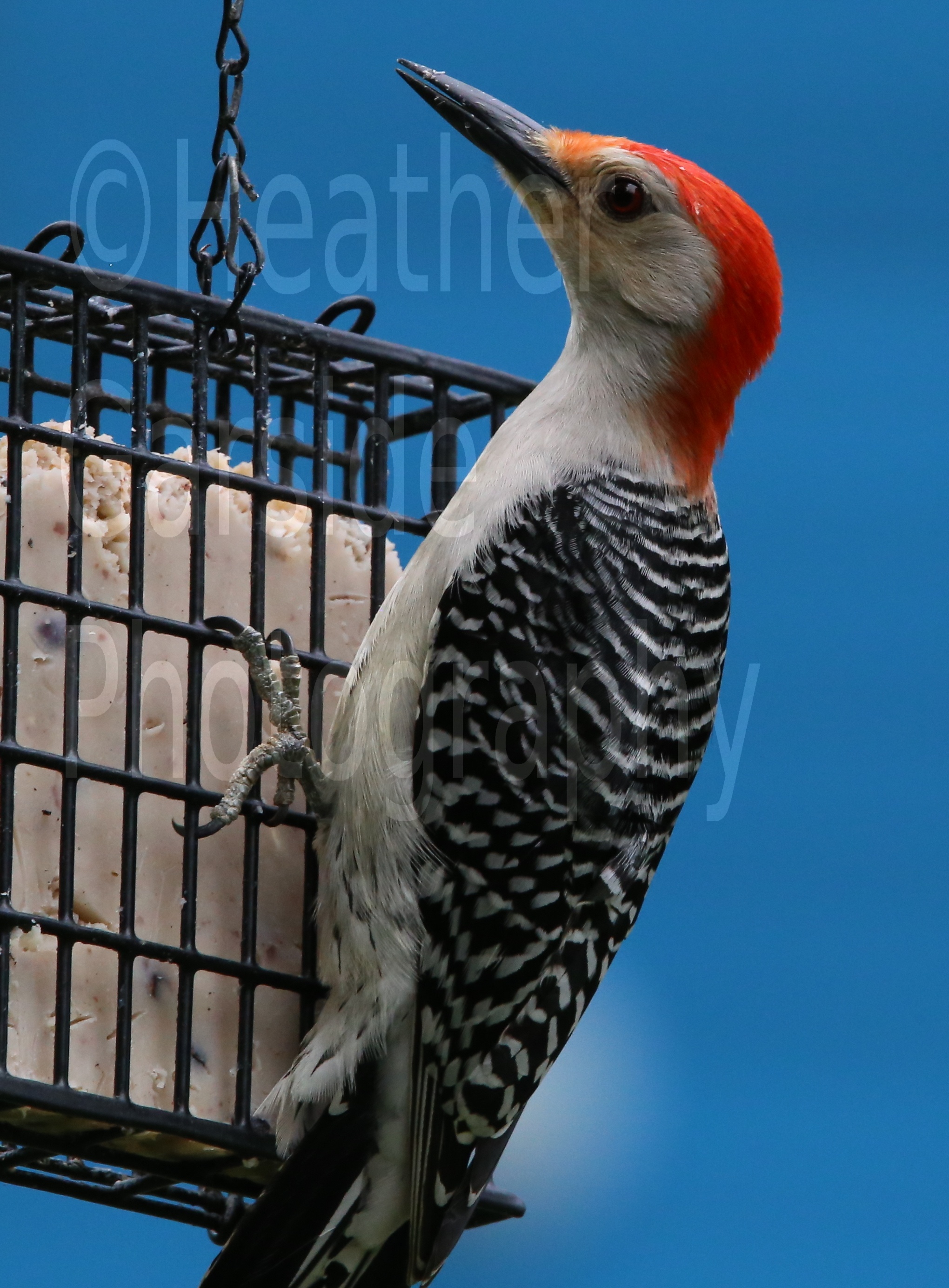
In comparison to seed feeders, suet feeders are pretty straightforward. Yes there is occasionally a fancy wood and metal suet feeder available, but the basic square metal hinged cage seems to serve just fine. I have inherited several since I started feeding birds and I haven’t needed to throw any away due to damages. The biggest area of concern is where the two halves close. A lack or loss of tension and the suet feeder will pop open easily. Suet feeders are also relatively inexpensive compared to other feeders, so no real worries there. I highly recommend that everyone consider having a suet feeder. The suet is a bit gross at first, but you soon get used to it and you will find they attract a greater variety of birds. Larger birds like suet and can use suet feeders. With a suet feeder I have attracted woodpeckers, red-winged blackbirds, grackles, cardinals and catbirds. I have also seen Baltimore Orieles, nuthatches and other birds drawn to them. Weather is the big drawback with suet. A rainy day and your suet dissolves. I have started checking the weather for the next few days before refilling my suet. Sometimes manufacturers will combine seed feeders with suet feeders, which is a nice way to save space. My wooden seed feeder was a combination feeder and I saw no disadvantages. The birds weren’t bothered by each other, and sometimes they would switch from suet to seed or seed to suet depending on what other birds came to the feeder.
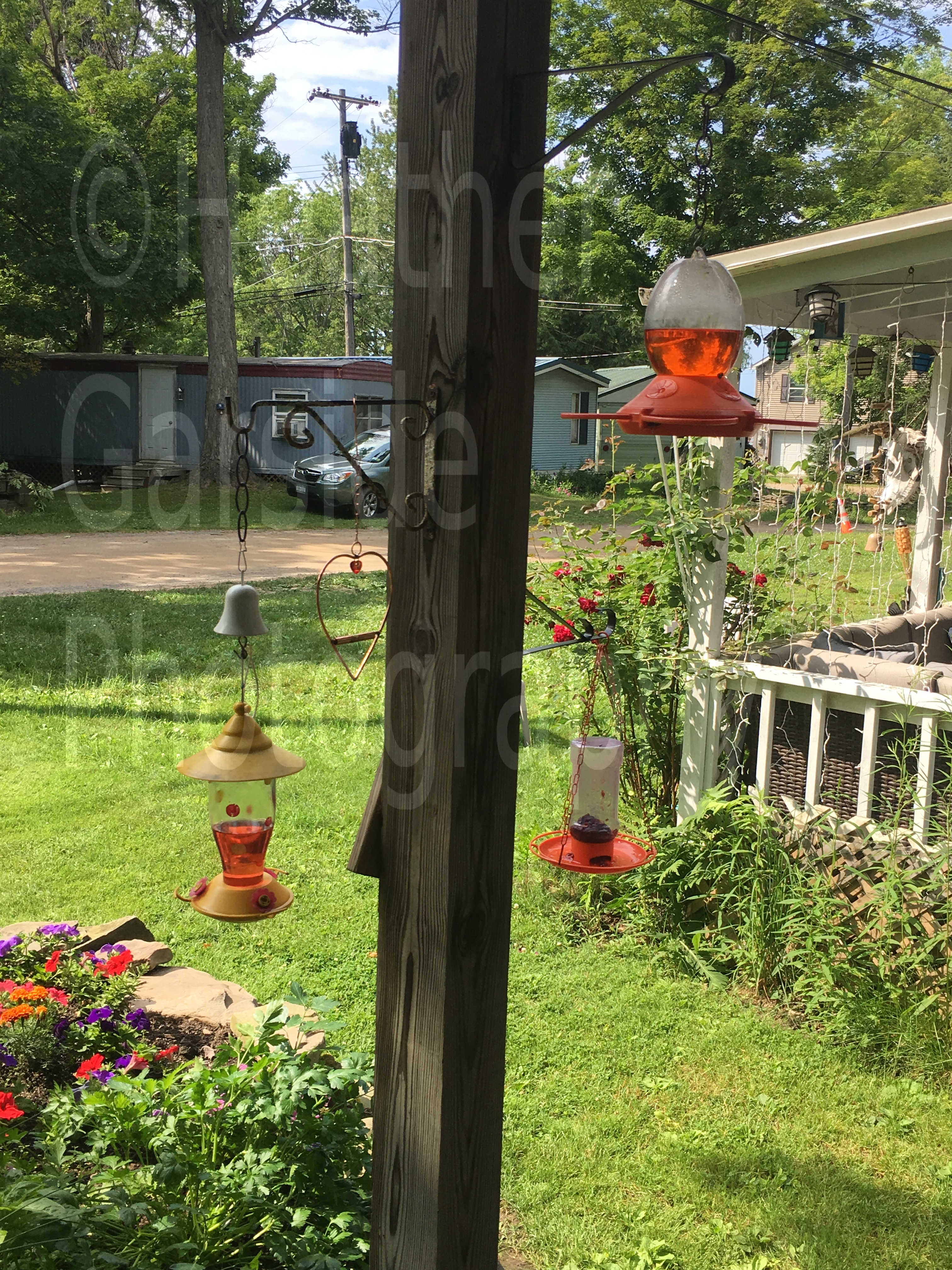
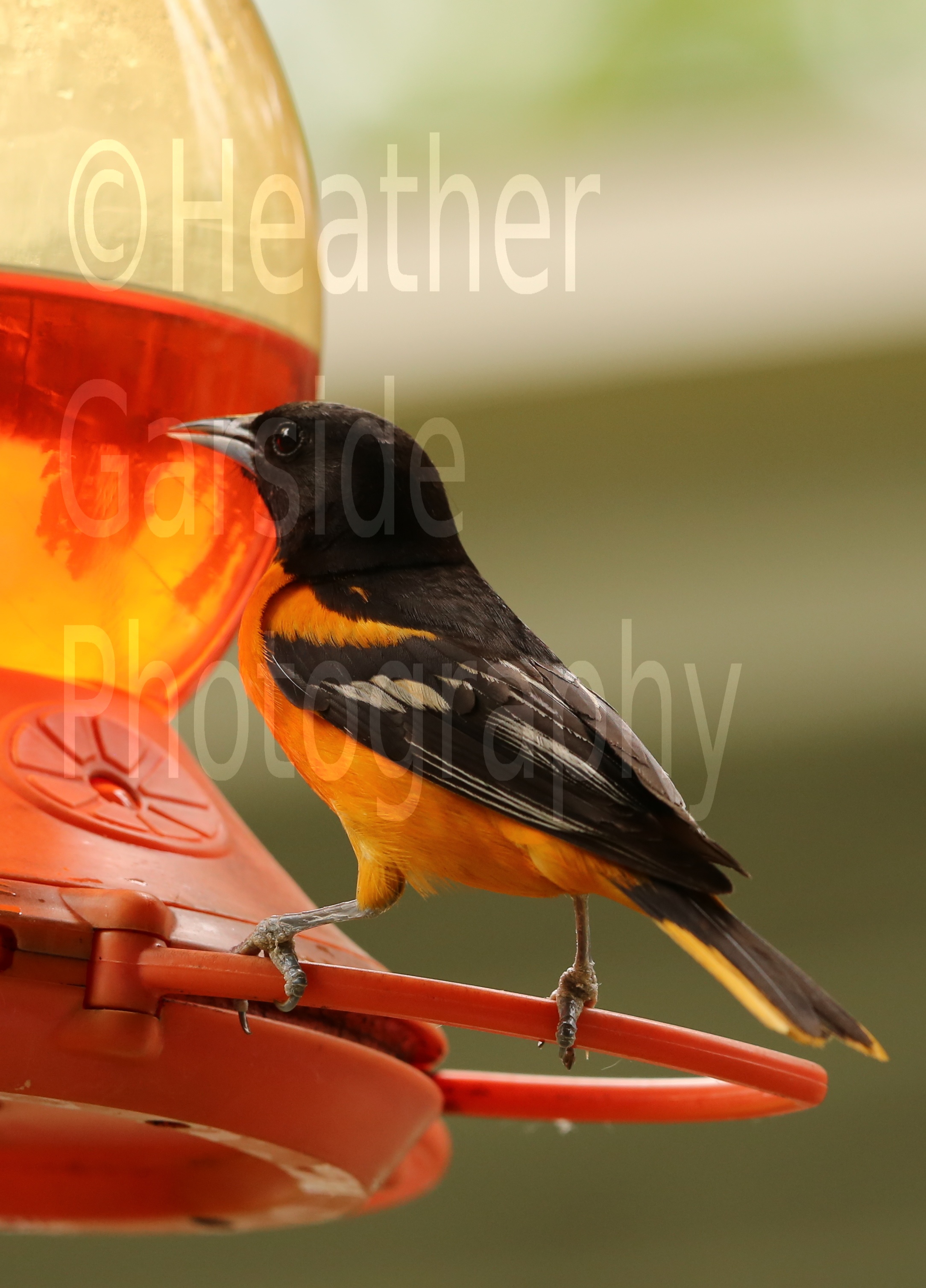
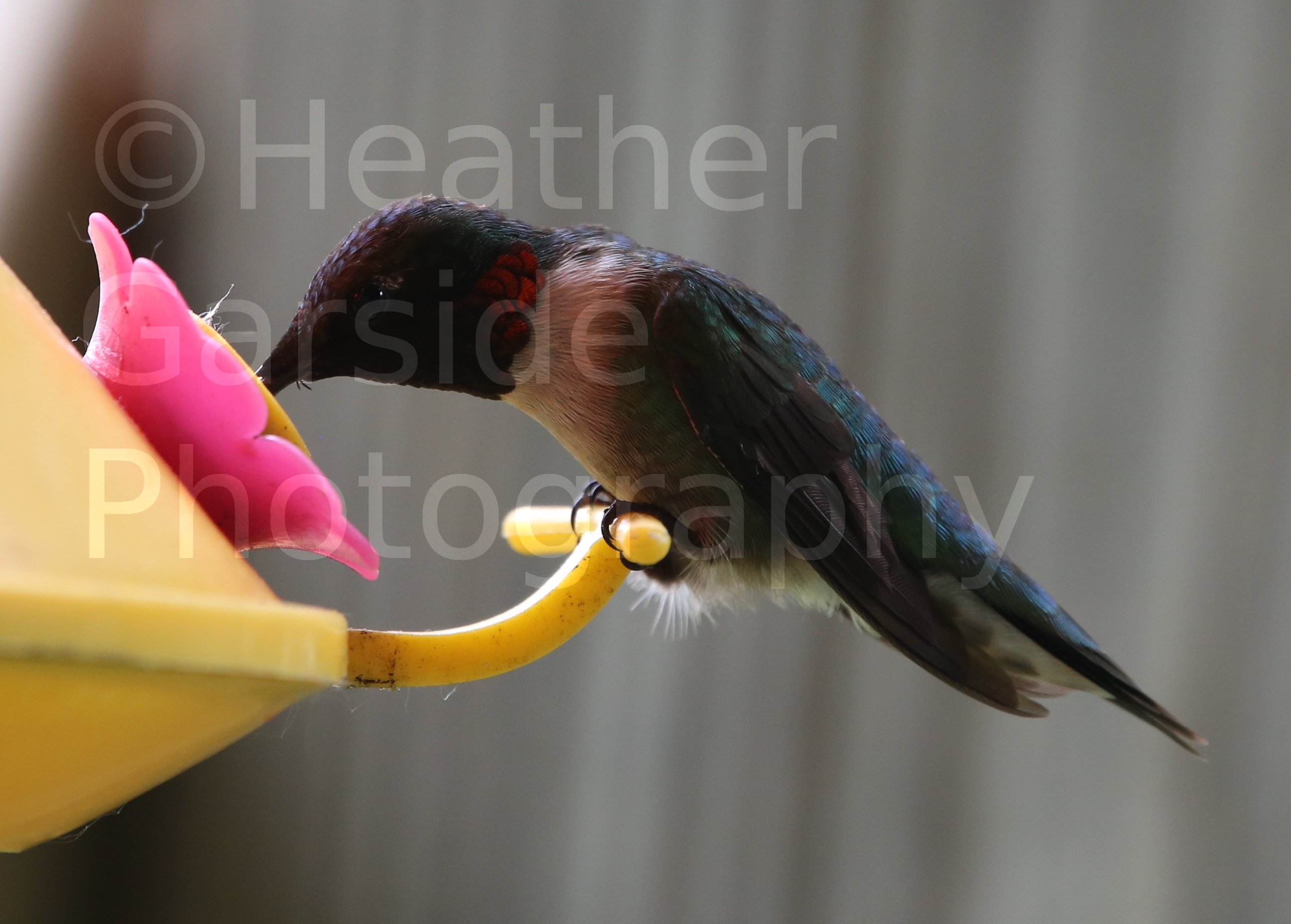
Not unlike finch feeders, hummingbird feeders and Oriole nectar feeders are a bit more specialized. While Oriole feeders tend to hold more nectar and be larger, with larger perches, they are in essence very similar. They are usually a bottle like shape on top with the perch base usually doubling as a threaded lid, when flipped upside down. When right-side up, the base has holes where the birds can reach in to drink the nectar. Depending on the quality of the feeder’s plastic (they are pretty much all plastic) cracks or damage to the thread or seams are your major concern. You will have a sticky mess! Nectar food, often dyed red with food coloring, can be easily made at home with boiled water and sugar. It is important to know that if your feeder is not frequented by a lot of birds (my parents probably have 50-70 hummingbird’s perch in their feeders daily) you need to dump out the nectar every few days, regardless of how much has been consumed. This is particularly true if the nectar is in direct sunlight. Old nectar can harm or even kill hummingbirds. If you are having trouble with ants (or uncles) getting into your nectar, you can buy a smooth ceramic, bell-shaped attachment which goes between your hook and the string of the feeder. Apparently the ants can’t get purchase on the surface, so they cannot crawl down to the feeder.
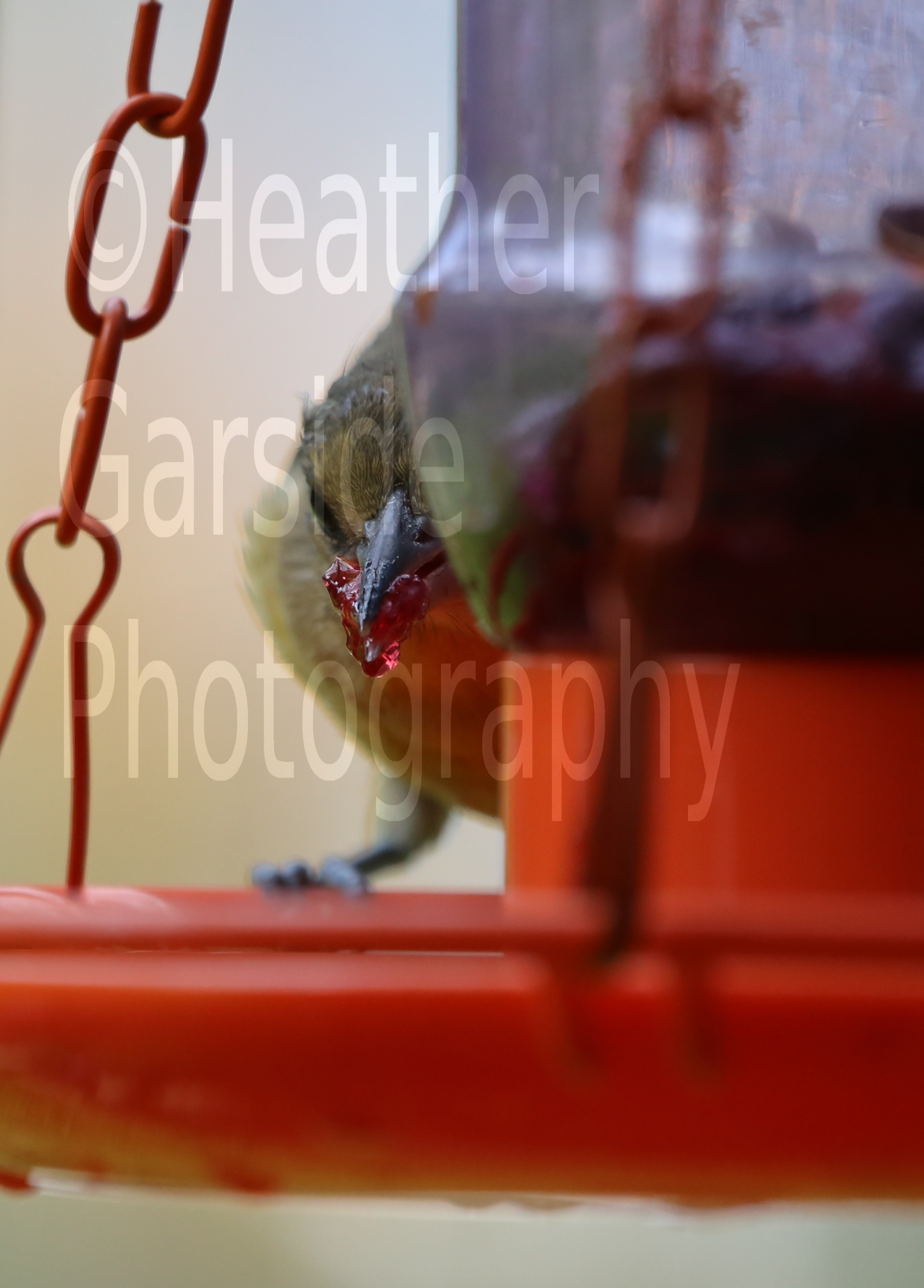
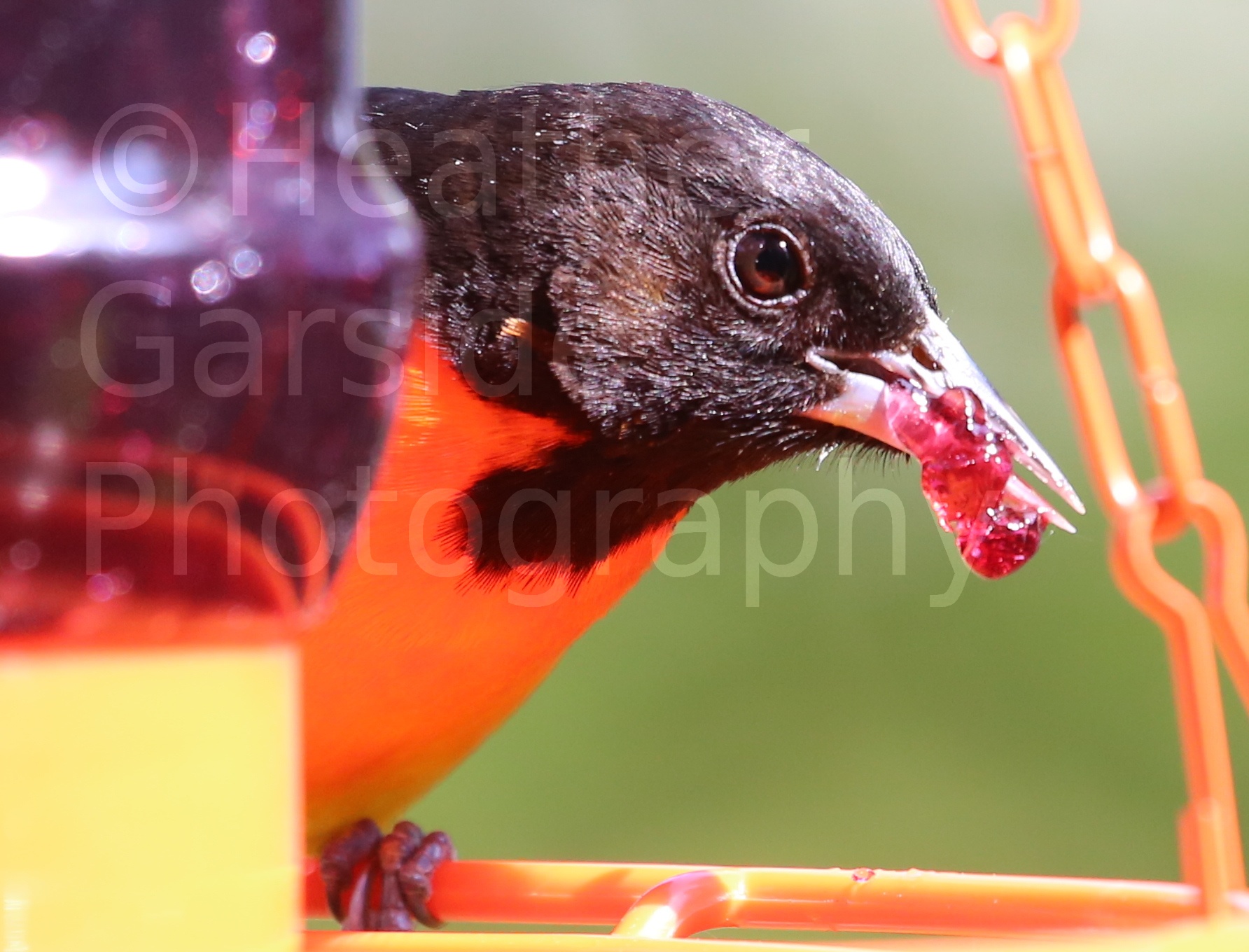
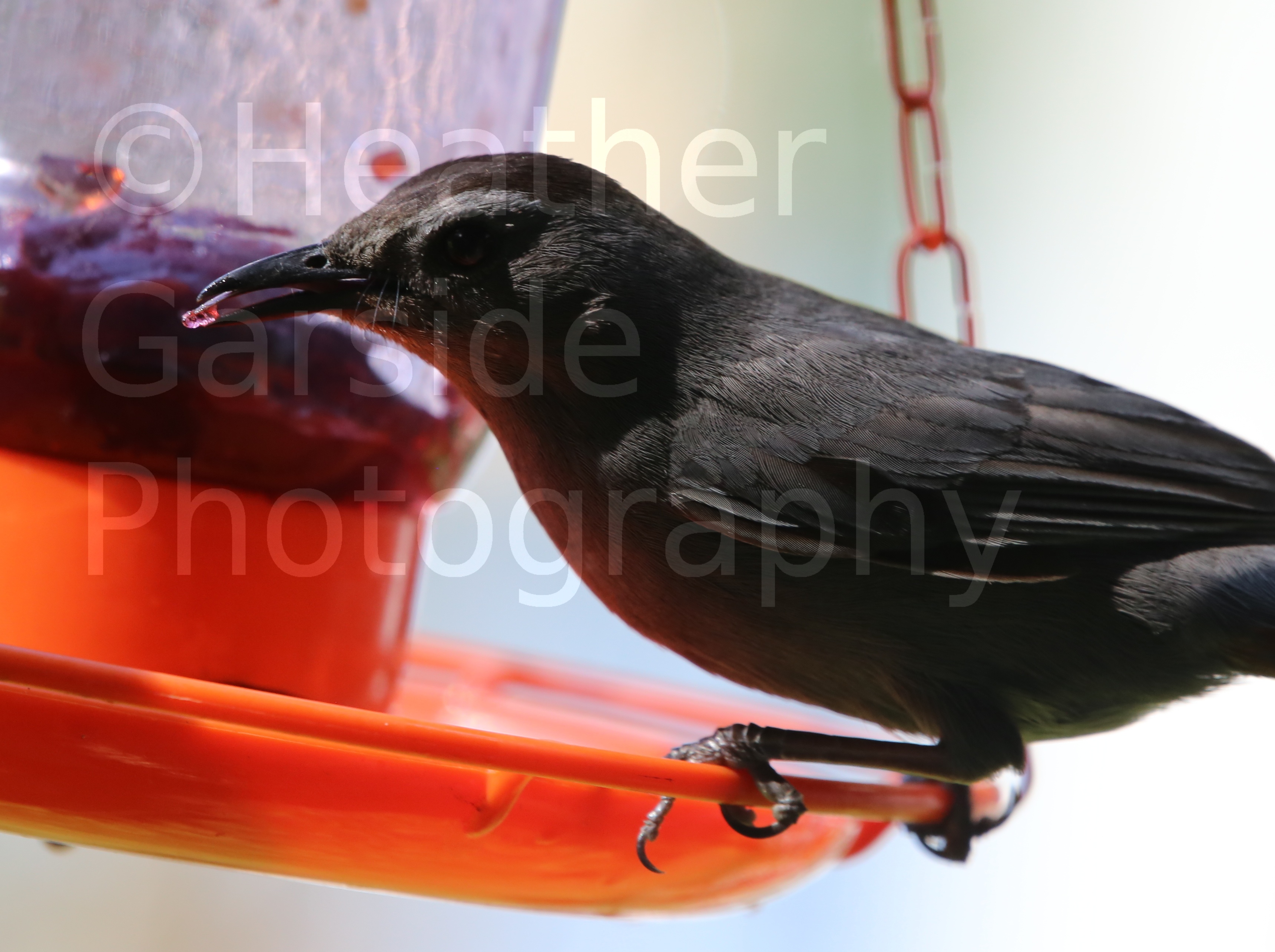
I have saved jam feeders for last because they are my new favorite. Jam is a favorite among Orioles, and we have also discovered some Catbirds are also big fans. The feeders follow the same basic design as a nectar feeder, upside down jar or holder, with a threaded base that doubles as the lid. Potentially very sticky, but also a lot of fun. The one my parents have has a build in arm which scrapes the jam off the sides of the feeder so that it will drop down for the birds to more easily access.
There are a lot of feeder types out there, and this article is really
only just scratching the surface. I have not discussed meal-worm or
orange feeders because I don’t personally have much experience with
either. My general advice is to test things out before you buy an
expensive feeder of any kind. Observe what the birds like, what they
seem hesitant of etc. Then you can make more expensive purchases with
insider knowledge. The last thing you want to do is buy an expensive
feeder the birds don’t like. Another aspect of feeder shopping to
consider is that unfortunately a lot of stores seem to be under the
impression that there is a feeder season. Yes places like Home Depot,
Lowes, and Walmart sell feeders year round, but they often get a
greater supply in the spring. So if you are looking to replace a
feeder in the winter, there are often slim pickings. If you know what
you want, you might be better off online, but I like to look at the
feeders in person.
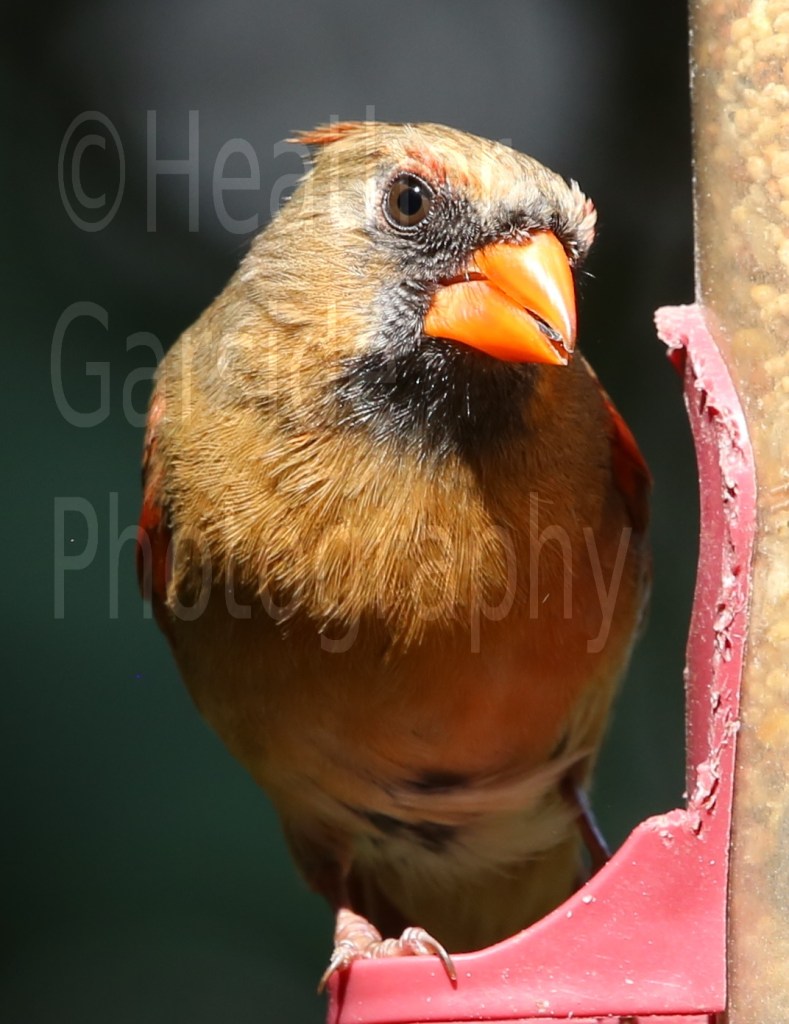
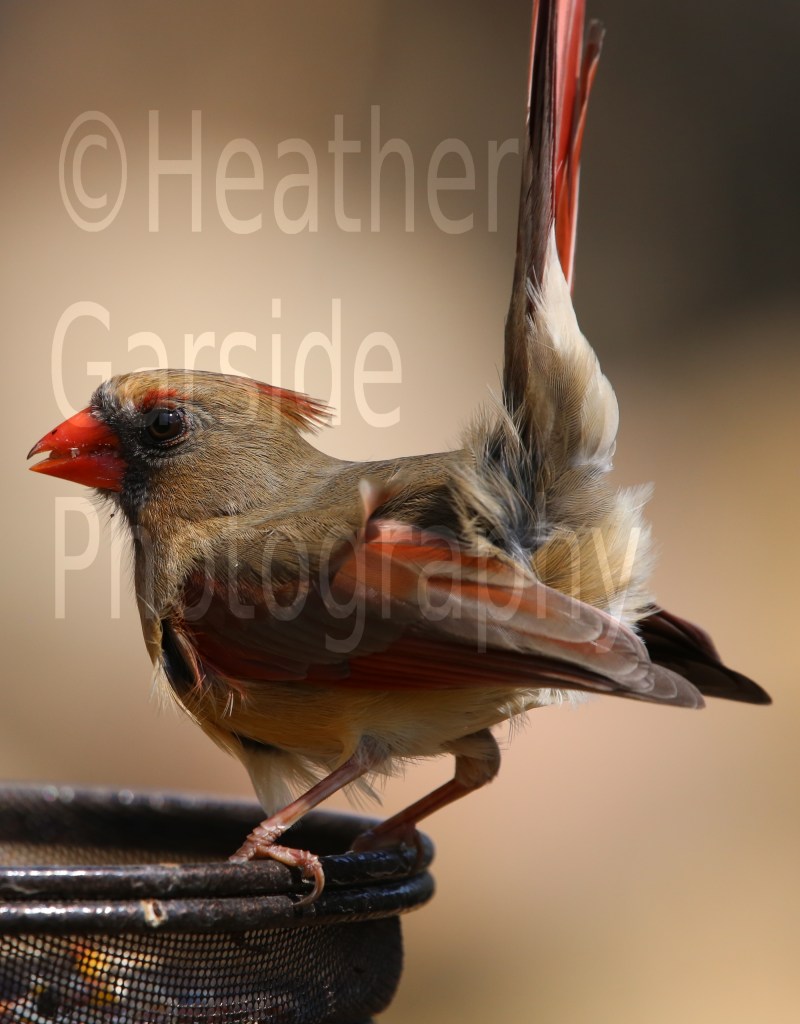
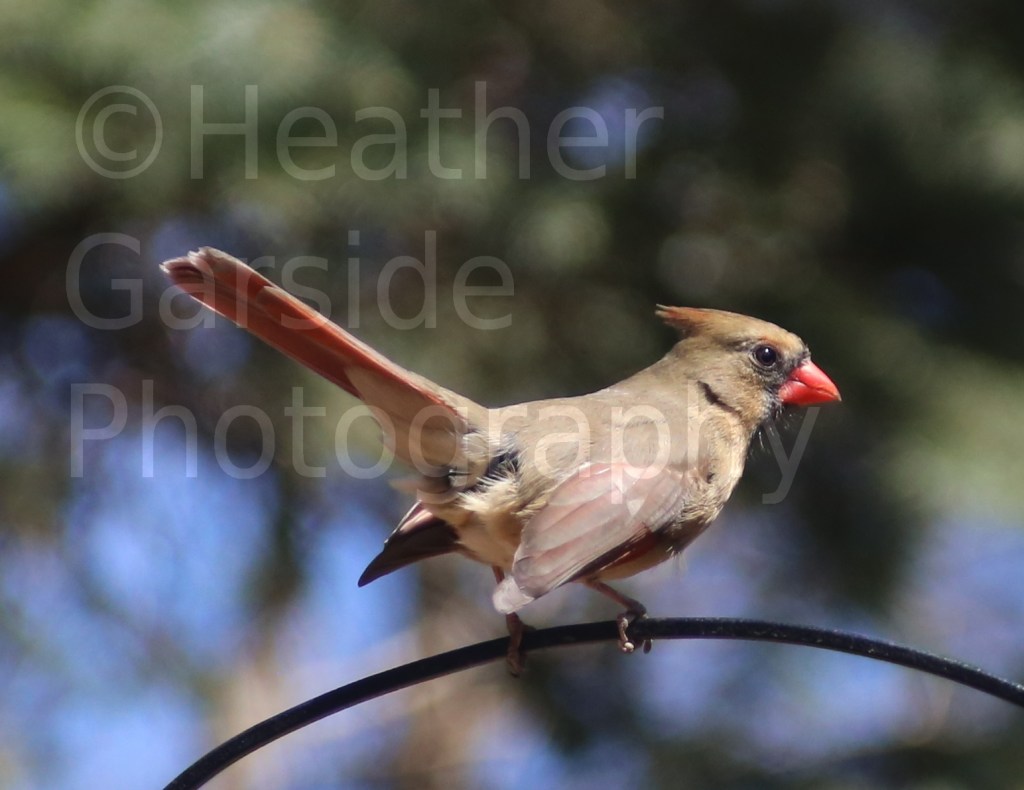
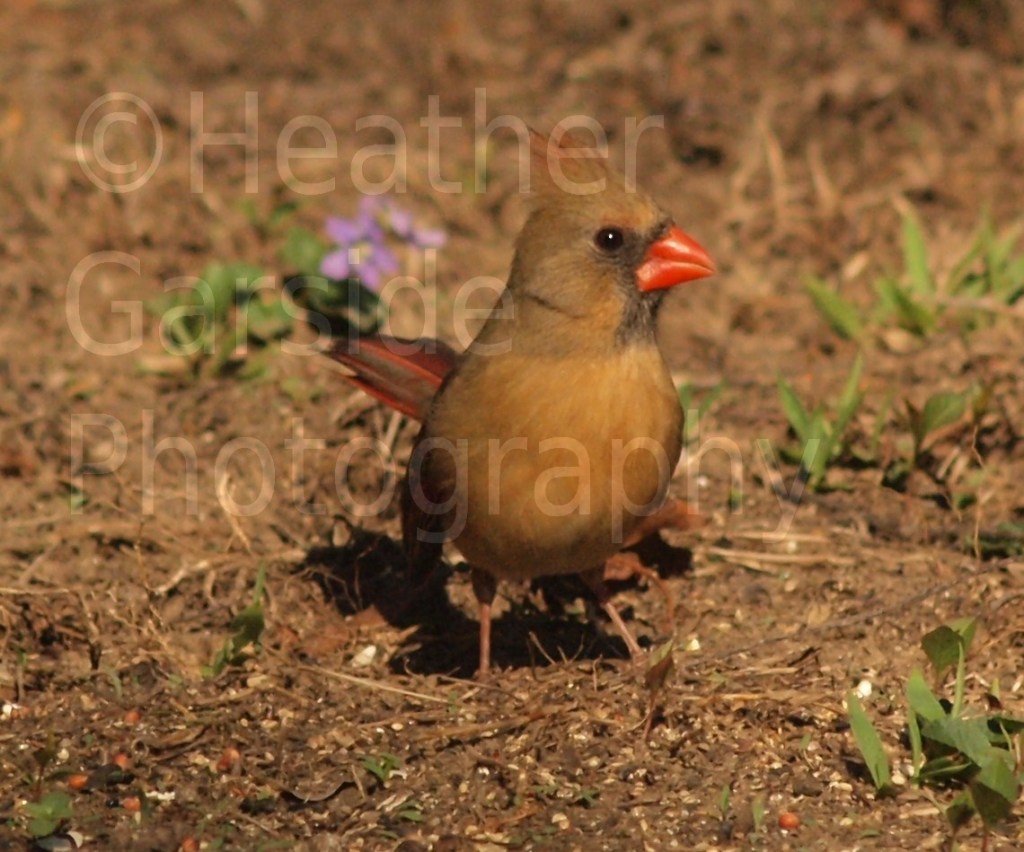
I know that I have already written about Northern Cardinals, but I
feel that the female Cardinal deserves some special attention. As I
mentioned in an earlier post, because of the bright red color of the
male Northern Cardinal, the females are often overlooked. But they
are really just as interesting to watch and, in my opinion, their
subtle hints of red are more striking than the bold display presented
by their male counterpart.
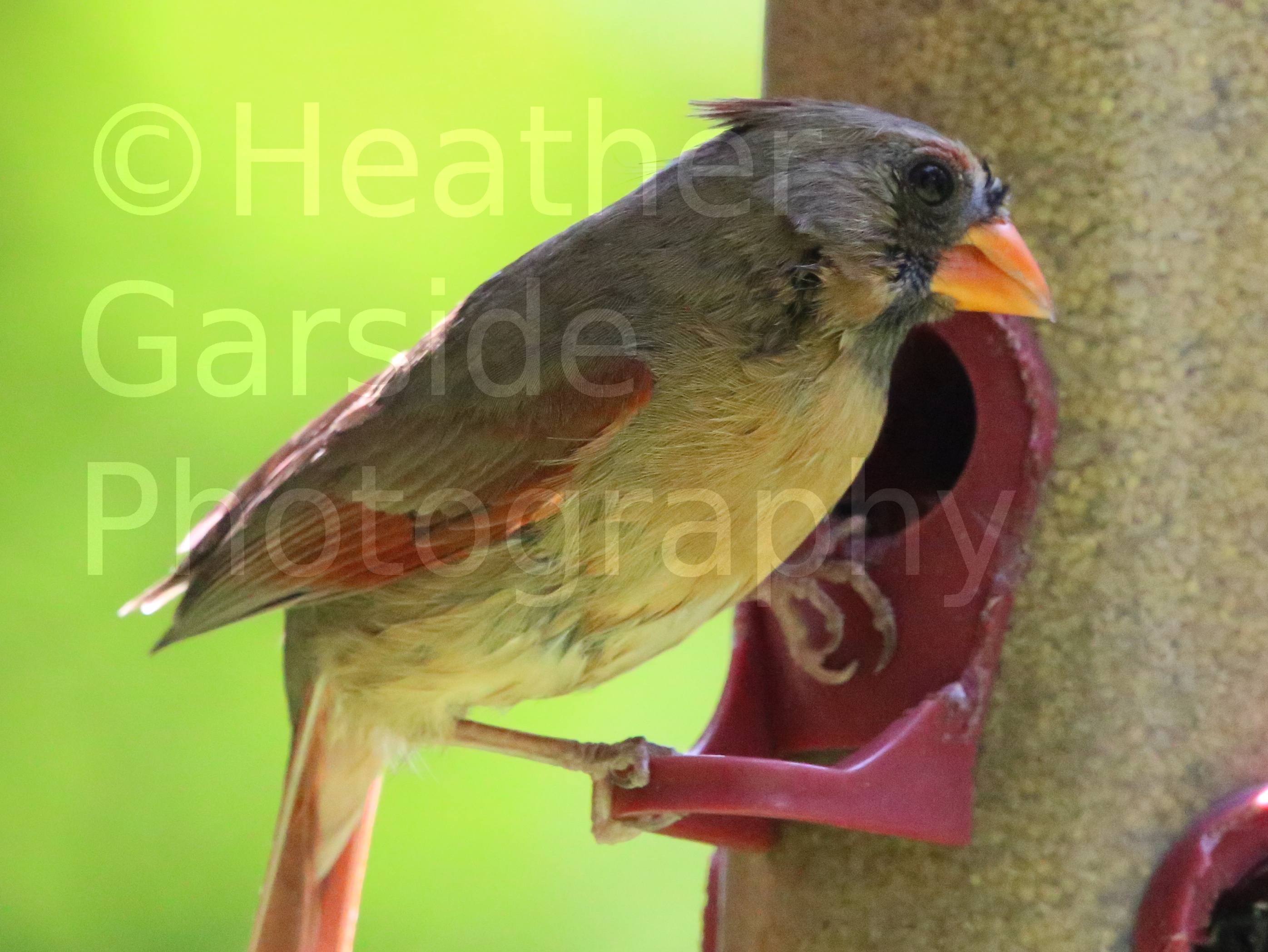
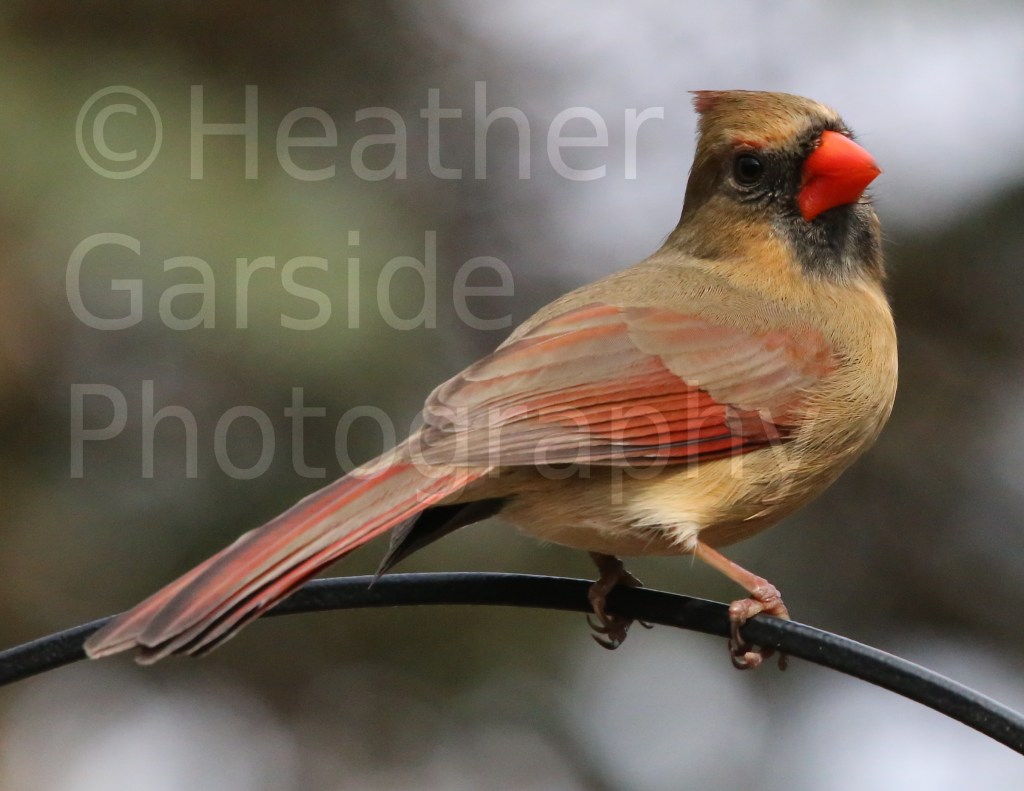
The
female Cardinal is the same size as the male, 8 ¾ -9 inches. She is
a golden brown color with some red highlights on her tail, wings,
crest and above her eye. She has a red beak, the same as her male
counterpart and she has the same black mask on her face, though
usually her mask is smaller and more subtle.
What I love most about the female Cardinals that visit my yard is their sassy attitude. They are just as likely to be aggressive with other birds as a male Cardinal, and there is nothing timid or passive about these ladies. Cardinals are usually one of the larger birds at my feeders and the females have no problem throwing their weight around if need be.
The female Cardinals I have been watching seem more adventurous than the males. The female Cardinals are often balancing on the feeders designed for smaller birds, and figuring out how to perch. Sometimes it takes a few tries, but they usually figure out a good, if awkward, way to balance. The males, either don’t have the patience or maybe have a bit more weight to them making this less likely.
Cardinal couples are monogamous for at least one breeding season, sometimes more. Bird monogamy, and the cheating therein, probably deserves a whole post of its own, and we won’t go into the genetics discussion right now. In one season they will have usually two or three broods. Once the first group have hatched, the male feeds and cares for them while the female goes off to lay and incubate the next clutch.




 Tails of a Twitcher