My Feeder Set-up

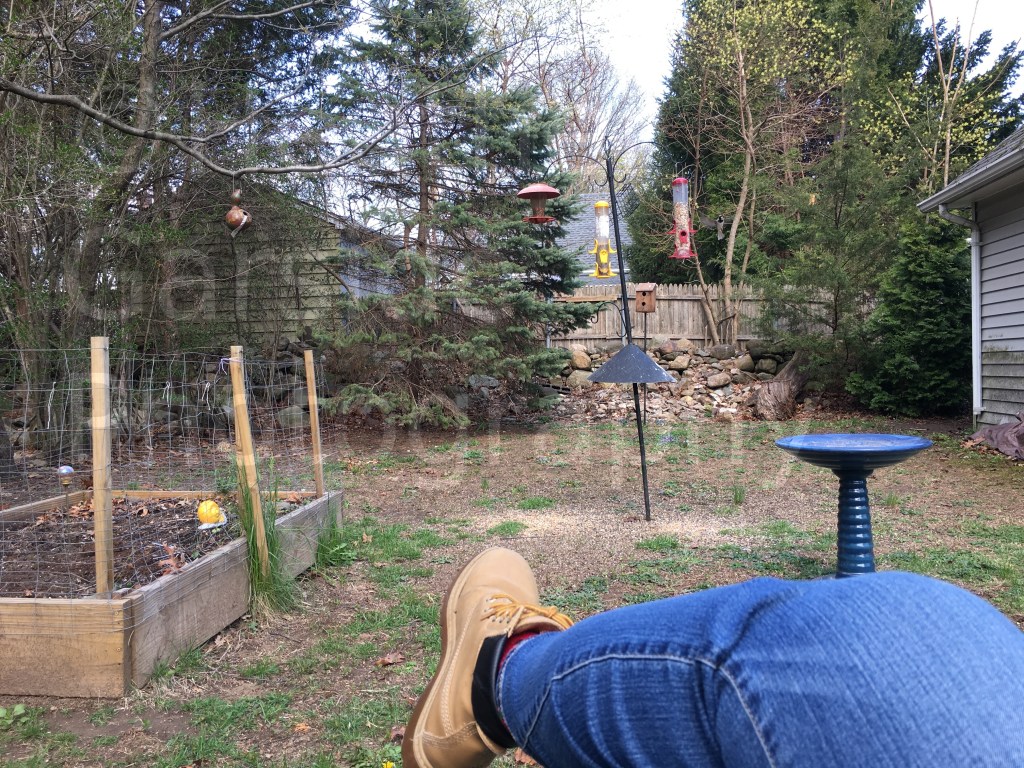
The wide view of my backyard

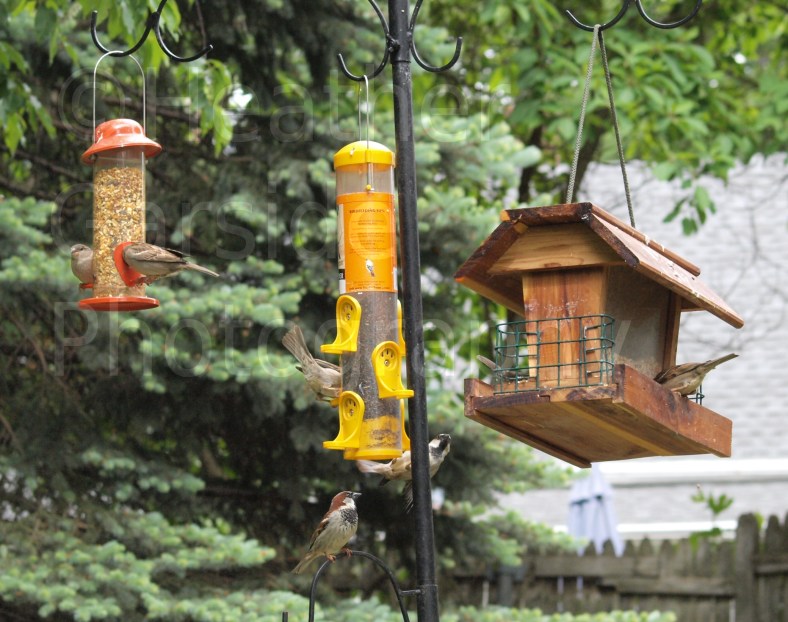
Since many of the posts in this blog will focus on birds in my backyard, I thought that I should take a little time to familiarize you with my set-up. It has changed many times since my first bird pole was pushed into the soil in the spring of 2016, but the essence has remained.
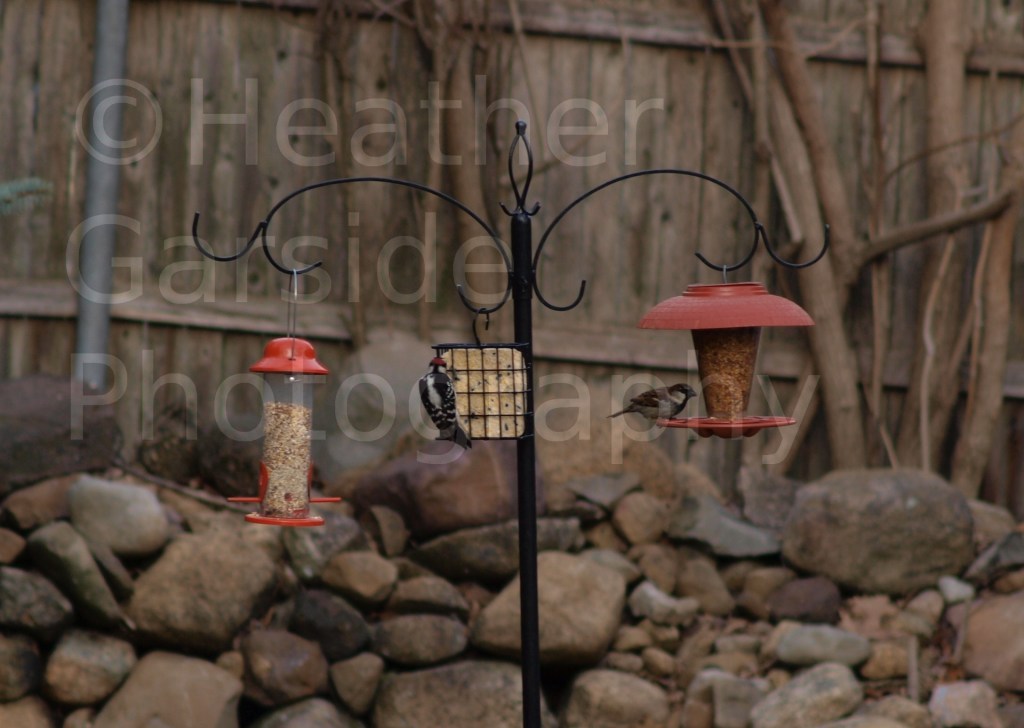
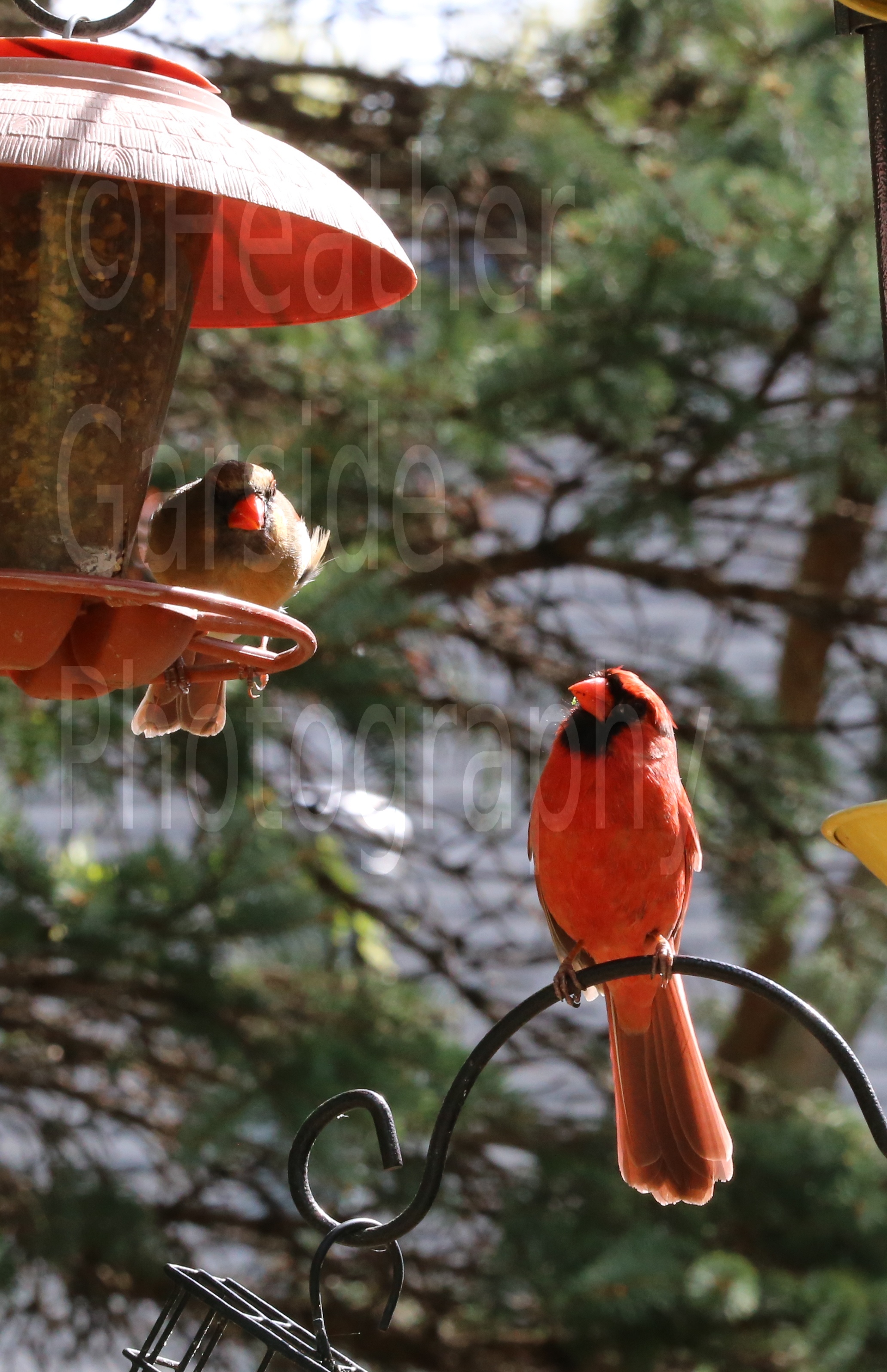
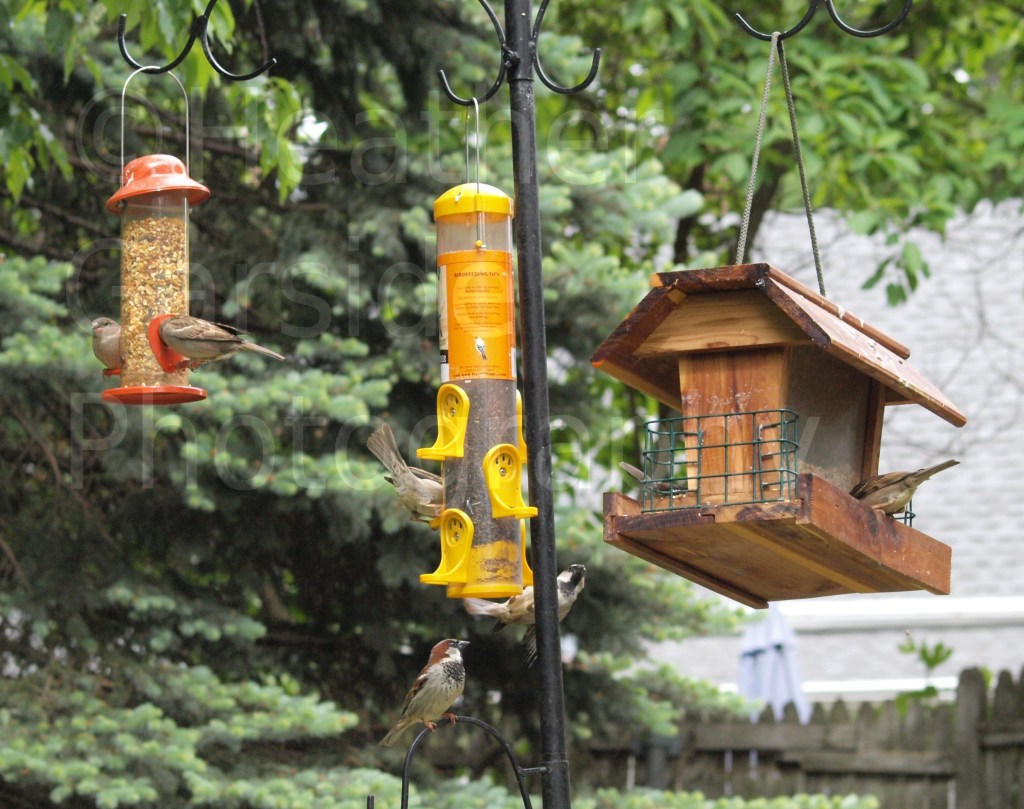
Our yard is lined with trees on both the left and right, but we have an open rectangular plot of “grass” which you will notice as I post more and more photos is more like weeds in the sandy soil. My first bird-related feature was a feeder pole with two seed feeders. I have since added several houses, a bird bath and specialized feeders (finch and suet). Basically, I pander to my feathered friends in any way possible to get them to visit my yard, and I am not embarrassed to admit it! The most recent change is that as of Spring 2019 I have a new pole, which has four hooks. The extra hooks are great, but the four pronged support system is what makes this pole superior. Birds may be light as a feather, but bird seed isn’t and neither are some of the more heavy duty feeders. After a few years, my original pole began listing to one side from all the weight.
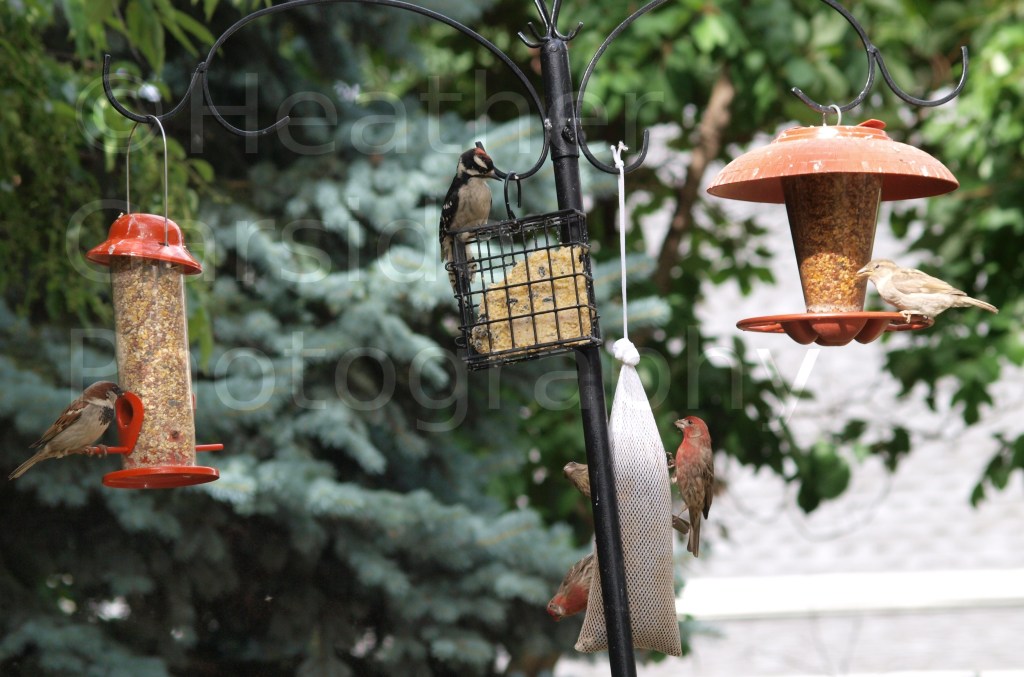
I have had several feeder fatalities in three years thanks to the squirrels who like to keep me on my toes. They are the primary reason why my favorite feeder, a wooden feeder with ledges and a suet section, is currently in my basement.
Northern Cardinals

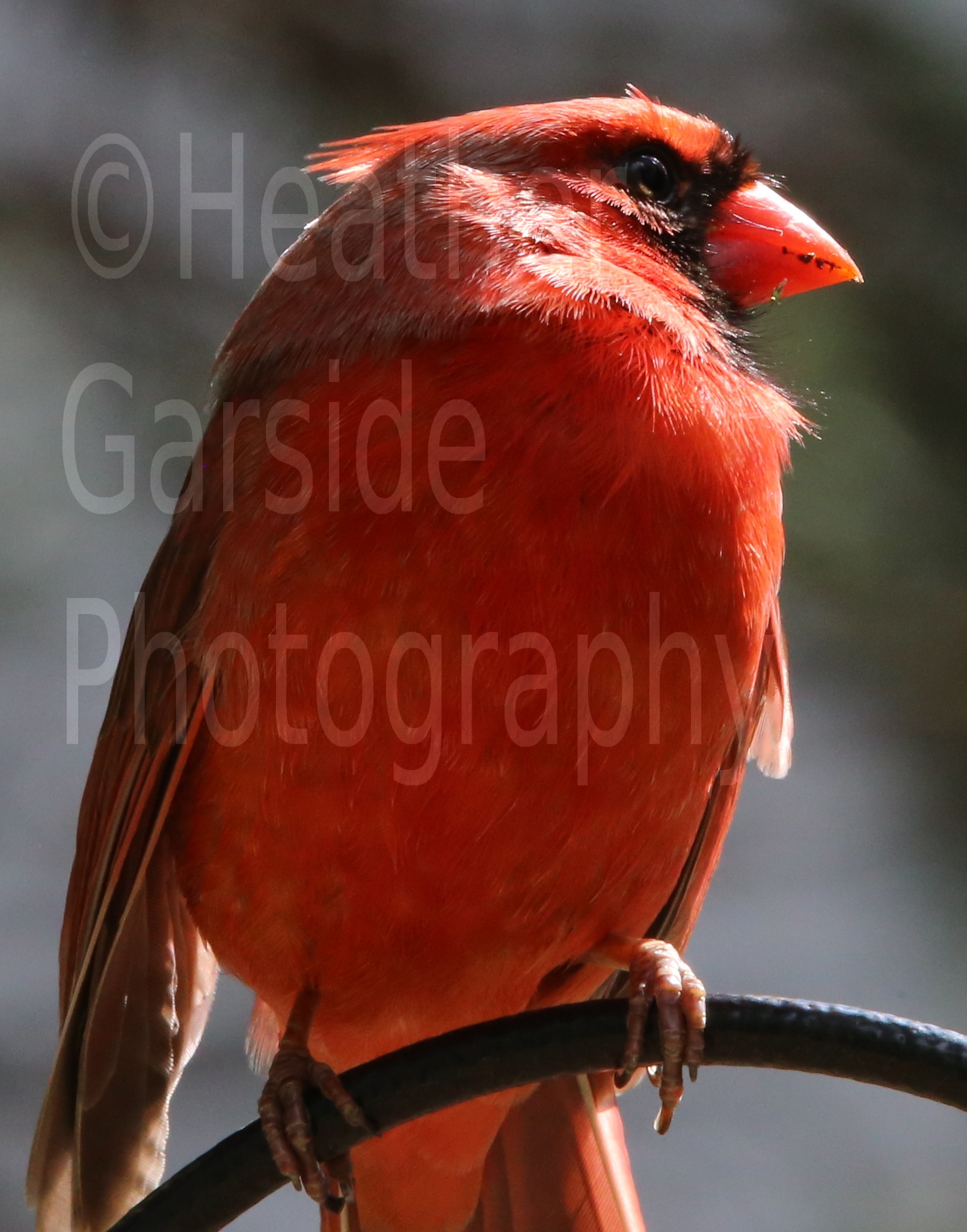
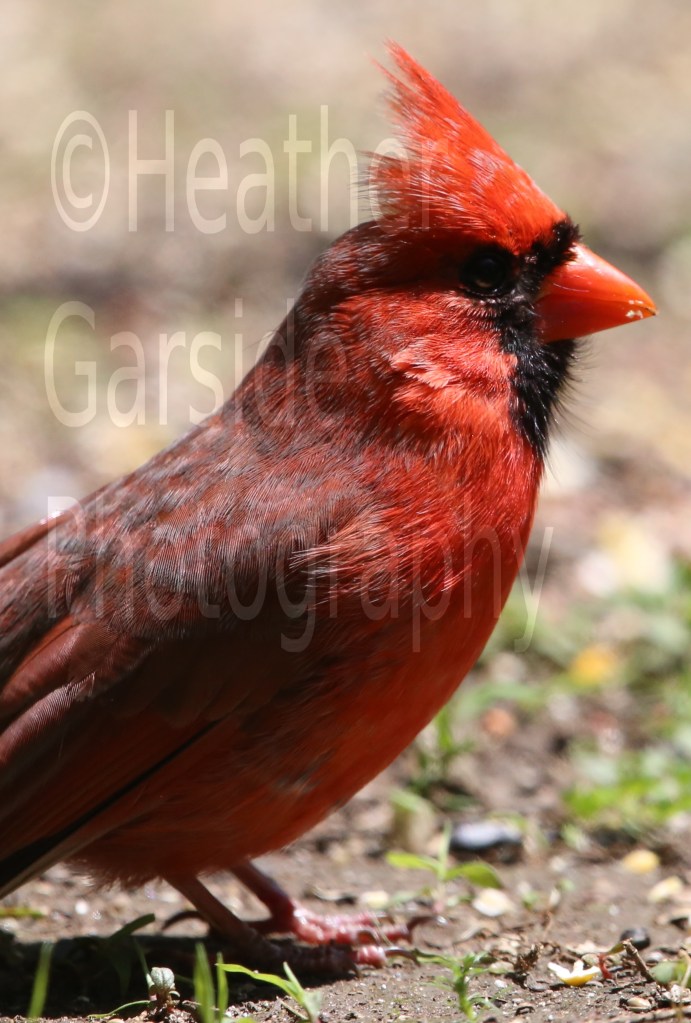
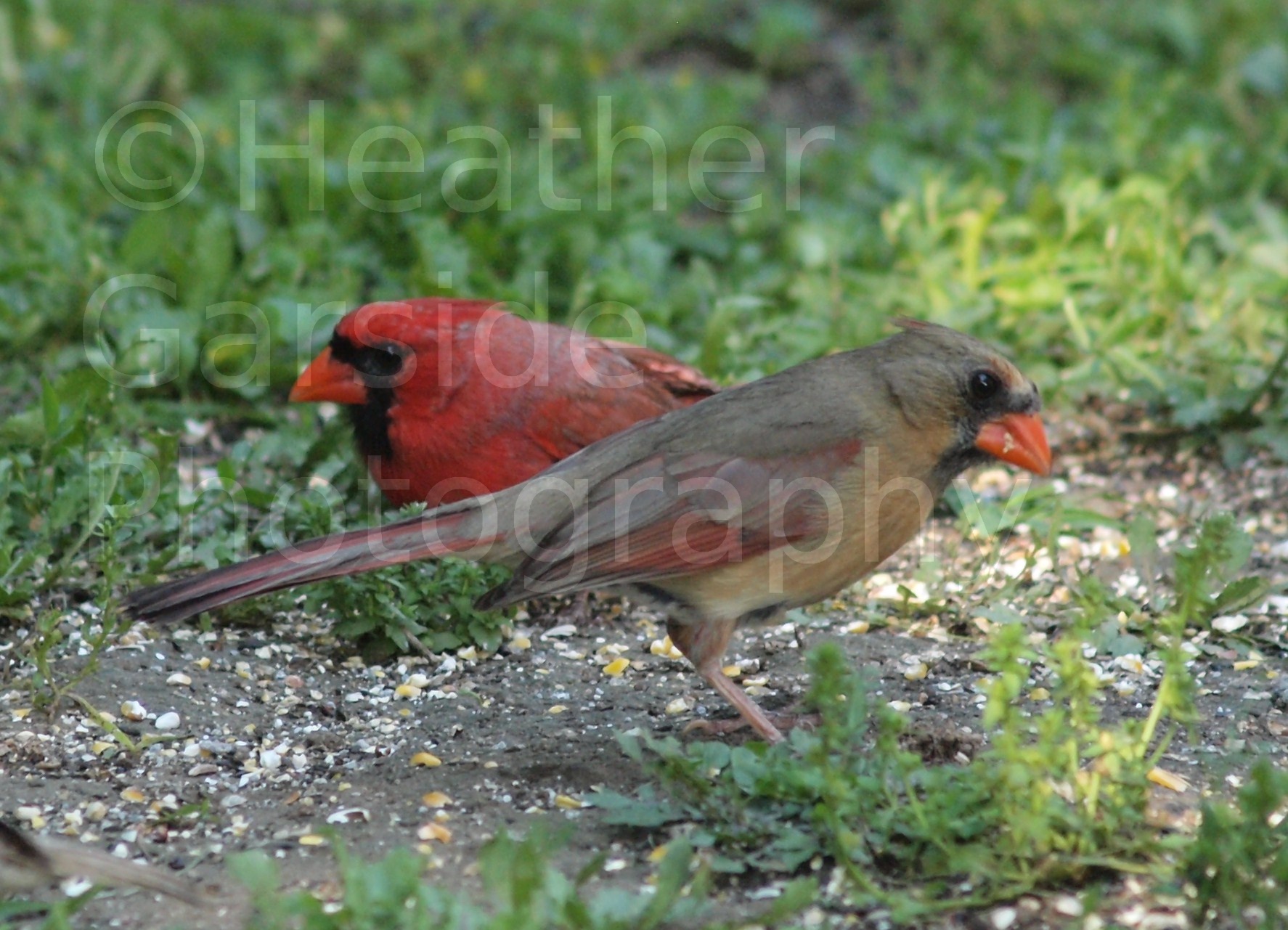
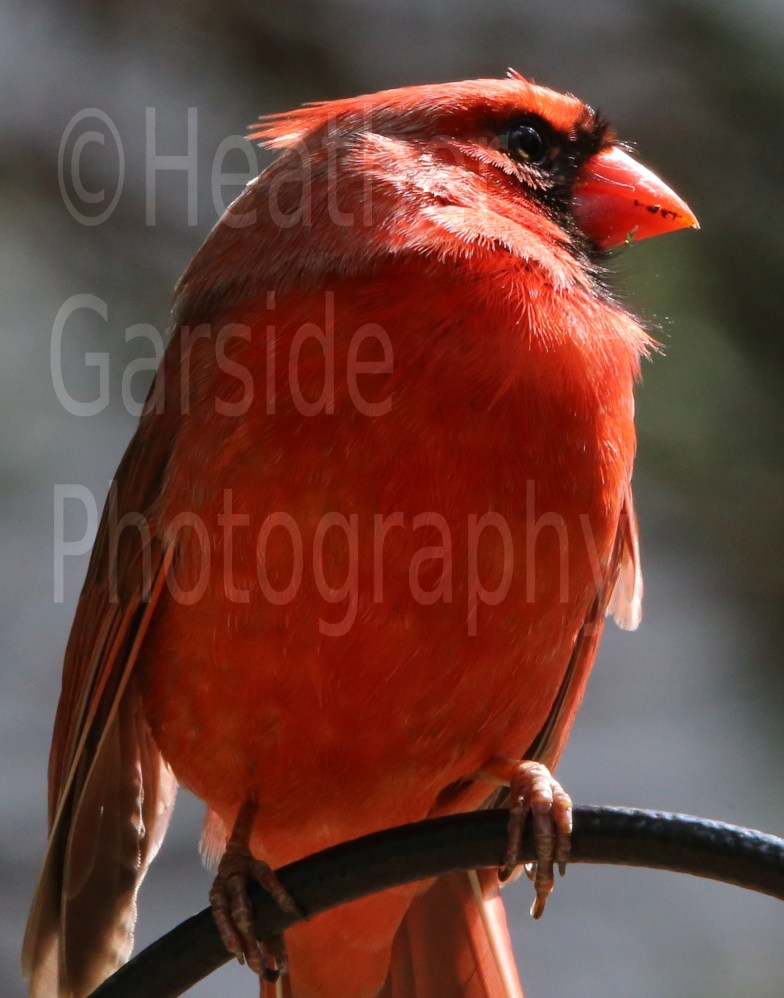
Despite their ubiquity, the appearance of a Northern Cardinal, especially the male Cardinal, still manages to wow and excite. Perhaps this is because most people can identify them with ease. Or is it because they stand out in a yard or the forest? Any way you try to spin it, the attraction of Cardinals is all about the red. Think about it, there is a reason traffic signs and lights are red. They grab our attention. So does the male Cardinal, often stealing the show from his fellow feeder friends.

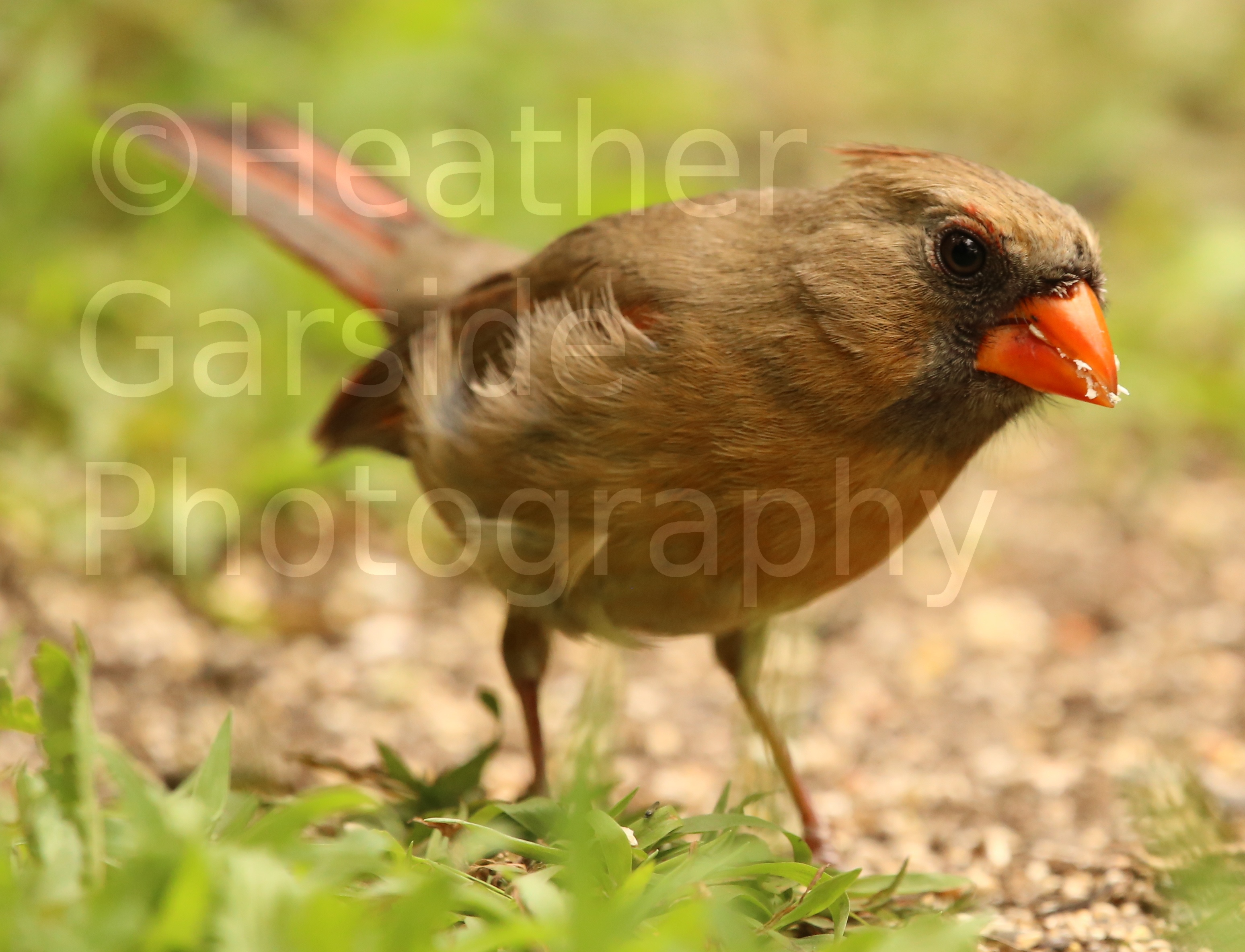
Cardinals are very common in my yard, visiting my feeders for long periods, or frequent trips depending on the season. They also brave the winters of New Jersey and do not migrate. This bravery has inspired many a holiday card and we often associate Cardinals with winter and the holiday season. The female Cardinals are often overlooked because they lack the male’s attention-grabbing coloring. Besides her golden brown color, her overall appearance is very similar to the male, and if you look closely, you will see she has red highlights on her wings, crest, tail and over her eyes.

Observing them in my own garden, I would say they are more aggressive than average, but not always unfriendly to birds of other species. I have seen both the males and females chase off sparrows and other birds, but they usually don’t interfere with birds on the opposite side of the feeder. It seems to me they have a very large personal bubble, which the sparrows, being sparrows, don’t seem to understand in the slightest. When they are feeling aggressive you can usually tell, both the male and the female will perk up the crest at the top of their head in warning.

When it comes to their own species, it is a bit more complicated. During the breeding season (Spring and Summer) the males are territorial. I have often seen a pair of Cardinals (one male and one female) visit my yard and feeders together. Sometimes they are a bit more cautious, with one of the pair observing the yard while the other is at the feeder or on the ground. That being said, it isn’t uncommon for them to visit the feeders together. According to my field guides, in winter they live in larger flocks, but I have never seen more than a male and female pair in my yard at one time (not that I am outside observing in the winter nearly as much as the other three seasons).

According to the Cornell Lab of Ornithology, Cardinals have at least sixteen different calls. I have observed at least two distinct calls. The more high- pitched version is usually what the male uses to attract a mate (in Spring) and they continue to use this call to communicate with each other throughout the summer. He has another call, which consists of an introductory call followed by short, quick whistles, often repeated with the shorter whistles increasing in number: one, then two, then three etc. This seems to be all about territory. Basically, “if you can hear this, you are way to close.” If you are good at whistling, you can imitate them, using the exact number of short whistles they use, right after them. Nothing like a good old whistle battle! Here are some examples of their songs and sounds: https://www.allaboutbirds.org/guide/Northern_Cardinal/sounds

Celery Farms

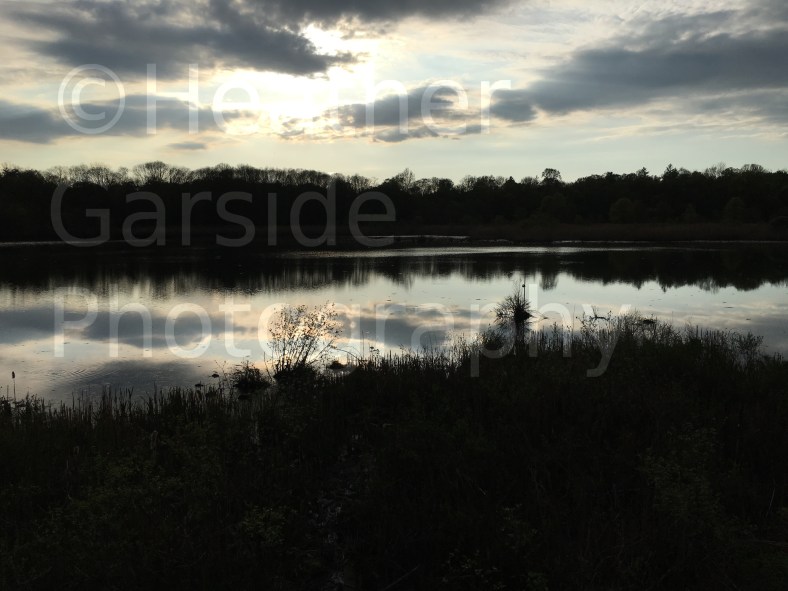
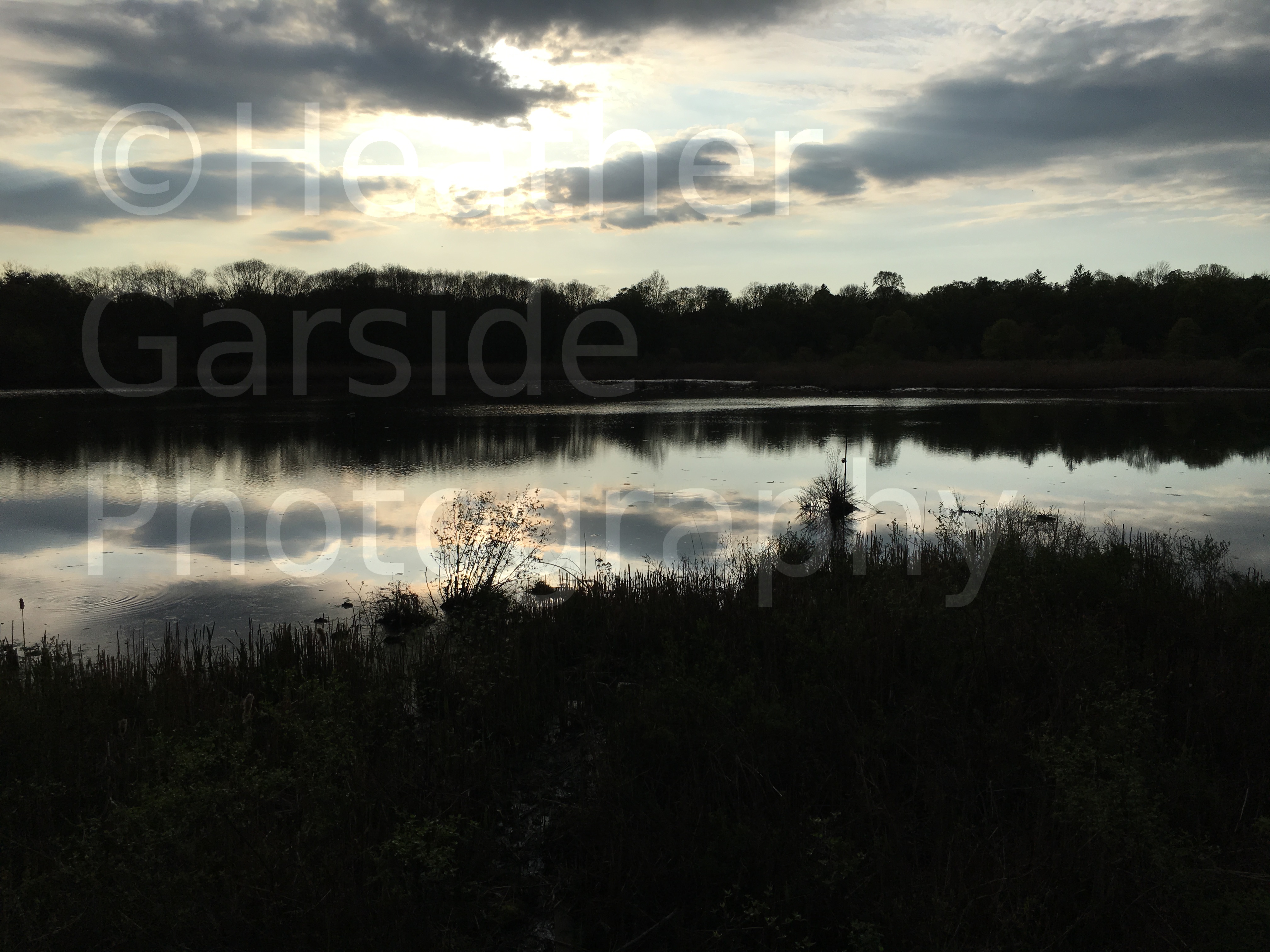
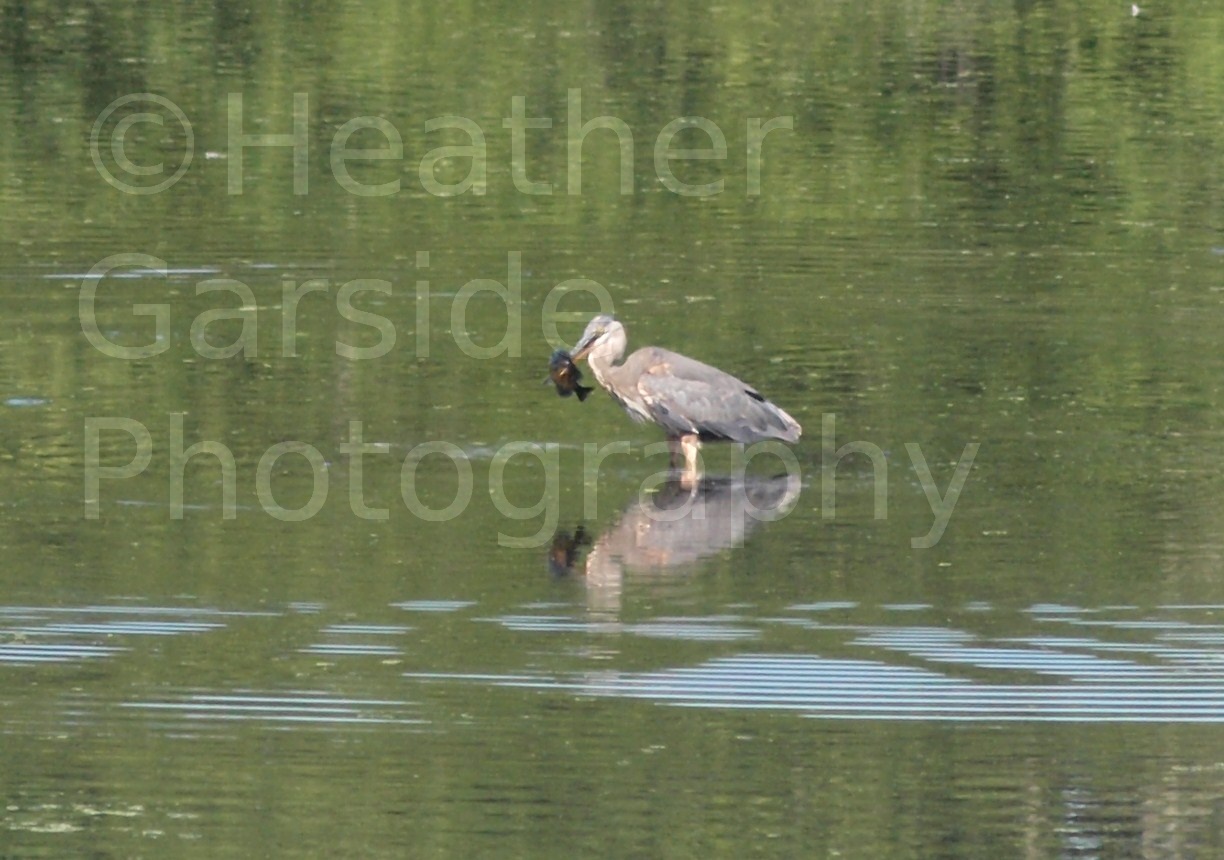
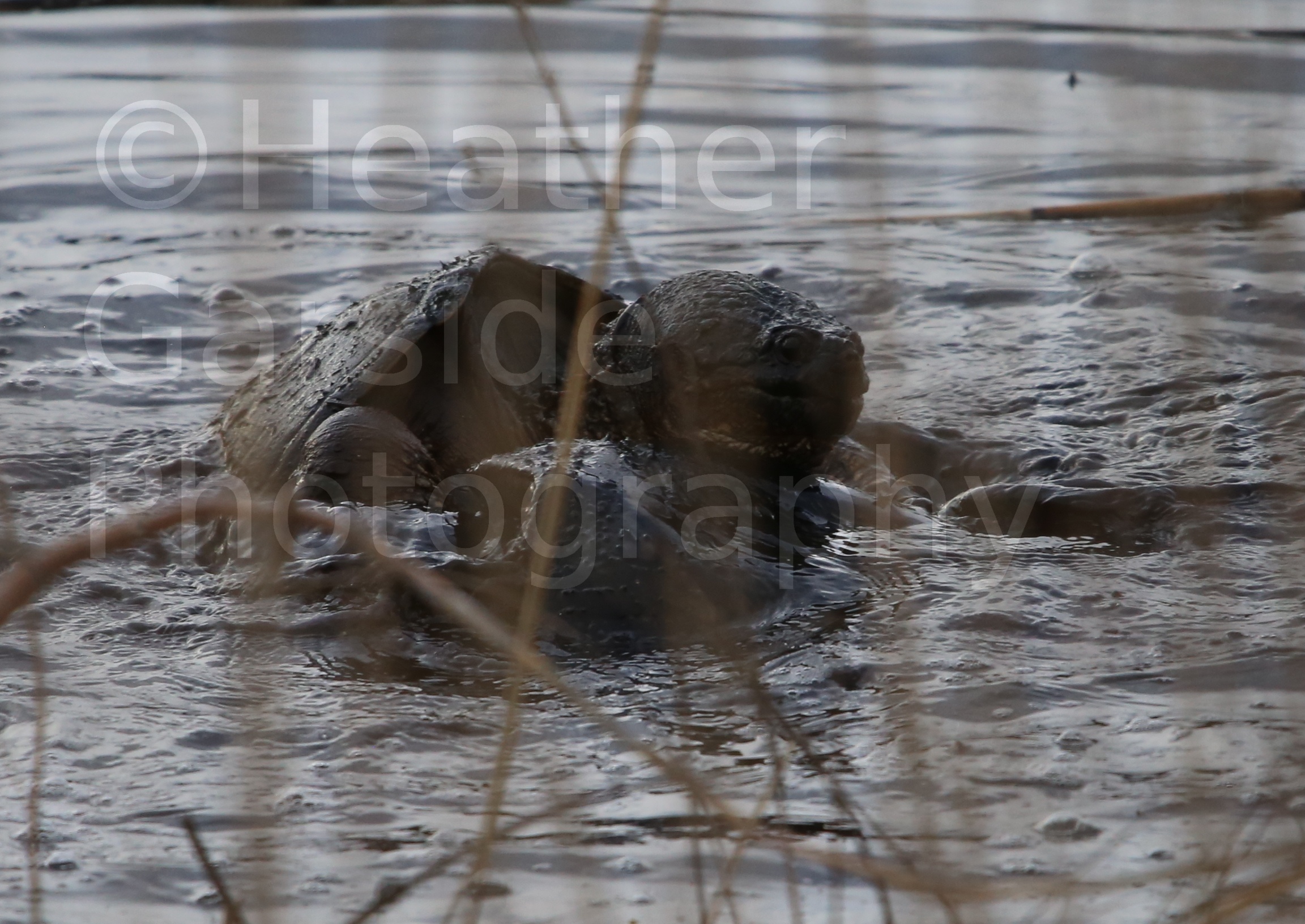
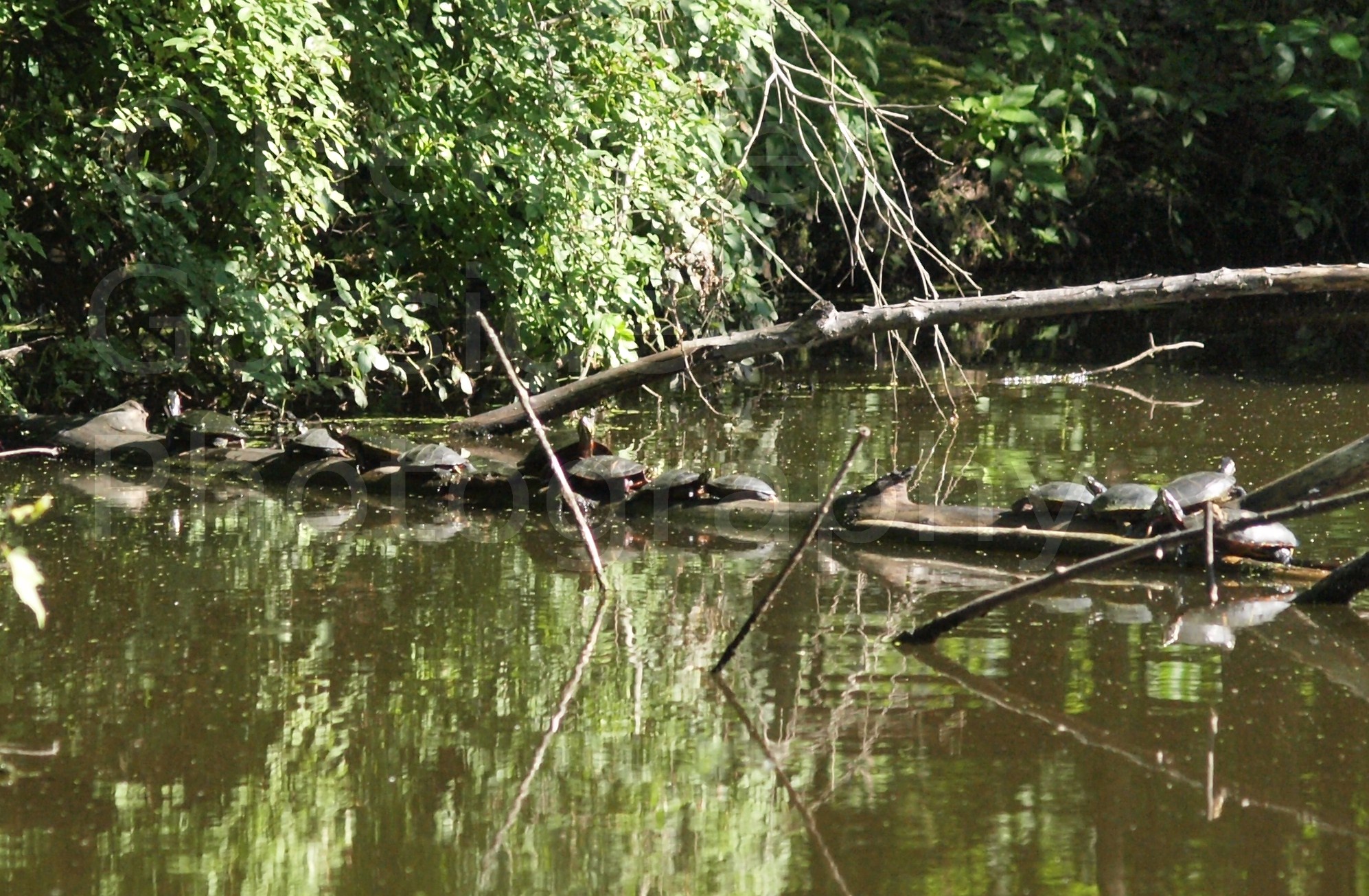
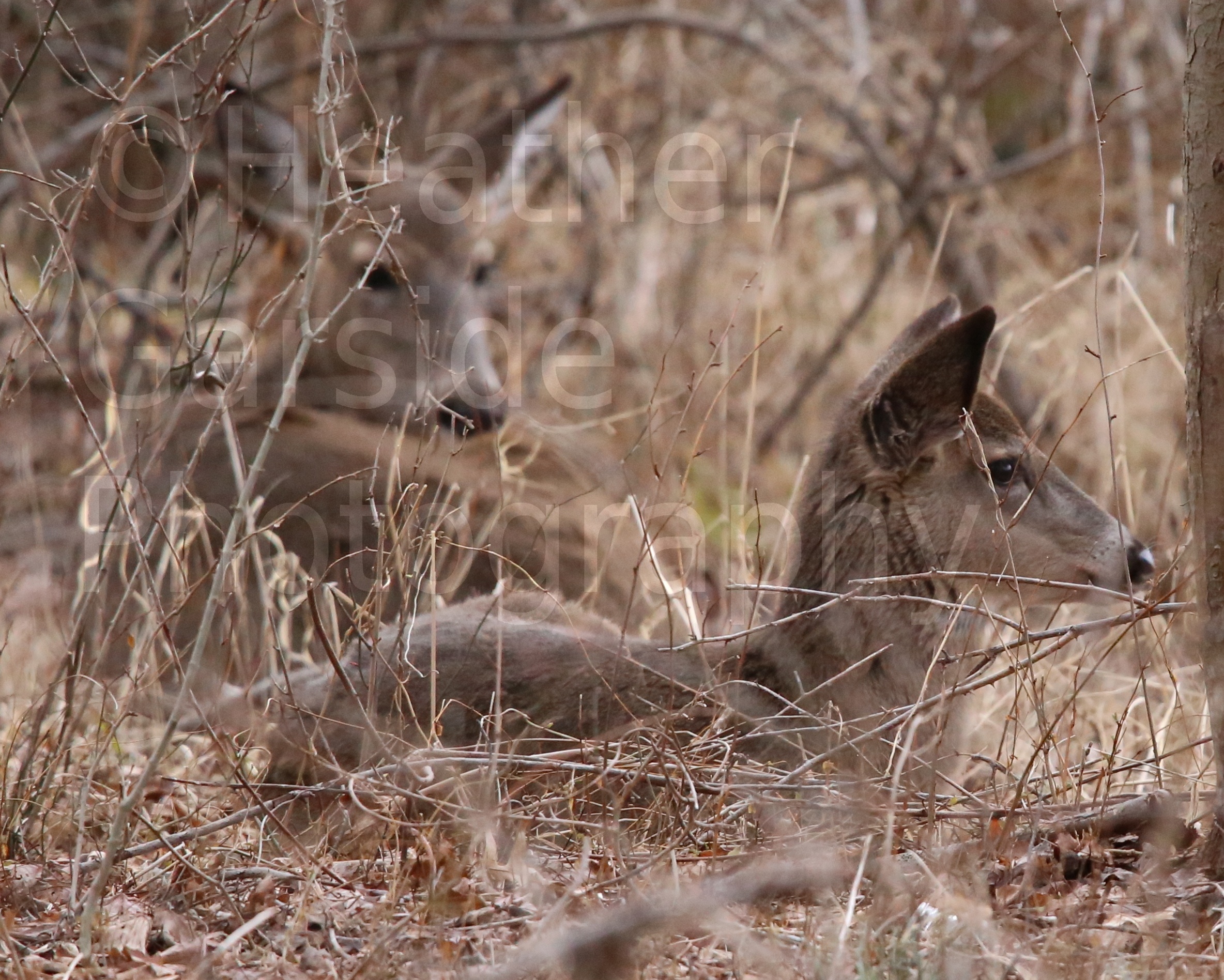
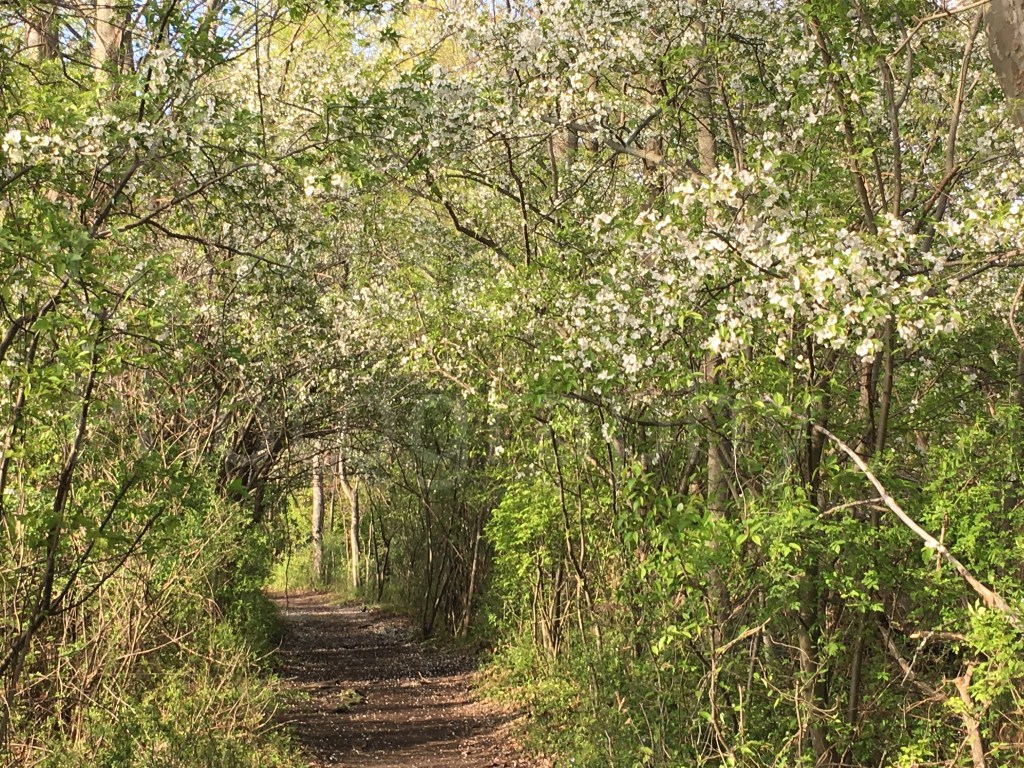
One of the places where I take frequent walks is the Celery Farms in Allendale, New Jersey. Doubtless I will mention it again. And again. There are many reasons I keep returning to this site, not the least of which is it is quick and easy to get to, and a fairly short loop. There are also, according to the website, 240 species of birds recorded. And that is only birds. Besides our feathered friends, there are countless deer, squirrels, chipmunks, painted turtles, and snapping turtles who make this wetland their home. On one occasion I even saw what I think was an otter. Butterflies can also be found, depending on the season. Considering that you can peek through the leaves on the trees and see into the backyards of suburban New Jersey, this place is pretty wild.

Formerly a farm, this space was flooded to create a lake and wetland habitat, with a stream running along the trail on one side of the loop. The trail is about a mile and is muddy eight times out of ten. Flat and easy to walk, but watch out for tree roots. It is a pretty popular trail for walkers, joggers and other bird watchers so don’t expect to feel like the only human left on earth. That being said, the Preserve doesn’t allow boats, dogs or fishing, so it can be more peaceful than similar spaces.

Besides some well placed benches, there are also several observation platforms where one can get a good vantage point over the lake from various angles. One of the platforms even has benches when you get to the top, so hanging around to bird watch is pretty easy.

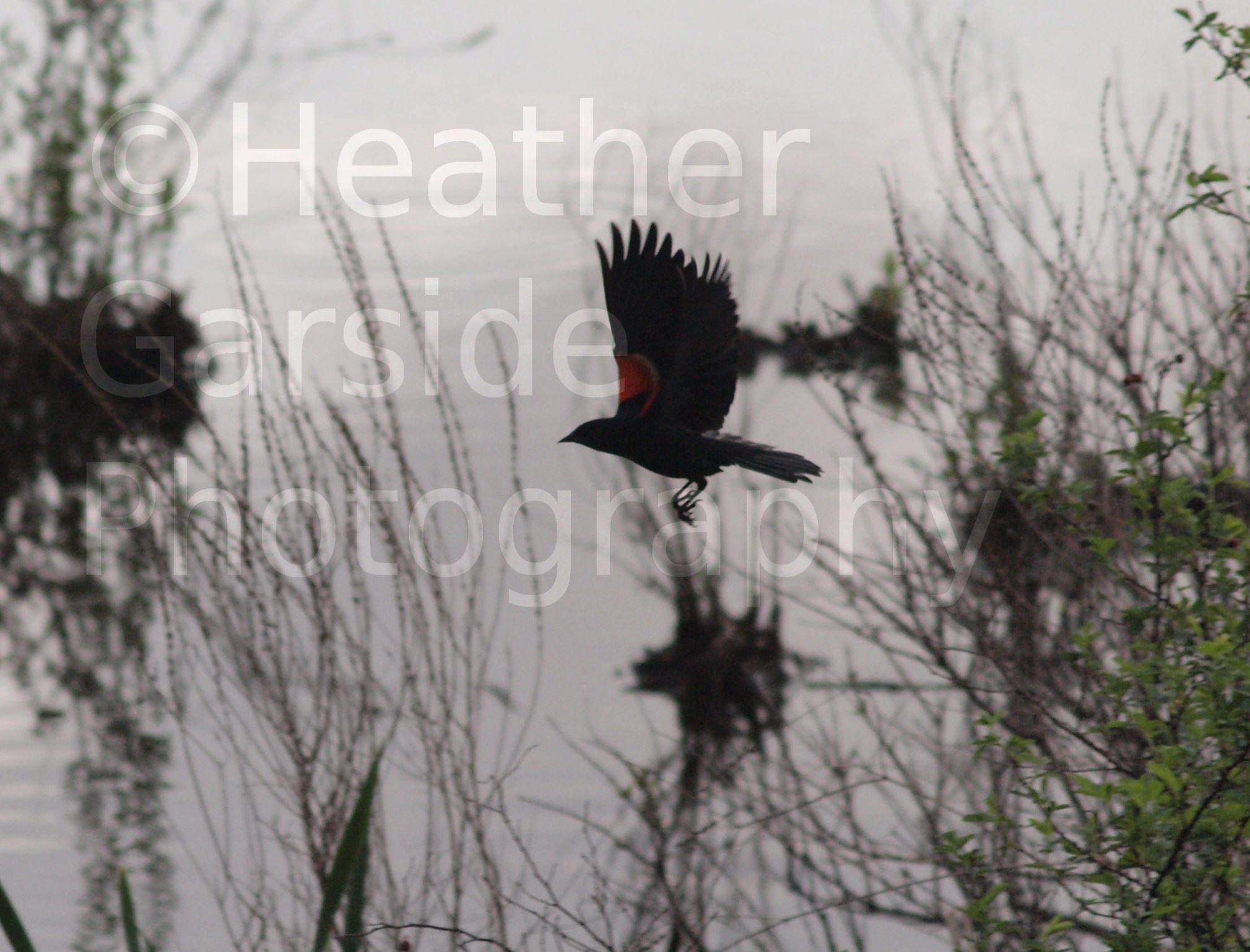
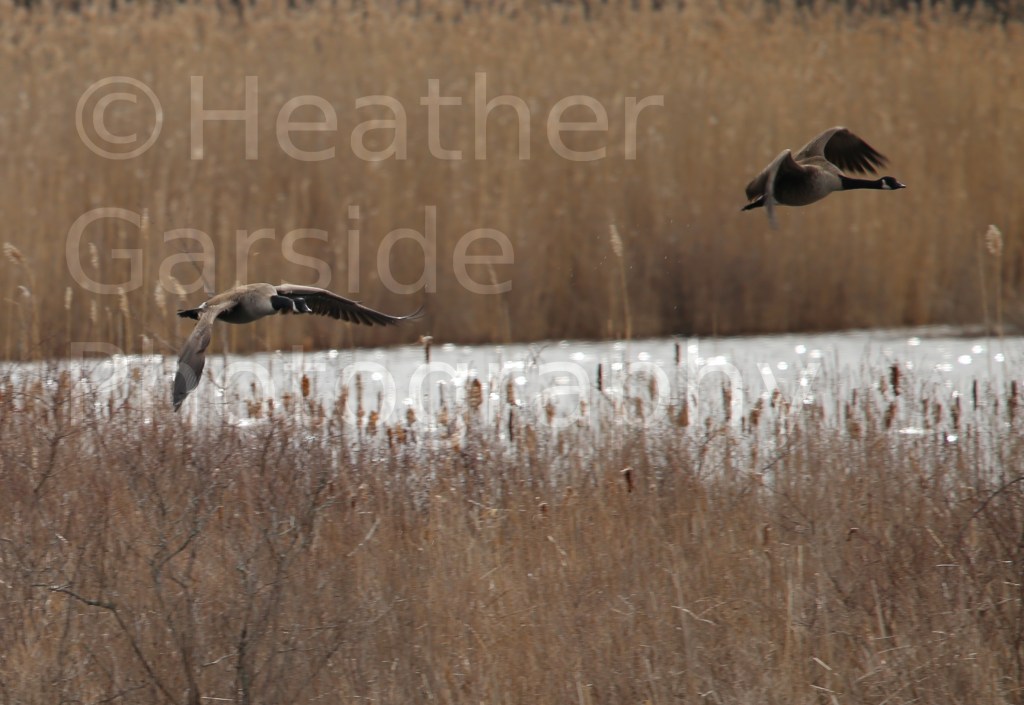
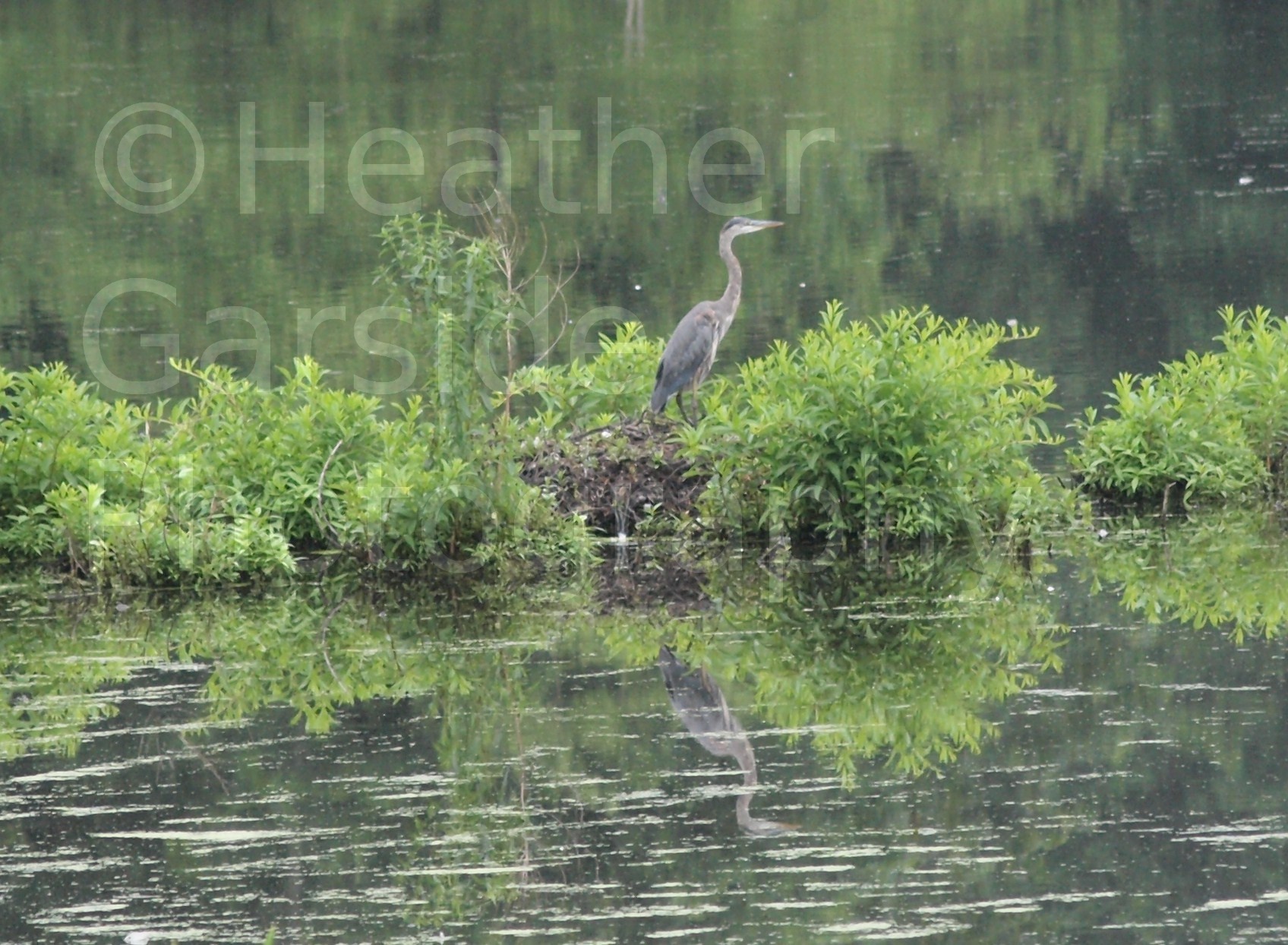
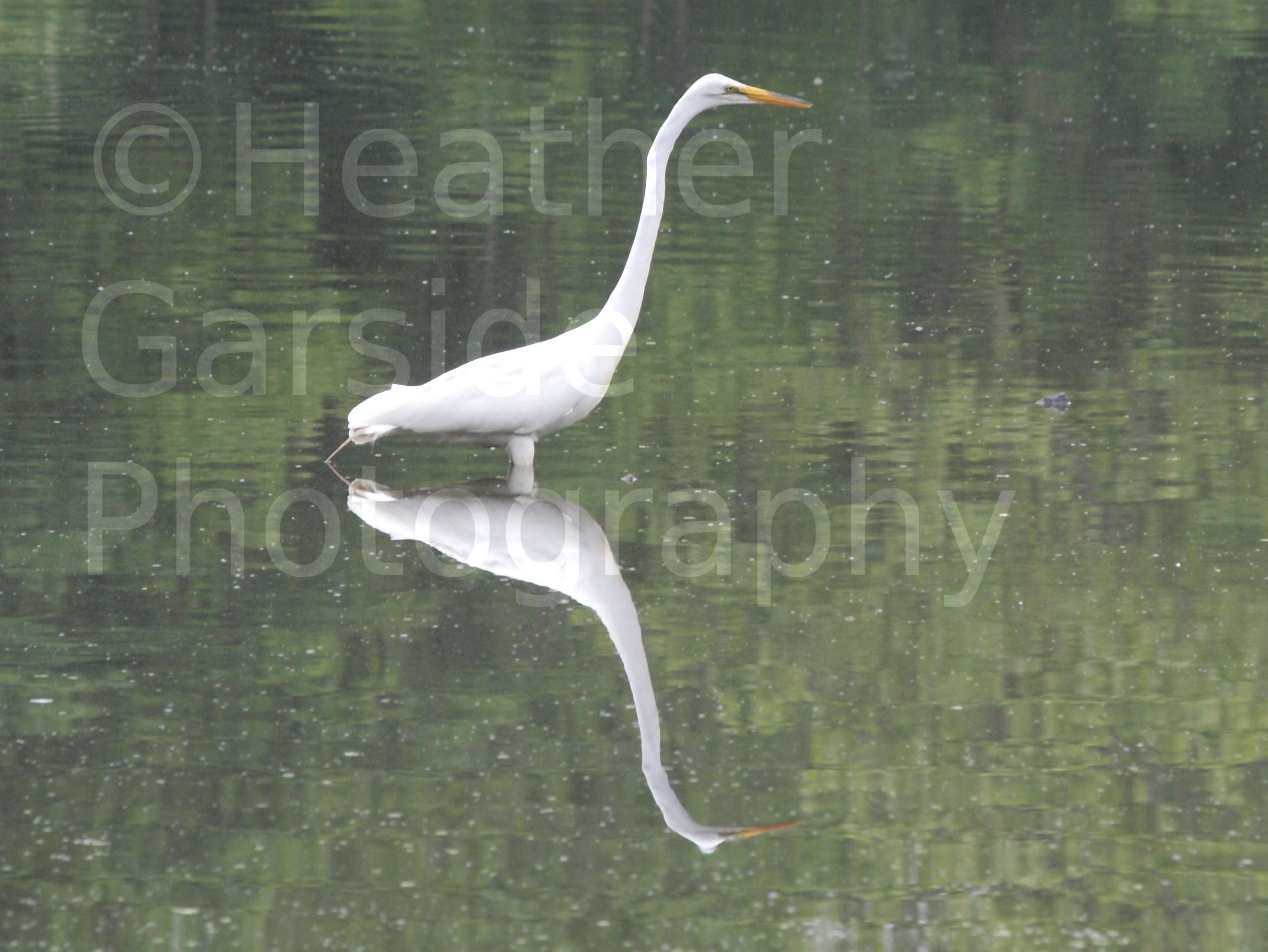
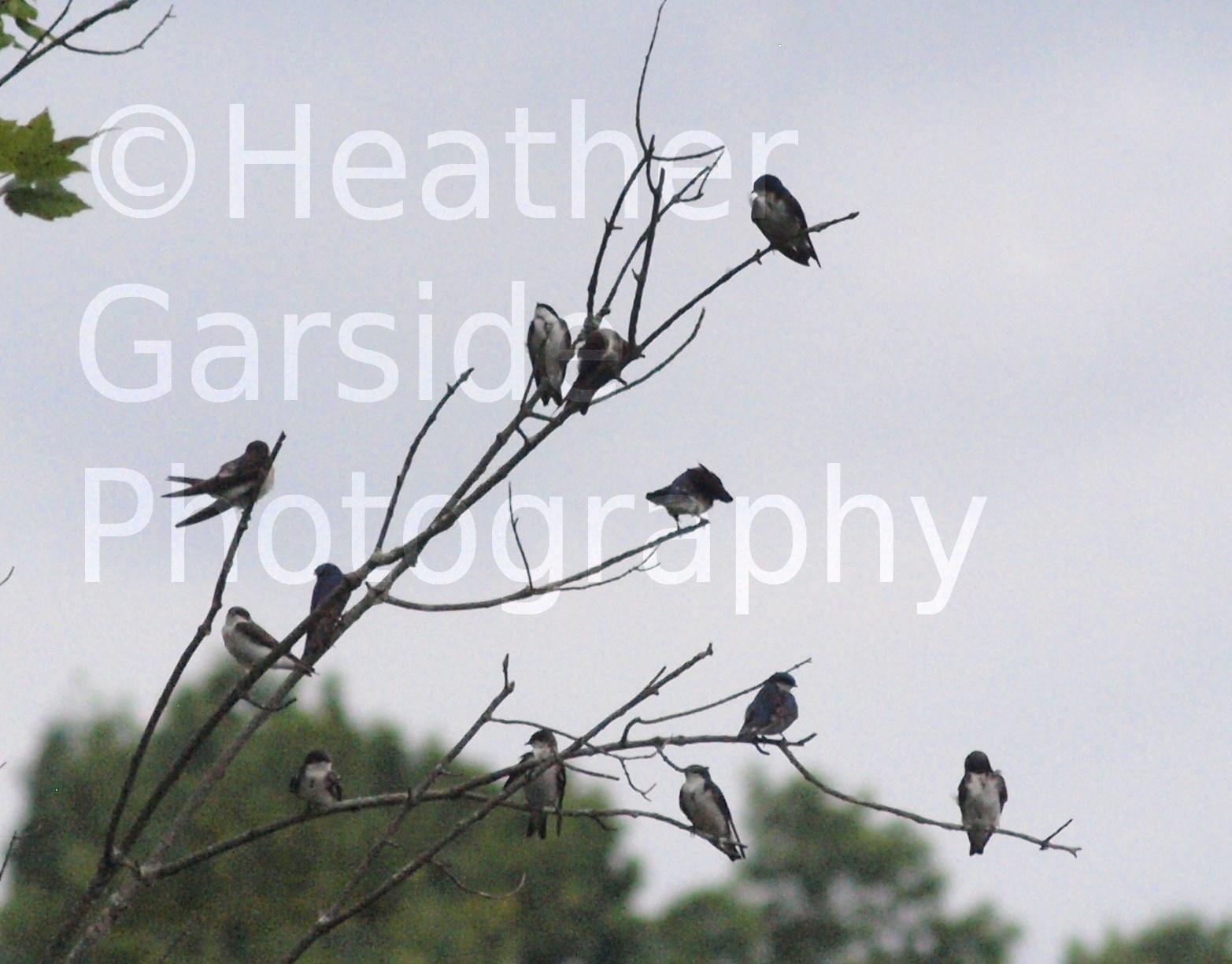
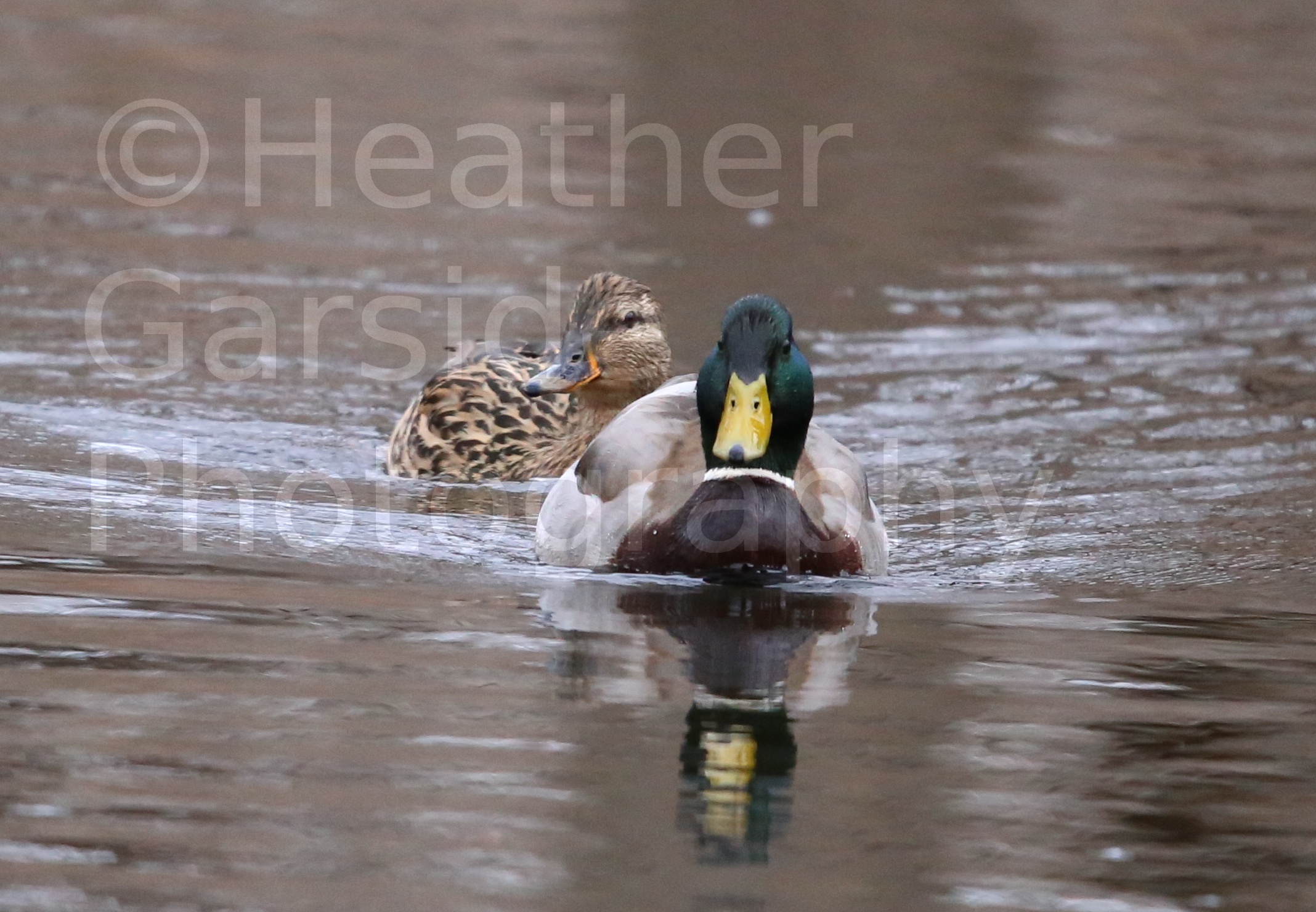
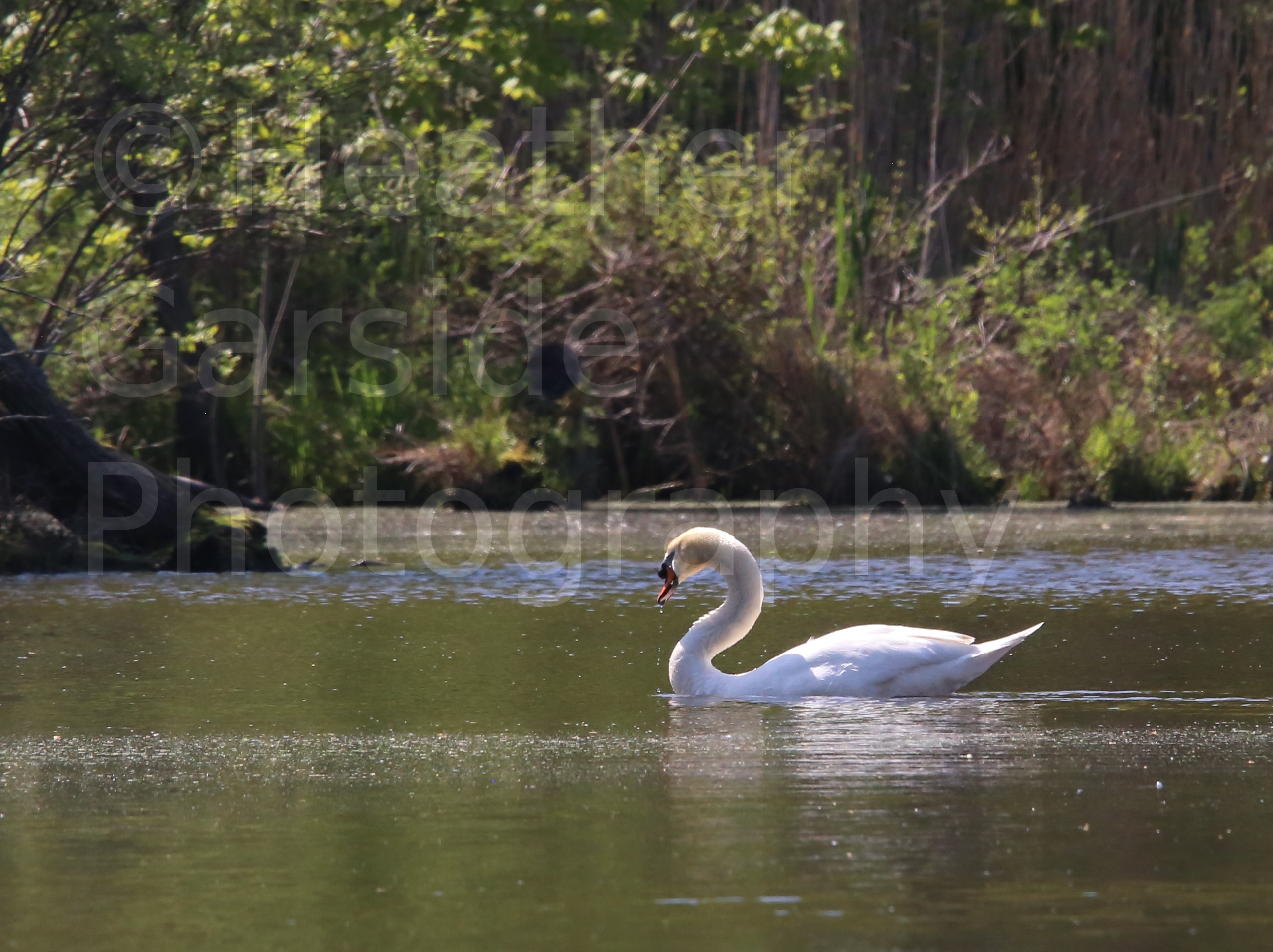
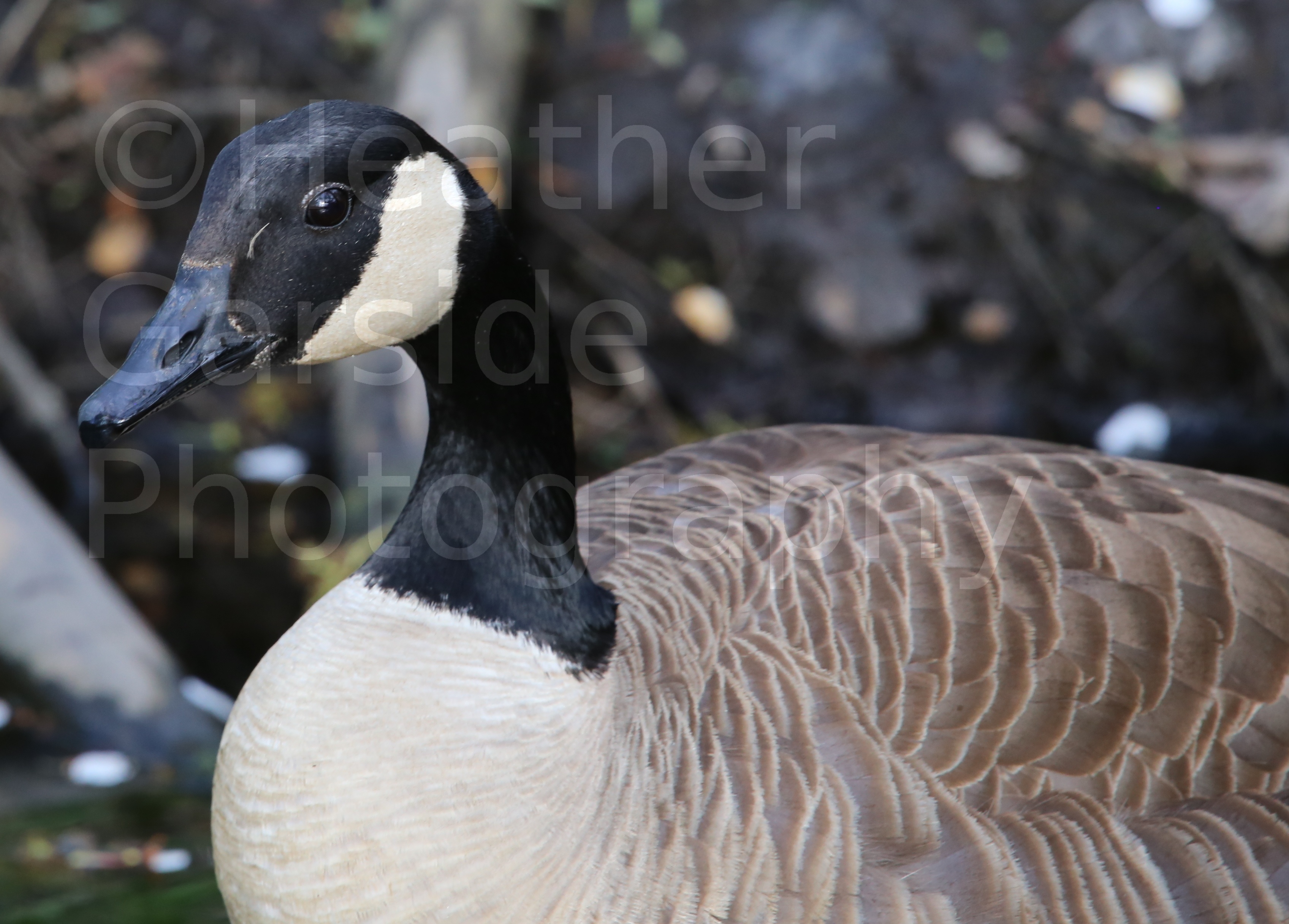
As you would expect in a wetland habitat, you will likely see Red-Winged Blackbirds, Great Egrets, Great Blue Heron, Tree Swallows, Canada Geese, Mute Swans and a variety of duck species.

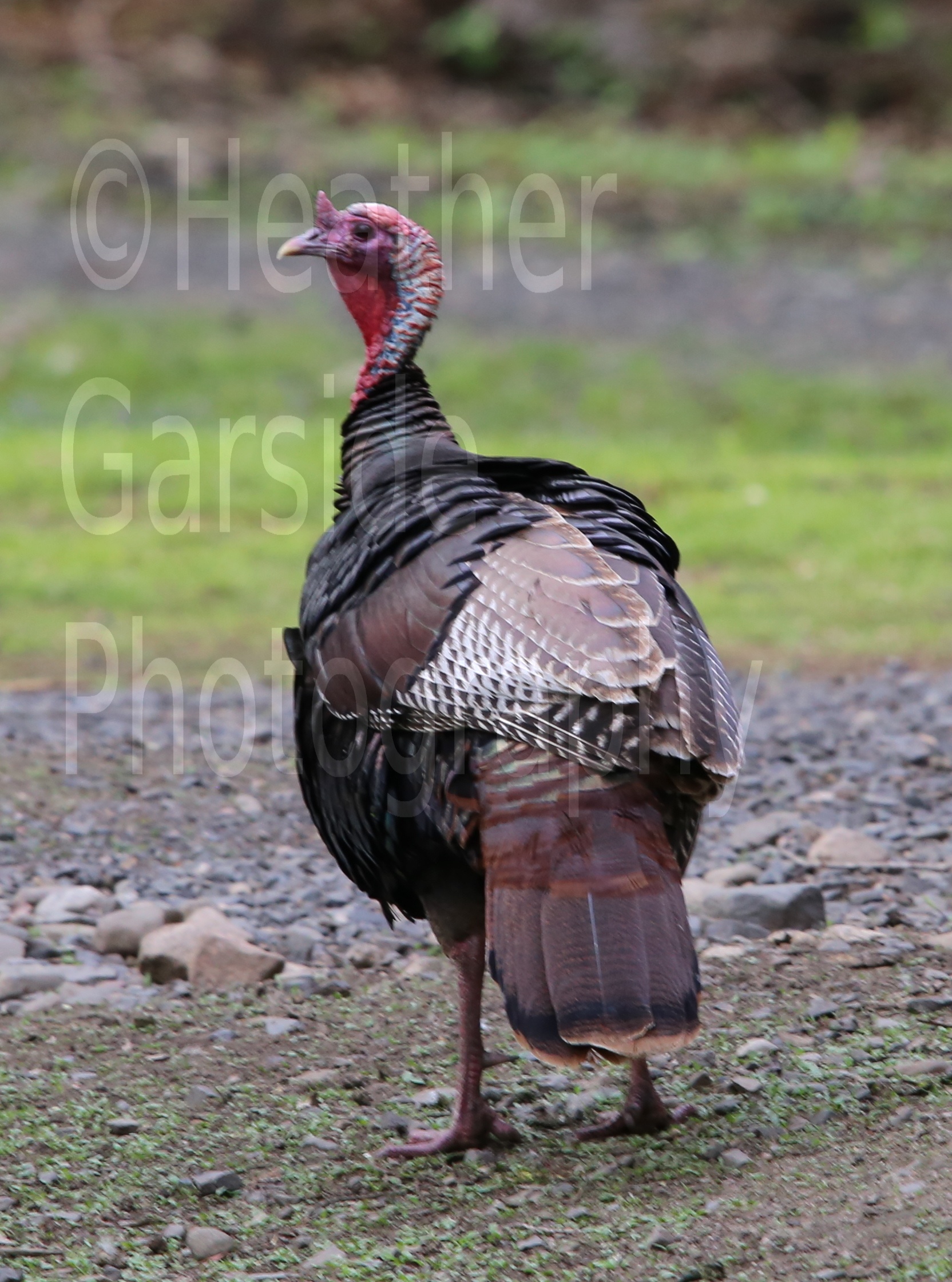
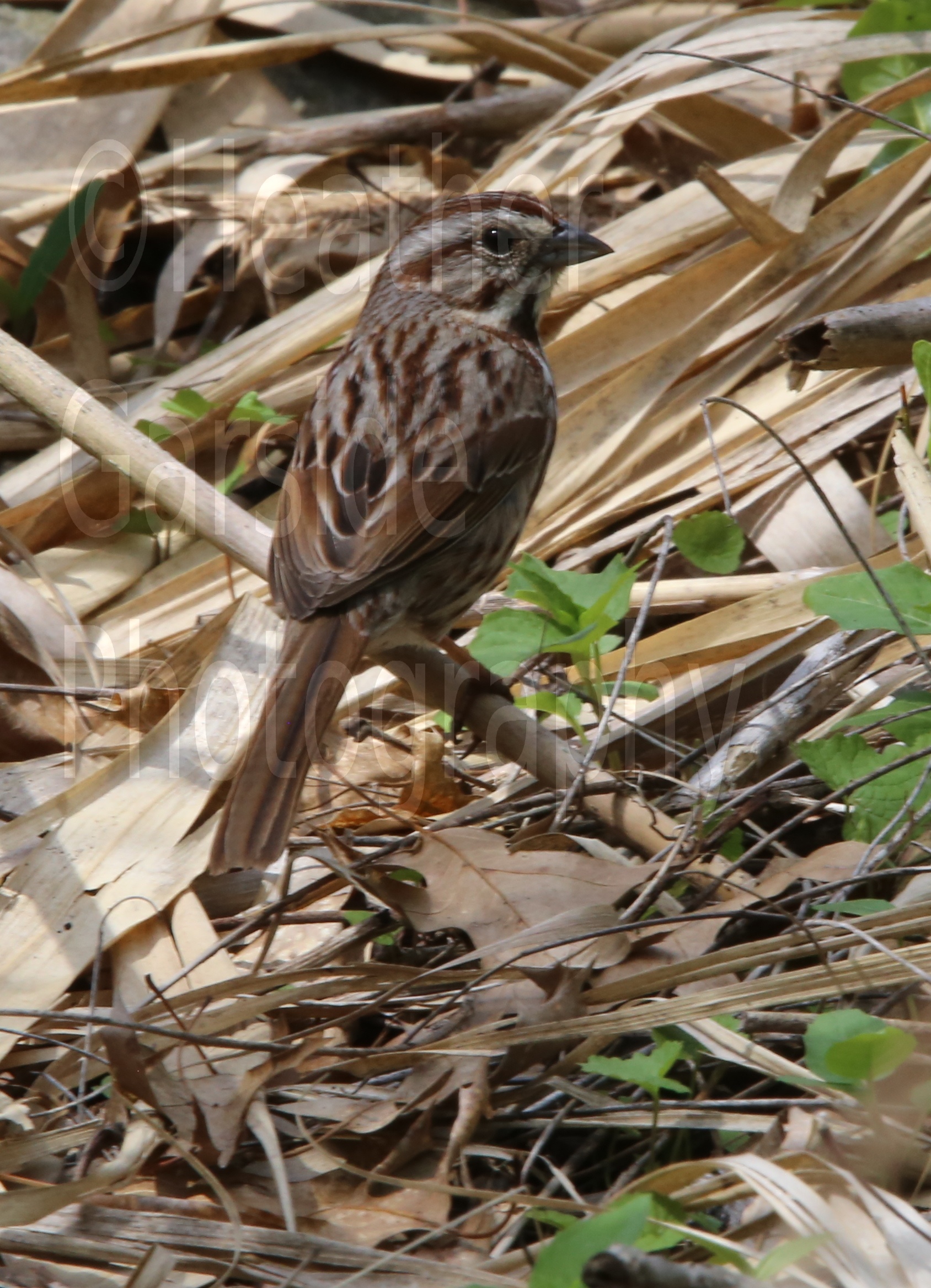
In the wooded areas turkeys, robins, cardinals and a variety of sparrows are common and you usually hear the turkeys, and woodpeckers.

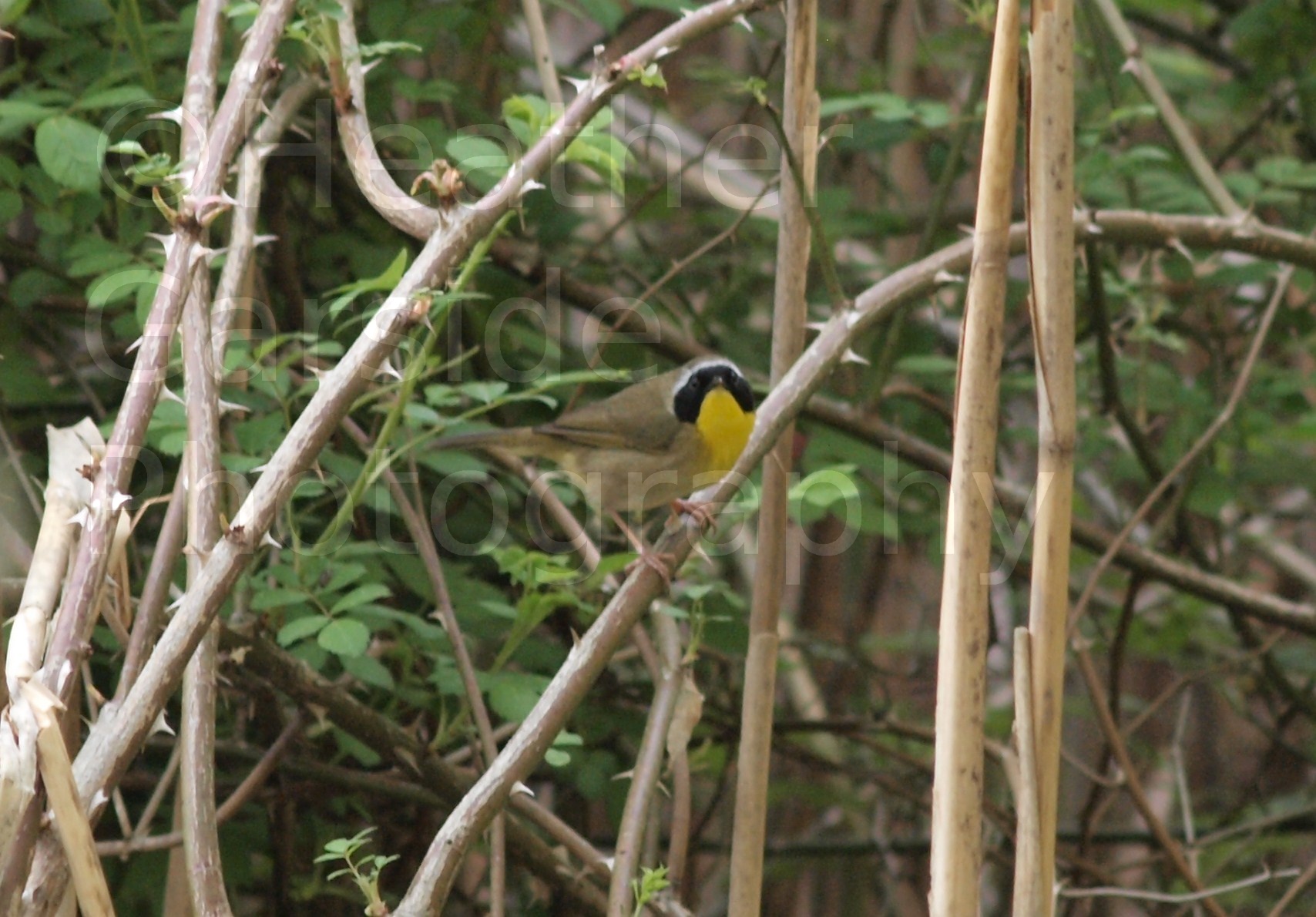
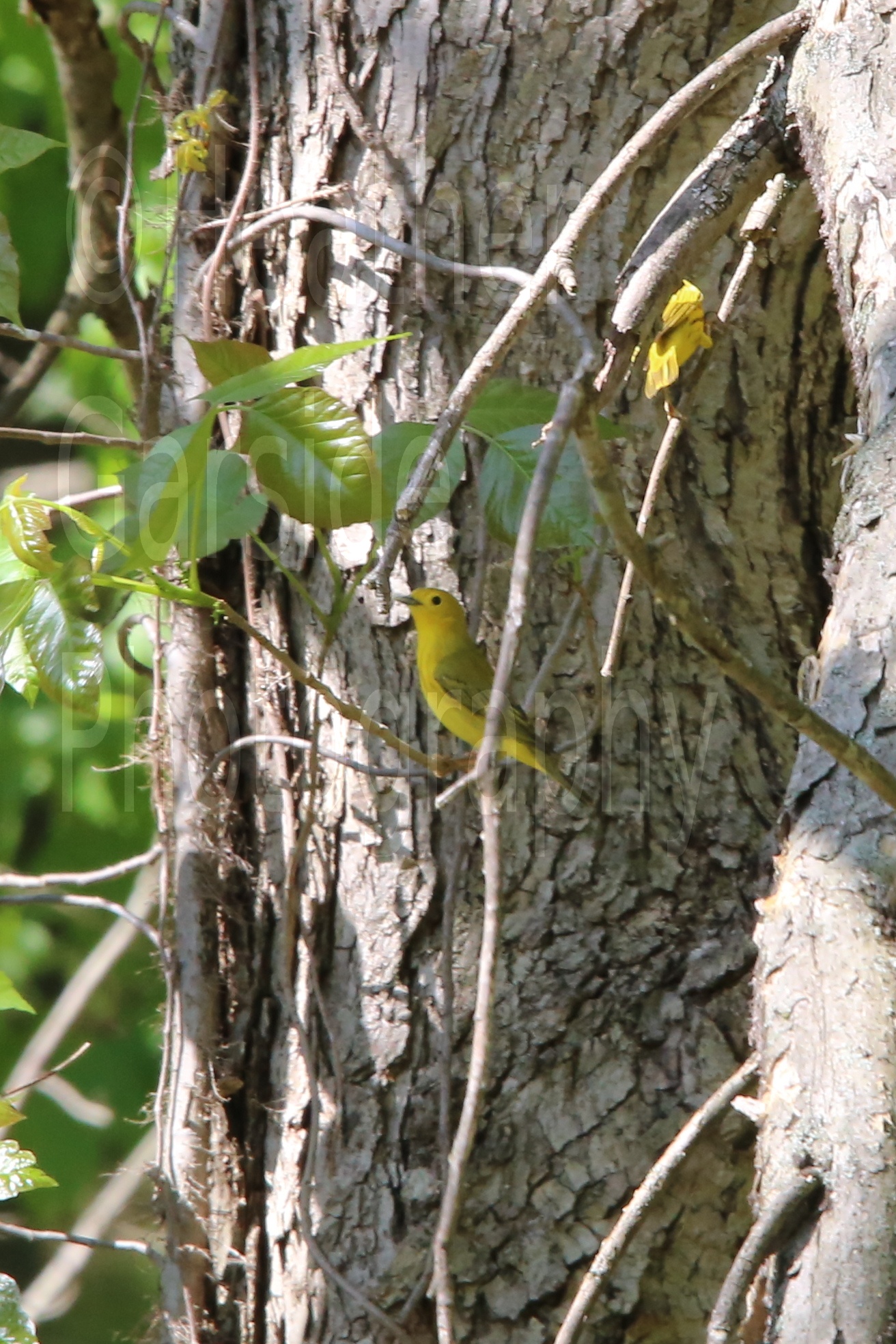
The smaller birds are often a bit harder to spot among the vegetation, but finches and chickadees are frequent visits, as well as a variety of warblers, if you are lucky to catch sight of one!

To find out more about the Celery Farms and to see a map of the Preserve, visit http://www.fykenature.org/celeryfarm.html

Introduction

Bird watching is a great hobby as it is easy to do anywhere. In theory it’s free, unless you get addicted and begin bribing birds to your yard with numerous feeders like I do! It encourages us to take in nature more generally and often motivates us to walk in parks or on trails, getting much needed exercise and fresh air. However, the thing I like most about bird watching as a hobby is that you can dedicate as much or as little time as you have. There are whole days I have sat in my yard with a camera and a book. But I can also come home and sit outside for a few hours, unwinding after work and allowing myself to relax.

I have always liked nature, camping, hiking etc., but I didn’t really get into bird watching until we moved from the city into the suburbs…a heavily treed suburb. Sitting by the window with my warm drink, I would often see flashes of color fly past. Sometimes I knew it was a blue jay or a cardinal, but I wanted to know more about the other flashes I was seeing. I was given a bird identification book for Christmas 2015, along with my first feeder pole and feeder. Before I knew it, I was hooked! And bird watching turns out to be contagious. After seeing my photos, my parents purchased some bird feeders, their own field guide and we have all been bird watching ever since.

This blog is a way for me to share some of my bird photographs, but I also want to provide some facts and figures along the way, as well as some of my own observations. I want to be clear that I have no background or formal training in any science field, so most of the information I will share comes from field guides.