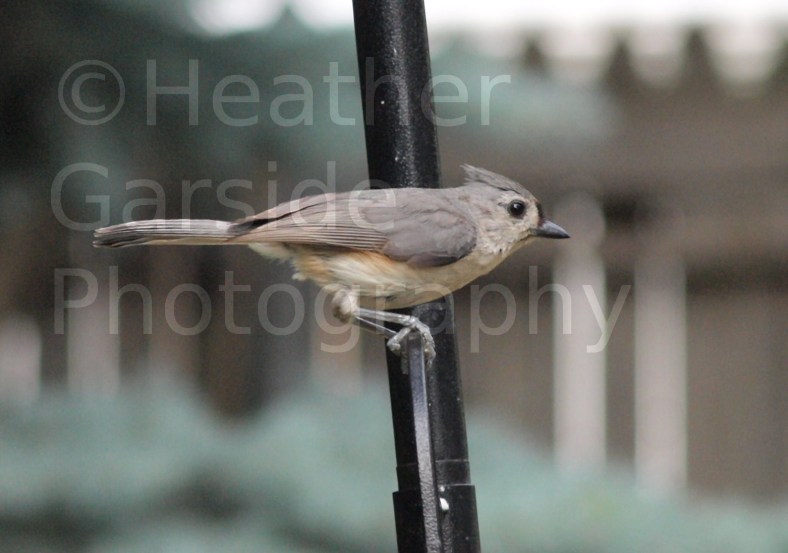
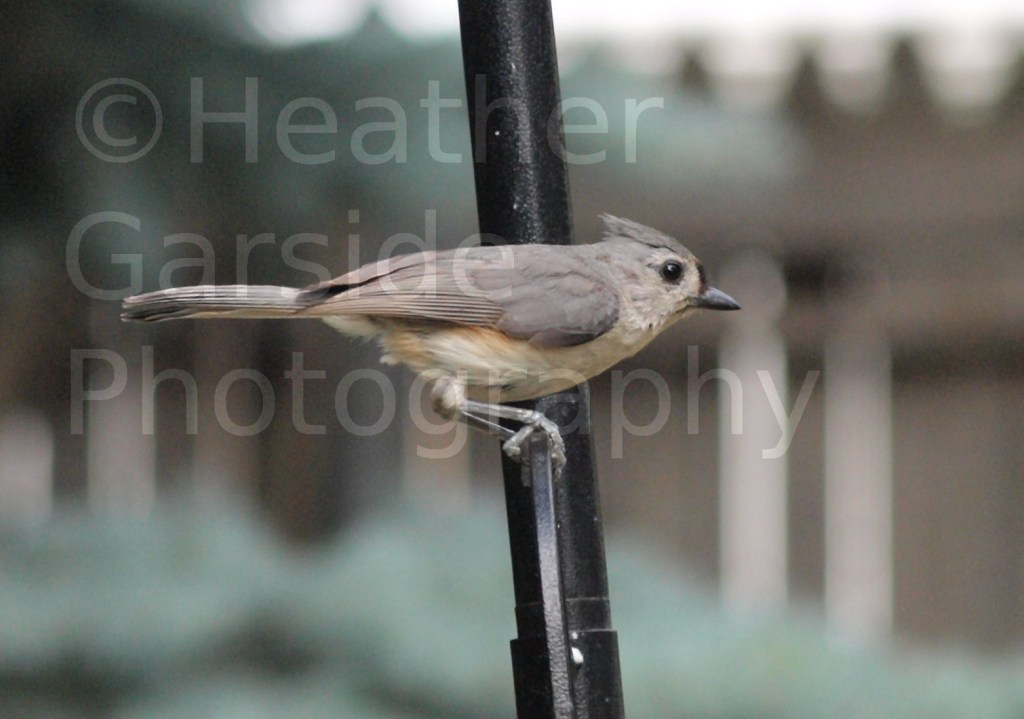
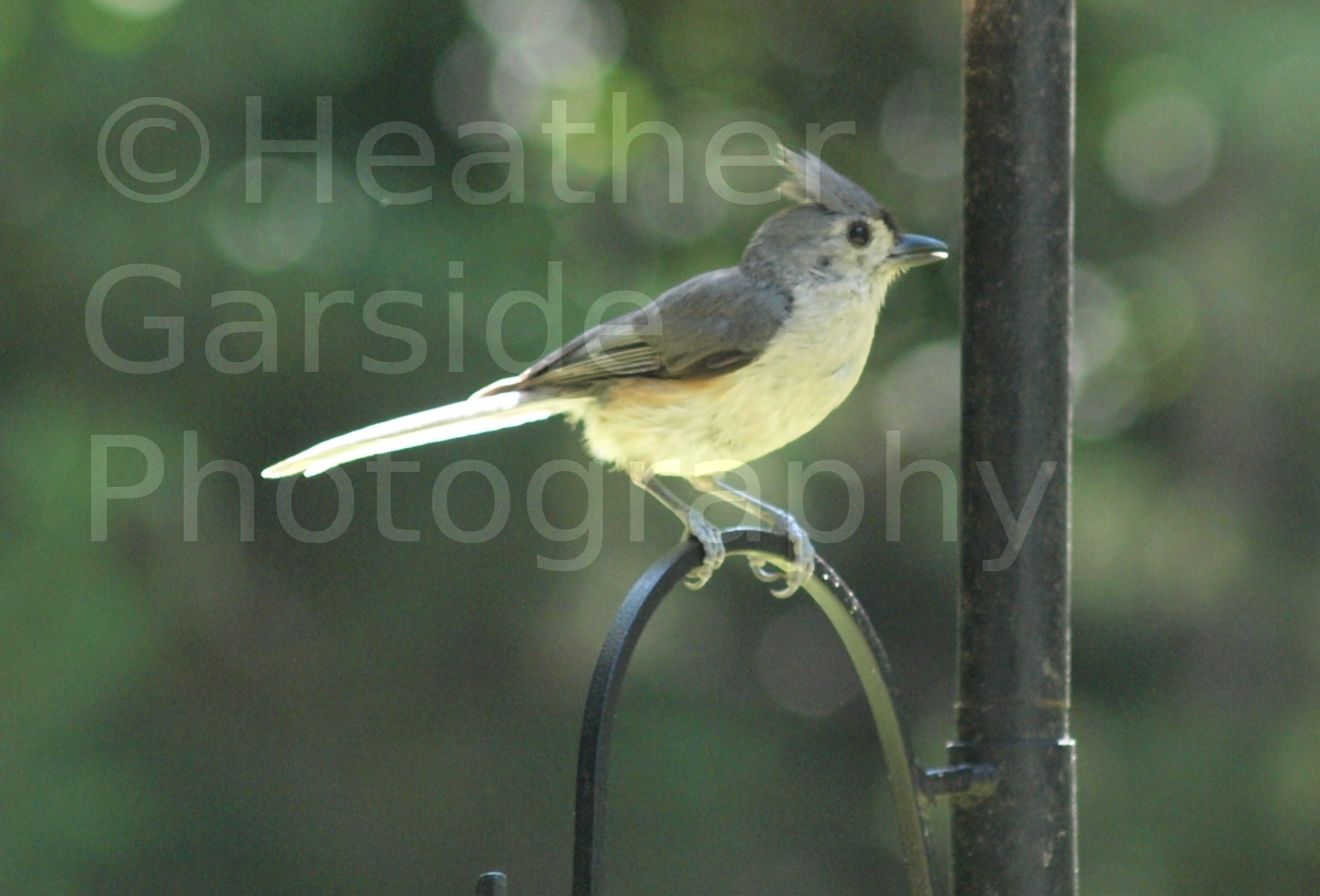
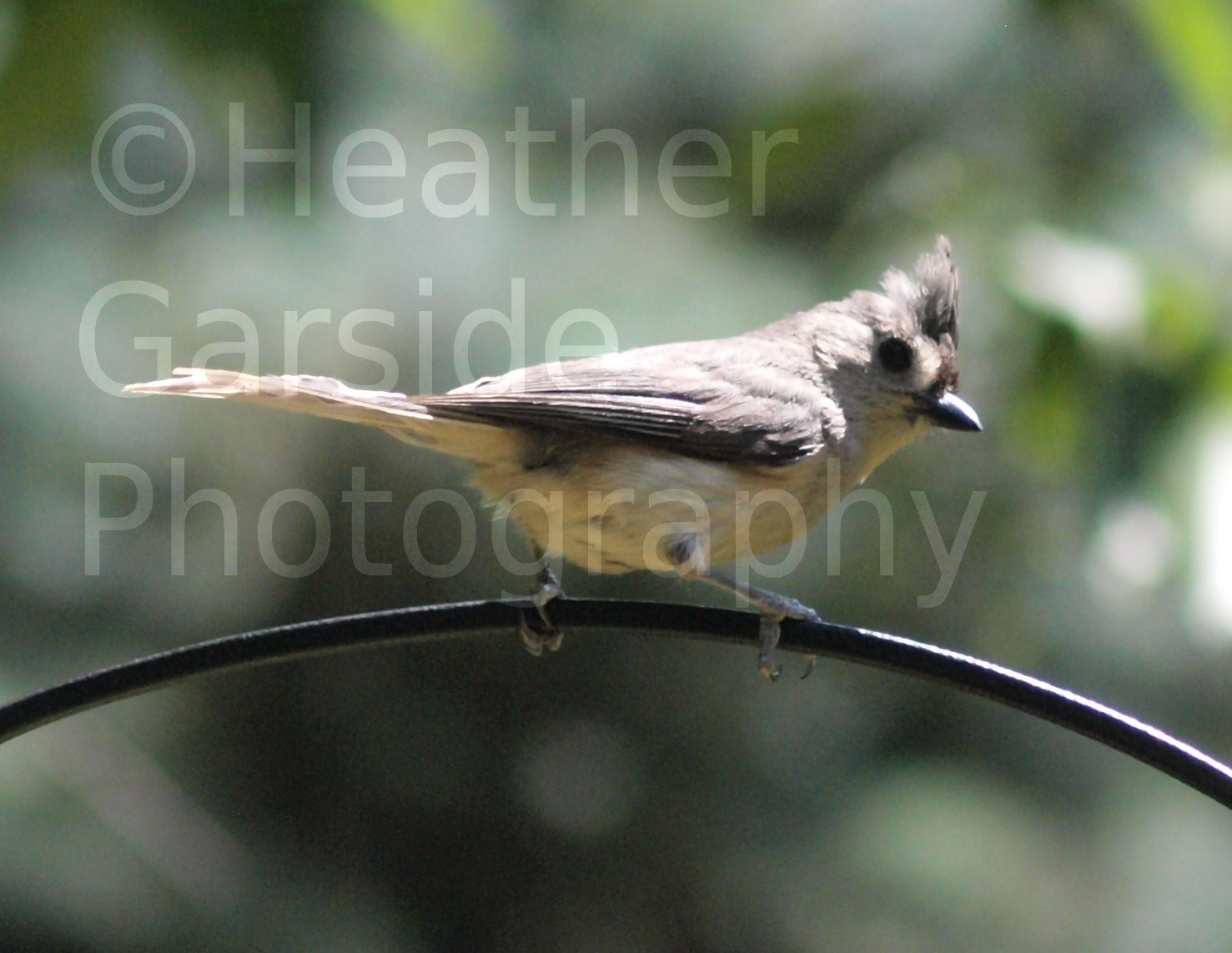
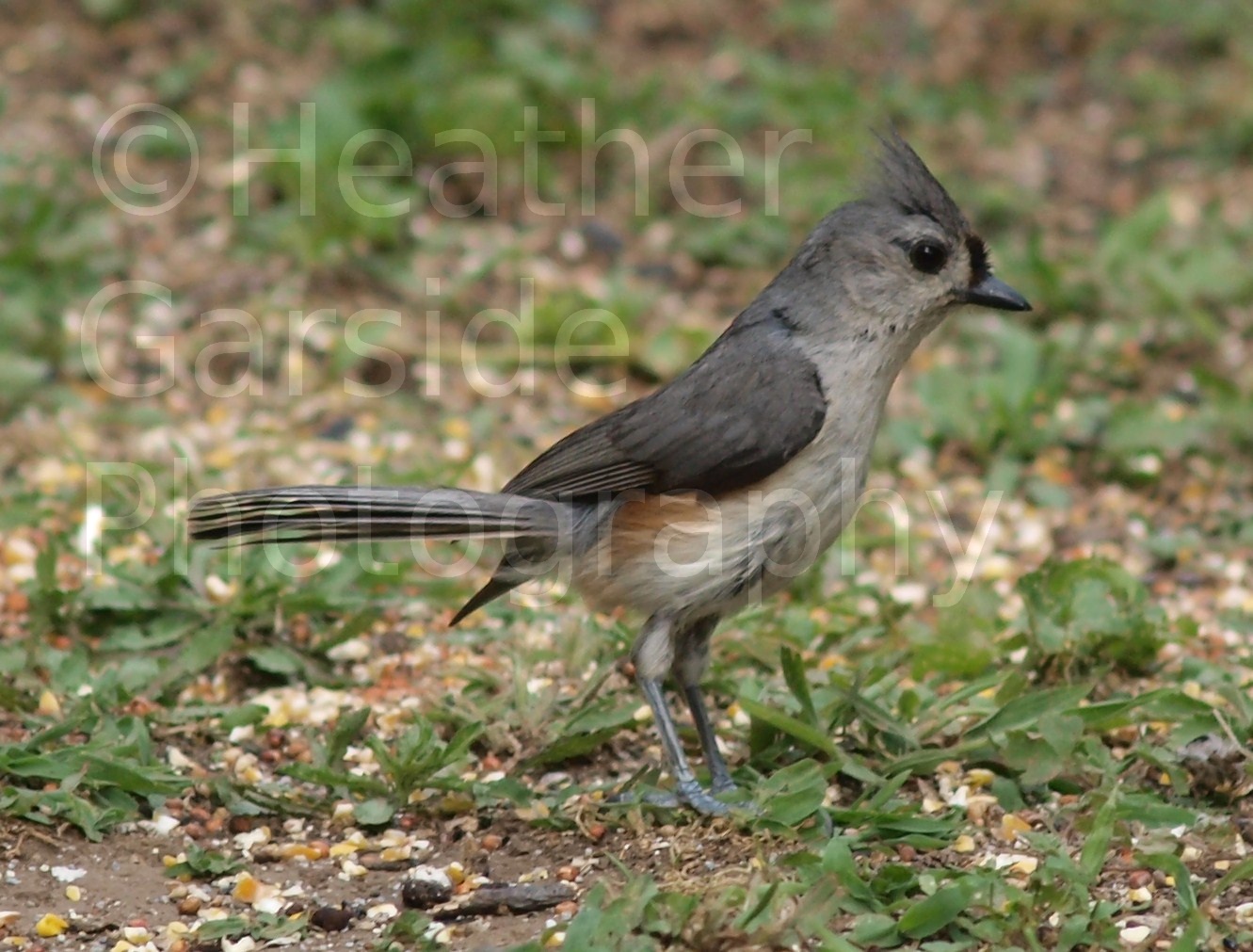
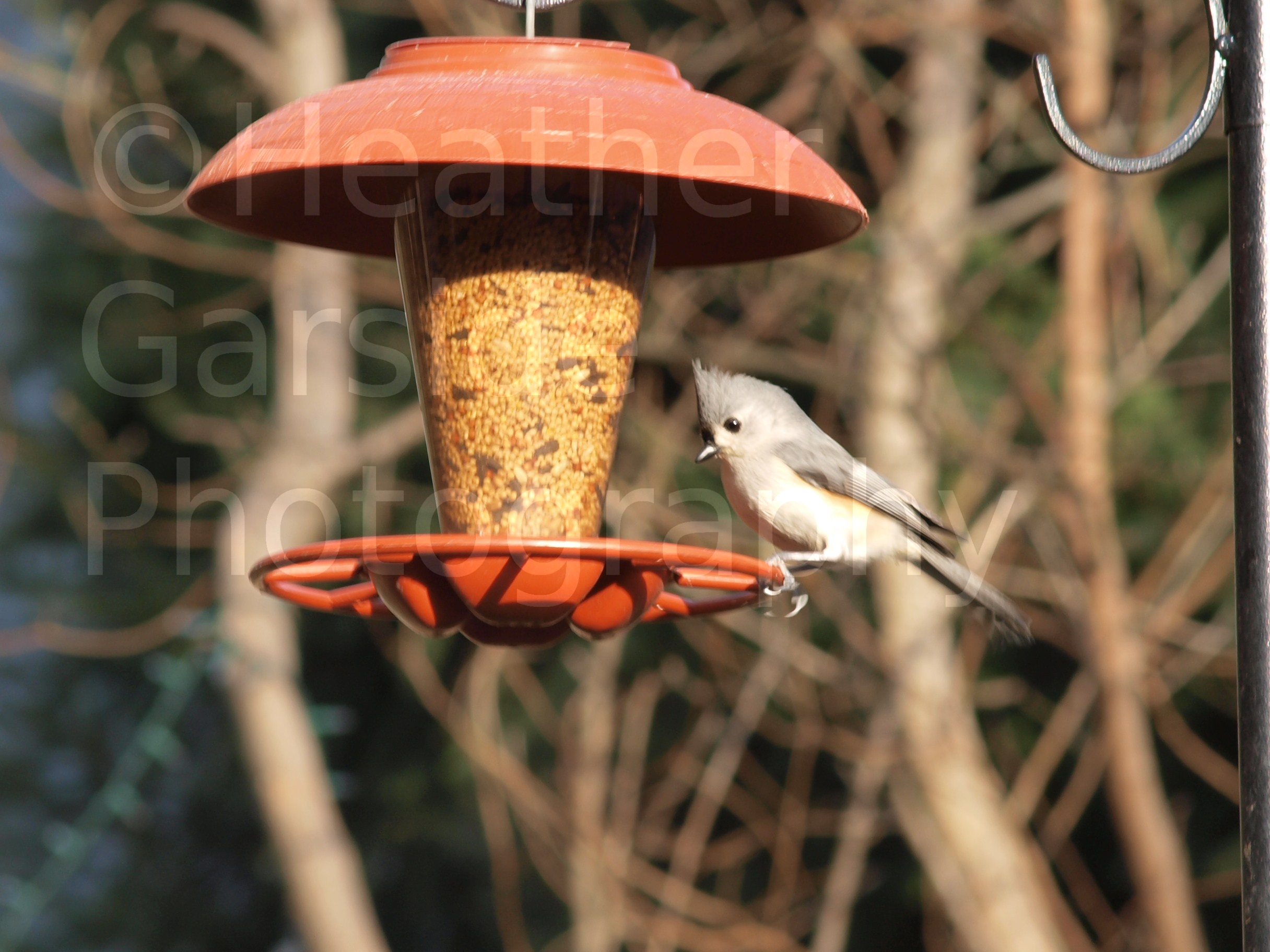
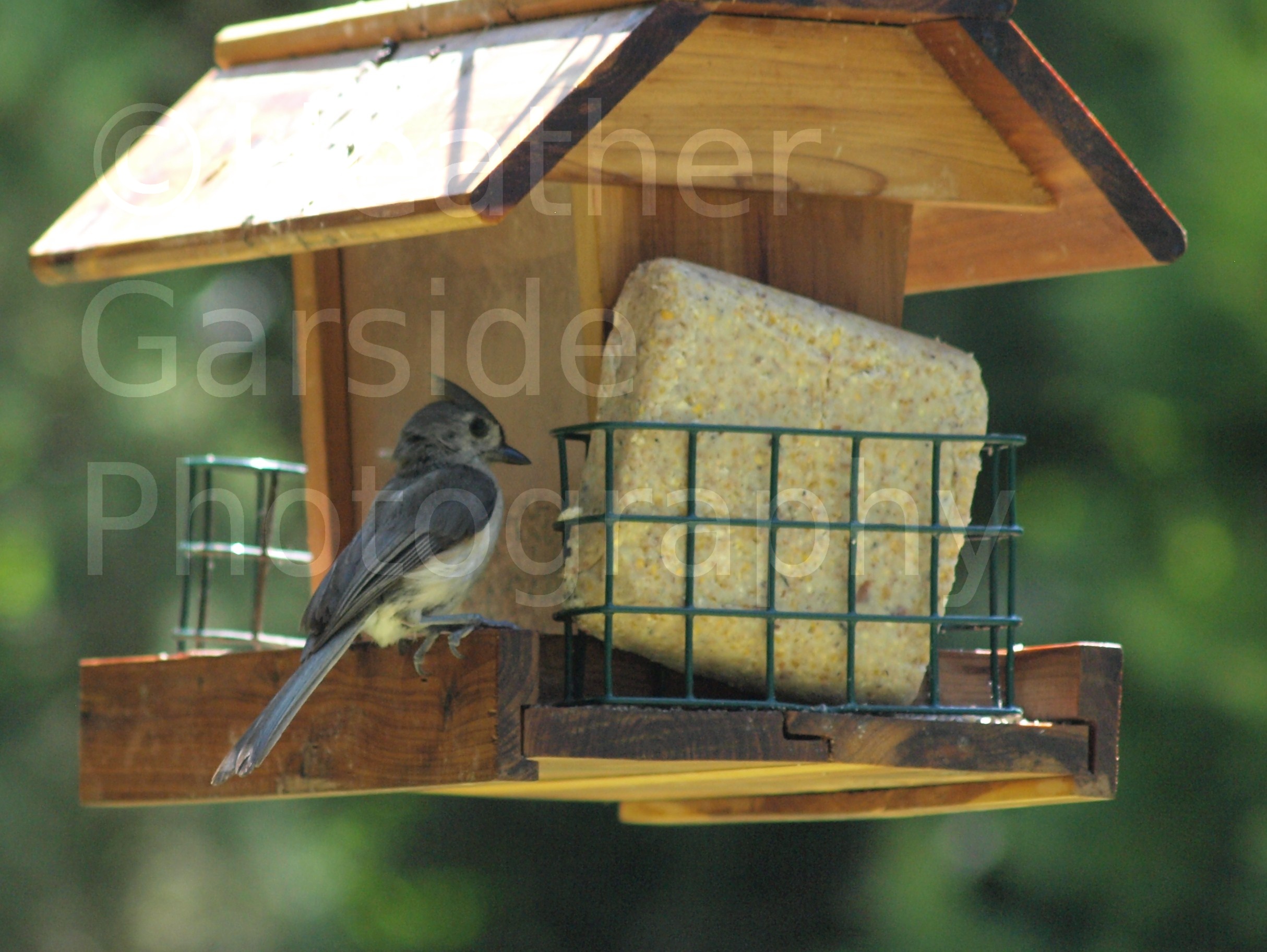
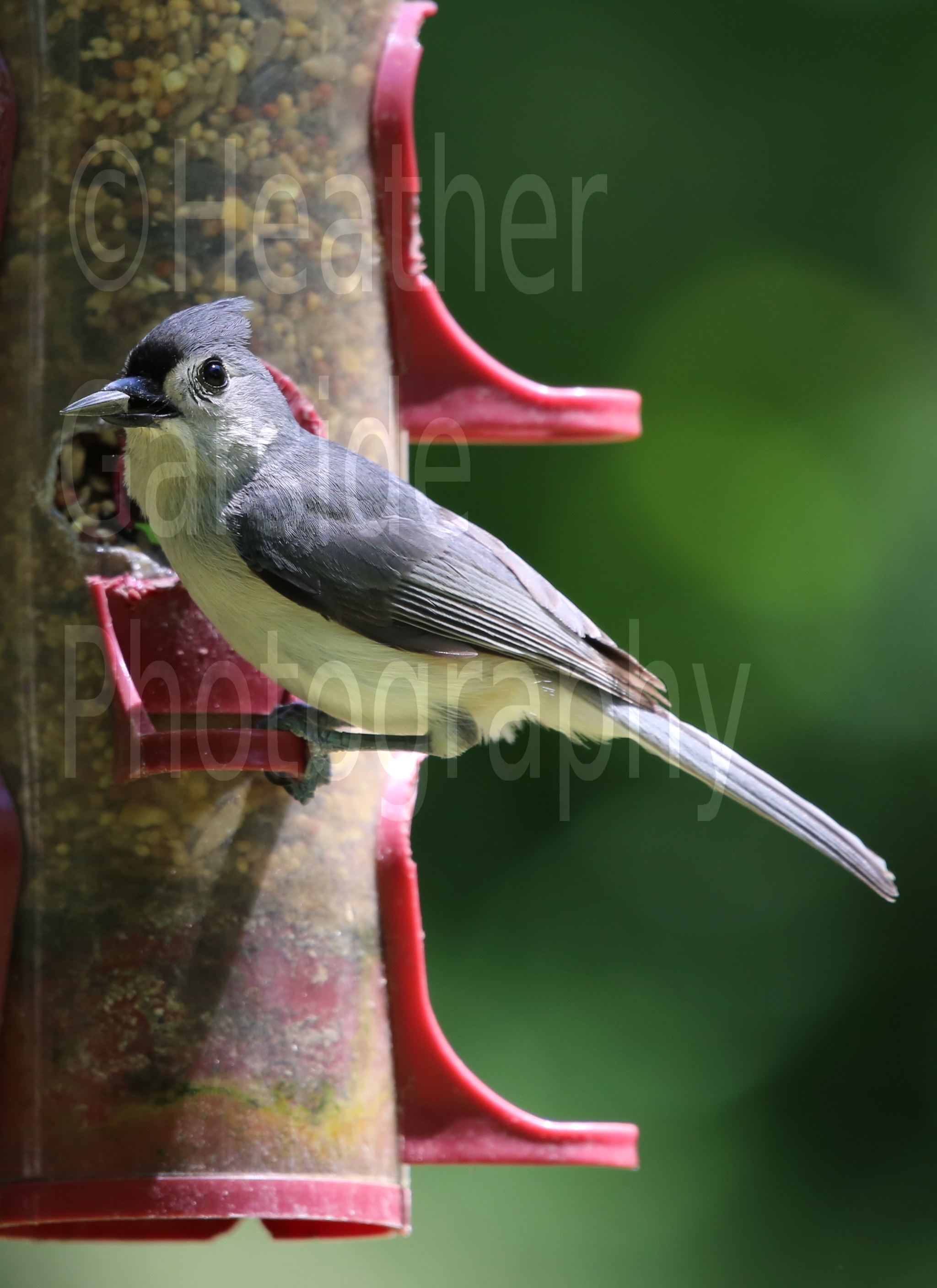
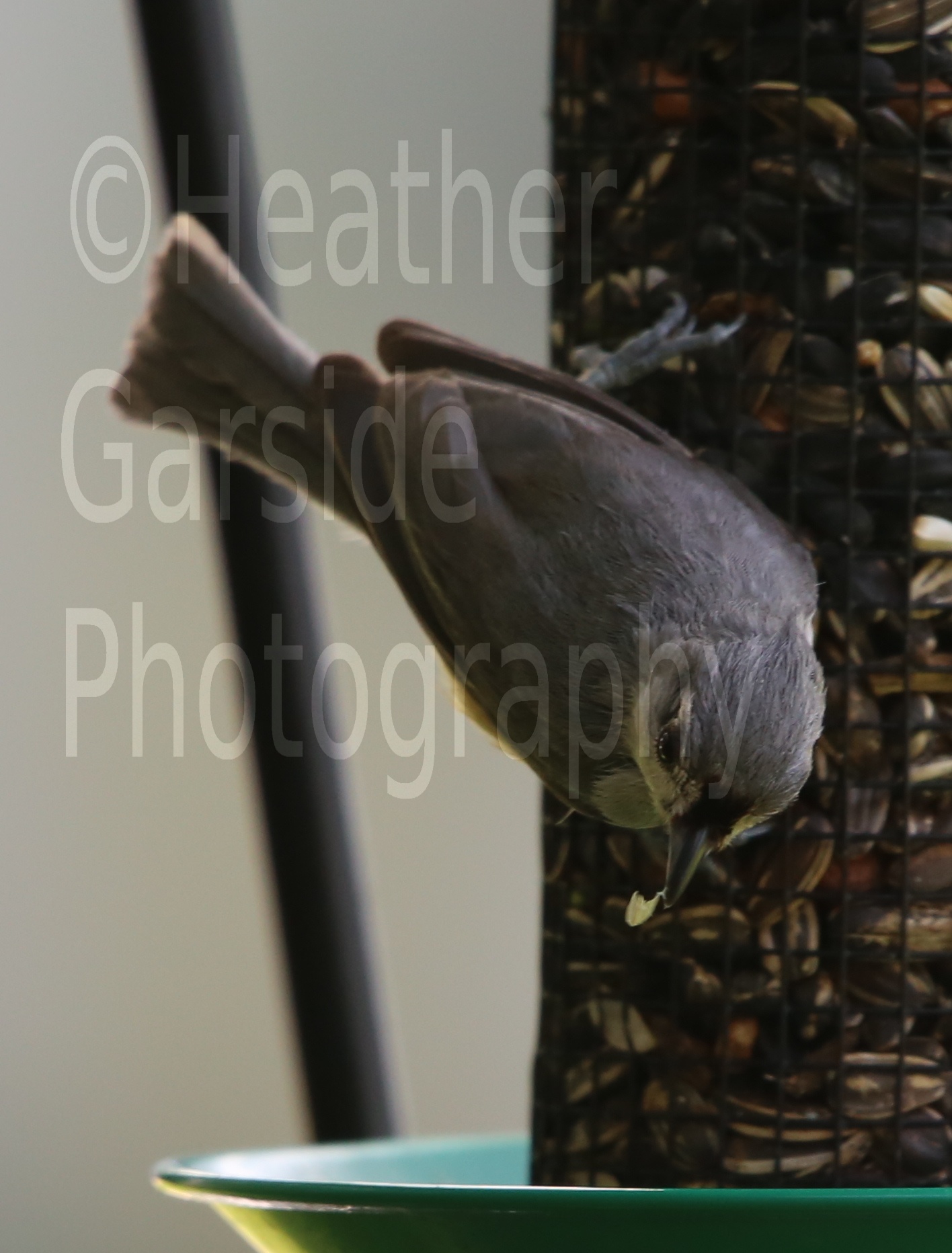
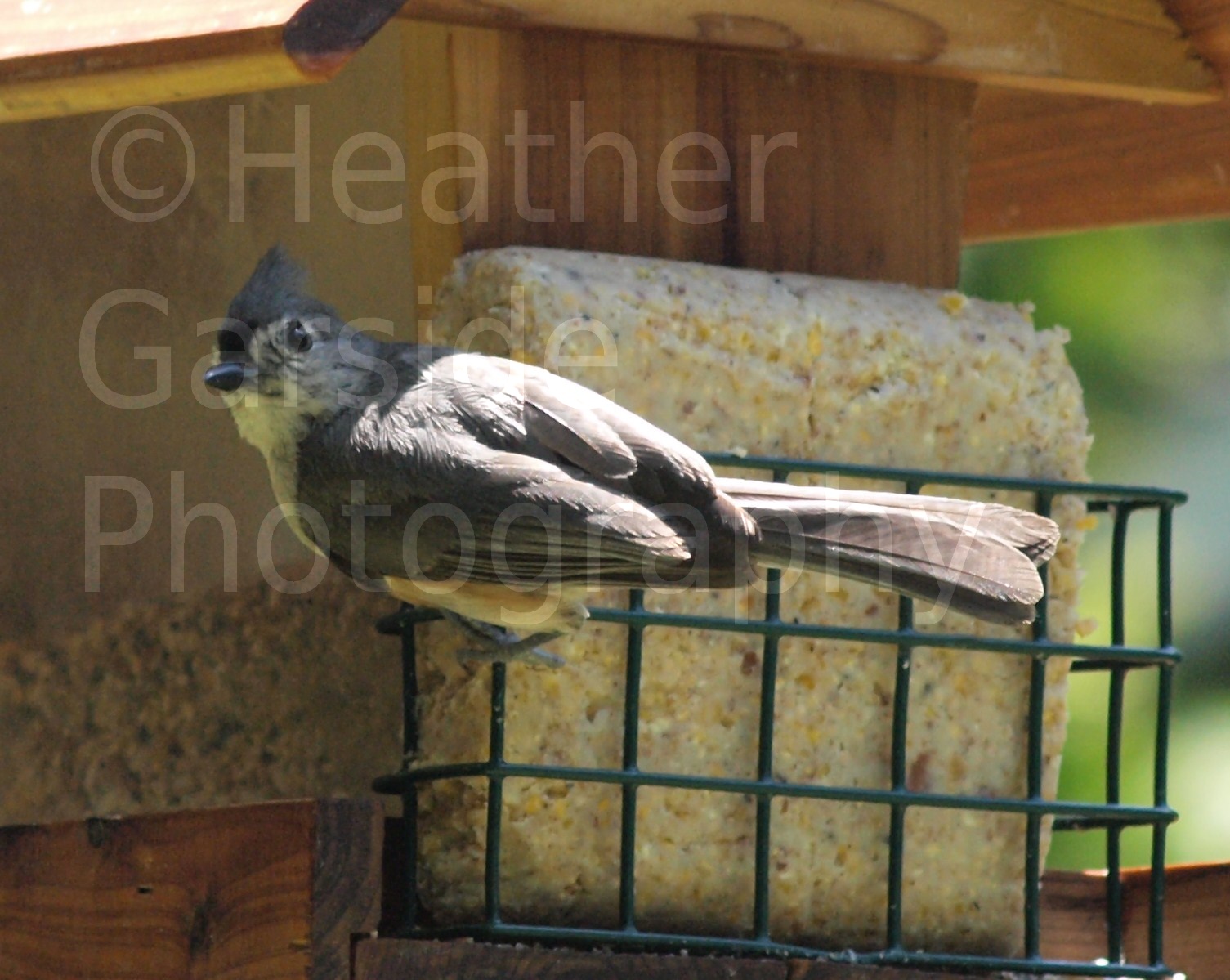
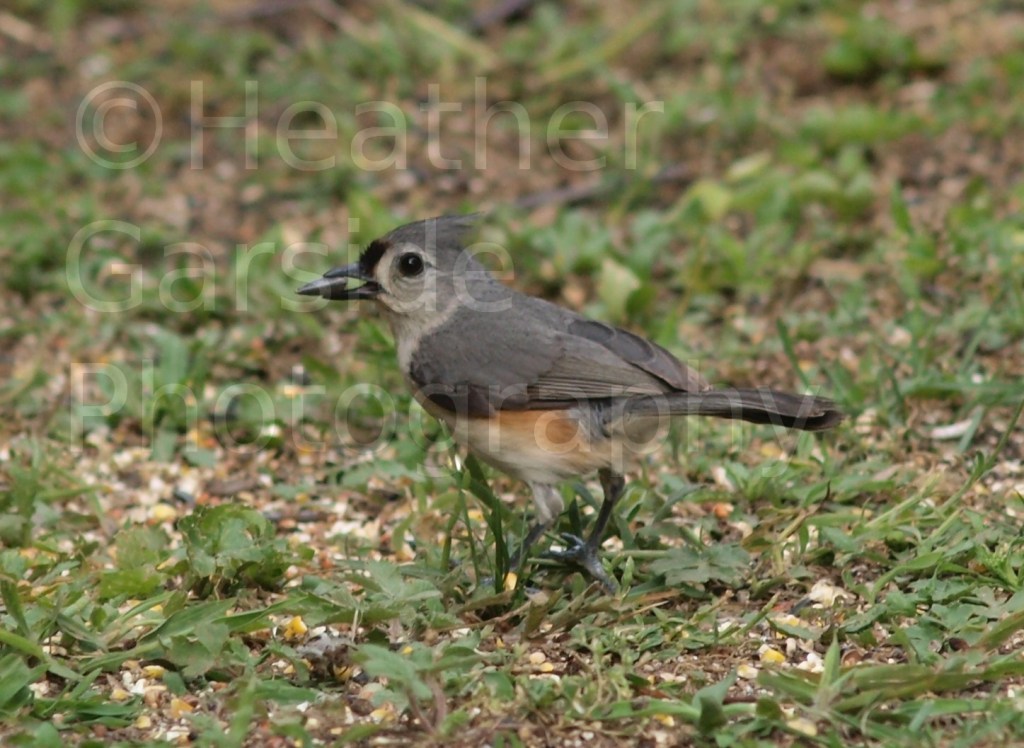
The Tufted Titmouse is an amusing little guy. His name even means little, “Tit” being Scandinavian for “little.”A frequent backyard visitor, the Tufted Titmouse is a bit bigger than a Chickadee, at about six inches. They are bluish or slate gray in color with a white belly and rusty red-brown feathers under the wings and tail. Their dark eyes and black beak are accentuated by their light colored bodies. The “Tufted” part of their name probably refers to the pointed crest at the top of their head. Both the males and the females look alike.
Historically more common in Southern New Jersey, today they are common year-round throughout the state. They like dry, open woodland and are commonly found in urban parks and suburban yards. They nest in cavities, such as abandoned woodpecker holes. Titmice will also settle in nest boxes. Once they have found a cavity to their liking, they will line it with moss, bark, leaves, grass and, apparently, the fur of animals such as cats and dogs, which they have been known to take right off of the living mammal while it sleeps.
Tufted Titmice are very common feeder birds (both seed and suet), although they will eat insects and arachnids, including spiders and their eggs. They also eat a variety of fruit and seeds. In the winter they can subsist on acorns if necessary. When visiting a feeder you often only see one at a time. Sometimes when they are feeding young, a pair will visit the feeder vicinity together. One mate will retrieve seed while the other perches a safe distance away, keeping lookout. They then switch positions before flying off the feed their young.
Tufted Titmice are not only monogamous, but they have long-term pair bonding. They have two broods a year, usually of five to seven white eggs with brown spots. The female incubates the eggs alone, but both parents feed the young. They will form non-species flocks with other small birds, including Chickadees, outside of the breeding season.
There are a few other species of Titmice in North America, including the plain Titmouse and the Bridled Titmouse, both of which are not even mentioned in my Eastern North America book.
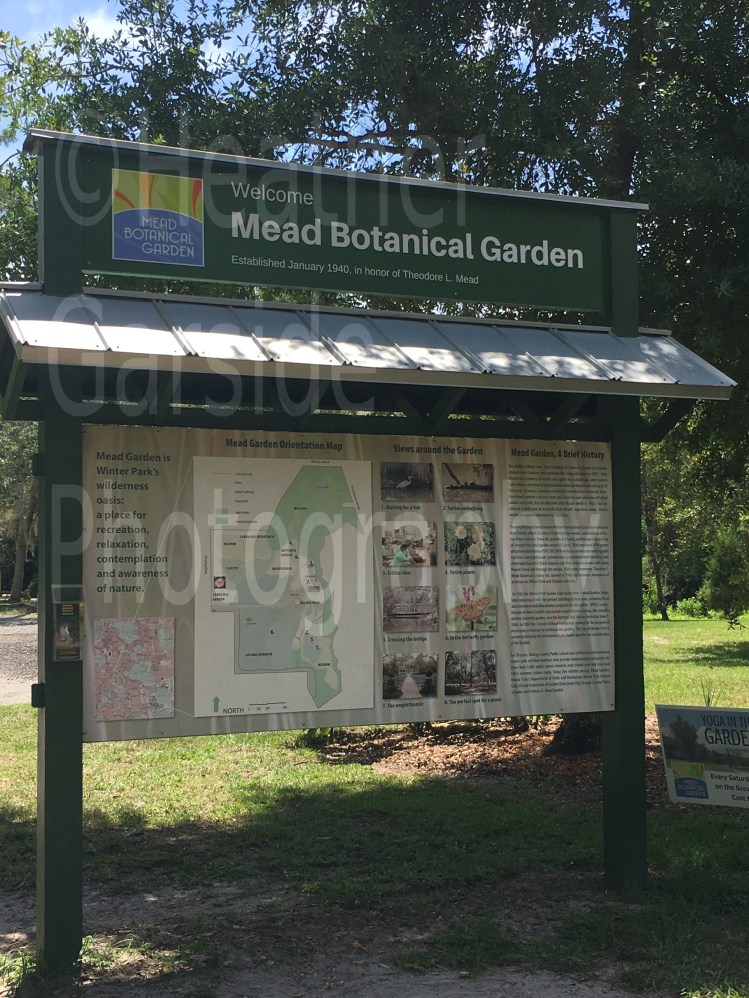
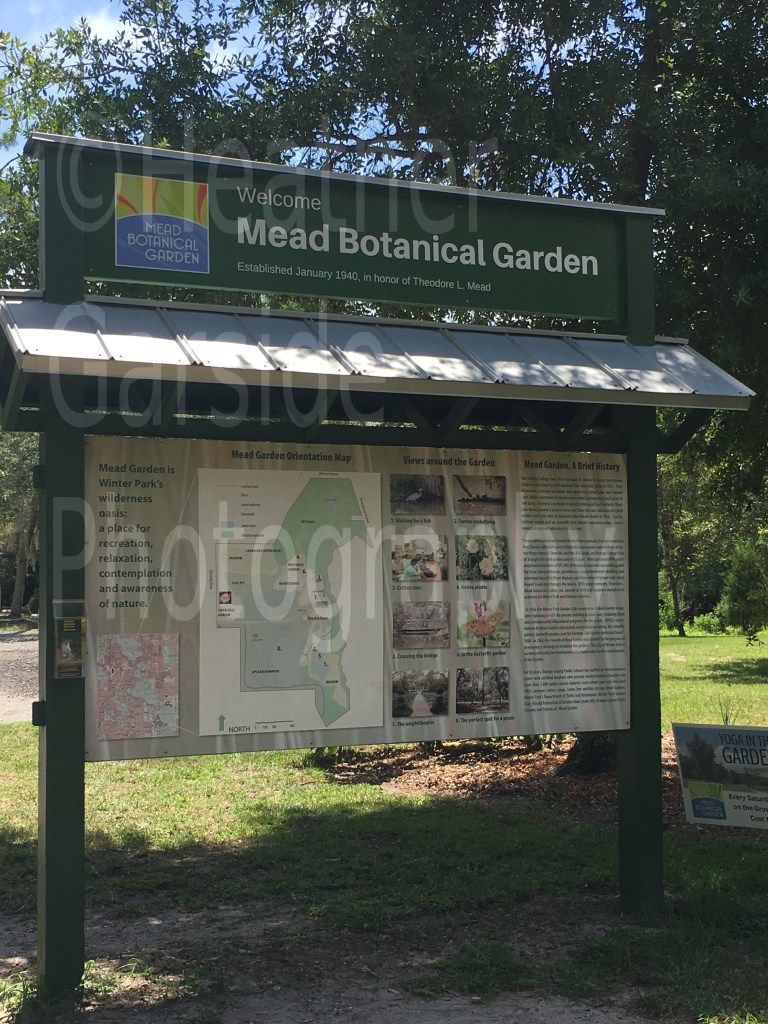
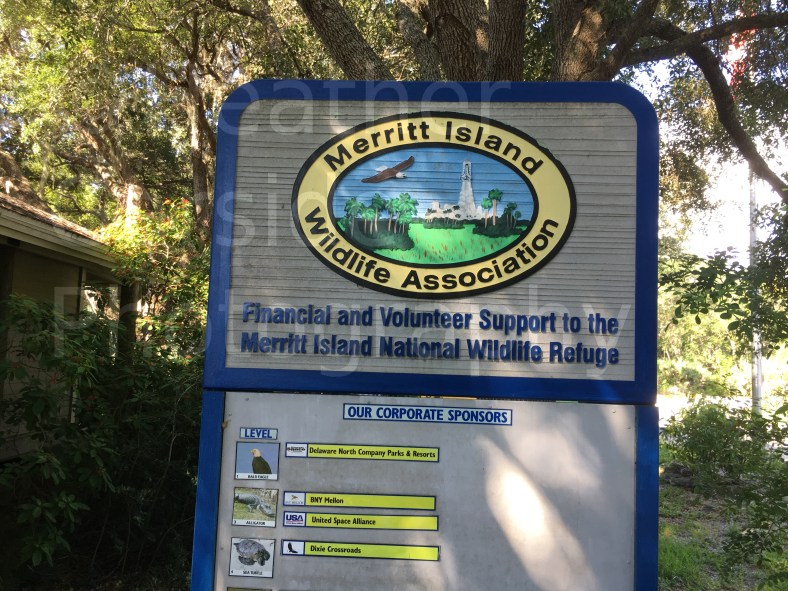
Following my amazing experience at the Merritt Island National Wildlife Refuge, I was fairly sure that whatever I did with my second day alone in Florida would seem underwhelming. I decided to check out something a bit closer to Orlando, and went to Winter Park. I spent the morning exploring Mead Botanical Garden.
Named for naturalist Theodore Luqueer Mead, who first visited Florida to study butterflies in 1869, Mead Botanical Garden was started in 1937. This non-profit just celebrated its 75th anniversary and continues to provide a variety of family programming in their own oasis of nature in the middle of the suburbs. For more information about Mead Botanical Garden, you can check out their website at https://www.meadgarden.org/
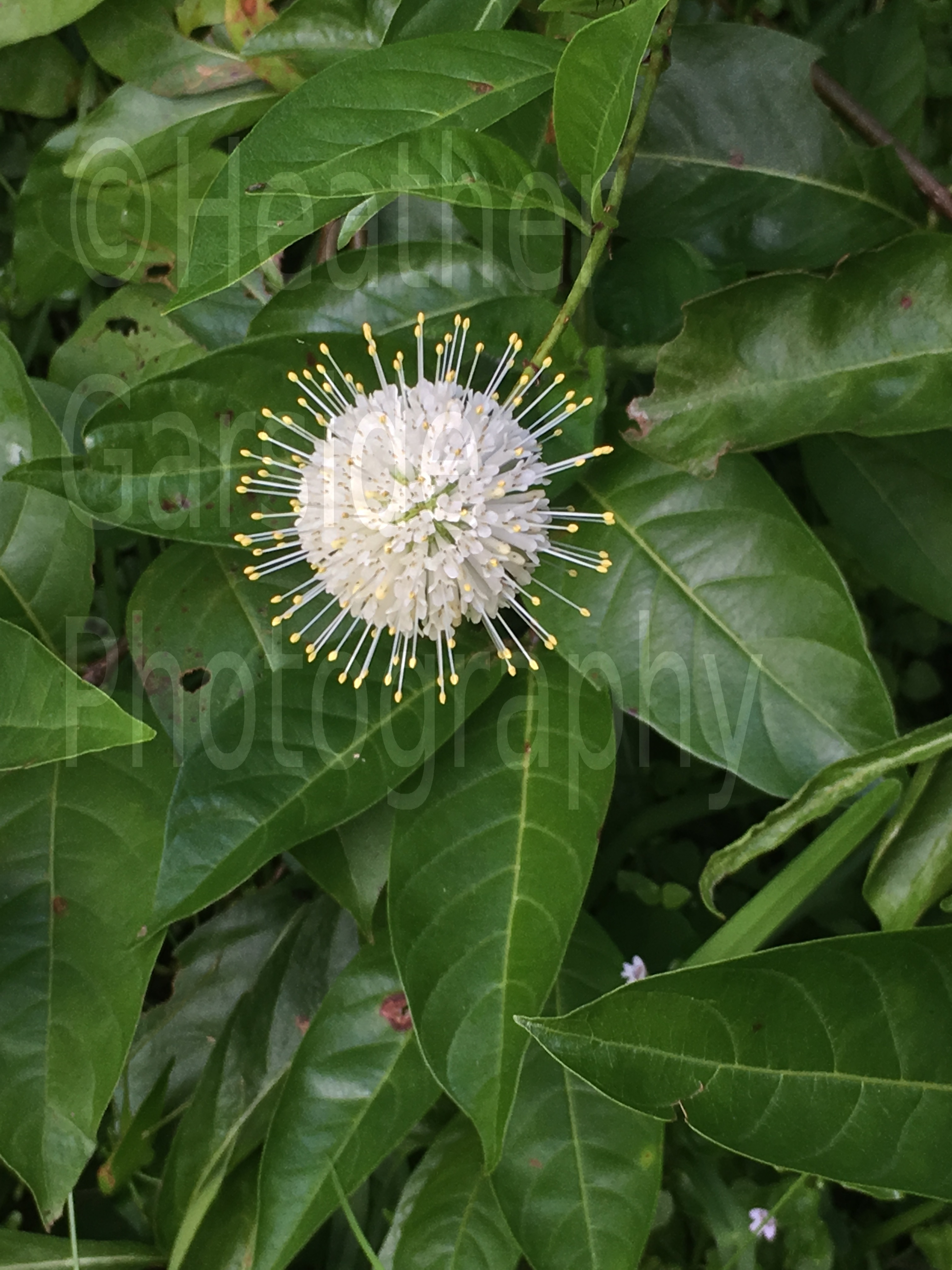
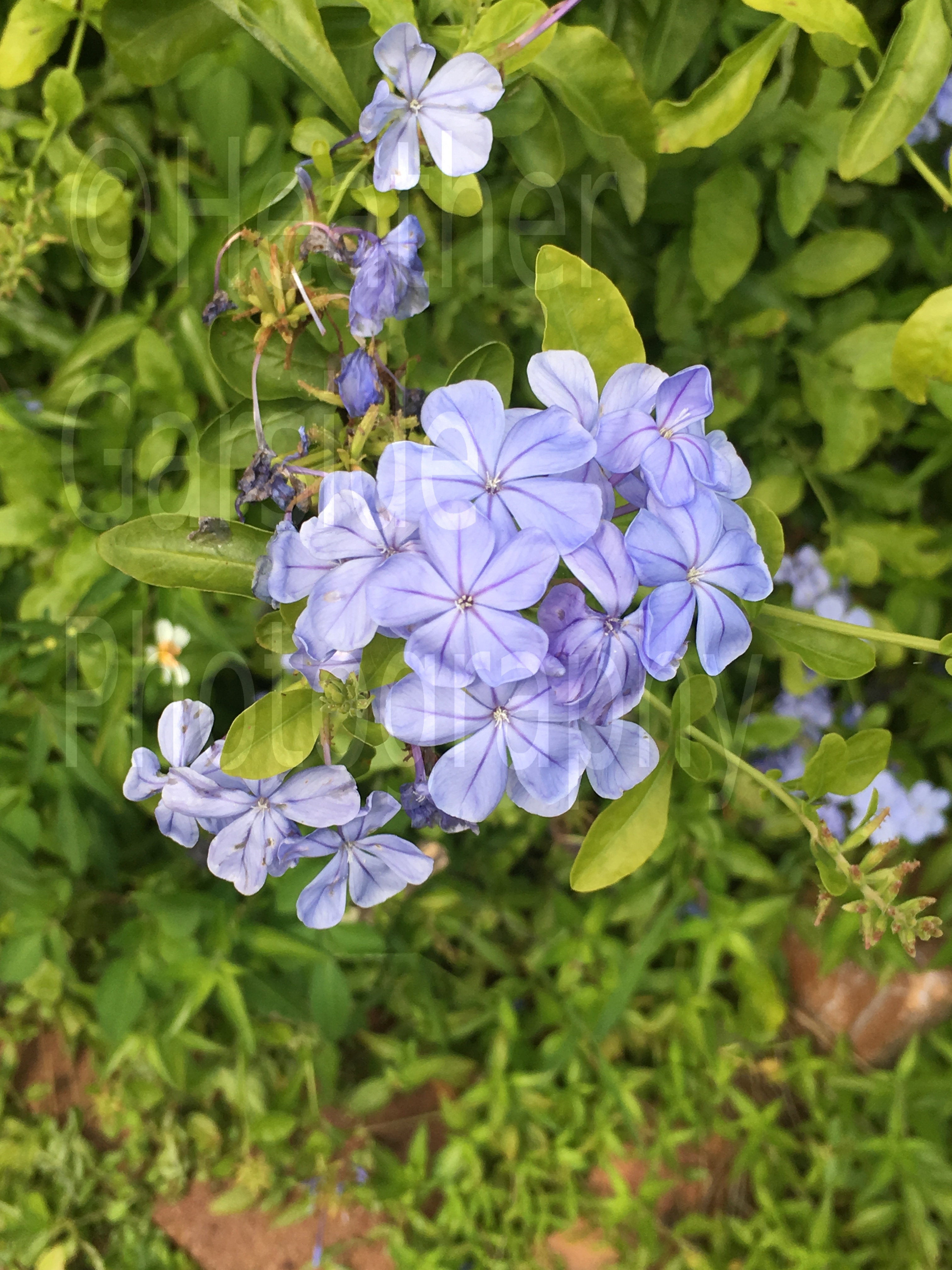
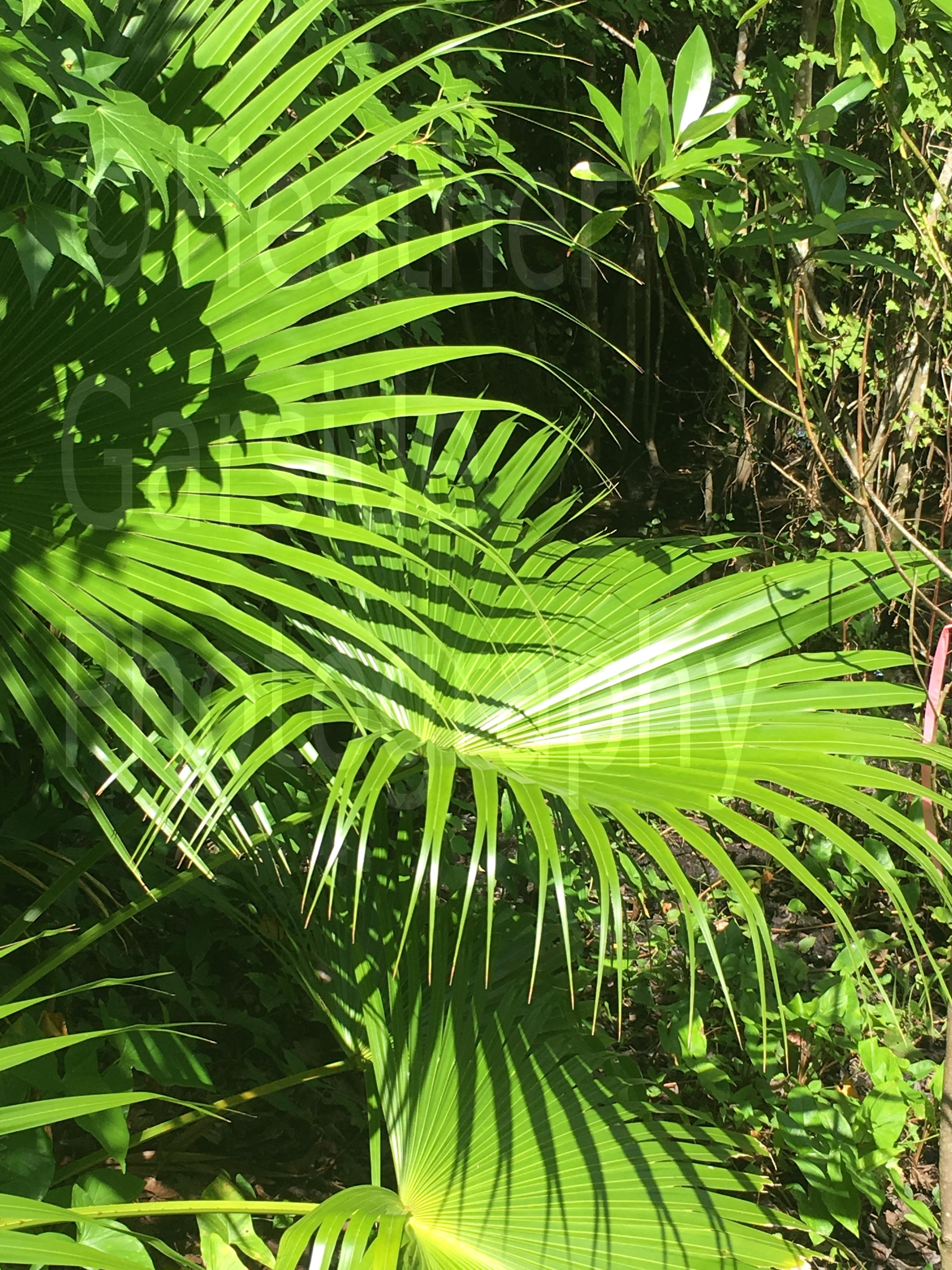
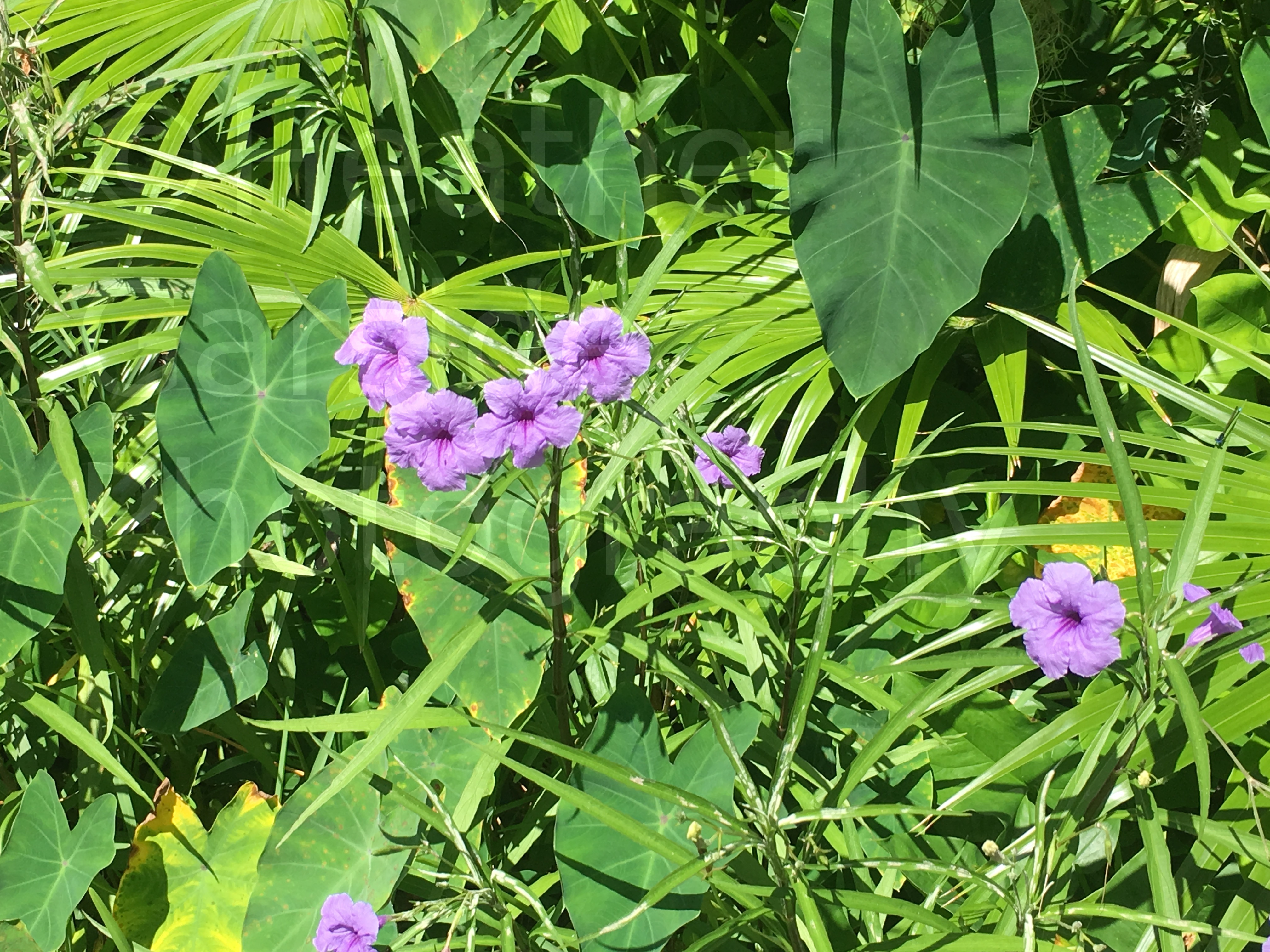
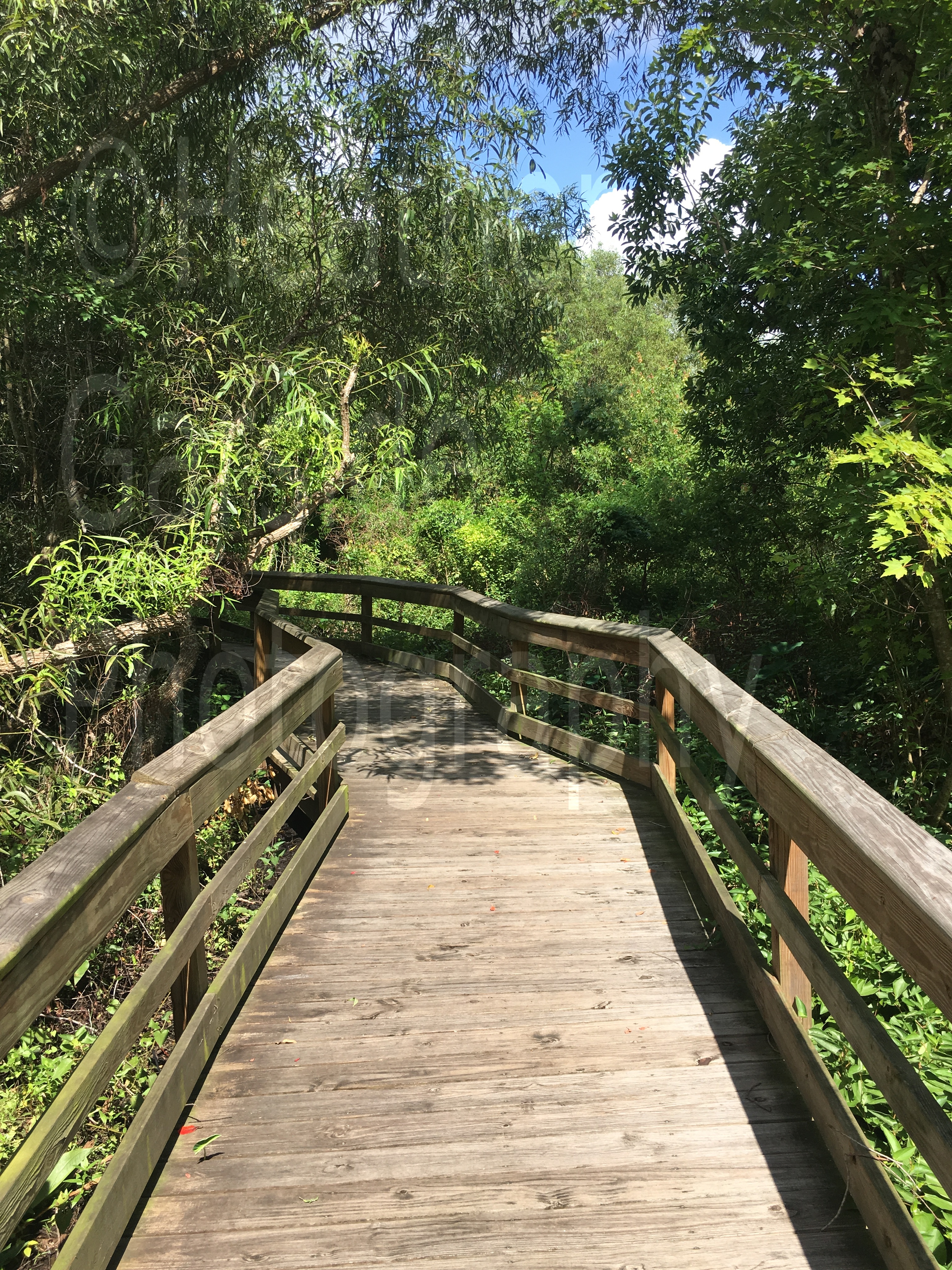
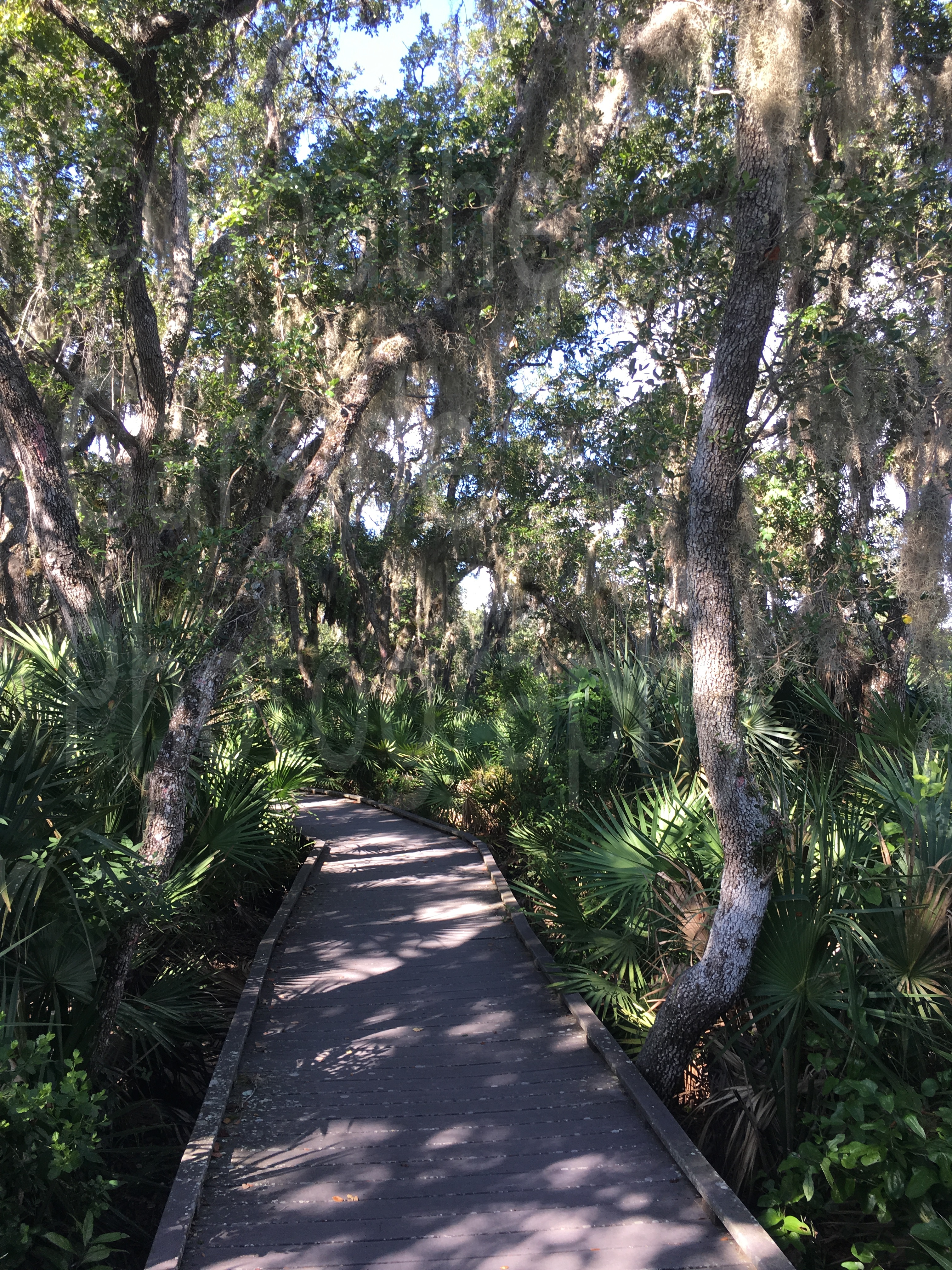
Being about 47 acres in total, and not all of it accessible to visitors, I had a lot less ground to cover than I had on my previous day’s outing. I decided to leisurely wander the trails and enjoy the morning sunshine. When one hears the word garden, usually we are expecting flowers to be oozing out of every possible square inch of soil. The Botanical Gardens were not that garden. They did have many lovely flowering plants and also a variety of palms, greens and trees that gave the garden a park atmosphere.
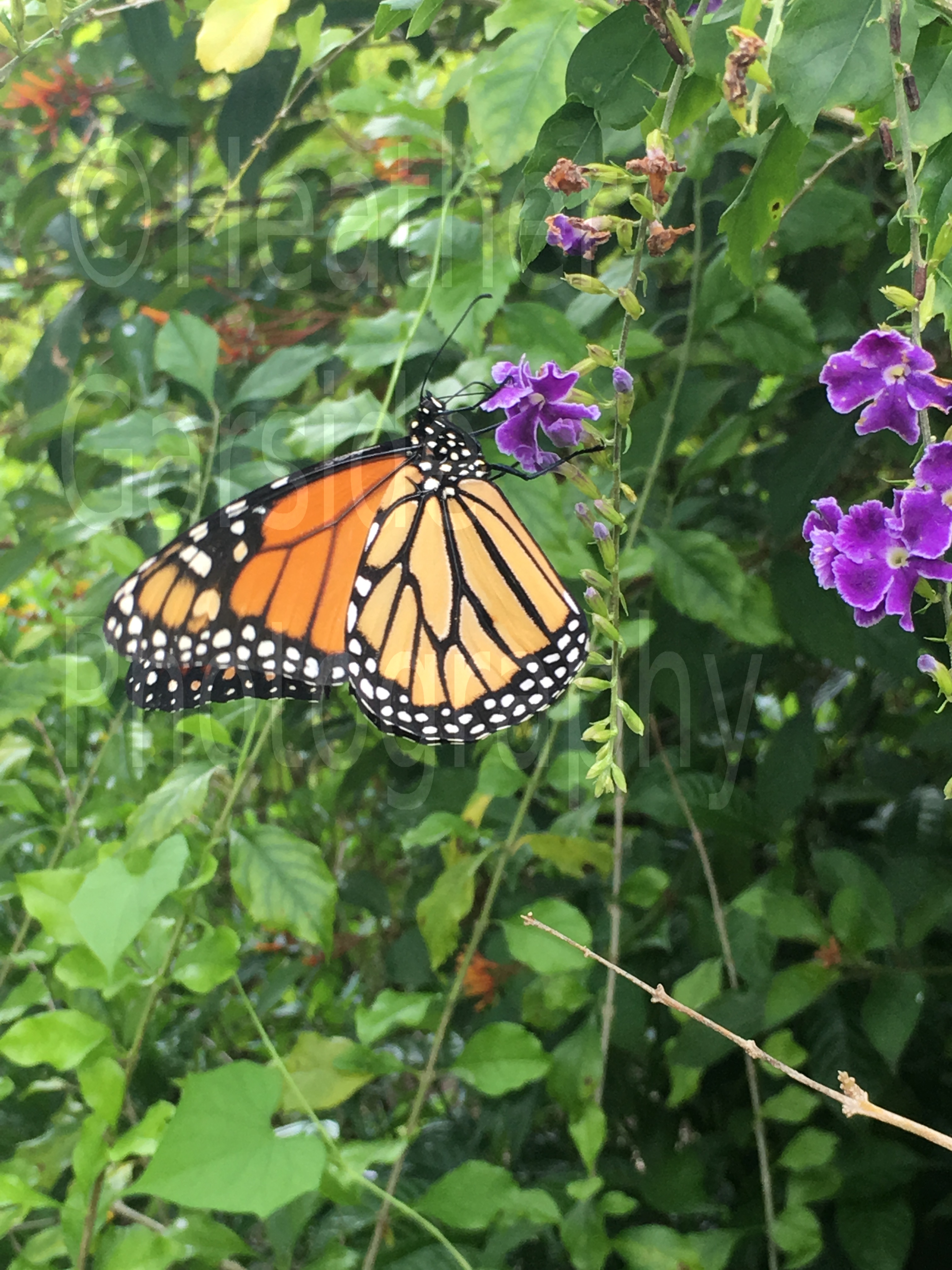
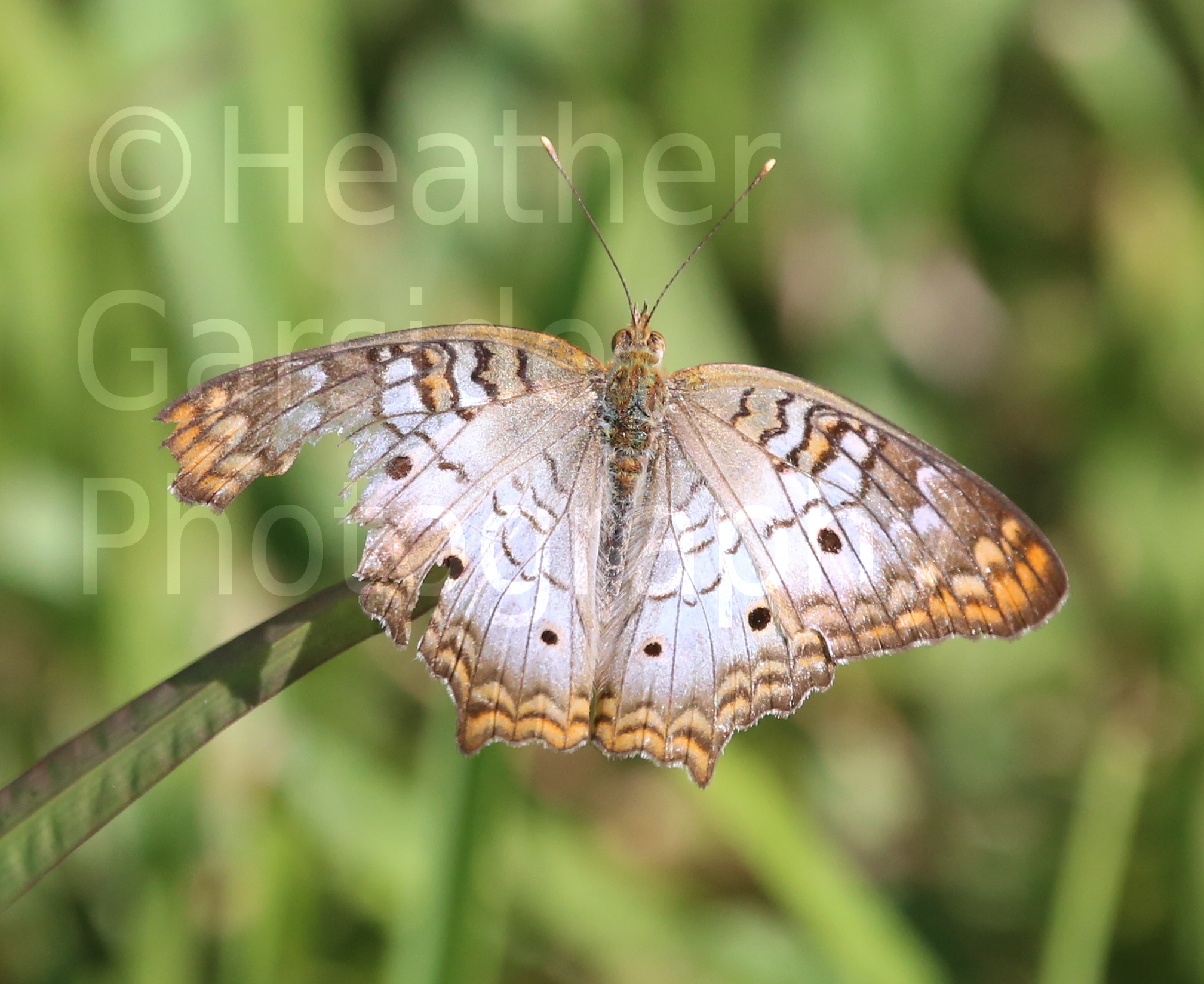
There were many sections of the garden dedicated to butterfly attracting, which given its namesake’s interest in entomology makes perfect sense. I saw several varieties, but only one Monarch was so preoccupied with nectar gathering as to remain stationary long enough for me to get a decent photograph.
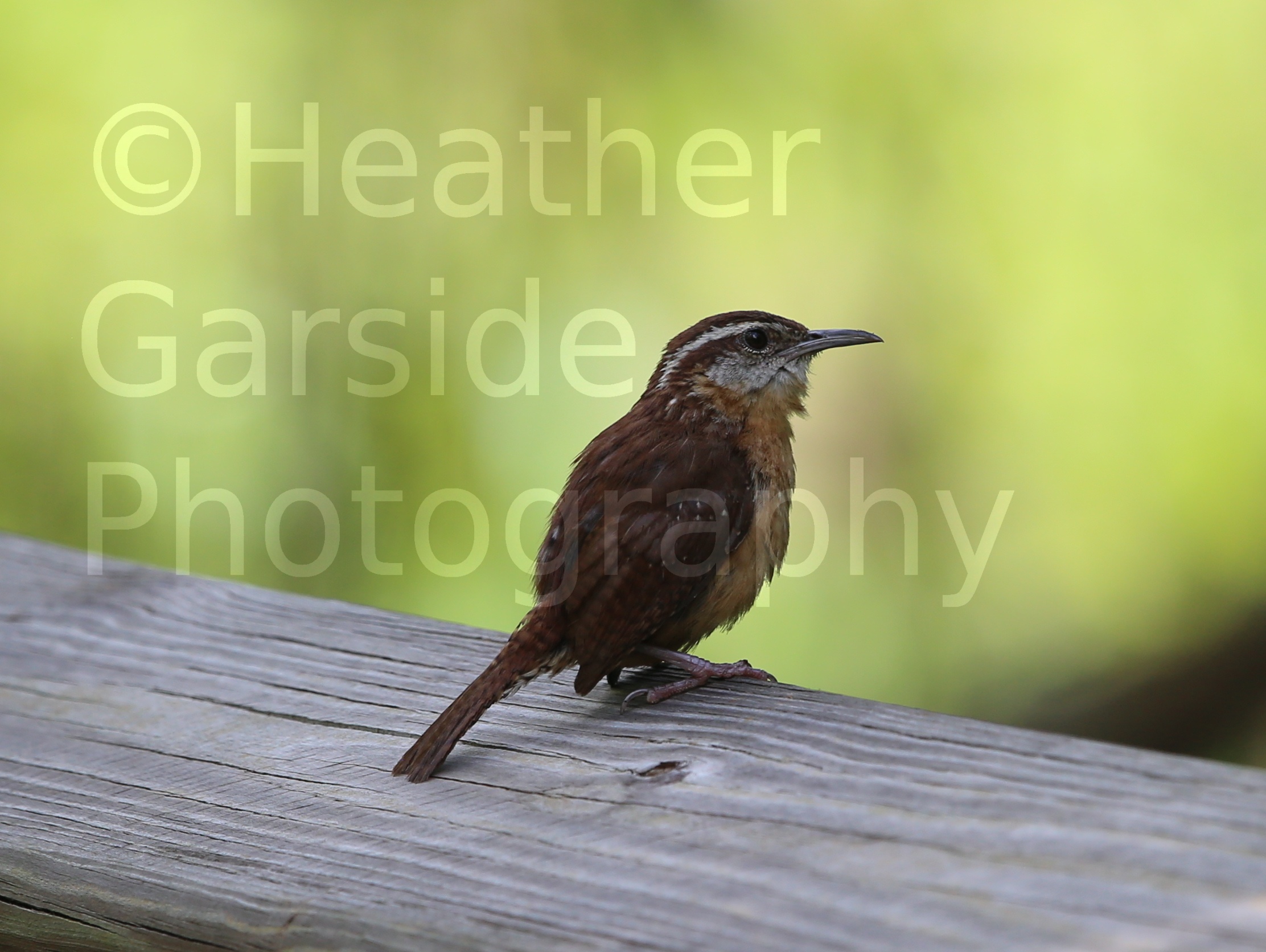
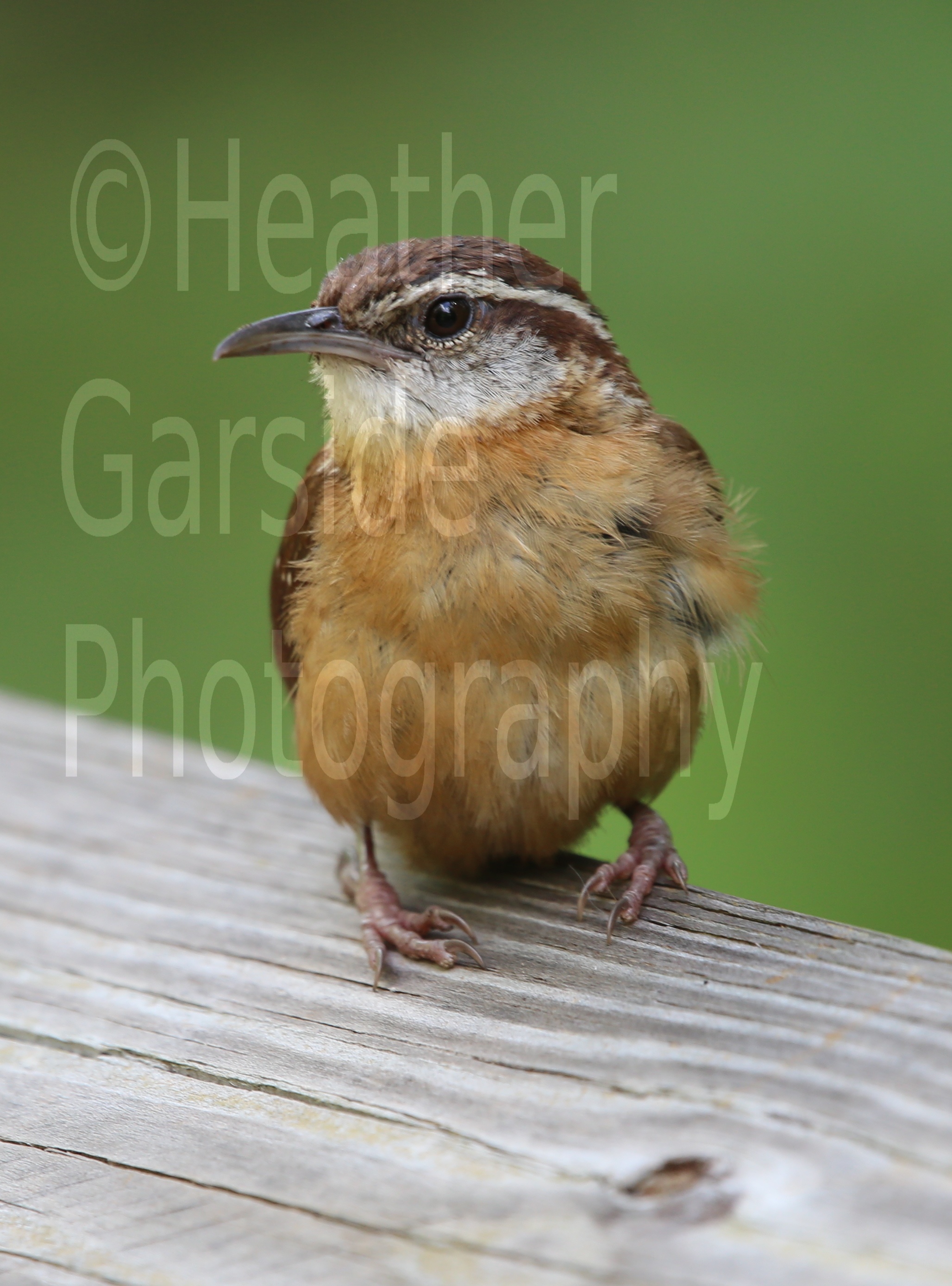
As I headed onto the boardwalk through Lake Lillian Marsh I met with a Carolina Wren. Looking a bit ruffled, it sat on the railing taking a look out into the Marsh.
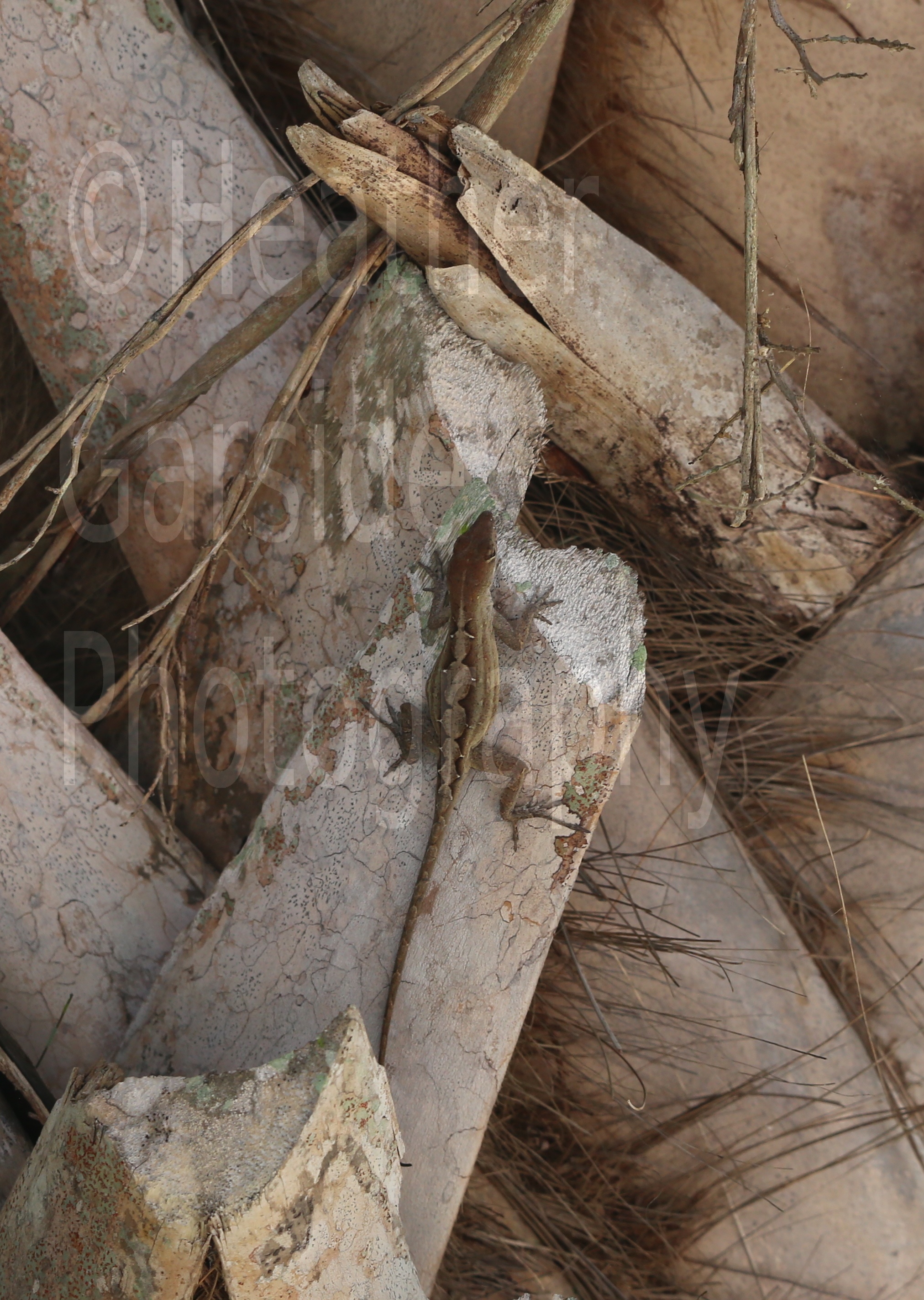
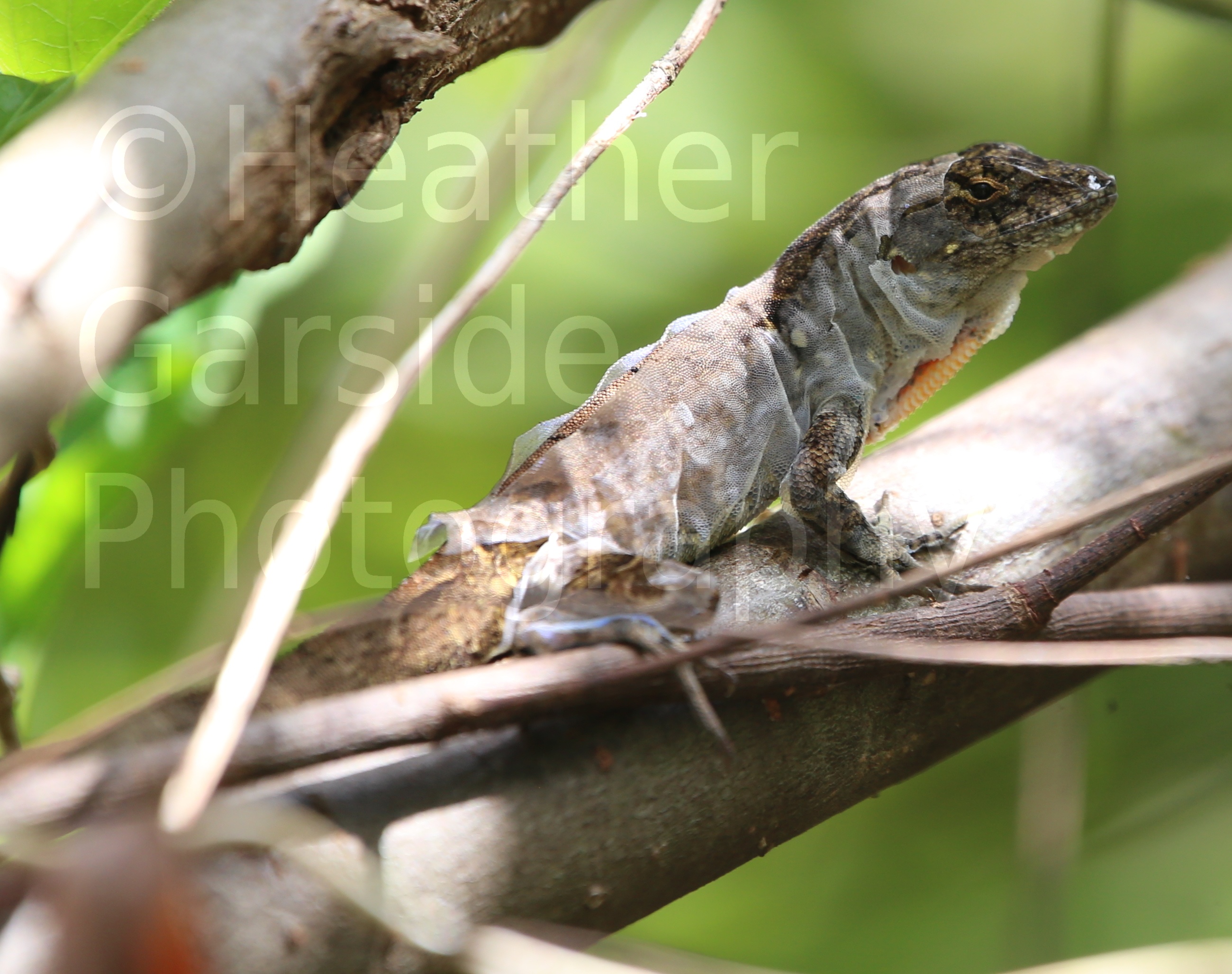
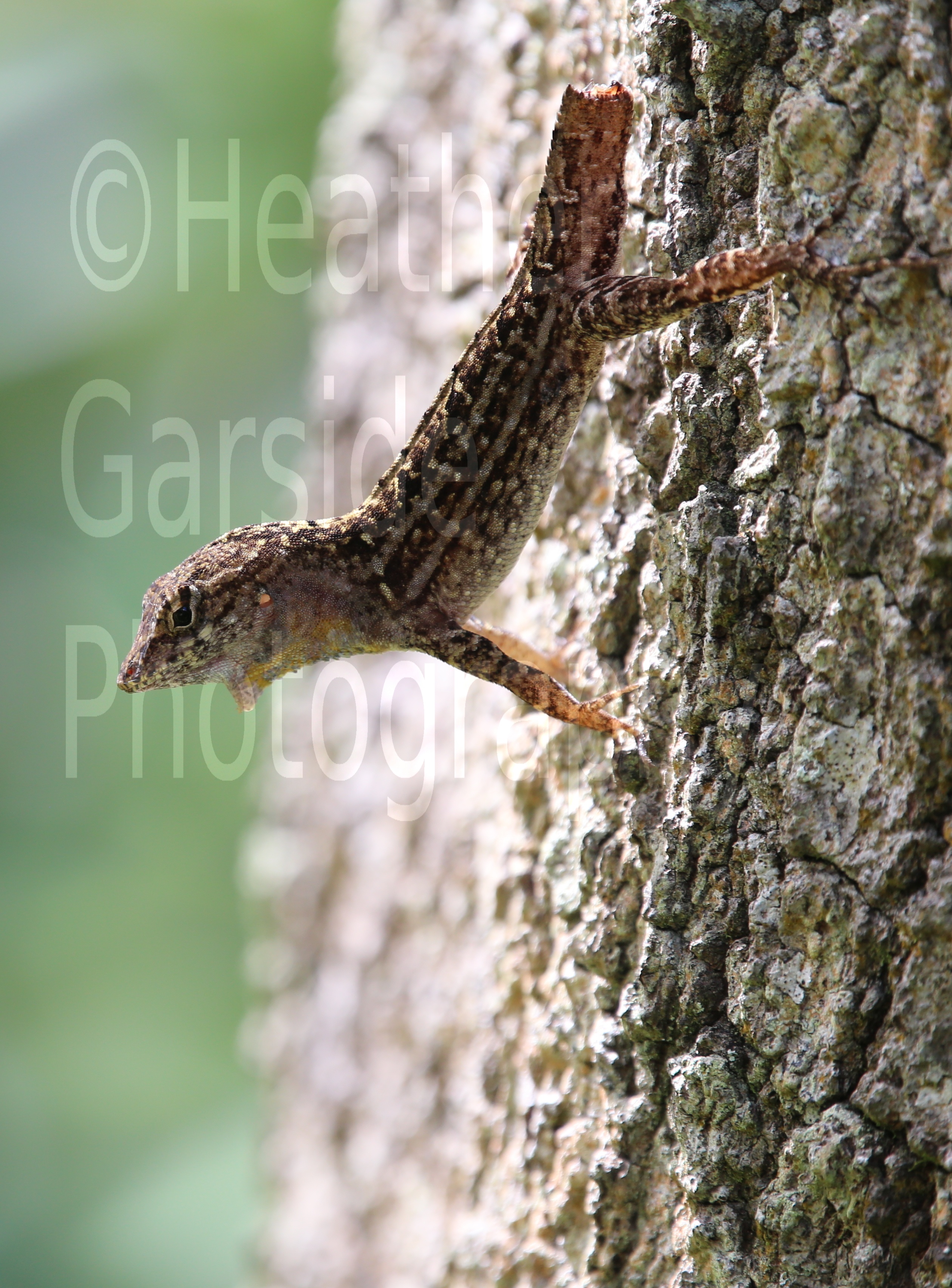
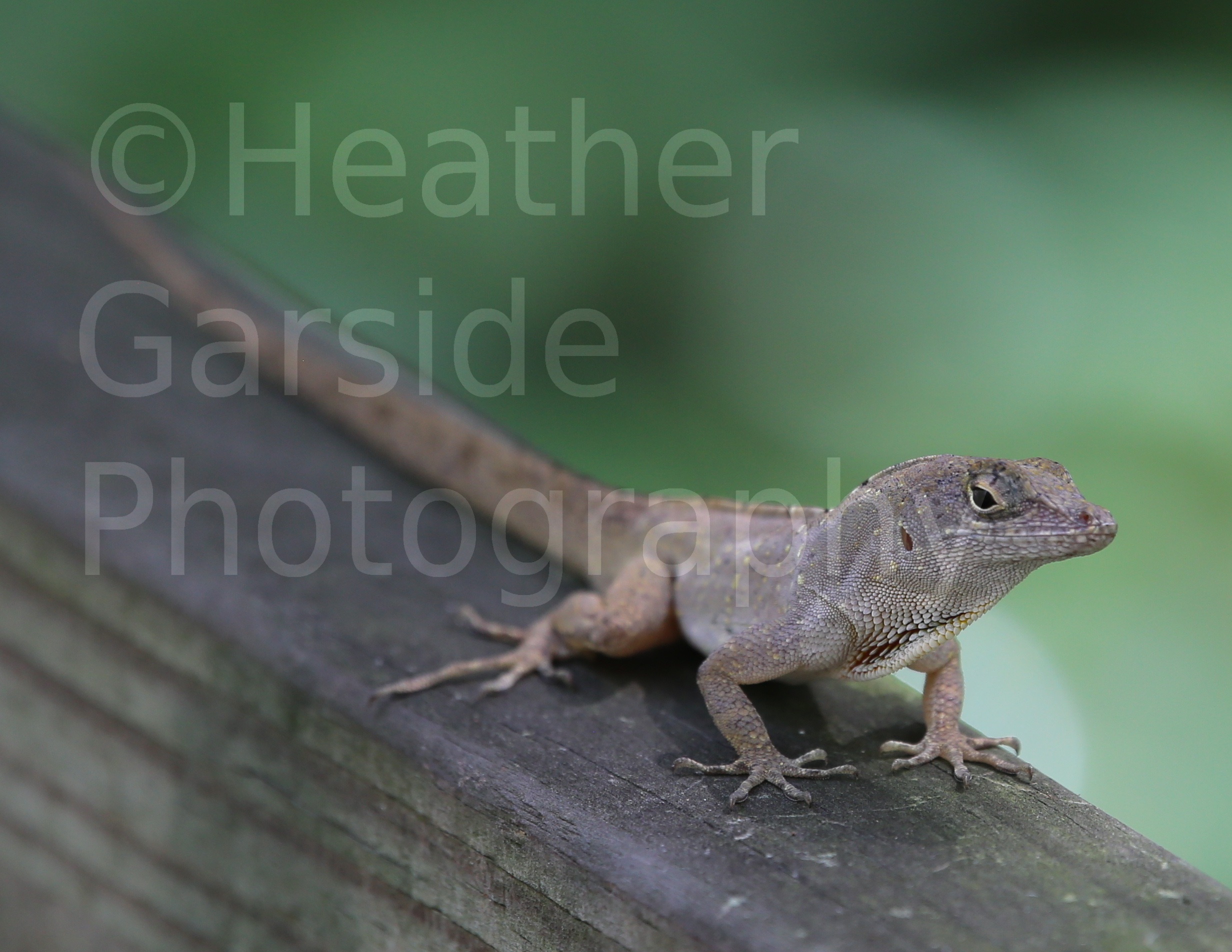
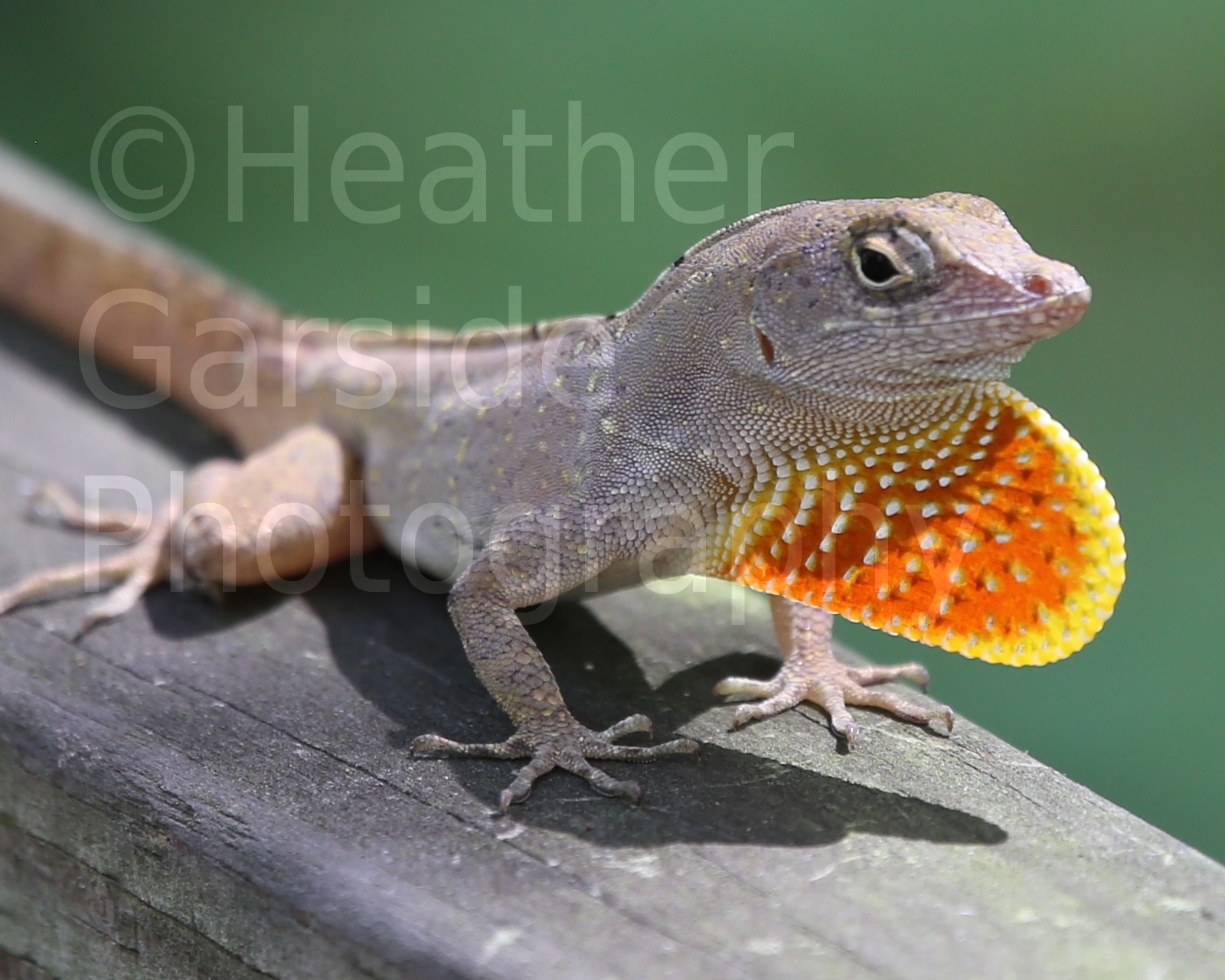
Not long after seeing the Wren, I started noticing a lot of smaller lizards, crawling along palm fronds and resting on branches. Often they had changed their color to blend in with the surroundings. From my Florida Field Guide I determined that they were all Brown Anole, a smaller lizard from the Iguana family. Brown Anole can change their coloring from tan to darker browns in order to provide themselves some camouflage. They never grow much larger than 7 or 8 inches, which, as far as I am concerned, places them strongly in the “cute” category. One of them even decided to show me his dewlap, or neck flap. I was focusing on him as he sat totally stretched out on the railing, sucking up some early morning rays. While I was looking into my camera, he suddenly unfurled his dewlap, almost in the same way one would casually blow a bubble with chewing gum. I am not sure if he was trying to encourage me to buzz off or not. If so, it didn’t work. I just stood around focused and waiting for him to do it again. Eventually he obliged and I continued on my way.
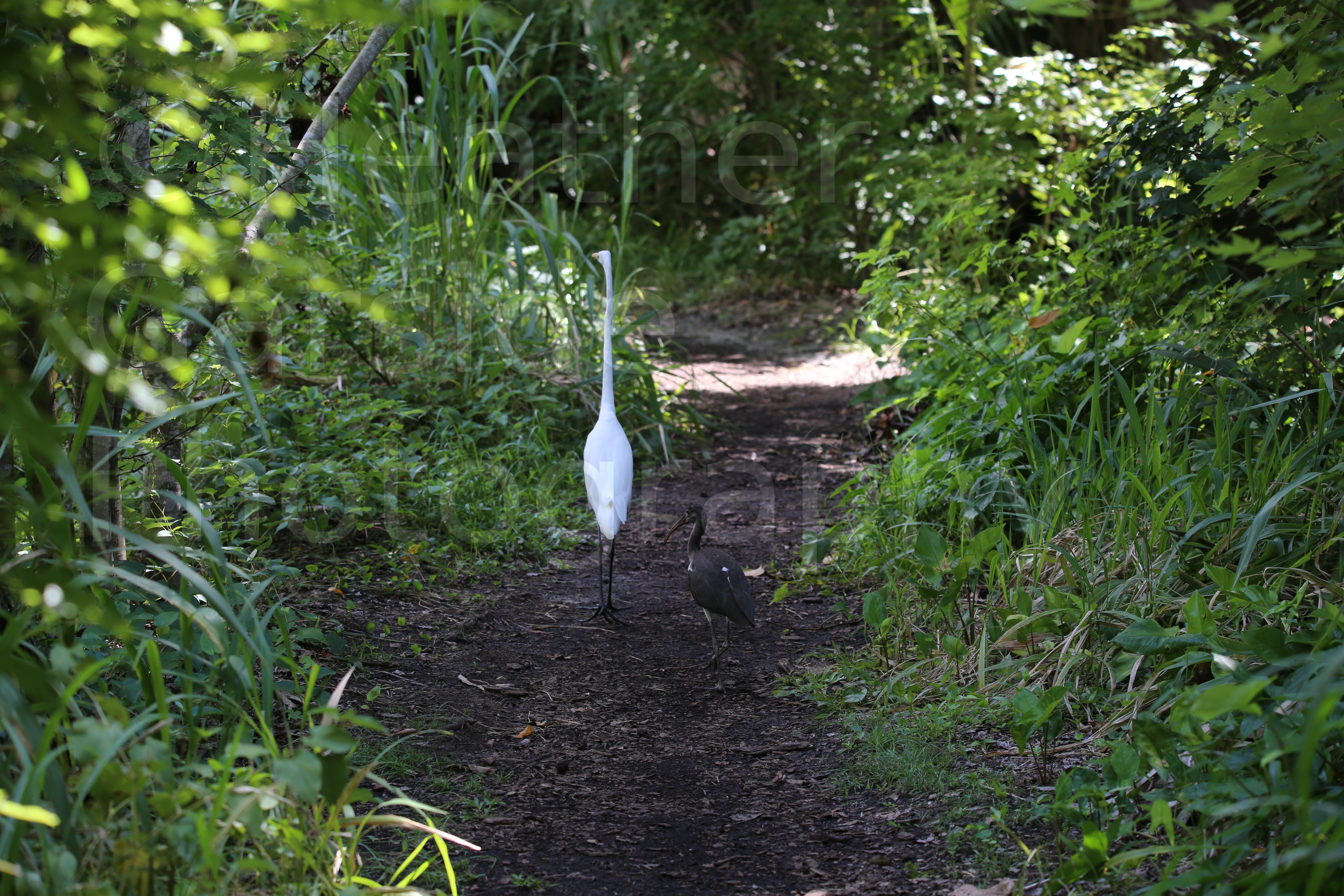
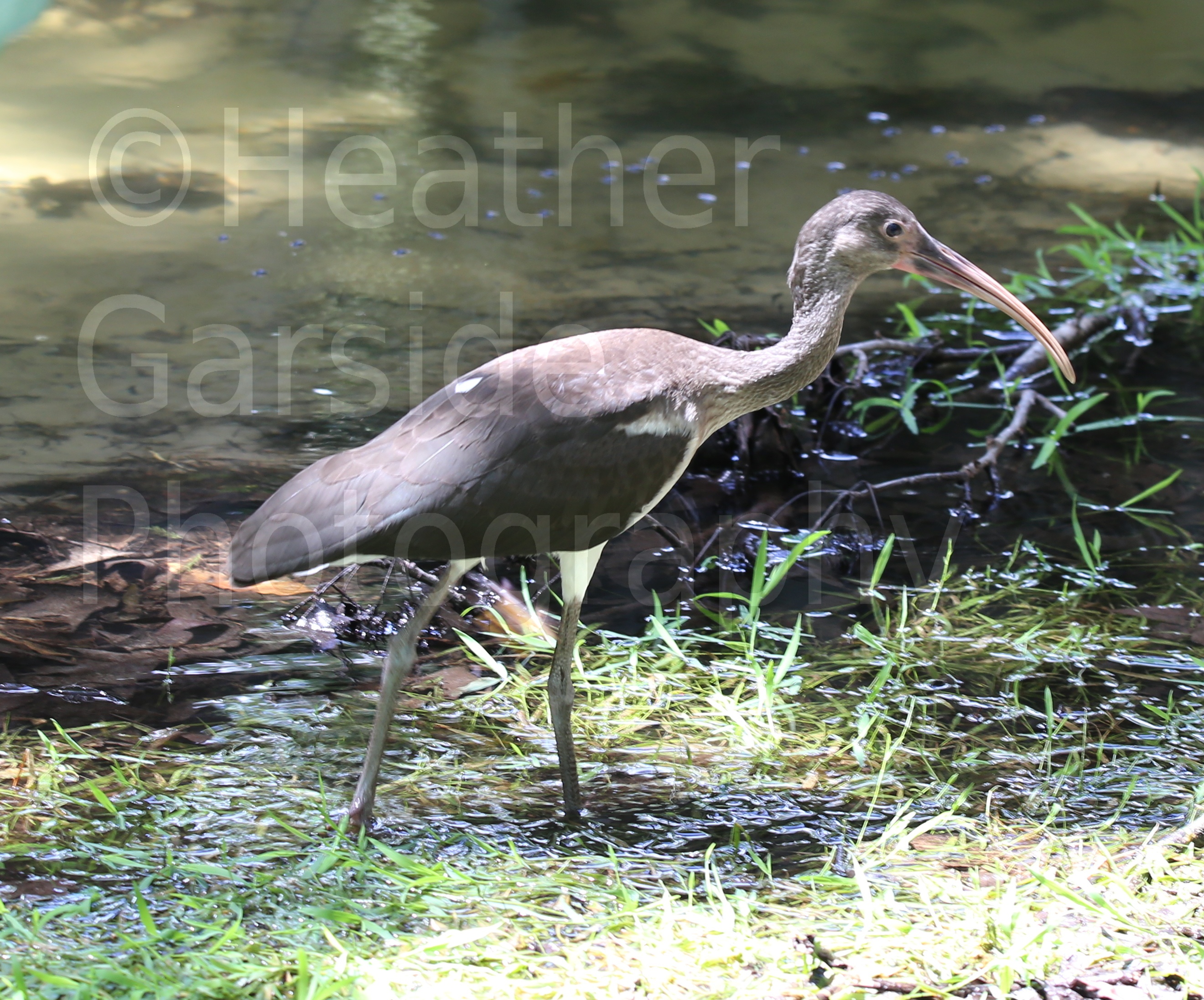
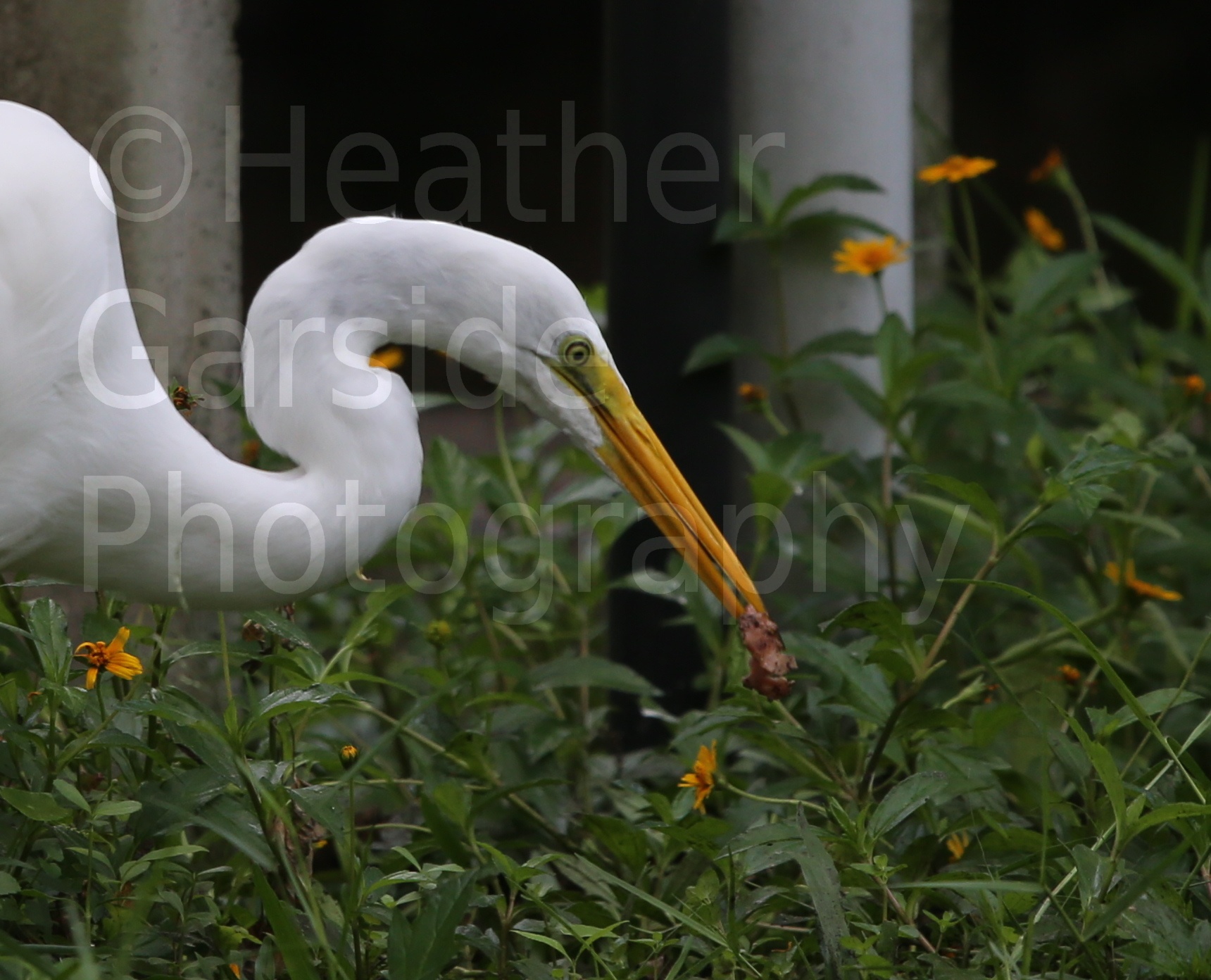
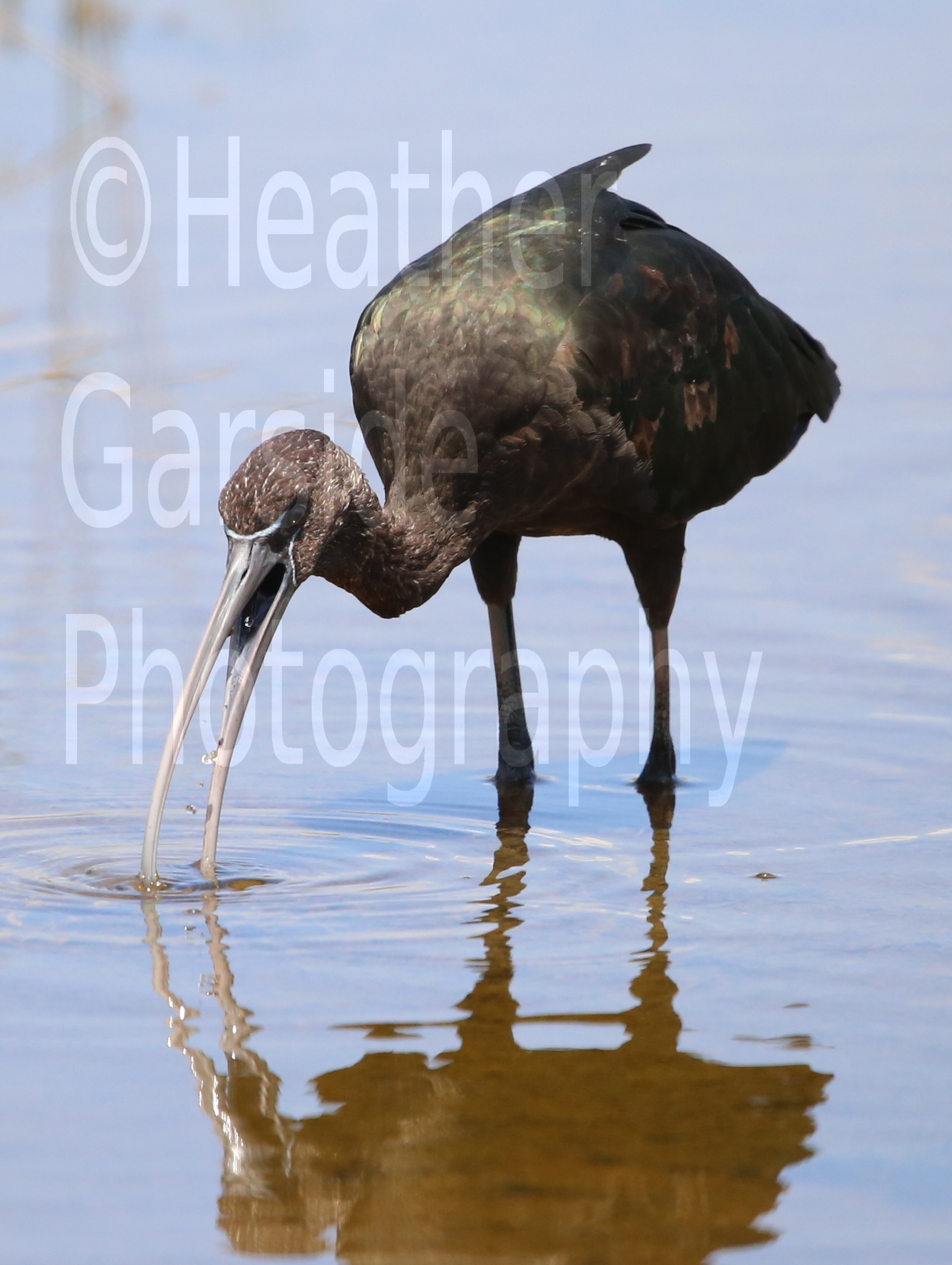
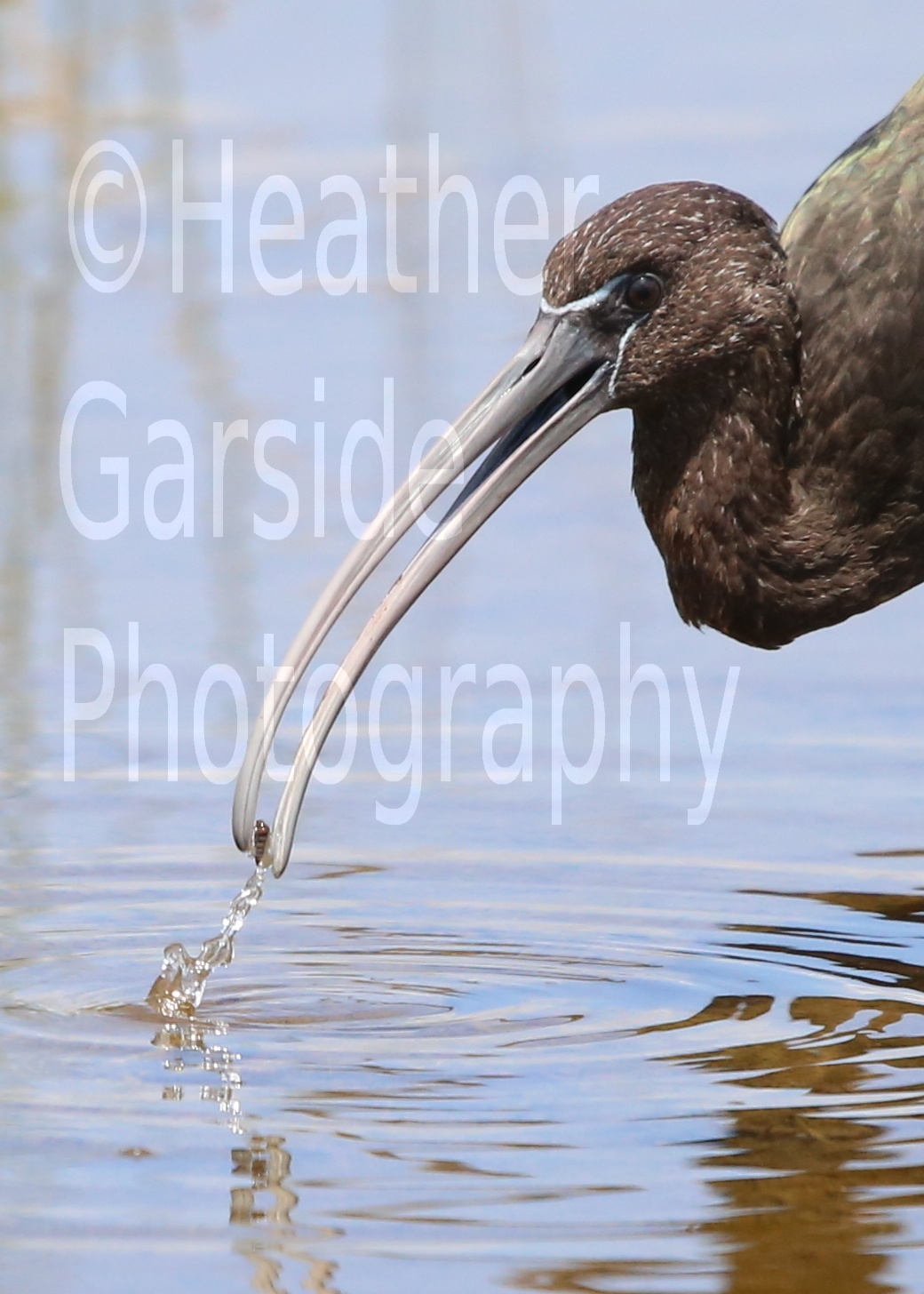
A good portion of the trail follows along beside a shallow creek. Being a weekday, I had most of the trails to myself. But at one turn in the trail, I realized I wasn’t the only one out for a leisurely stroll. A Great Egret and a Glossy Ibis were both walking along the trail, very methodically. They walked in front of me on the trail a few yards. Eventually they decided to head back into the water and try their luck at fishing.
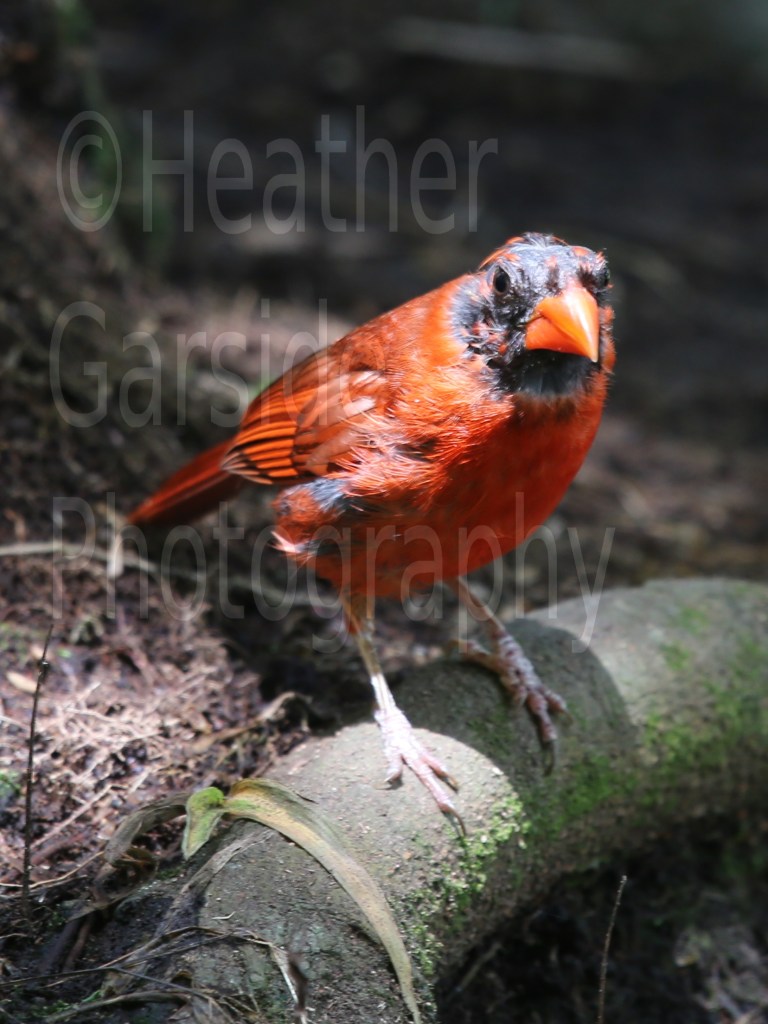
There were also a few noisy Northern Cardinals around. They were fairly skittish and stuck to the shadows, under the palms. I did get a few photos of one particularly grumpy and rough looking character.
This past June I was lucky enough to accompany my husband on a short trip to Orlando, Florida. As the cold wind blows outside my window, now seems like the perfect time to reflect upon that visit.
We flew into Florida on Wednesday night, and I had two days on my own while my husband reported to work. After some googling and a long perusal of the National Audubon Society’s Field Guide to Florida (which my lovely husband had presented to me me as a pre-trip present) I decided on a visit to Canaveral National Seashore and the Merritt Island National Wildlife Refuge. After a quick stop for life sustaining supplies (water, Gatorade and fruit snacks), I got on the road. In about an hour’s drive I arrived. I had been enjoying the drive, the atmosphere of Florida being so different from New Jersey that I was definitely aware that I was on vacation. I haven’t been South of the Mason-Dixon line very often so the sight of palm trees and Spanish moss are enough to make me feel I have really traveled somewhere exotic.
My first stop was the Visitor Information Center to buy a day pass and get a trail map of the park. I was very lucky to strike up a conversation with an incredibly helpful attendant. She planned out my entire day, making sure I hit all the highlights and offering several tips which proved useful. She recommended that I check out the short loop trail right behind the center first, as an alligator had been sighted there earlier that morning.
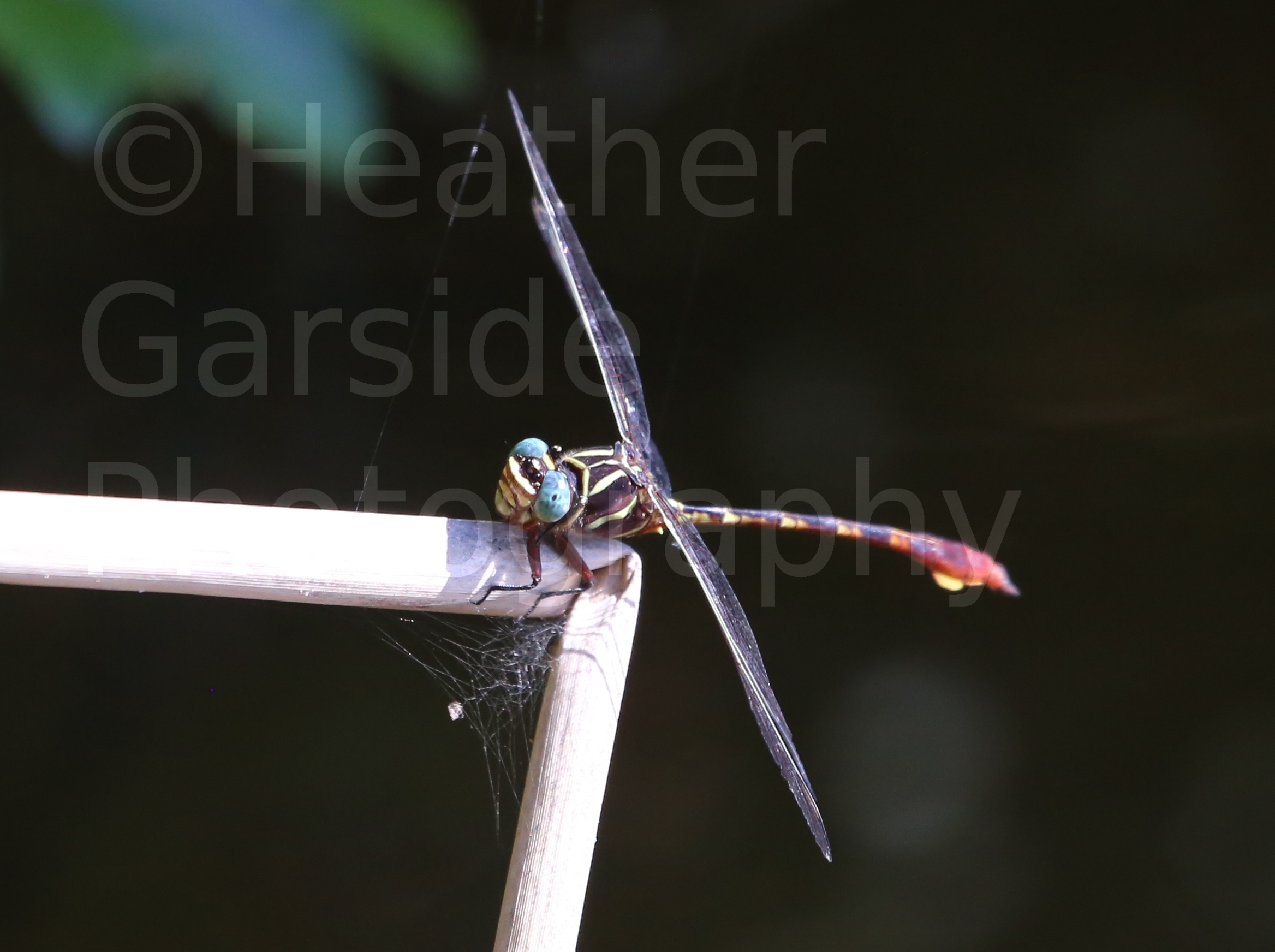
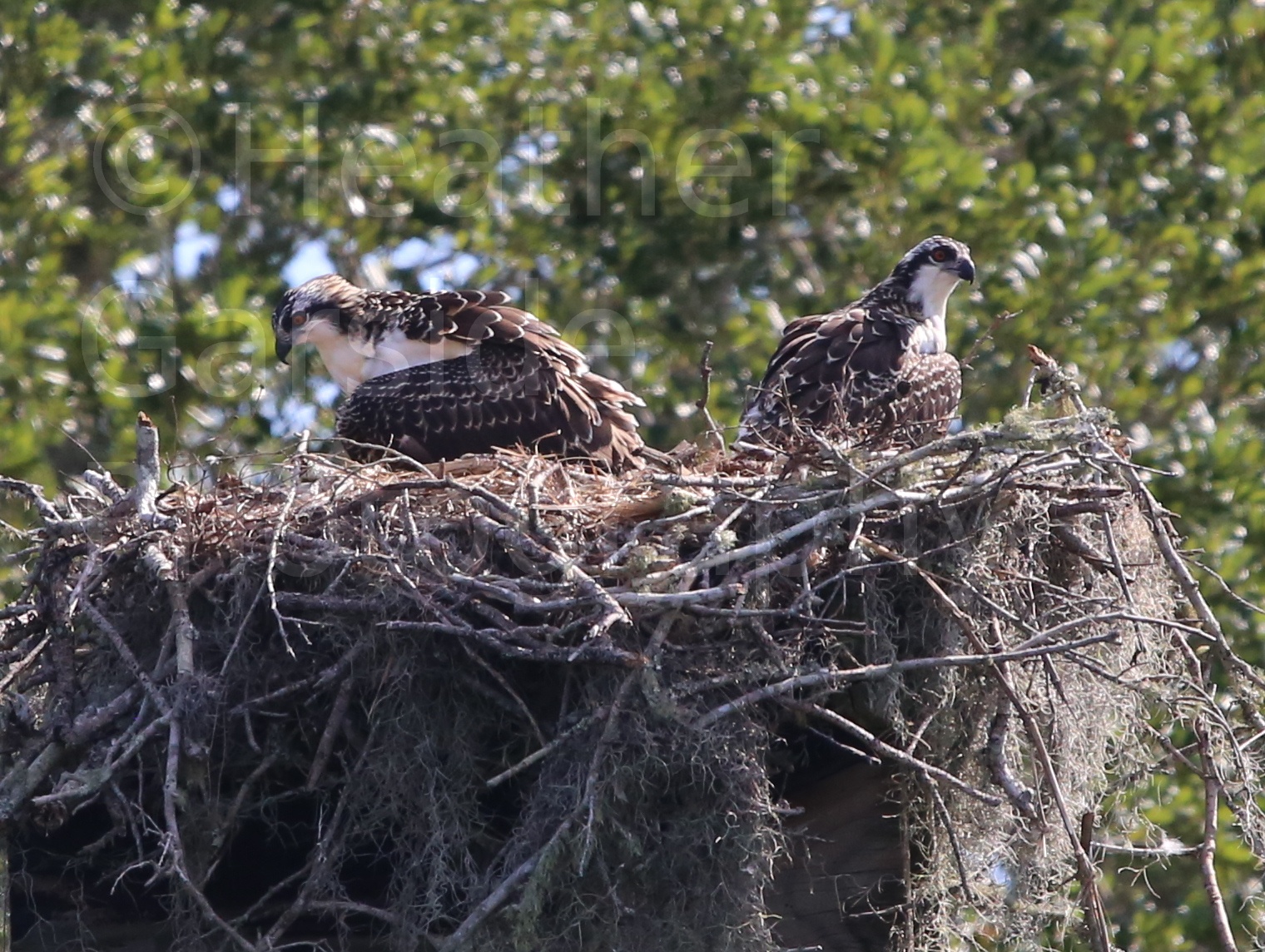
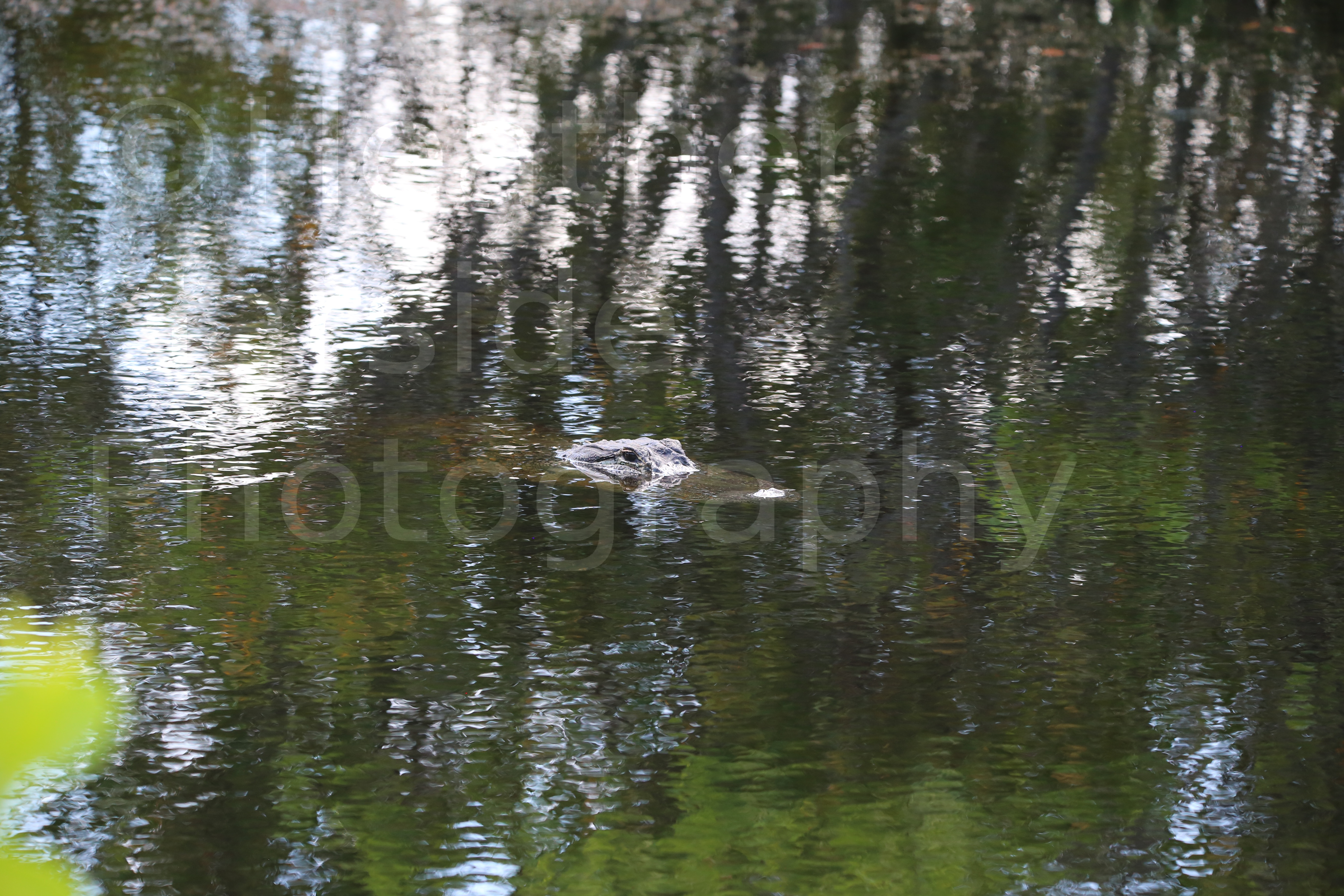
So I headed back to the car to regroup, grabbed the camera, hung my park permit from the rear-view mirror and off I was to start my adventure. The whole trail was buzzing with life. Dragonflies in every possible color imaginable, blue, red, orange, purple. Insects buzzing, butterflies fluttering and lizards scurrying at every turn. I think I even saw the bushy end of a red-orange fox trail, but it was gone so quickly I can’t be sure. I did see the alligator, from a great distance, at first mistaking him for a rock until I checked him out more closely with my telephoto lens. There were several nest platforms in view on this trail, and a pair of Osprey were hanging out in one of the nests. I think they might have been juveniles, based on the way they were behaving. The loop was fairly short and soon I was back in my rental car and on my way to the next trail.
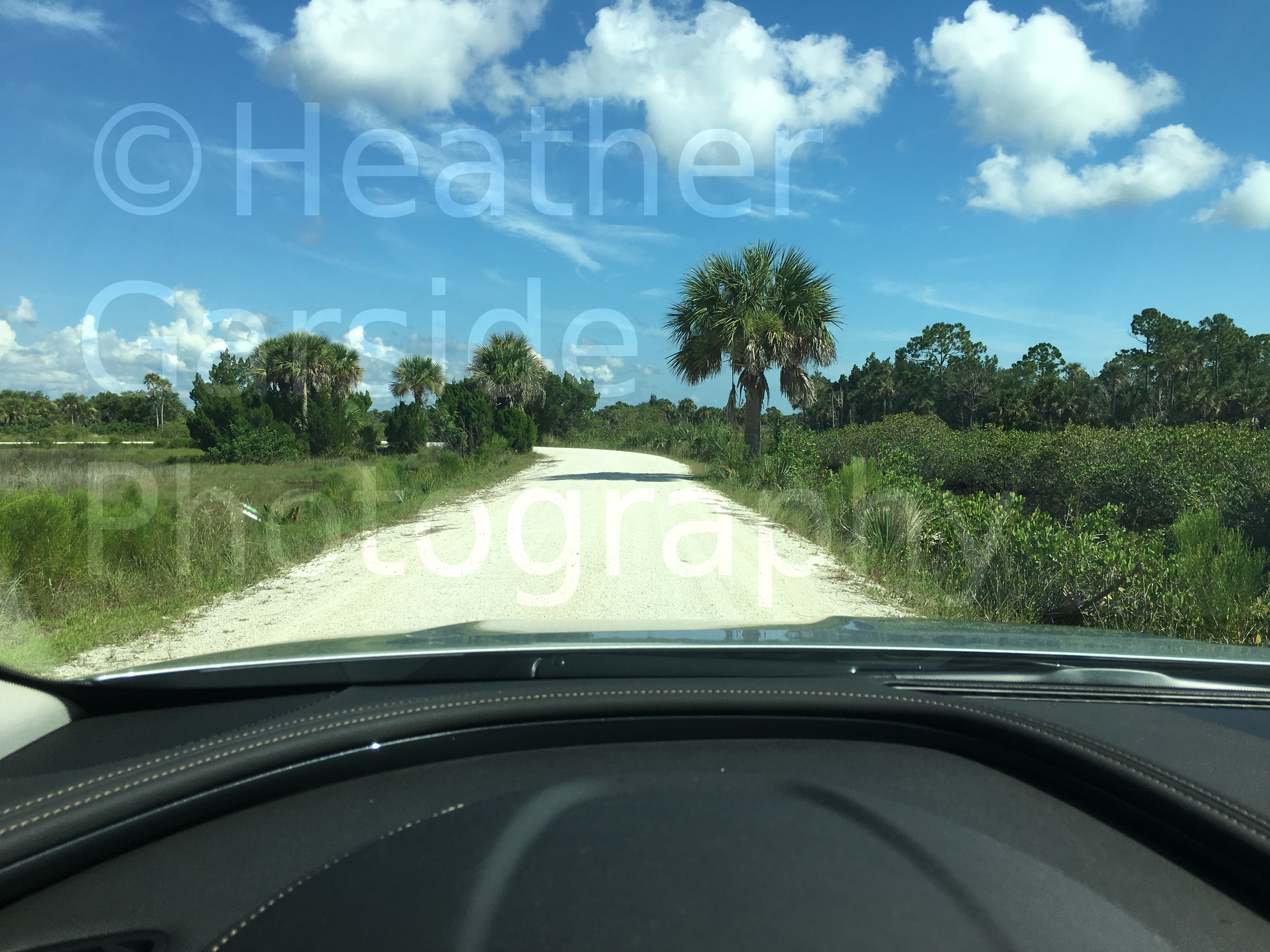
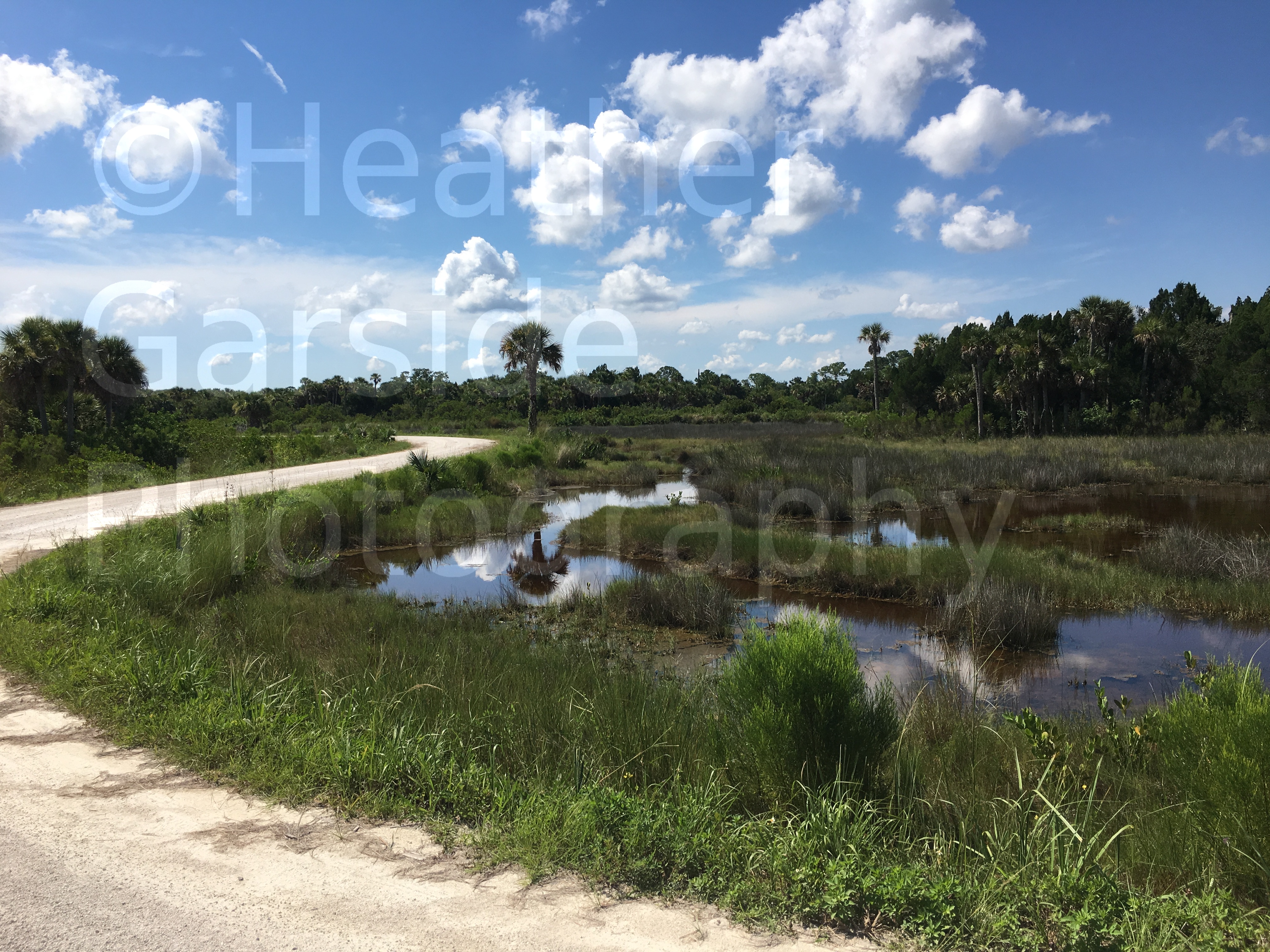
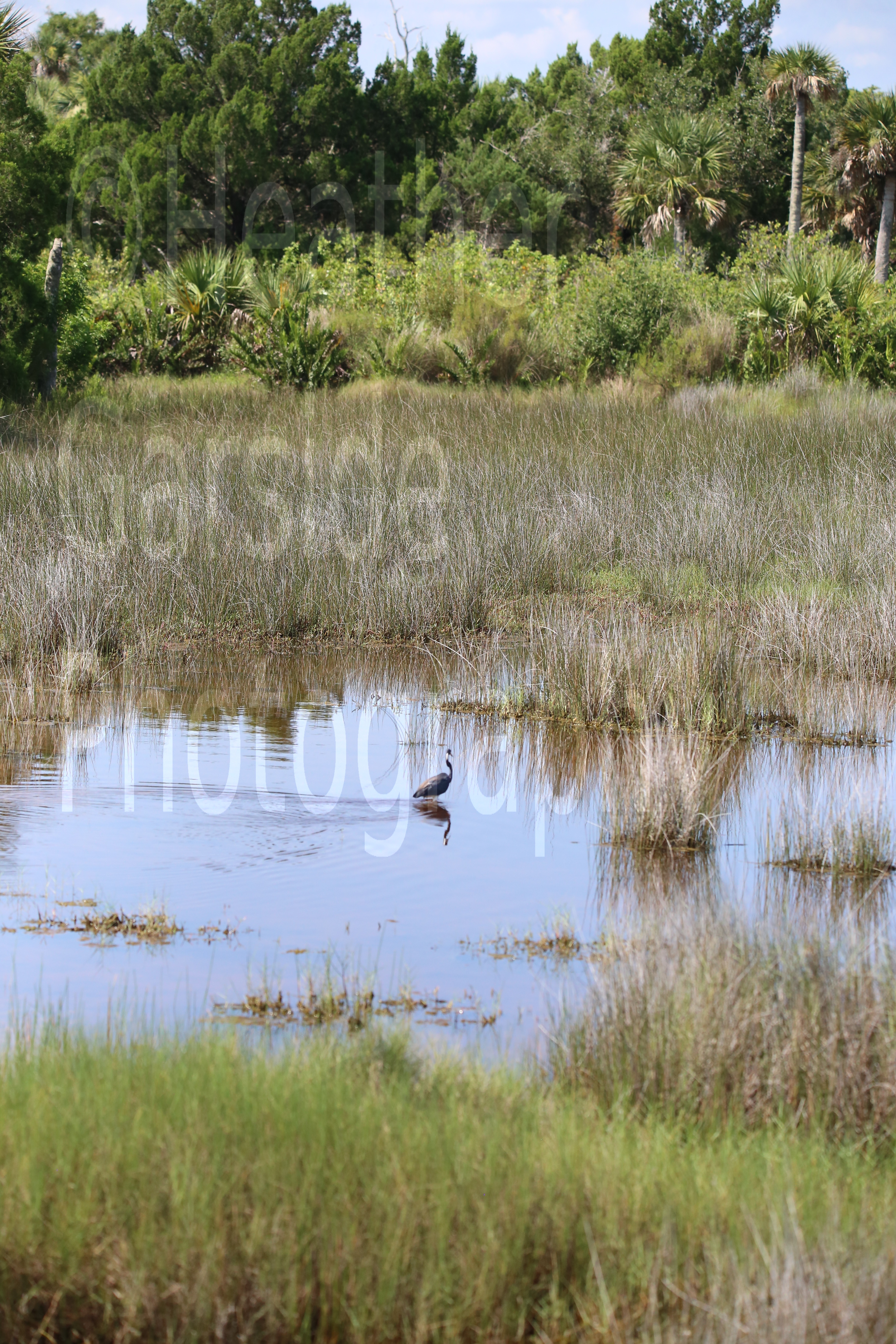
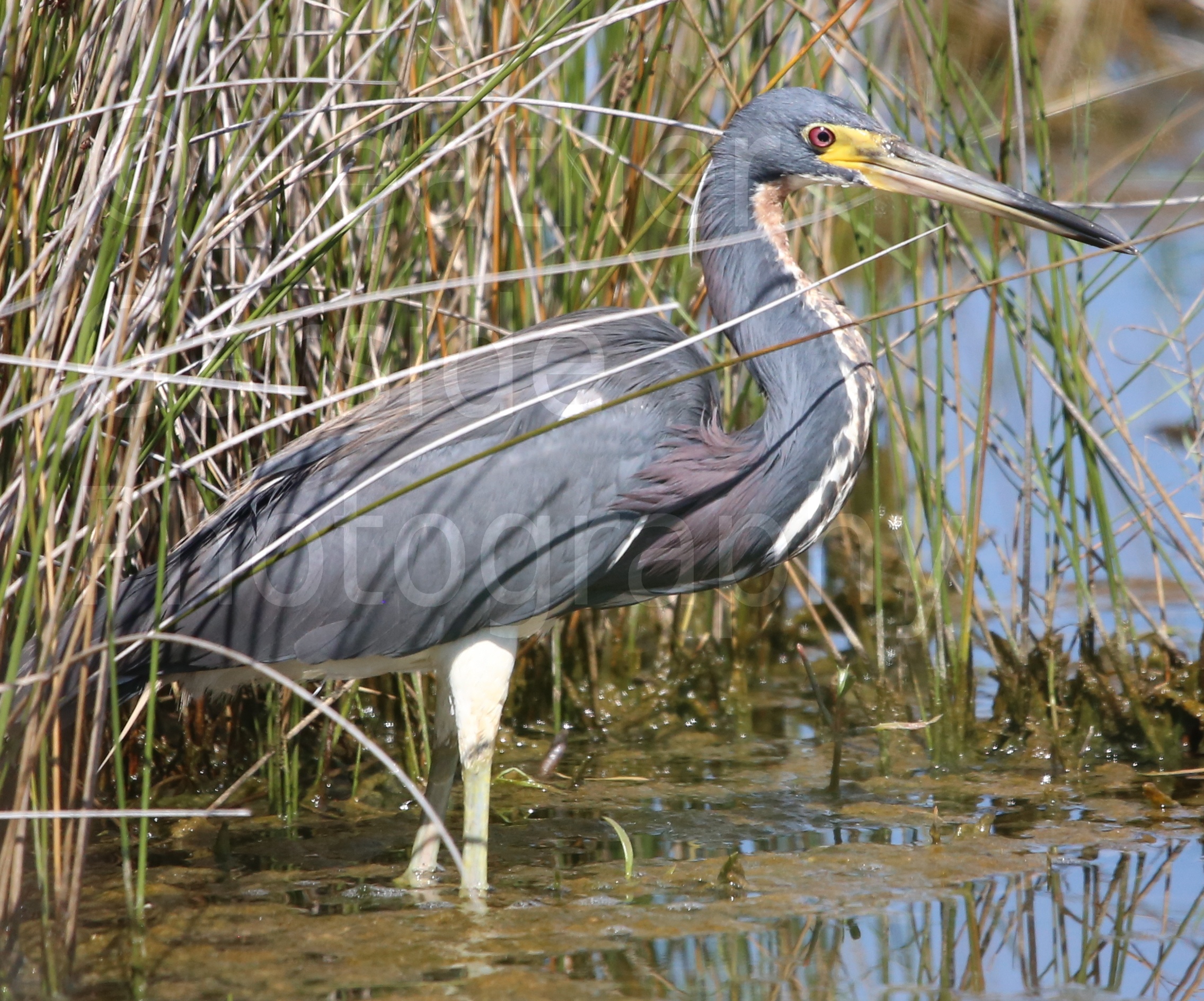
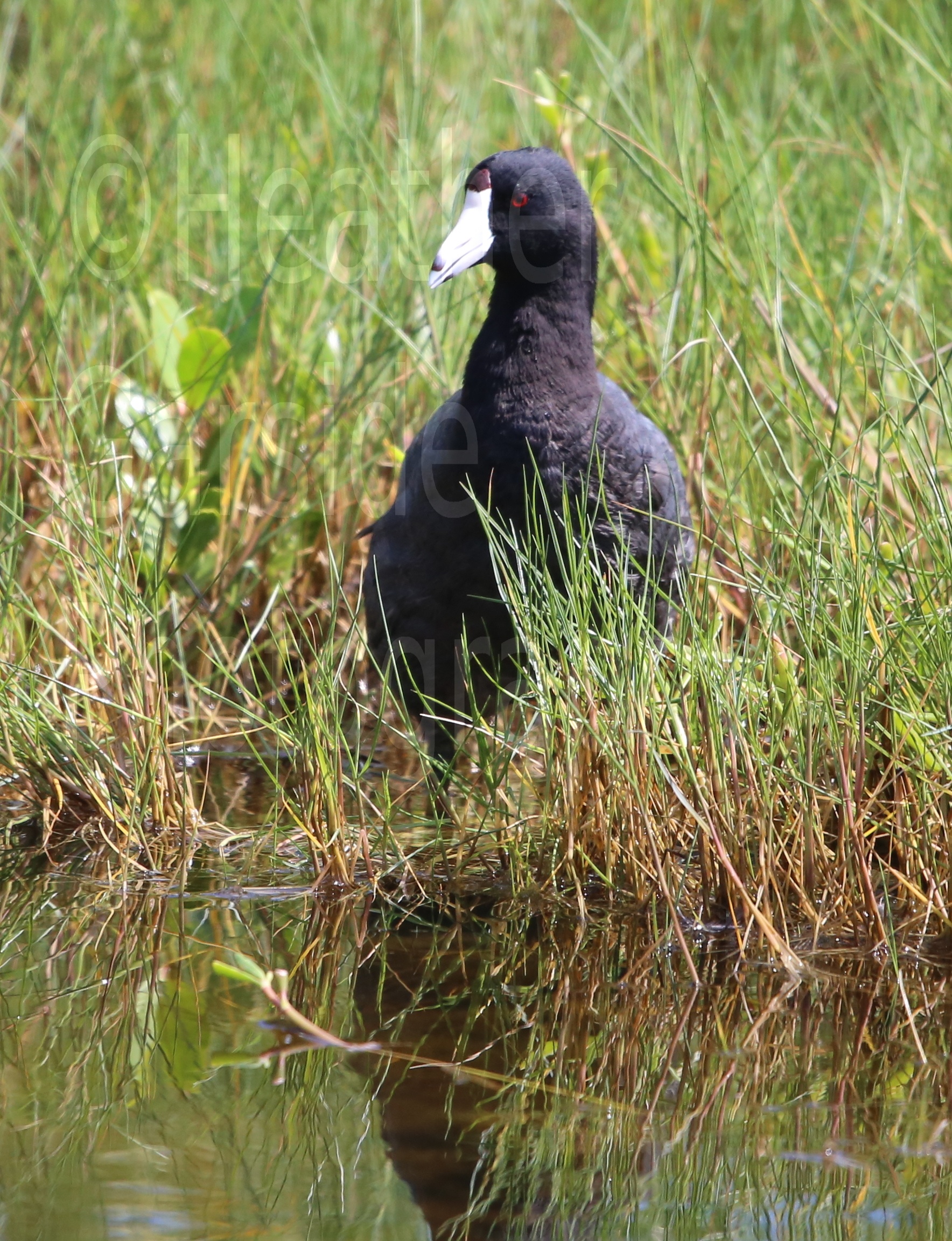
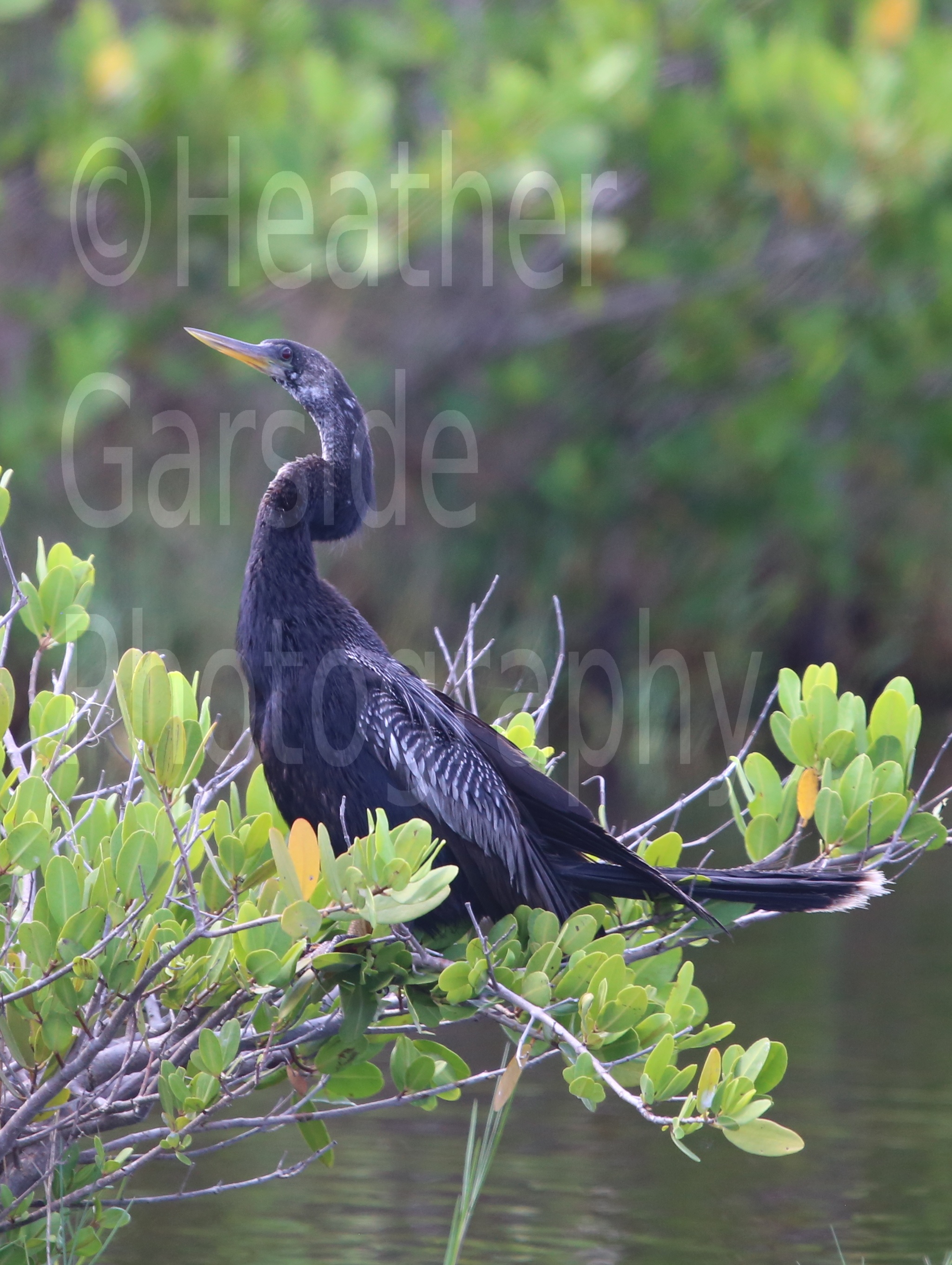
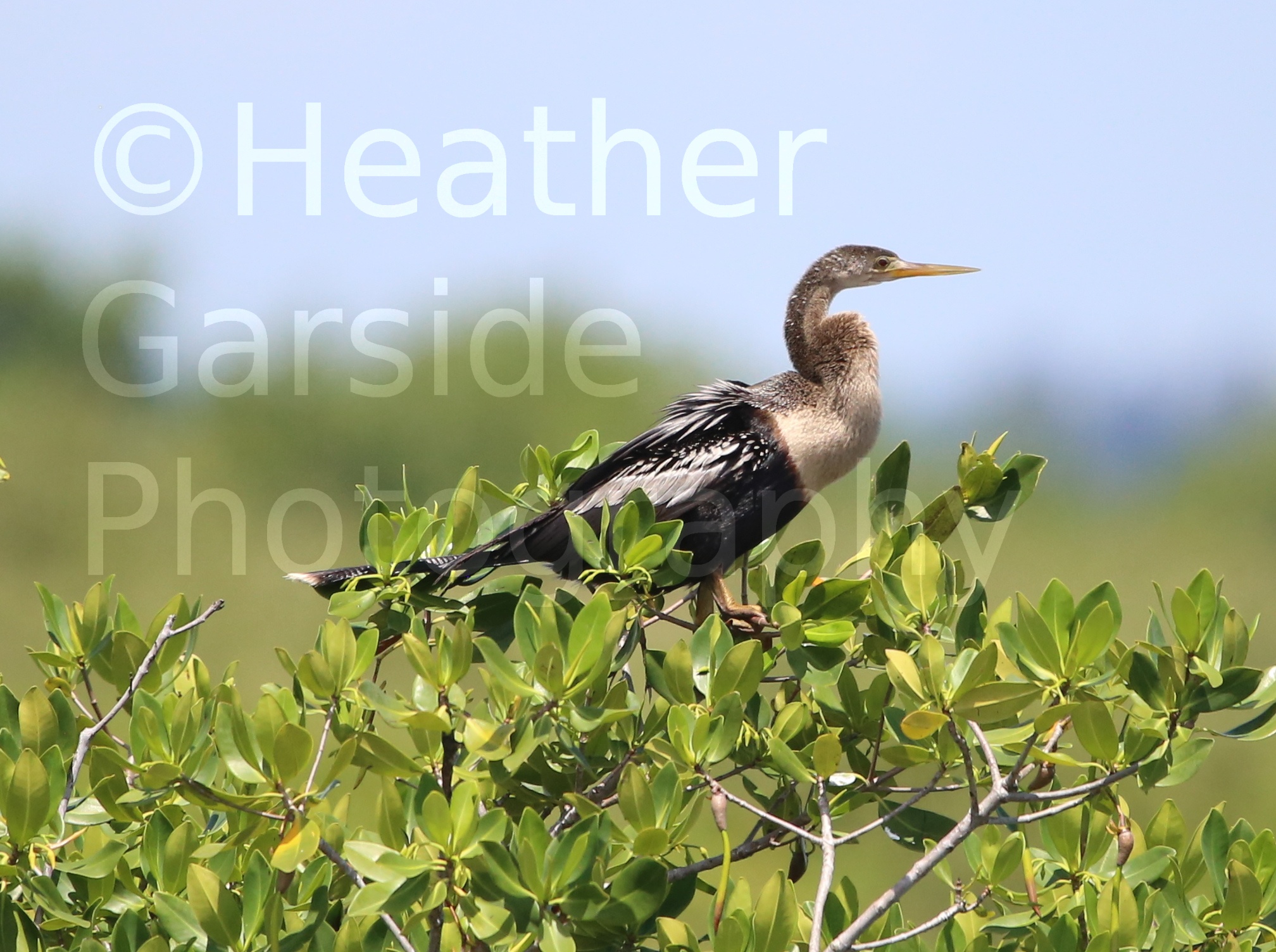
My second destination was the Black Point Wildlife Drive, a one way driving route through the marsh. As I pulled in, I was more than a little nervous about going down the dusty gravel road in a rental car, but soon the scenery distracted me totally. There were several pull offs and I made great use of them, hopping out of the car at the slightest flutter of a bird wing. This drive truly was not to be missed. There were a number of waterbirds hunting in the shallow water. The first bird I saw was a lone Tricolored Heron. Significantly smaller than the Great Blue Heron, the Tricolored Heron is about 24-26 inches. The deep, yet subtle and muted blue of its feathers really makes you wonder how the Great Blue Heron was ever called blue. Watching it for a bit longer, the burgundy or purple feathers along the neck and back become evident. Its beak is so yellow in comparison and the eyes’ reddish-pink. Closer to the road, hunkered down in some short shrubs were a pair of American Coots with their snow white beaks and red eyes. Just a bit further along the drive I noticed a Anhinga. Similar to a Cormorant in size and appearance, the most distinct different to differentiate the Anhinga is its long, thin, pointy, yellow beak, so very different from the black hooked beak of the Cormorant. I could also see Great Egrets and other Herons stalking slowly though the water in the distance.
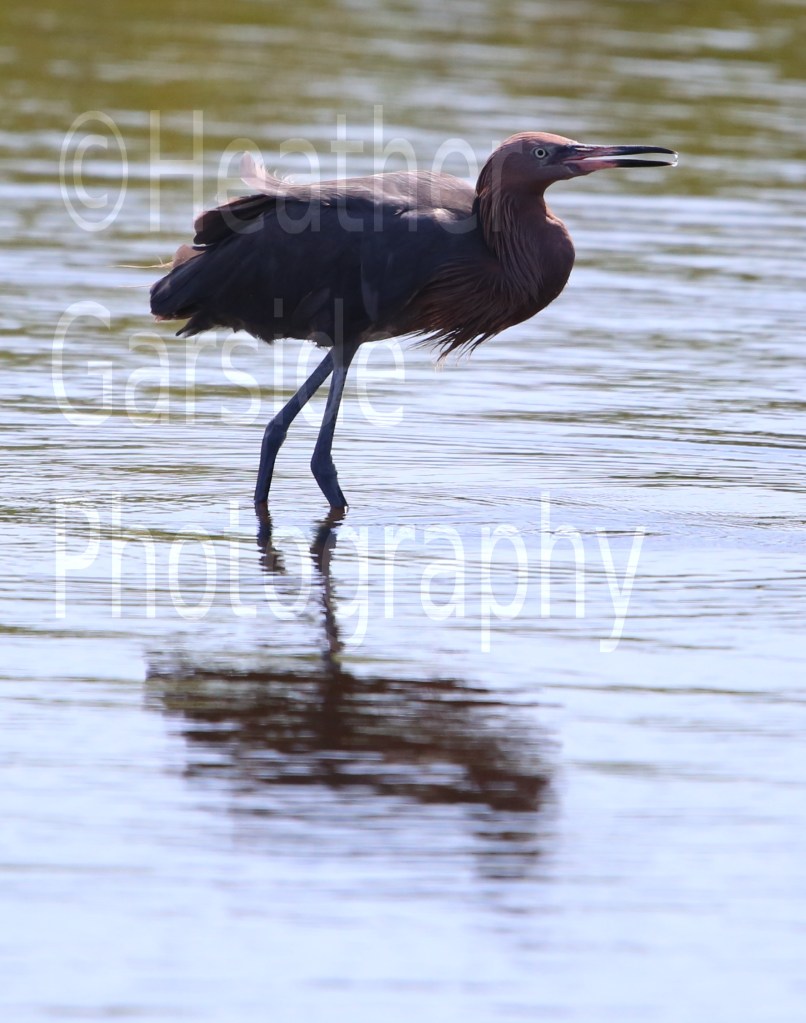
As the road wound its way around the marsh there was one spot where bird watchers could park and walk up a short path to a few bird blinds. I decided to venture out of the car and stretch my legs. As I first excited the car I noticed what I thought the be another Tricolored Heron, but I quickly observed that this bird was much more red, almost like a very dark flamingo. This Reddish Egret had coloring in what is known as the dark morph, other members of the same species also occur with white feathers. Its toned beak was very interesting, light pink ending in a black tip, almost like it had dipped the end of its bill in black ink.
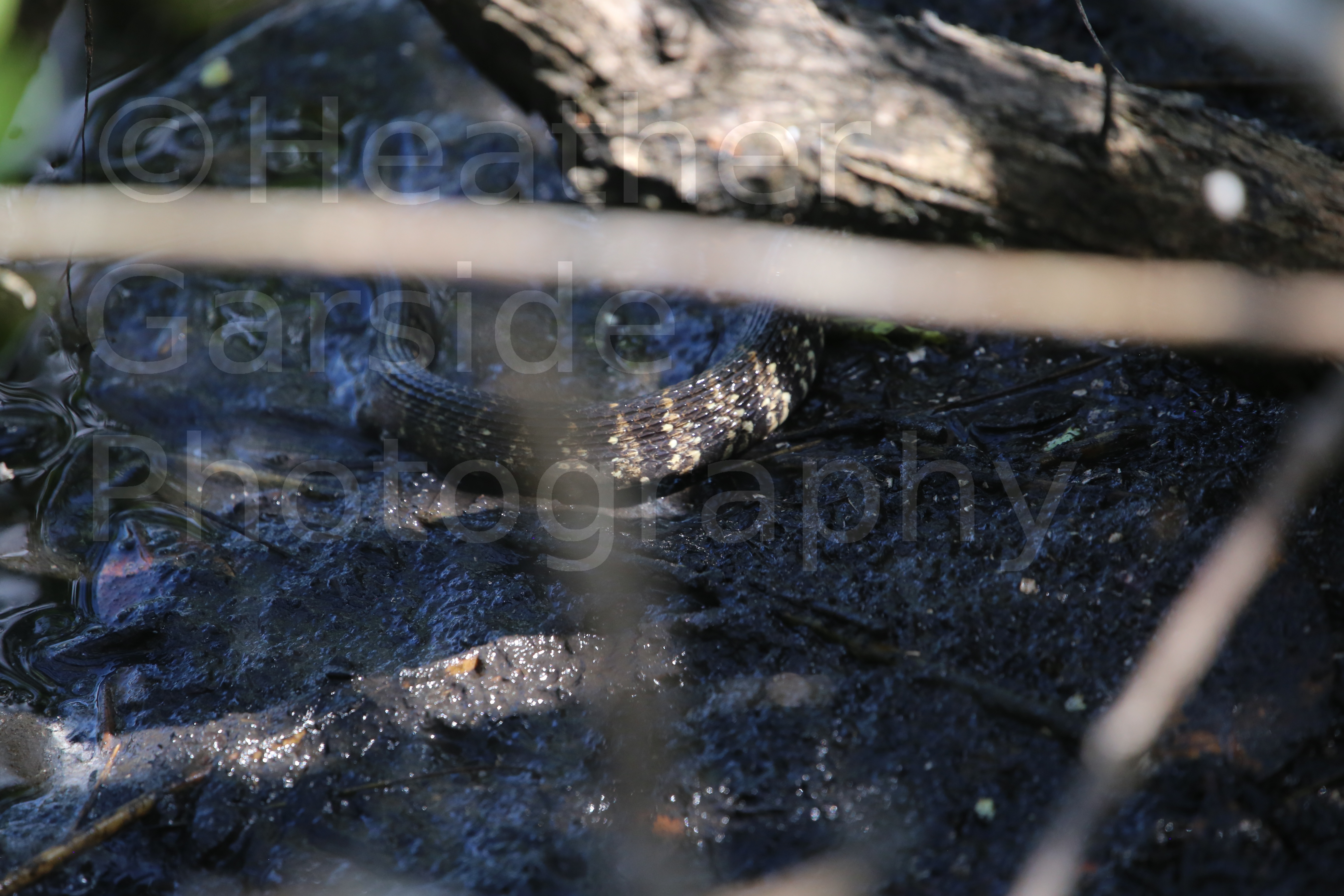
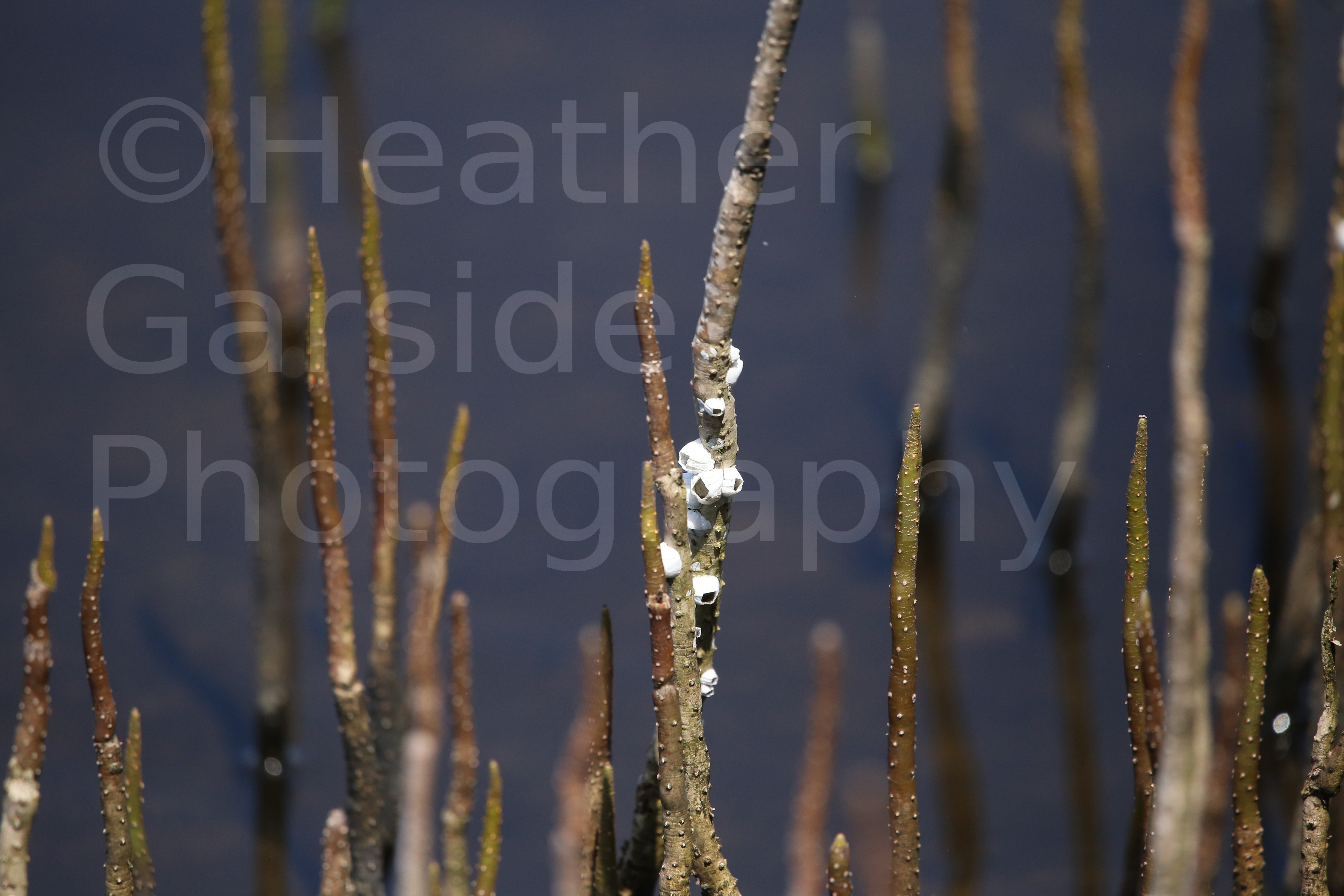
Once I had snapped enough photos of the Reddish Egret I headed on down the short trail to the bird blind. Had a very quick but close encounter with a snake. I am not sure which of us was more startled, but the snake made the first move, quickly heading away from the sunny path and back toward the water’s edge. I only saw enough of it to guess that it was probably a Southern Water Snake. I decided to leave him be and headed on to take a seat in the bird blind. As I looked at the habitat around me, I noticed some barnacles clinging fairly high up on some vegetation, indicating that the water level in the marsh could climb much higher than I would have suspected.
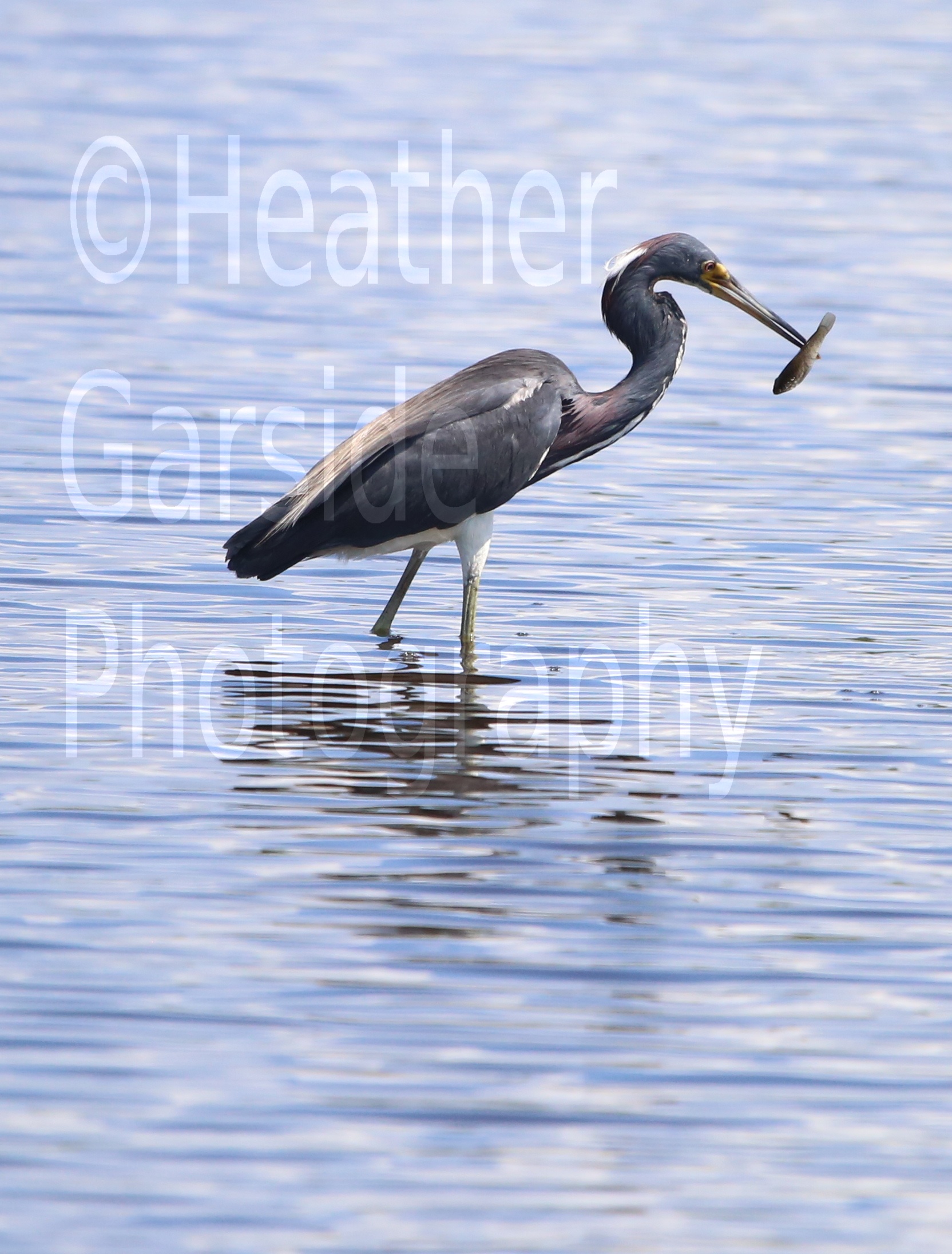
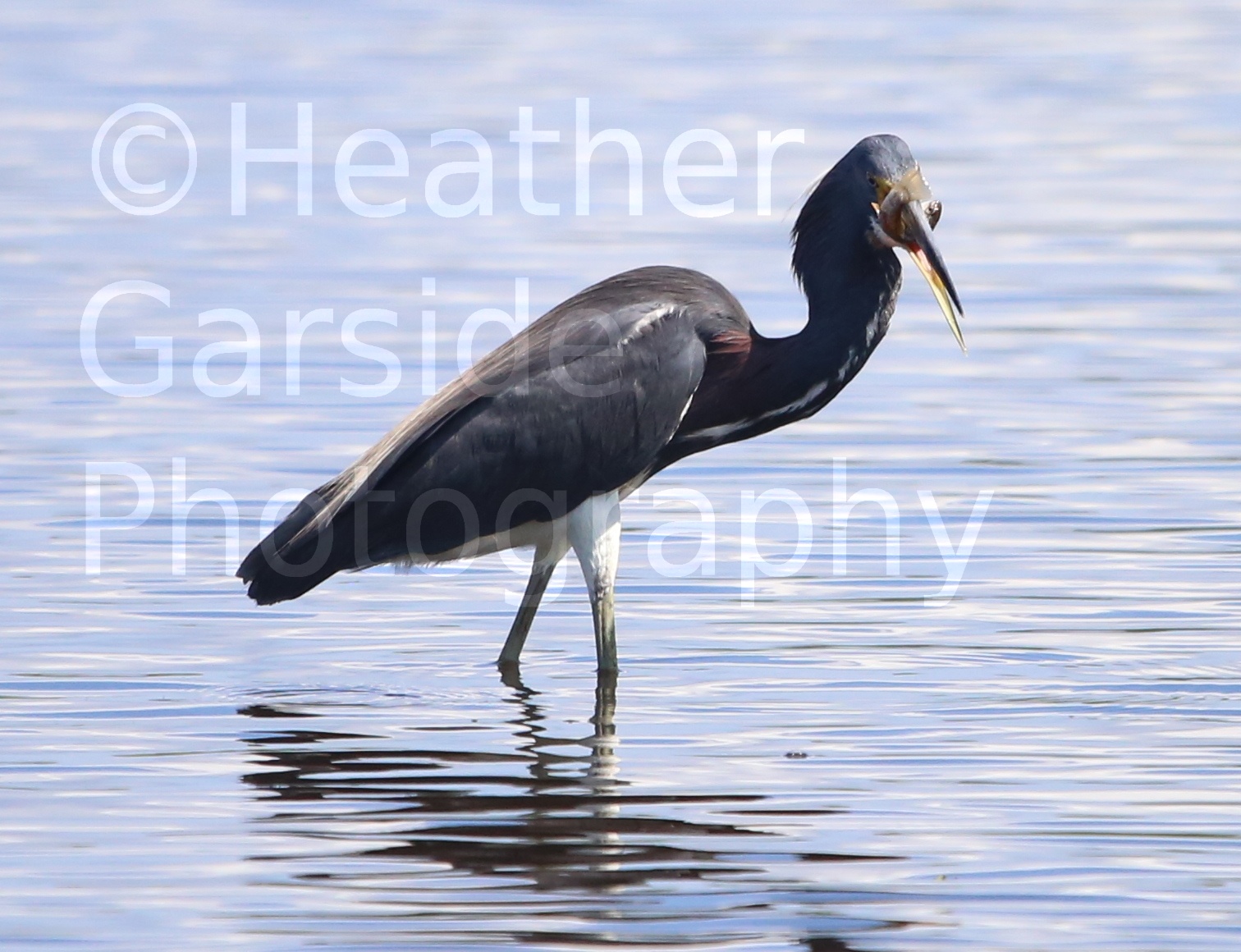
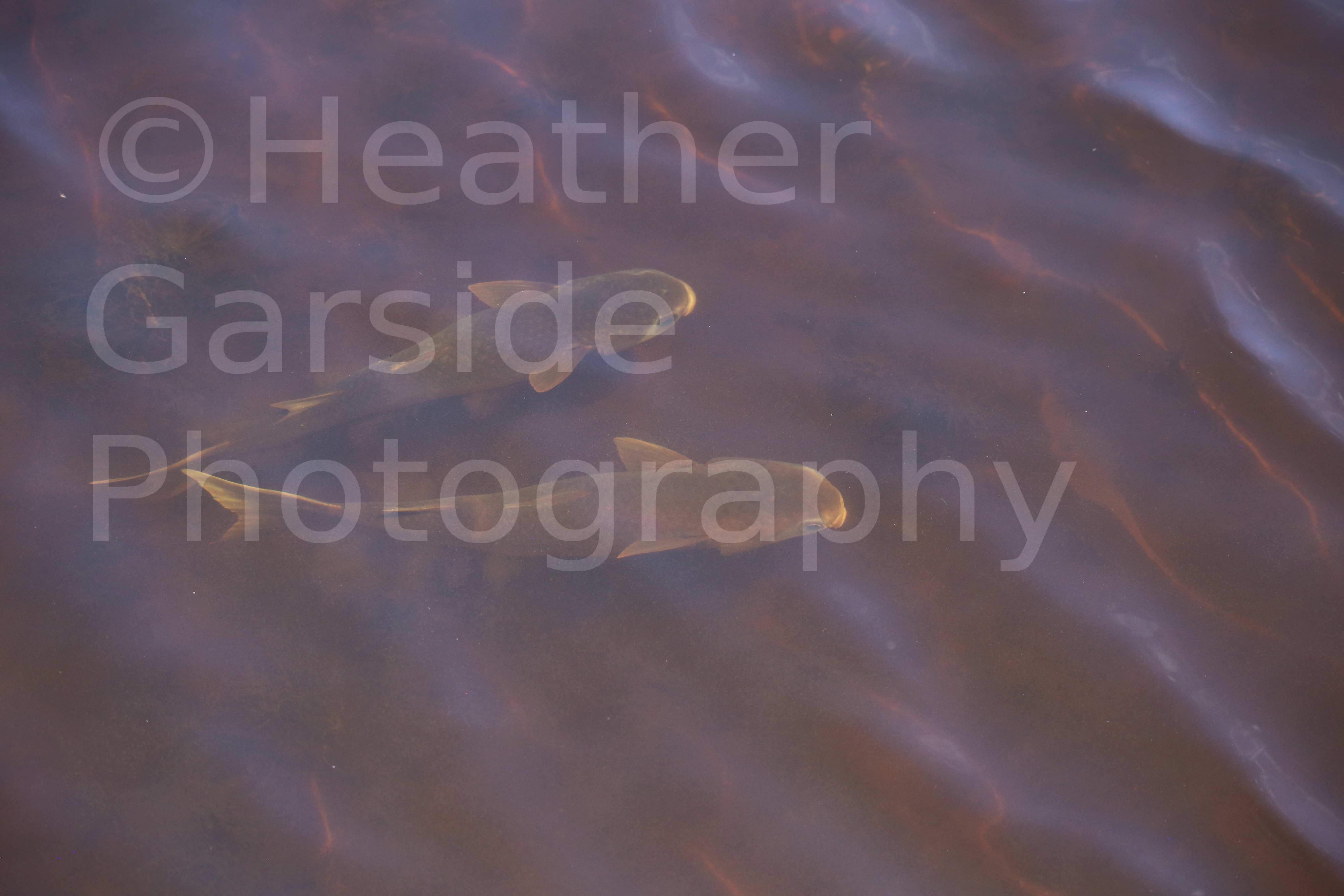
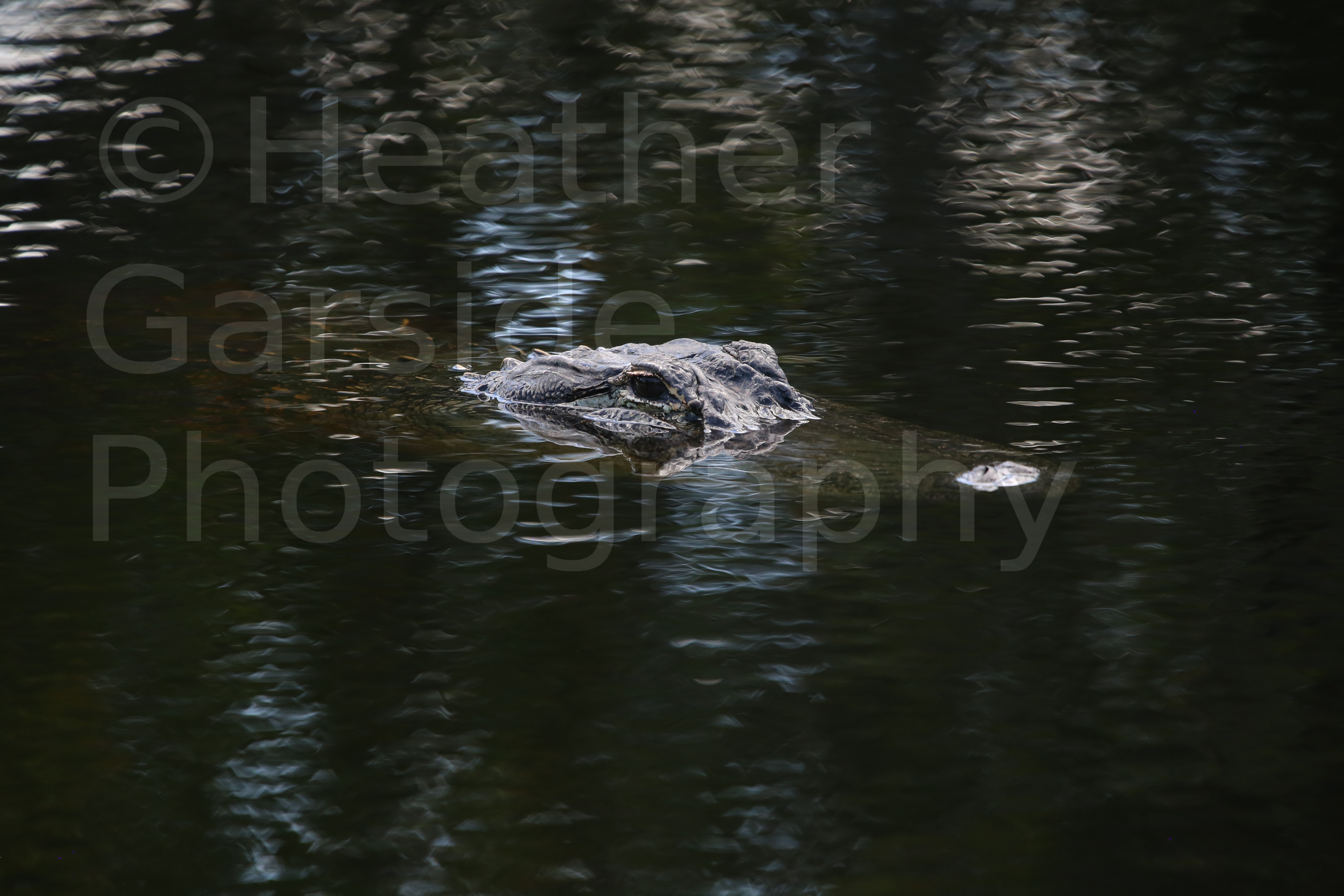
I did not have to long to think about changing water levels before a Tricolored Heron decided to introduce me to some of the fish, plucking one out of the water right in front to me and waving it around before he finally decided to put the poor thing out of its misery. After watching the Heron hunt for a little bit longer I decided to head back to the car, taking a look in the water as I passed for any fish or turtles I might see. Just as I had almost reached the road, I looked up from the water’s edge and started. There was an alligator calmly hanging out in the water only about 15-20 feet away. Seeing him so close, especially when I was so alone, made me both excited and nervous. I managed to remain fairly calm, take a few photos and then I walked quickly back to the safety of my car.
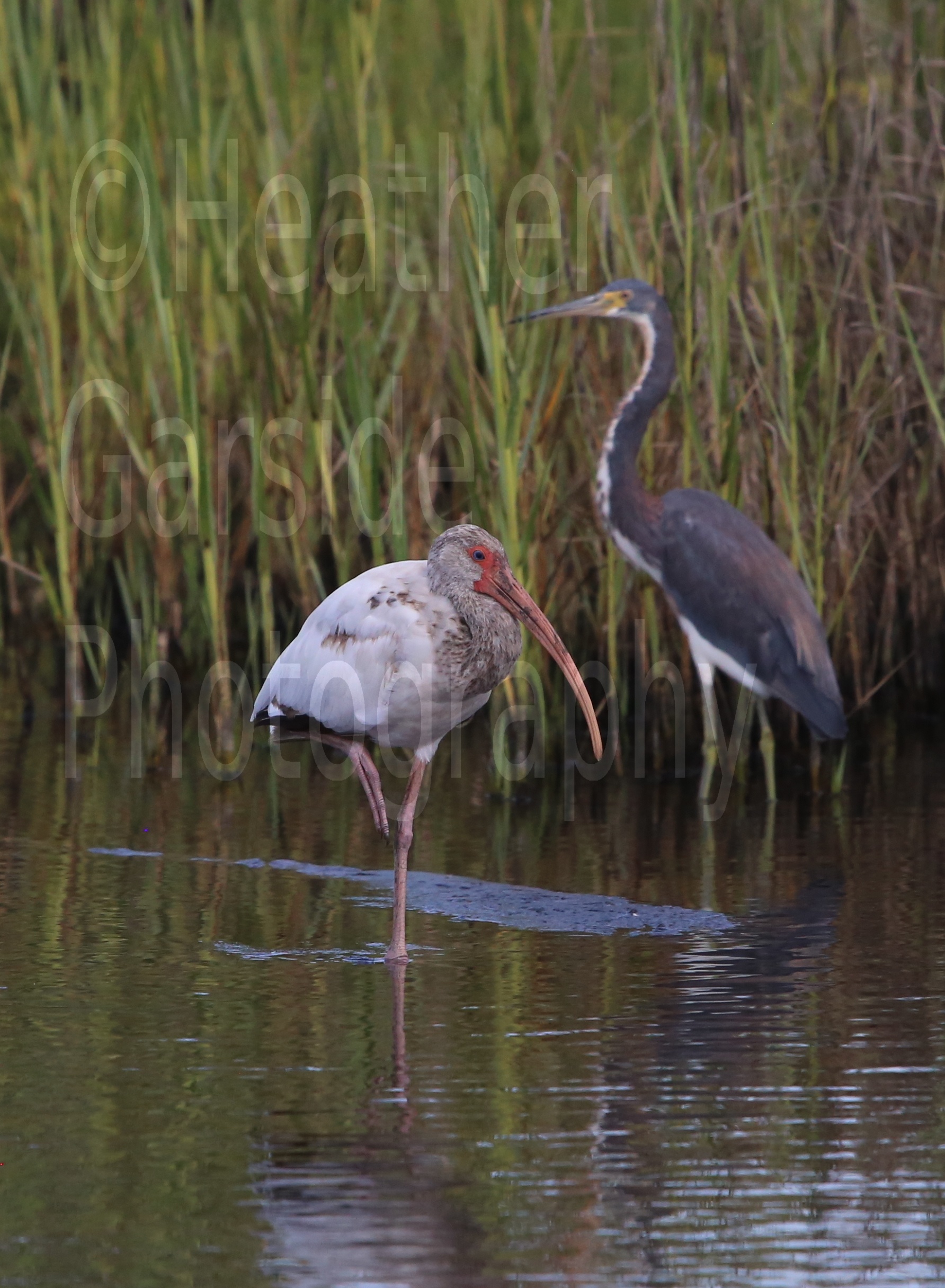
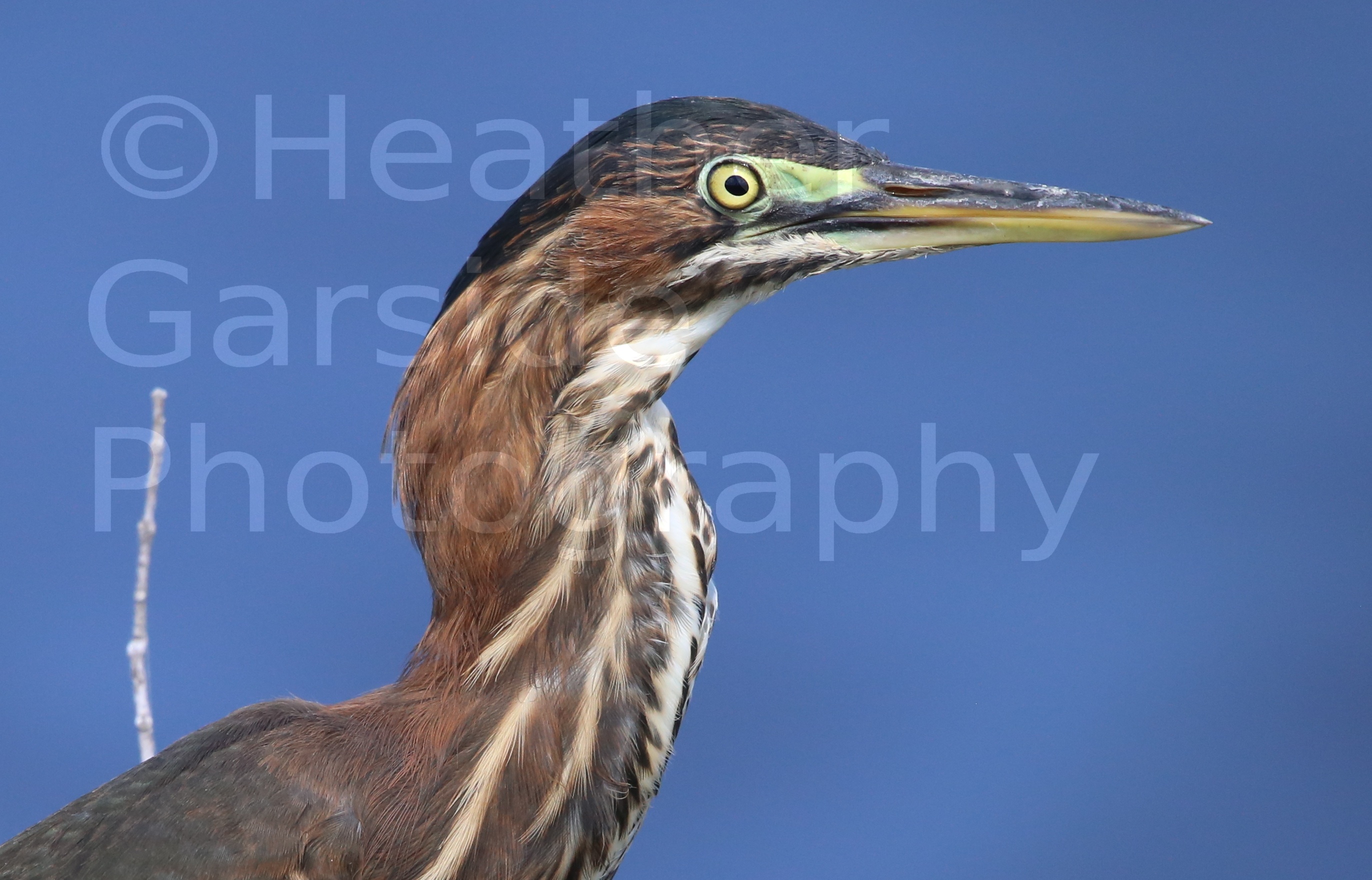
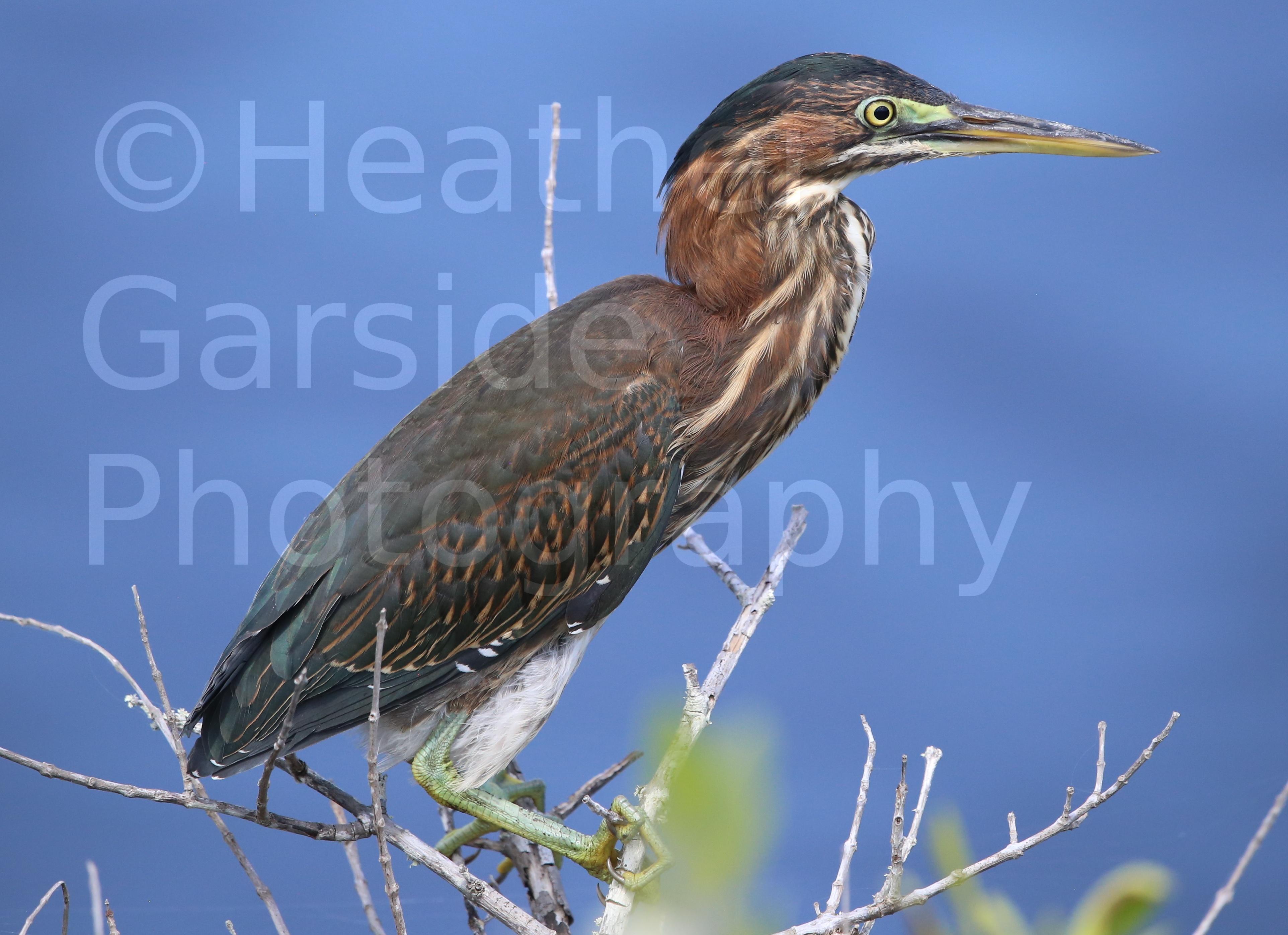
I continued to drive and stop along the rest of the Black Point drive. One final spot proved worthwhile. The water level was very low and there were large clumps of grass breaking up the open space and providing cover. I noticed another Tricolored Heron standing very near another large bird, which I thought might be a stork. So I parked the car and walked down the road to get a better angle. The Heron’s companion turned out to be a White Ibis juvenile. Similar in size to the Tricolored Heron, the White Ibis looks significantly less intelligent than the Heron. Something about its eyes seemed so much more gentle and perhaps naive. On my way back to the car I noticed some movement in a bush right on the edge of the road. Still very aware of my close encounter with both alligator and snake, I cautiously take a closer look. A Green Heron inched higher up on the bush as I approach, and we watched each other for a few moments as I took its portrait. The subtle green tint, not only to its feathers but also to the flesh around its eyes was so pretty in the sunlight.
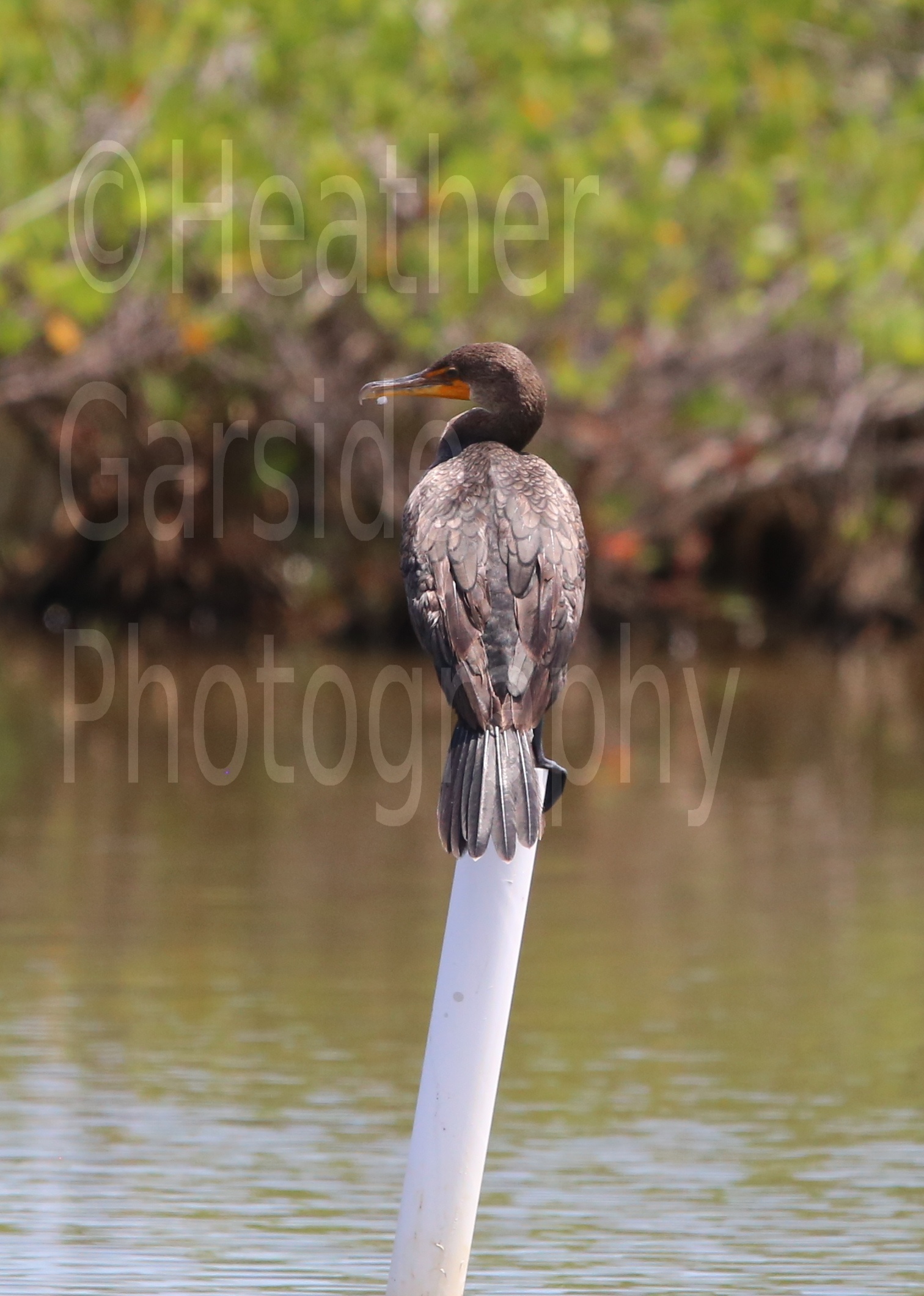
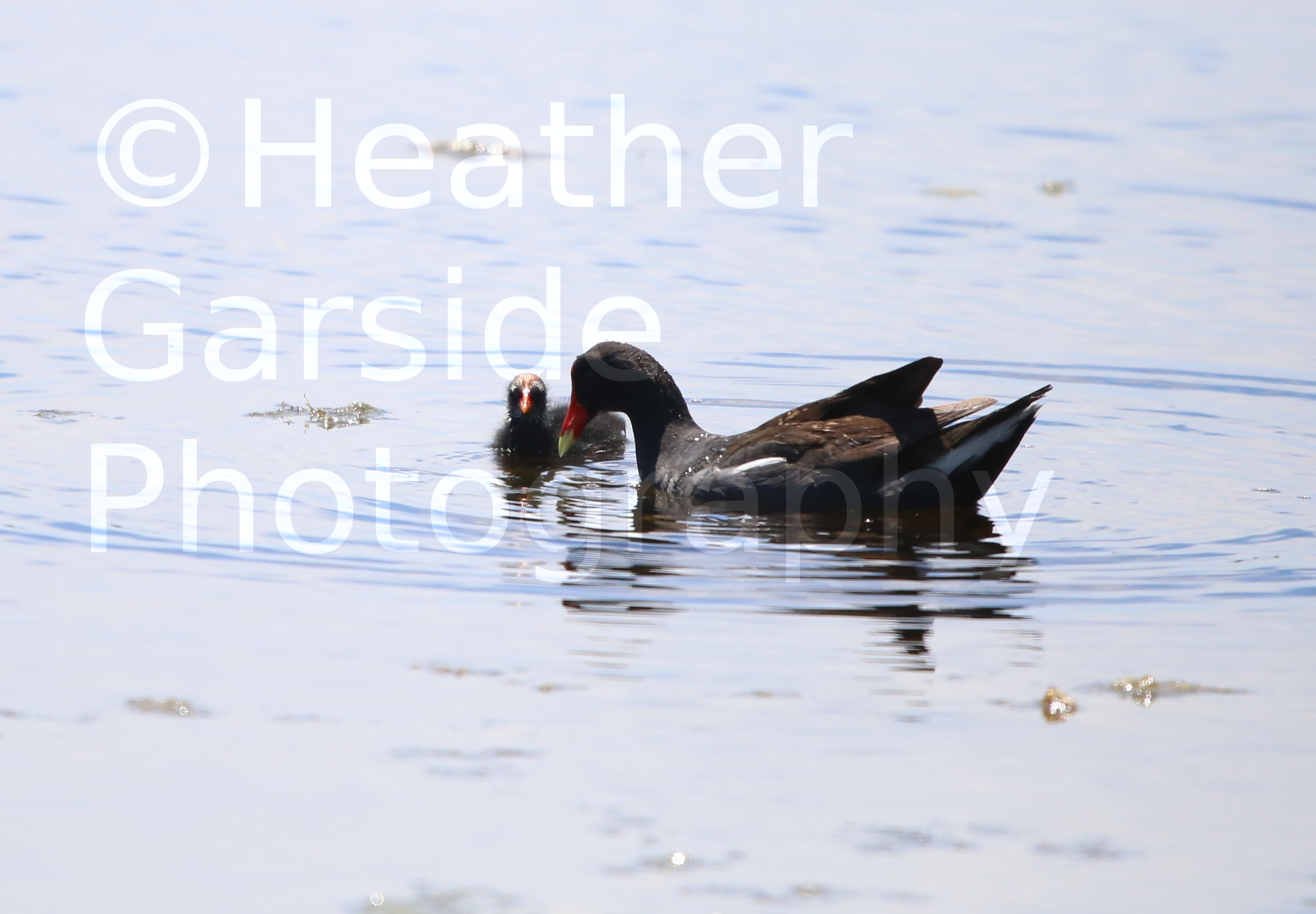
I continued to take photos out the window as I completed the loop. I spotted another Anhinga, which I believe was a female given its brown neck and head. I also spotted a Double Crested Cormorant, enjoying its perch on the top of a pole. A Common Moorhen and her chick were swimming and nibbling in one quiet spot. The Moorhen is very similar to the American Coot I had spotted earlier, except for its deep red bill in contrast to the Coot’s white bill. Turning one curve in the road I came upon a group of Glossy Ibis, feeding on crustaceans in the shallows. Very similar in shape to the White Ibis, their coloring is their one noticeable difference.
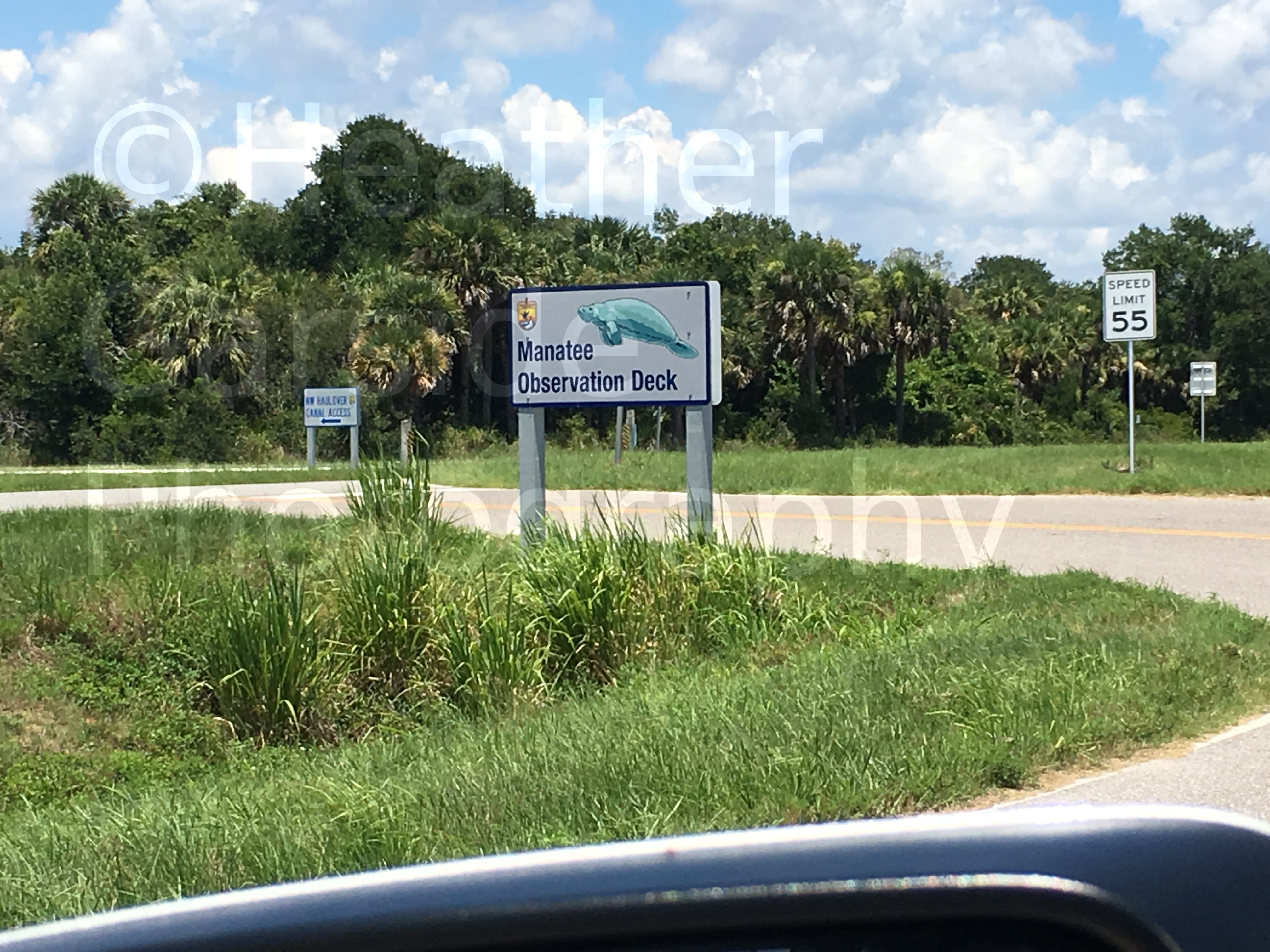
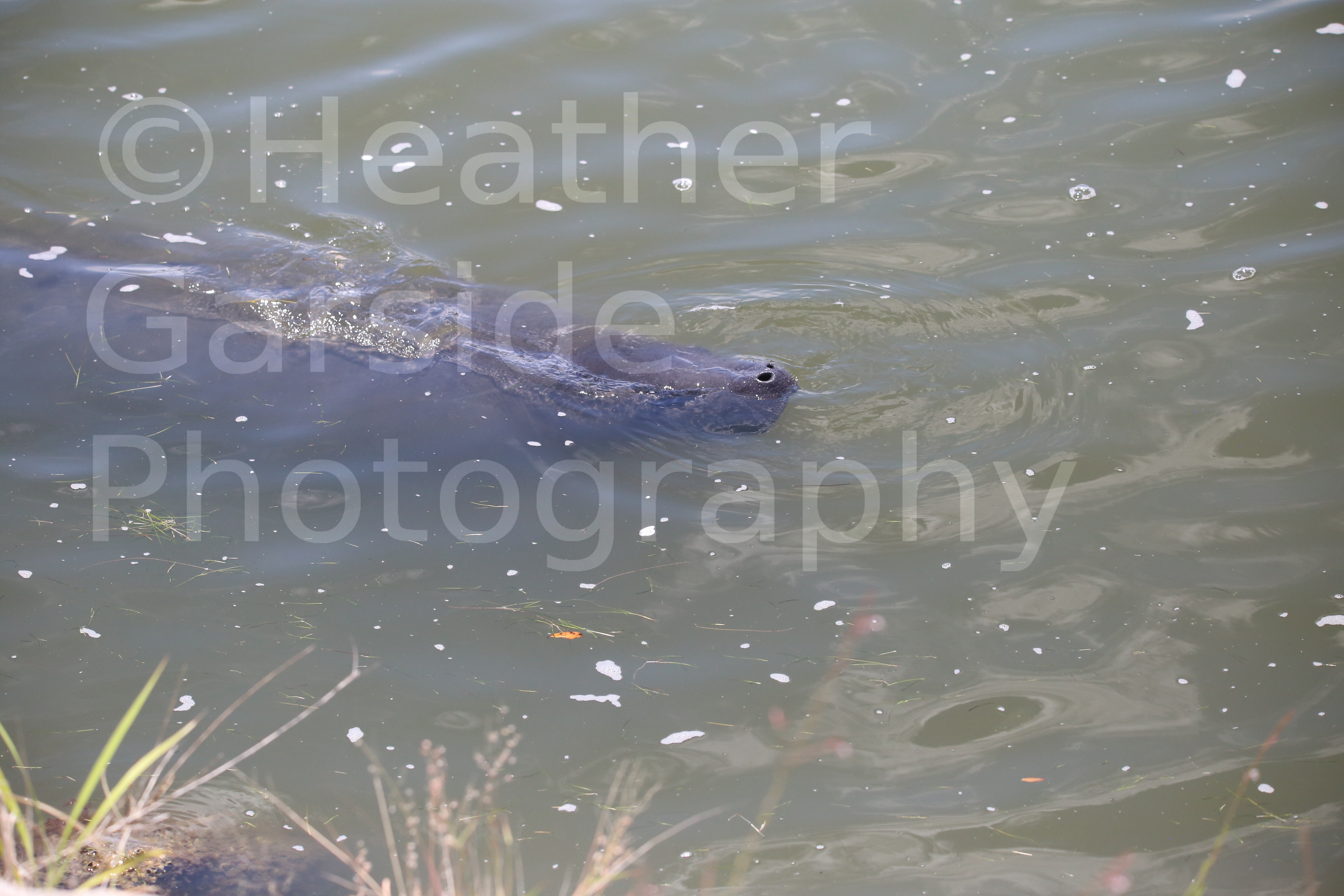
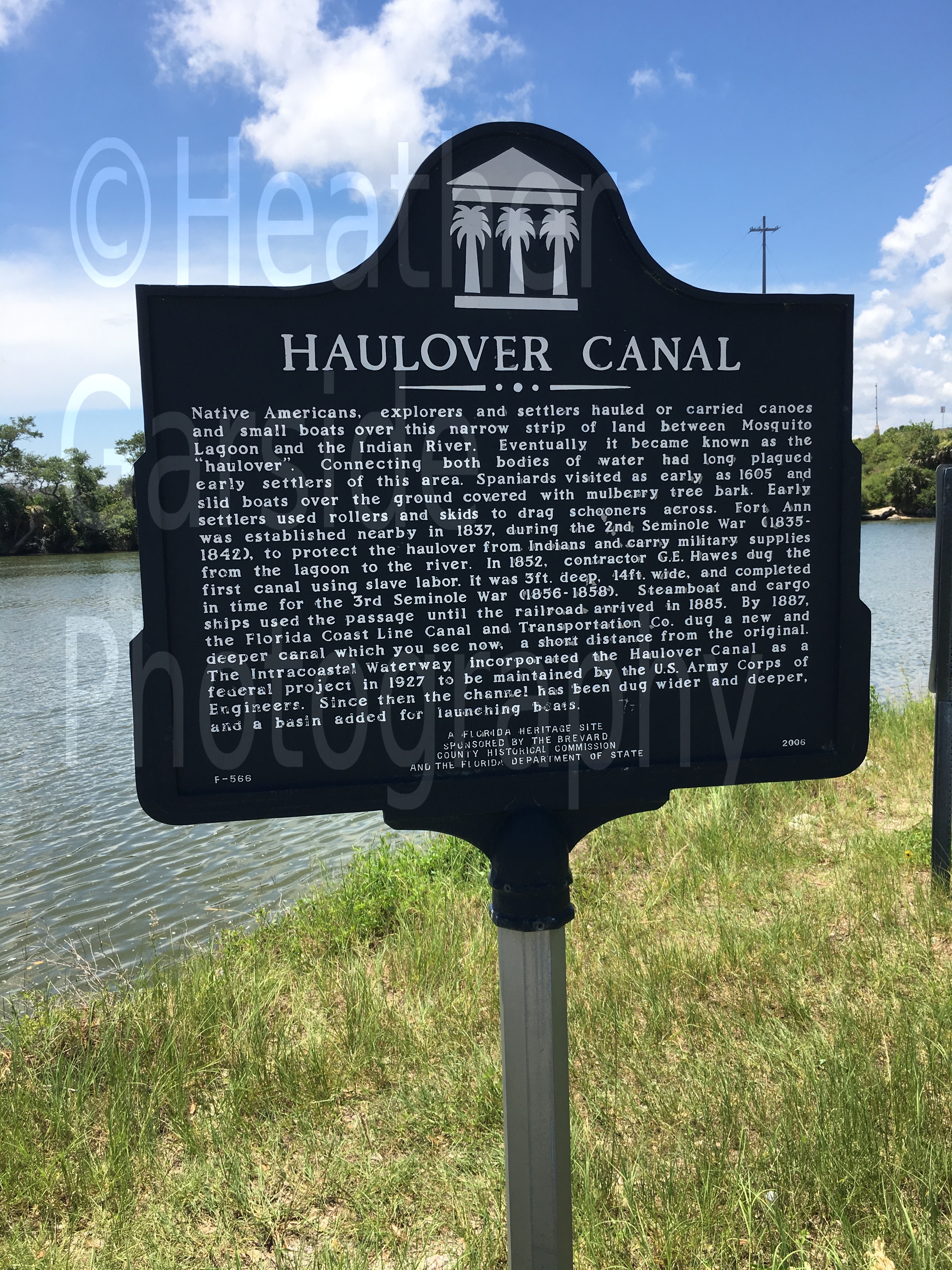
Having completed the drive, my next destination was the Manatee observation deck. Located in the Haulover canal, the deck doesn’t look like much. A concrete platform with railings, overlooking the canal. But as you approach the railings you begin to understand why everyone is hanging over the edge. At least six manatees were just below the surface, chowing down on underwater vegetation. The most of any one of them you can see is their backs, the occasional tail flick and their little noses poking out of the water for a breath of fresh air. They never fully surfaced. They never really stopped their munching and lunching.
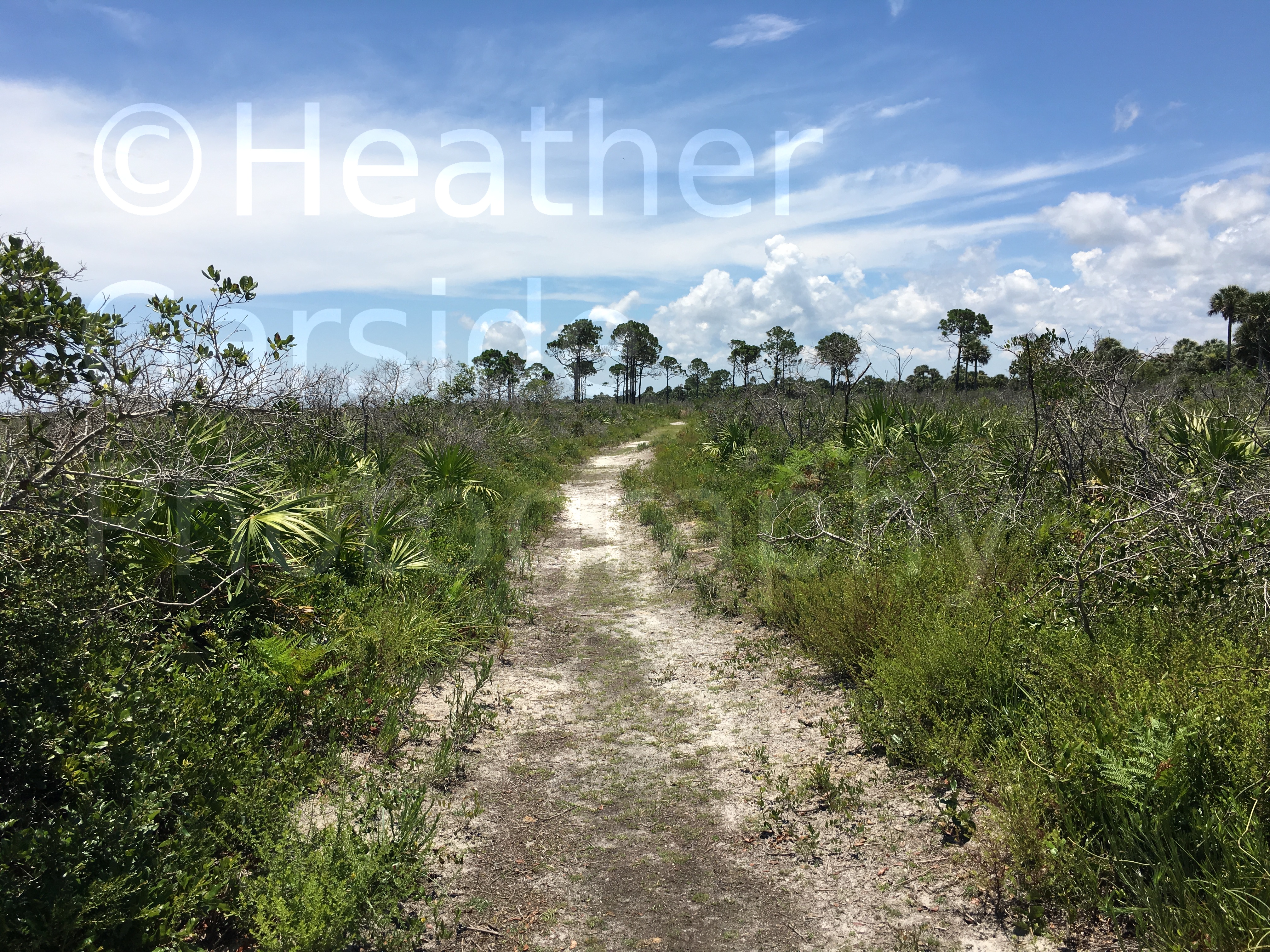
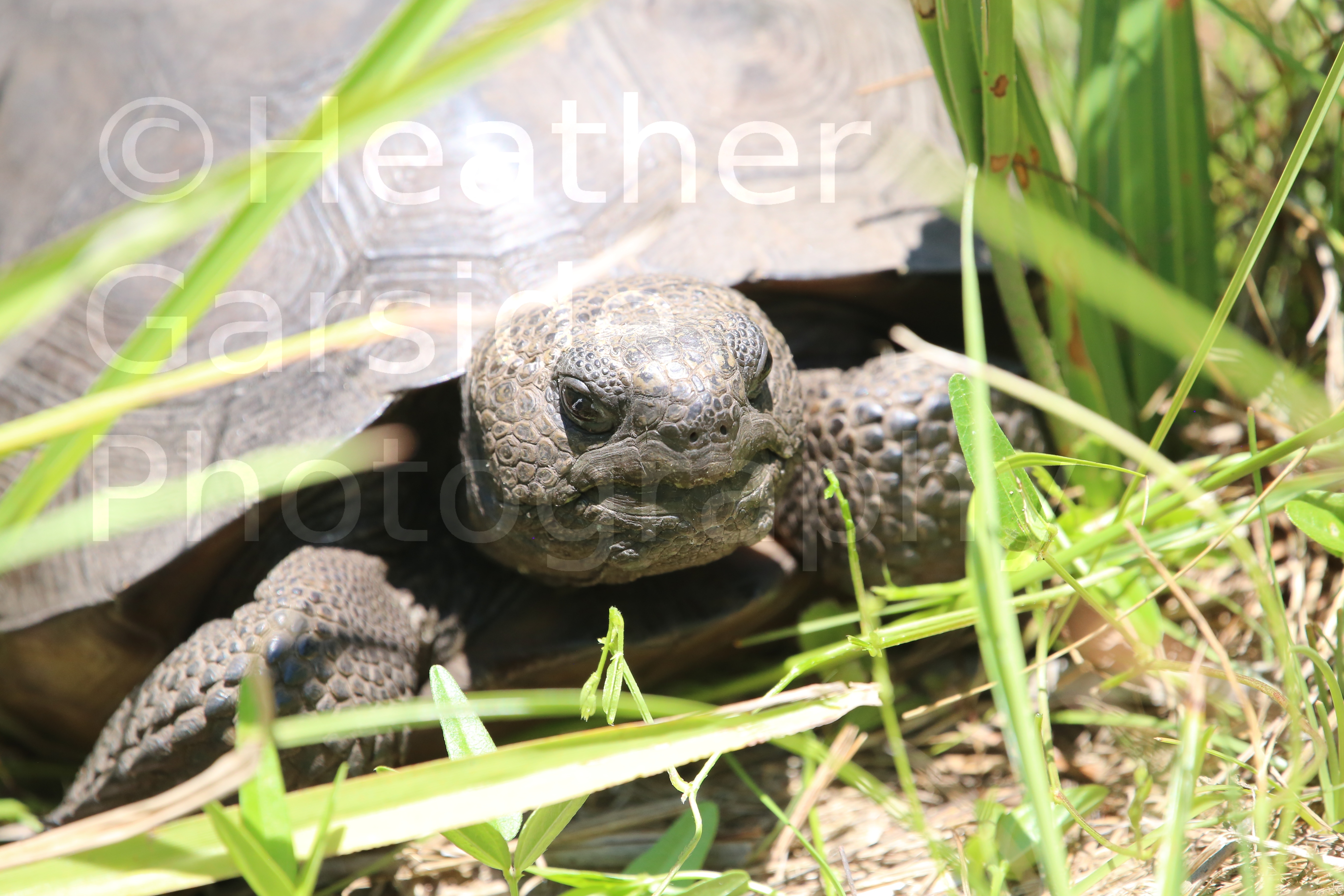
Moving on from the Manatees, the visitor center attendant had recommended that if I wanted to take a walk, I should definitely visit the Scrub Jay Trail. So off I went. When I pulled into the trail the only other car in the parking area was pulling out. It was just a bit after lunchtime, pretty hot and it was starting to get a bit buggy (although over all I would not say that I was really attacked by the swarm of bugs I was expecting). I starting walking along the trail, keeping my eyes peeled on the ground as well as the sky. There were high grasses on parts of the trail and I wasn’t sure if I might see another snake. Other than a few dragonflies whizzing by, I didn’t see anything for the first third of the trail. I was just considering whether I should turn back when I heard this rather angry sounding grunt, right next to my right ankle. I turned to look and saw a large Gopher Tortoise right next to my foot, in the shoulder of the path. He repeated his guttural noise and this time he made it clear that his grunt was really a growl. Aware that I was clearly invading his personal space I quickly backed off and took my photos from a safe distance. While bizarre, this encounter gave me renewed enthusiasm for the path and I continued down the trail with a bit more hop in my step.
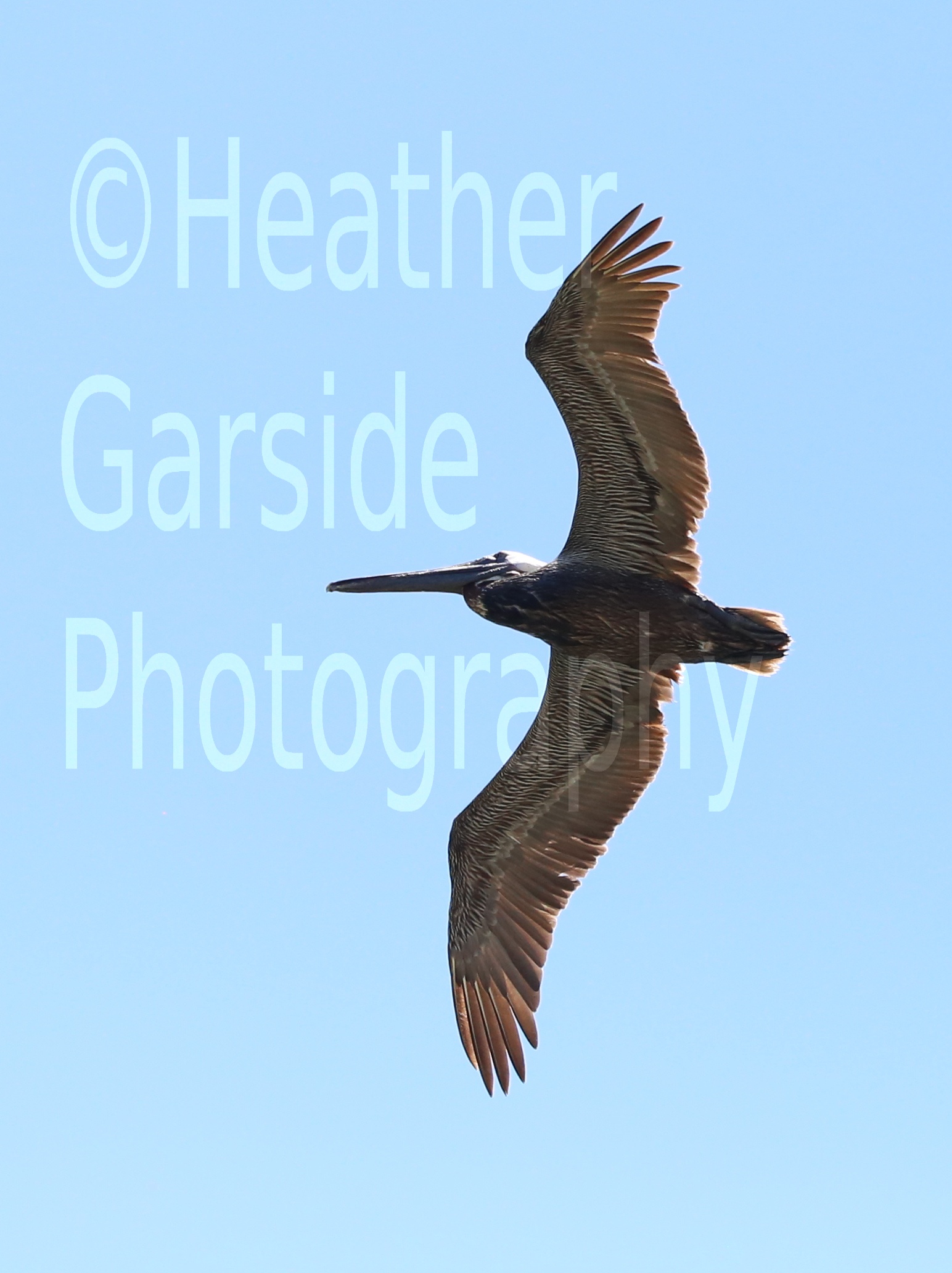
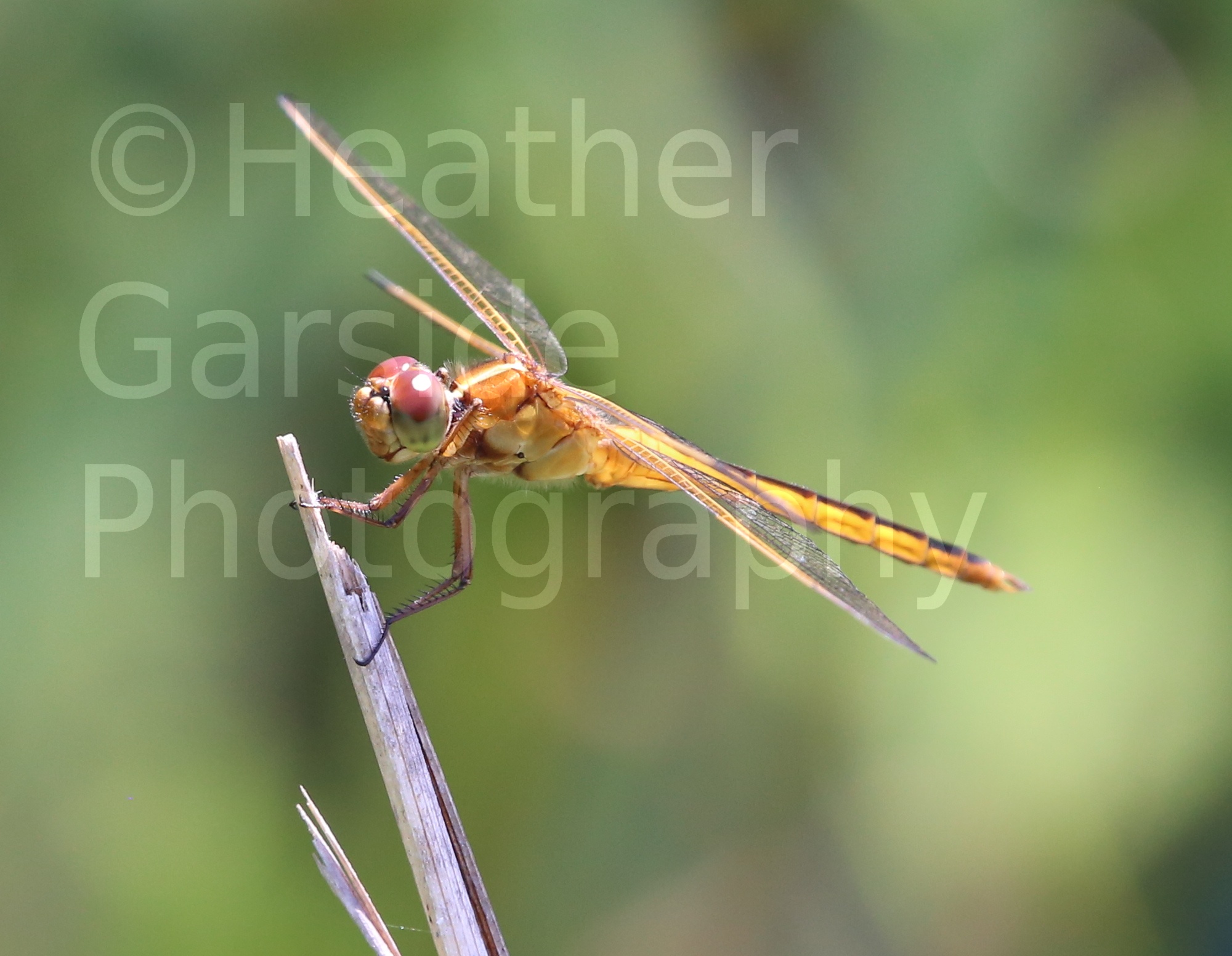
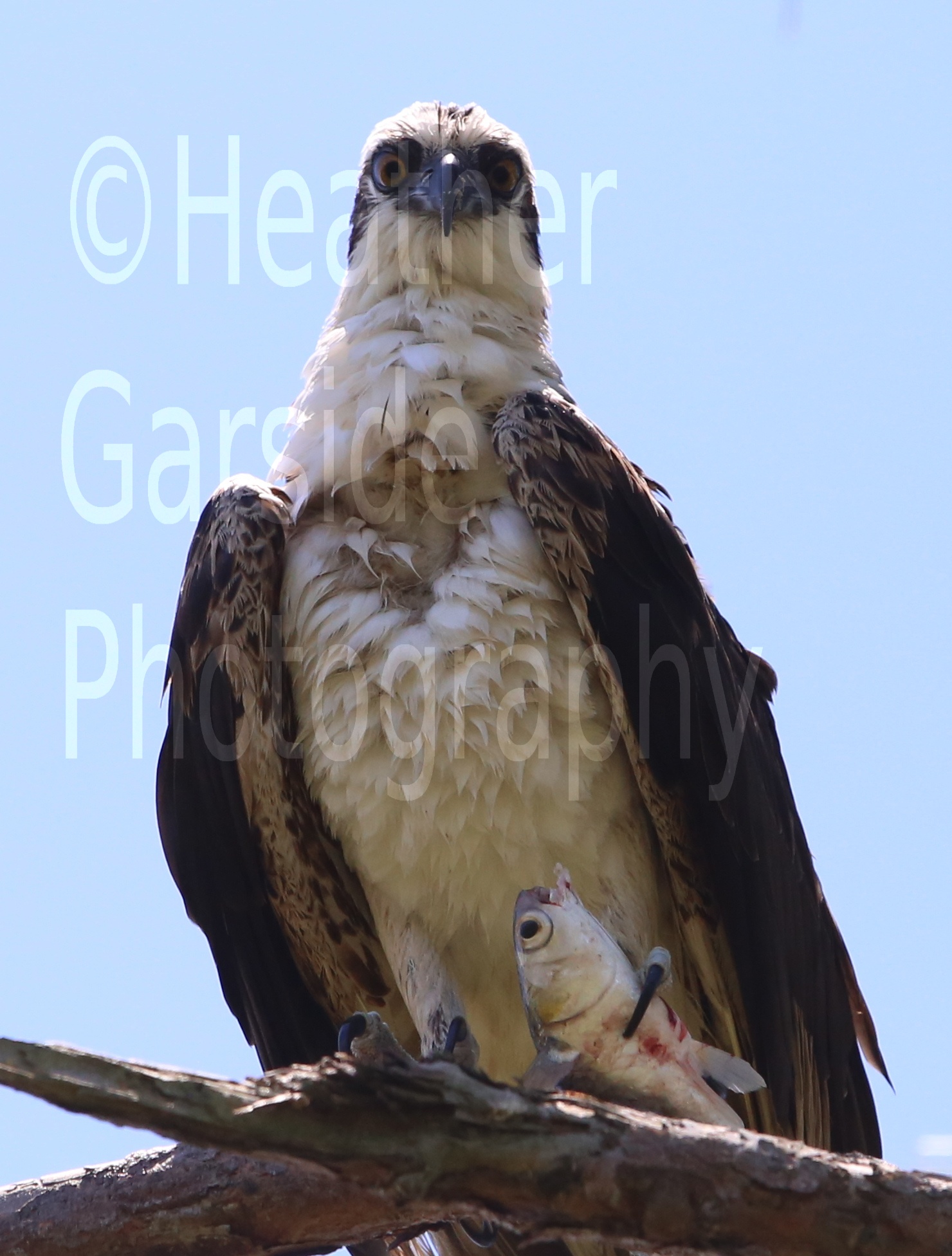
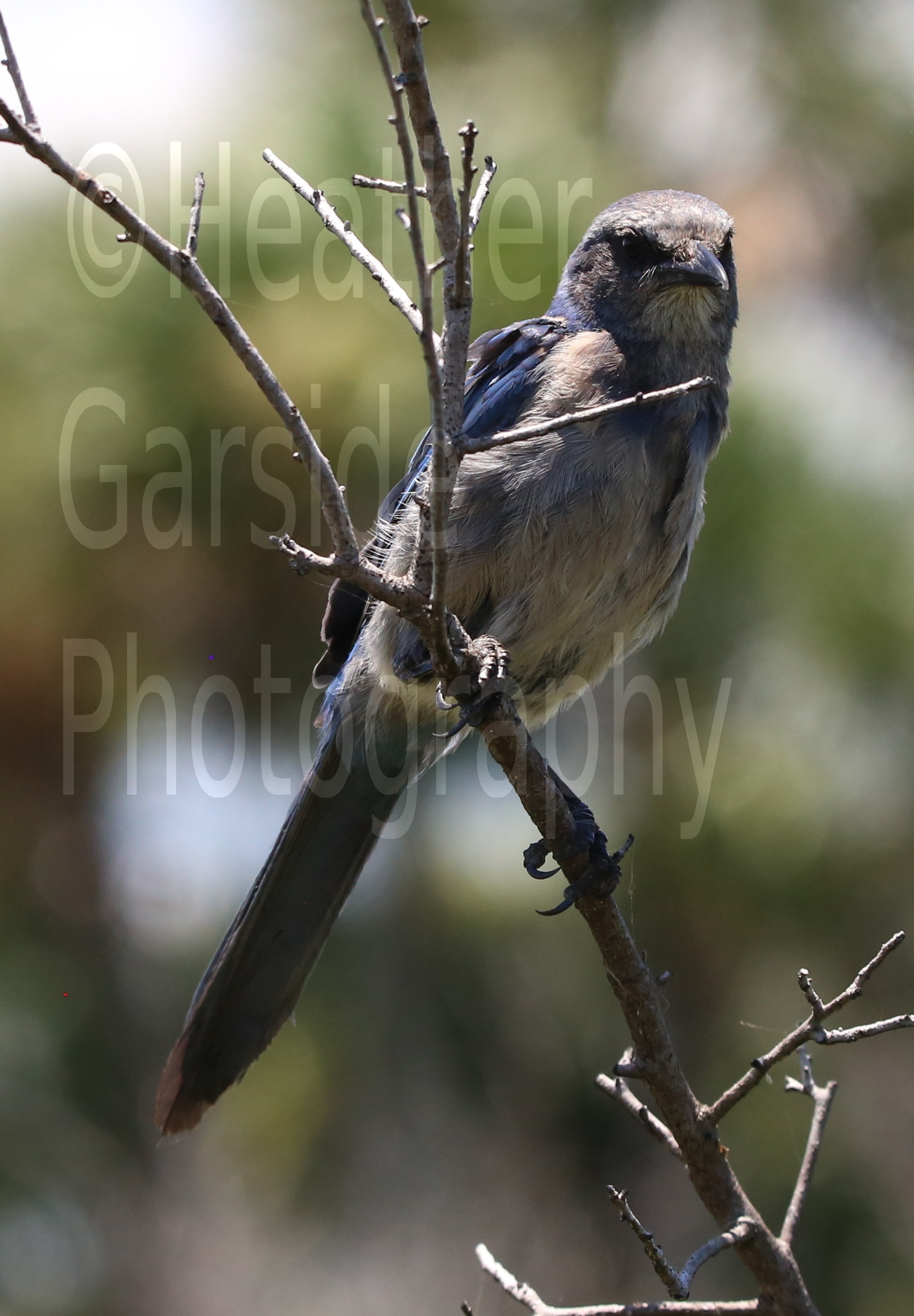
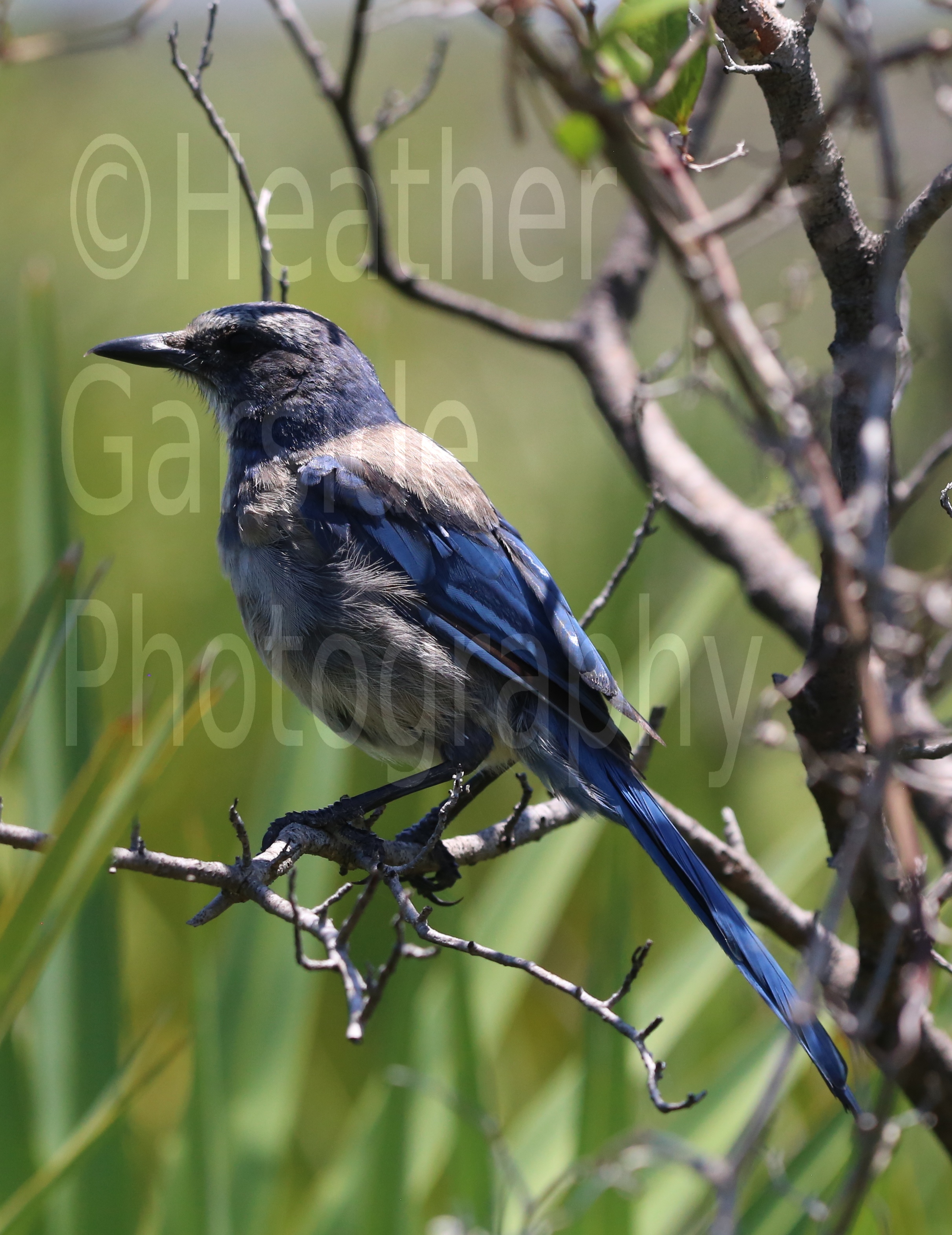
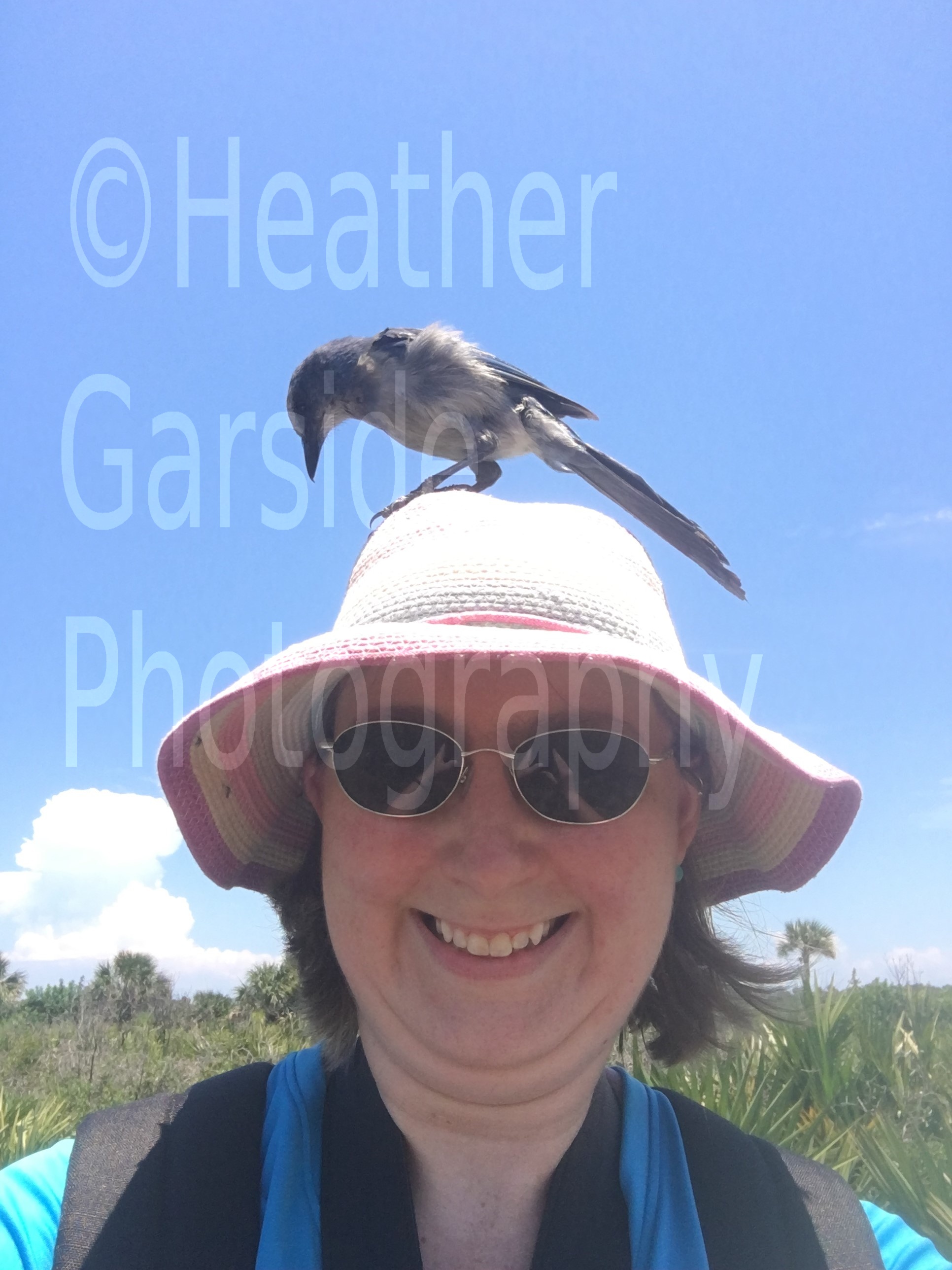
A Brown Pelican flew overhead and I got some more good photos of dragonflies resting on reeds. At one point, as I was walking under some taller trees I had the sensation that I was being watched. I looked around, but didn’t spot anyone on the trail. Slowly I look up into the tree to see an Osprey staring down at me, very intensely. I had apparently interrupted his lunch and he wanted me out of the way. I continued down the path a bit more and saw my first Scrub Jay, Florida’s finest. Friendly and fairly inquisitive, the Scrub Jay’s actions were very similar to its cousin the Blue Jay. It hoped from branch to branch, checking me out at every step. I got some lovely photos when I suddenly realized that the Jay looked like he was about to launch himself off of ihis perch, right at me. We were only a few feet from each other. I was very anxious until I remembered that the visitor center attendant had mentioned that the Scrub Jays were overly friendly because people fed them and not to be surprised if one decided to perch on my shoulder. As soon as that very thought passed through my mind he was in the air. I squeezed my eyes closed, expecting to feel a weight on my shoulder. But instead I felt a plop on my head. The Scrub Jay had decided my hat looked like a promising place to find some lunch. He sat on my head, systematically inspecting every inch,. He was so focused I was able to snap not one, but a whole series of selfies with my phone. He stayed on my head so long, that I wanted to get walking again. I didn’t want to shoo him off, so I started walking. He must not have liked the direction I was headed, because he hopped off onto a nearby branch and that was the end of our intimate relationship.
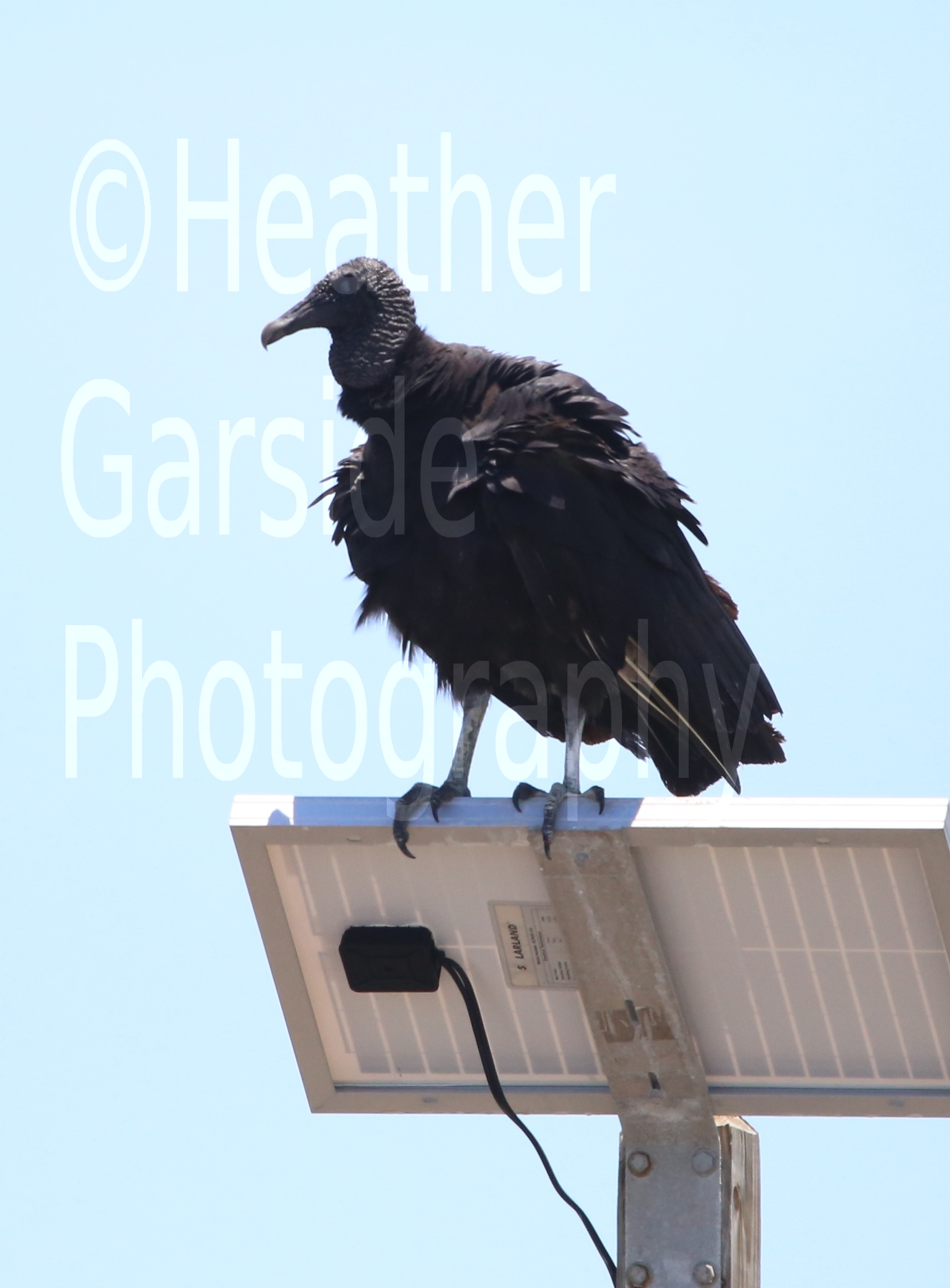
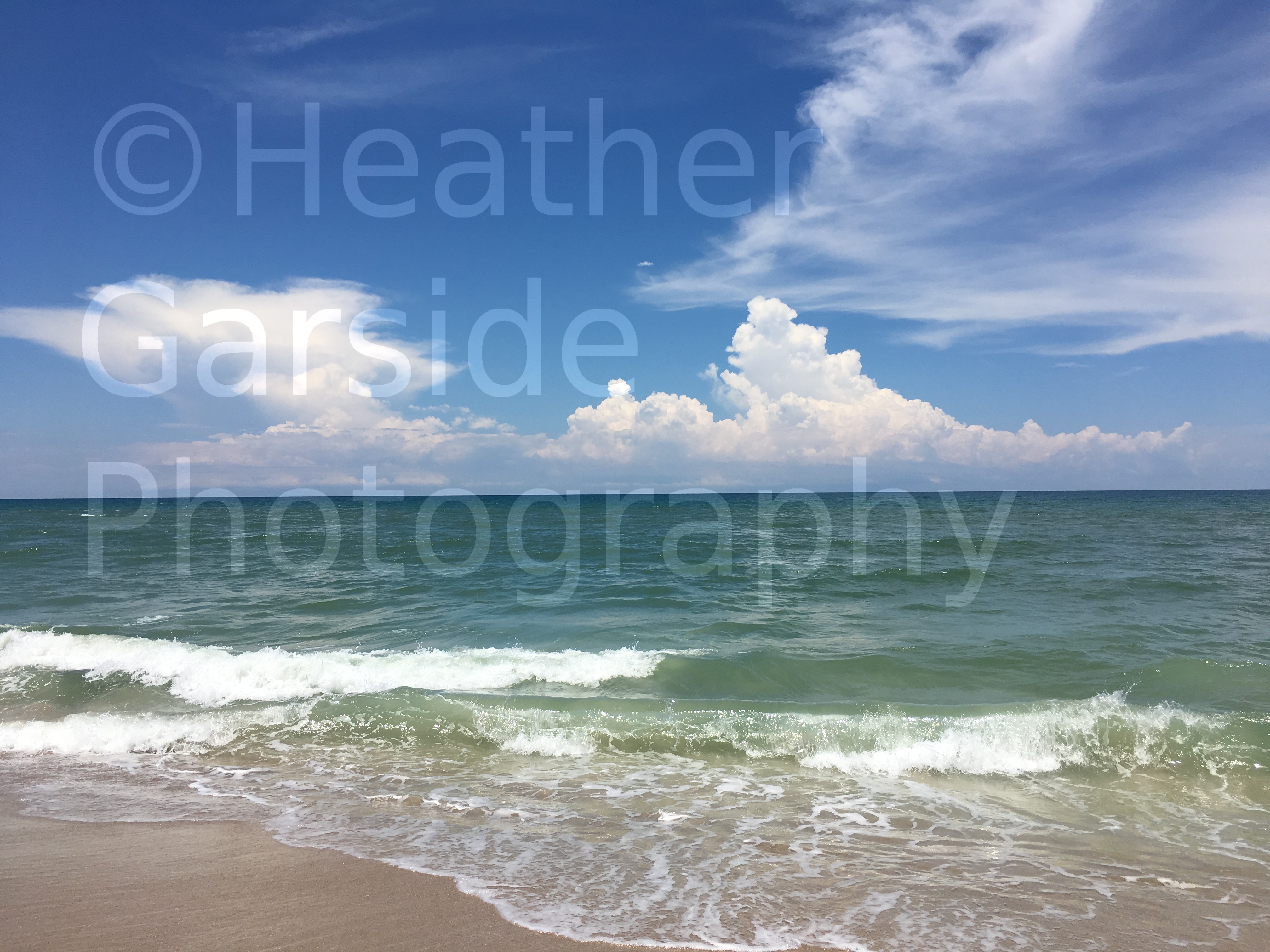
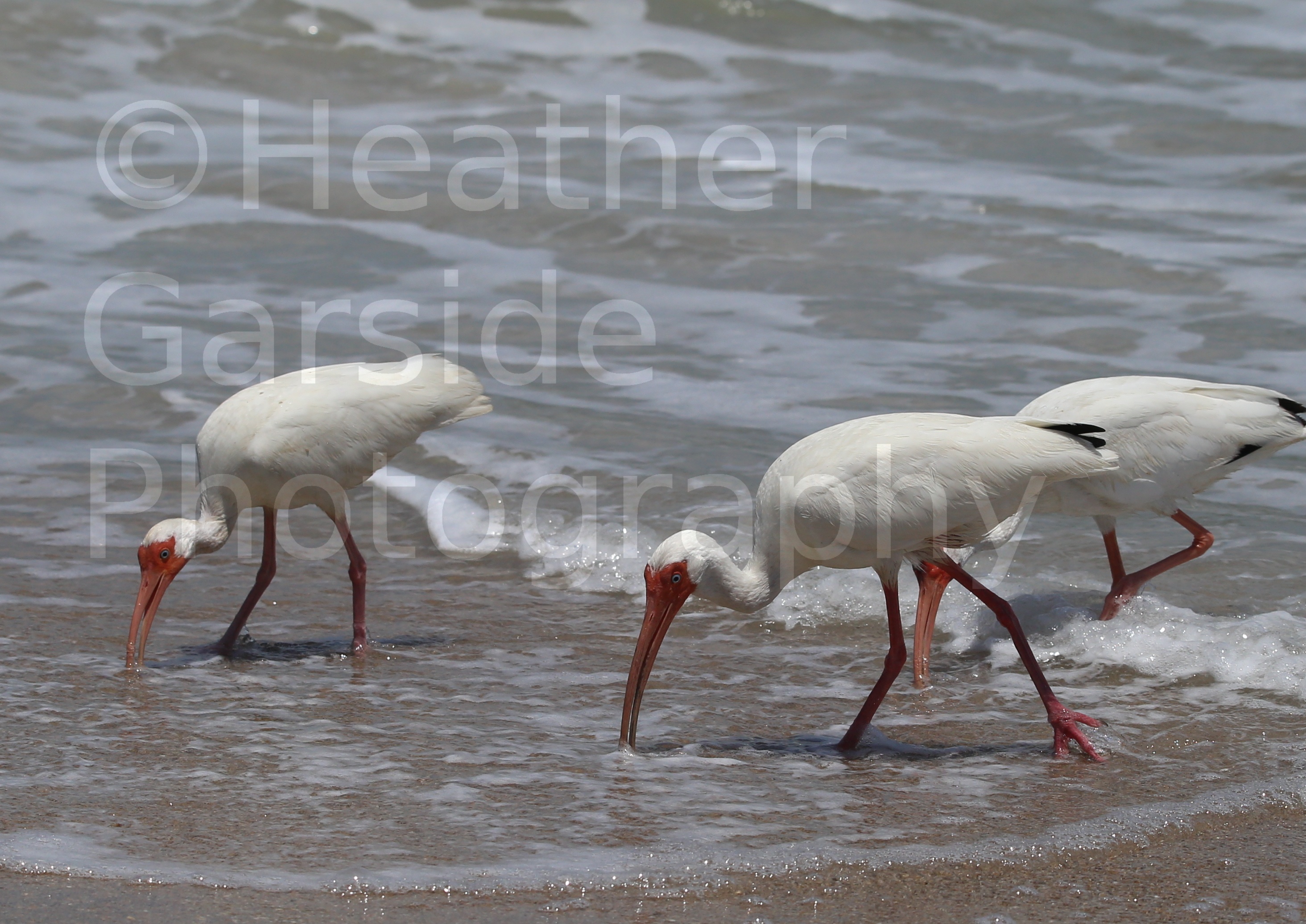
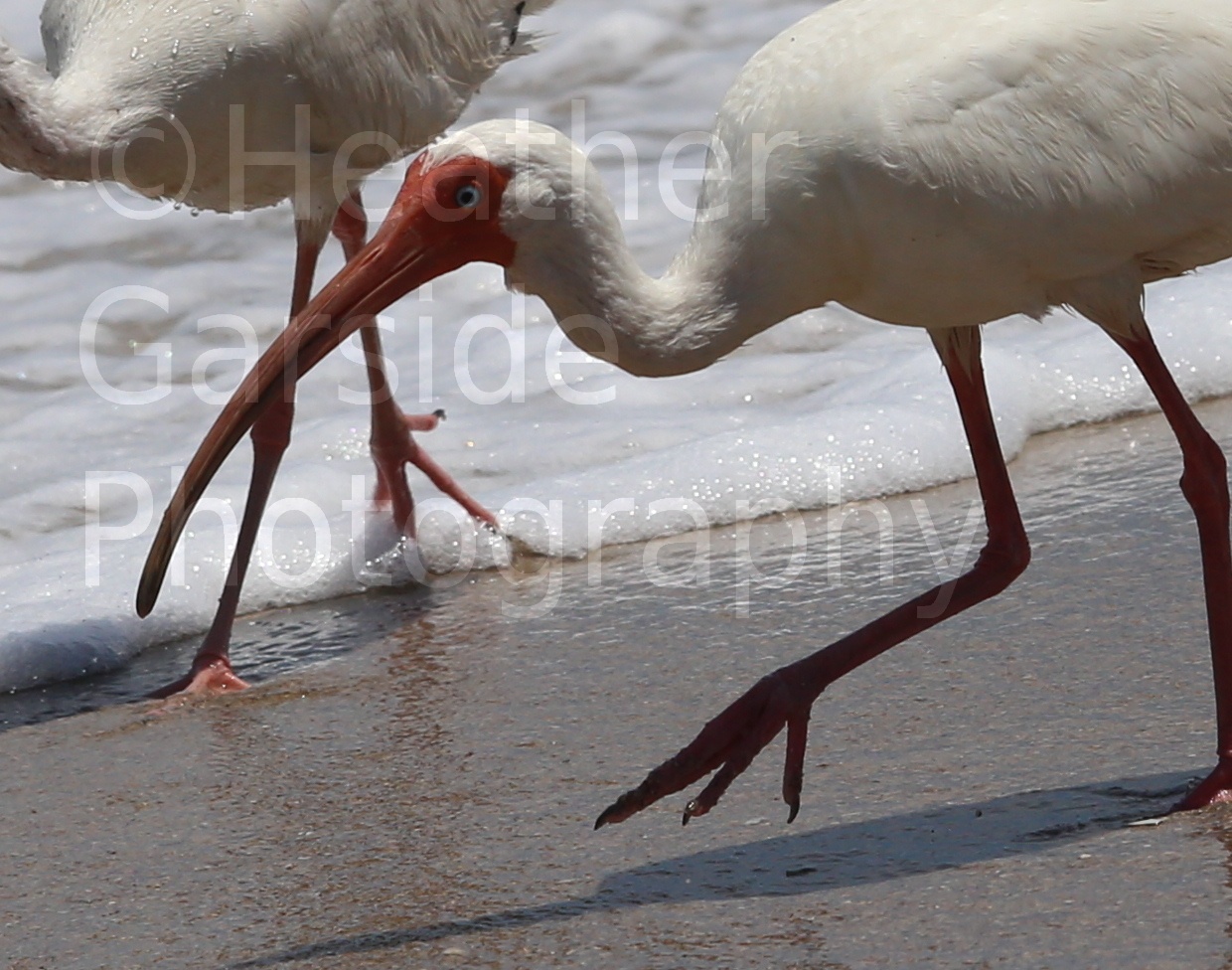
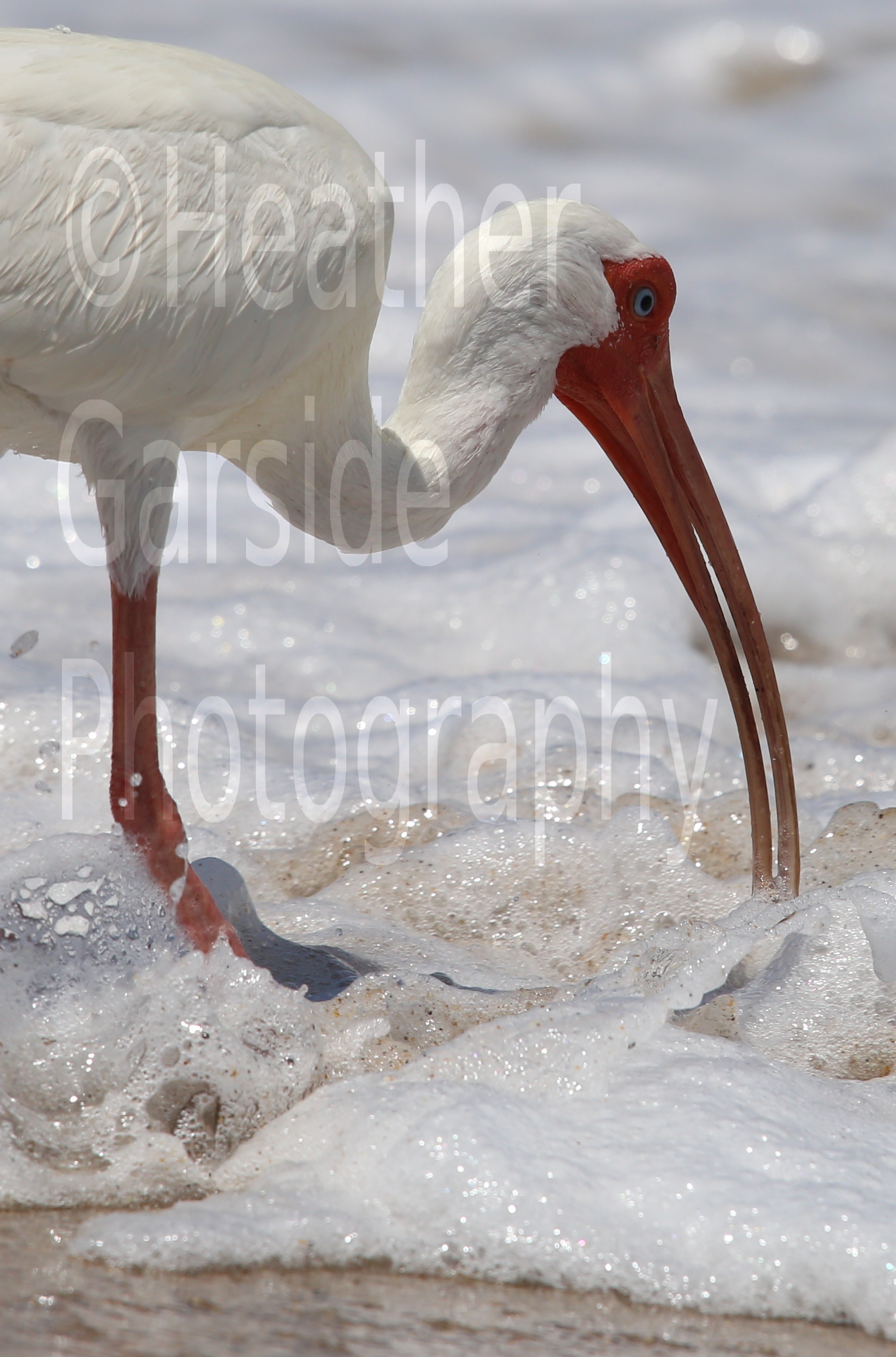
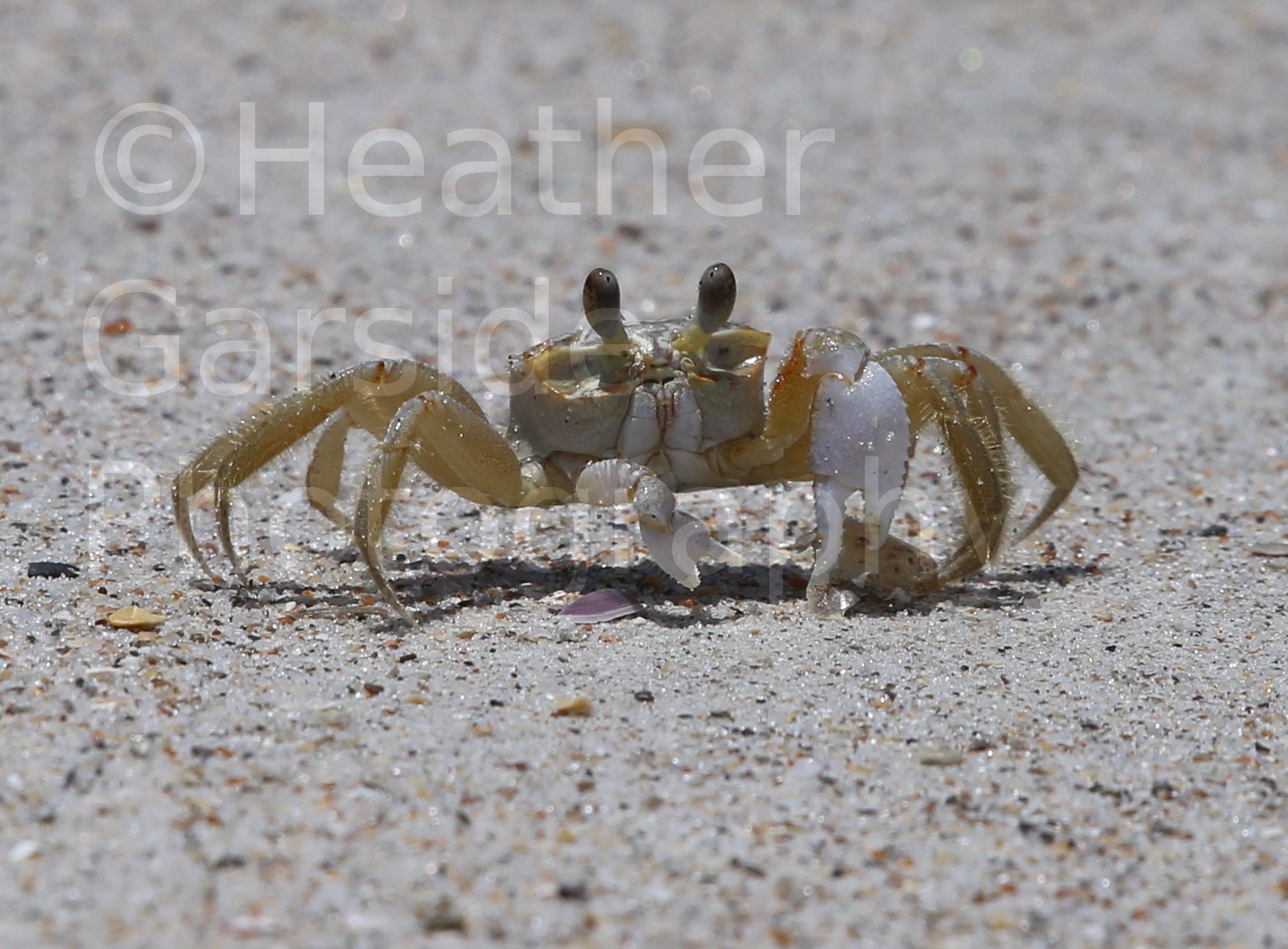
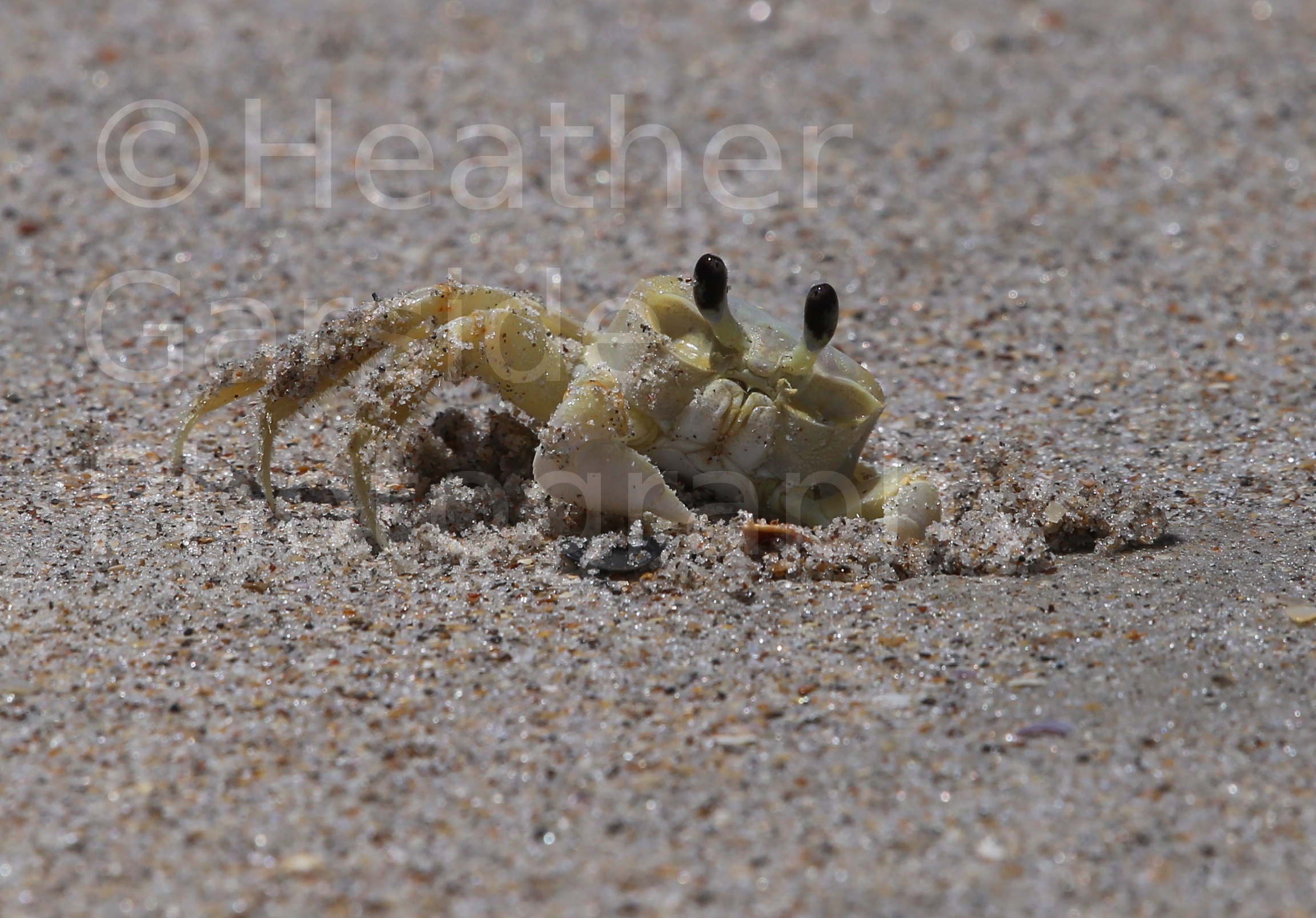
I had one final stop to make before I started driving back to Orlando to meet my husband for dinner. The beach at Cape Canaveral. As I pulled into one of the first parking lots, I noticed a Black Vulture sitting on the top of the bathroom hut. Very similar in appearance to the Turkey Vultures I am used to seeing in New Jersey, the Black Vulture has a black skin on its naked head. Leaving the Vulture behind, I headed for the stairs up to the beach. I took off my shoes and socks and launched myself onto the boiling hot sand. I hadn’t been thinking about how hot the sun had been, beating down on the sand most of the day, as it was now about 2pm. I ran with all hast toward the water. Once my feet felt some relief I looked around myself and got my barrings. A clear, beautiful day. The beach had more occupants than I had expected for a weekday. The blankets and umbrellas were pretty spread out and I was able to maneuver around everyone. And then I saw them. A huge group of White Ibis walking up the beach, hunting for invertebrates in the surf. They were totally focused on food and paid little attention to the humans, who in turn didn’t seem to interested in the birds. I couldn’t stop watching them. The light blue of their eyes was so stunning. So was the bring reddish-pink of their bills against their snowy white feathers. Once they passed, I wandered up the beach a bit. I noticed a lot of round holes along the beach, but I couldn’t figure out what was forming them. The birds were not that high up on the sand, so it wasn’t their bills. Then I noticed something scurrying across the sand and popping into a hole. Ghost crabs, were making the holes, which they would carefully inch out of to wander around the beach. At the first sign of danger they would run (sideways) across the sand and dive back down into their dark little hole.
If you cannot tell by the length of this post and the number of photos I have included, I had an amazing time at the Merritt Island National Wildlife Refuge. I have decided it is a little piece of heaven on earth and I hope I will have the opportunity to visit it again in my lifetime. The refuge was formed alongside NASA’s Kennedy Space Center in the early 1960s, with the National Seashore directly adjacent being established in 1975. A day pass to the refuge will also allow you on the Seashore for free. Both are well worth a visit if you are anywhere in the area. For more information, you can visit https://www.fws.gov/refuge/Merritt_Island/
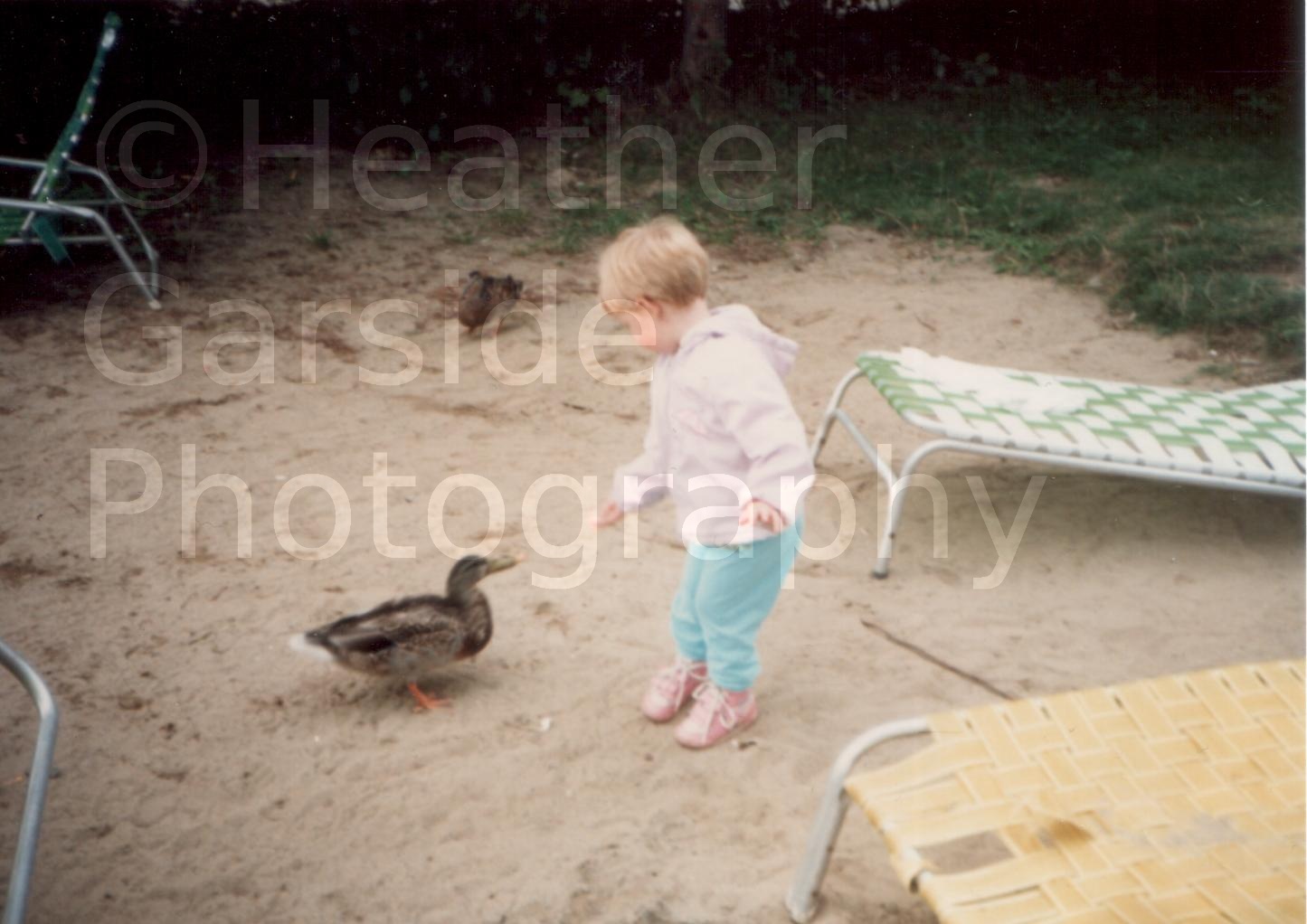
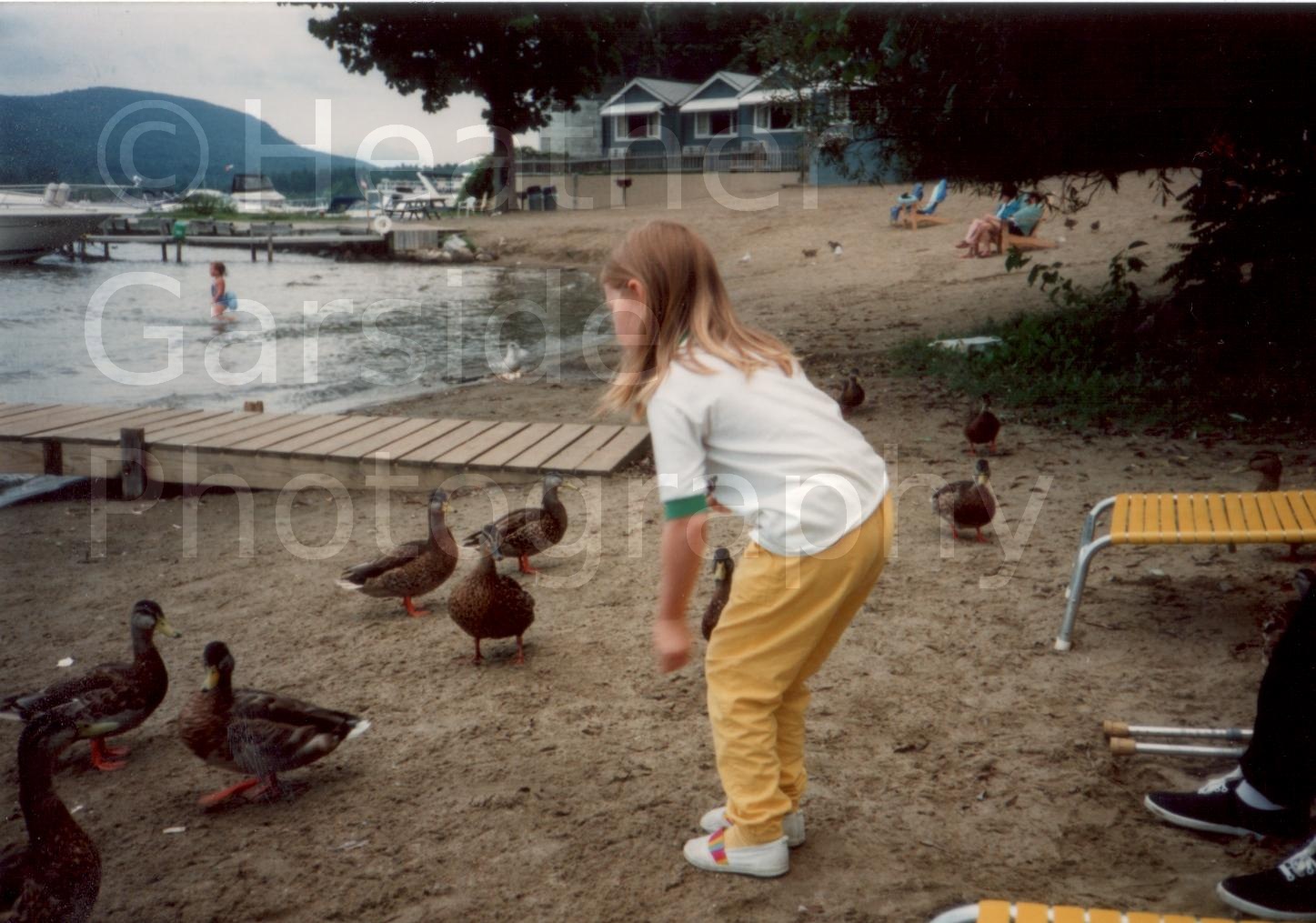
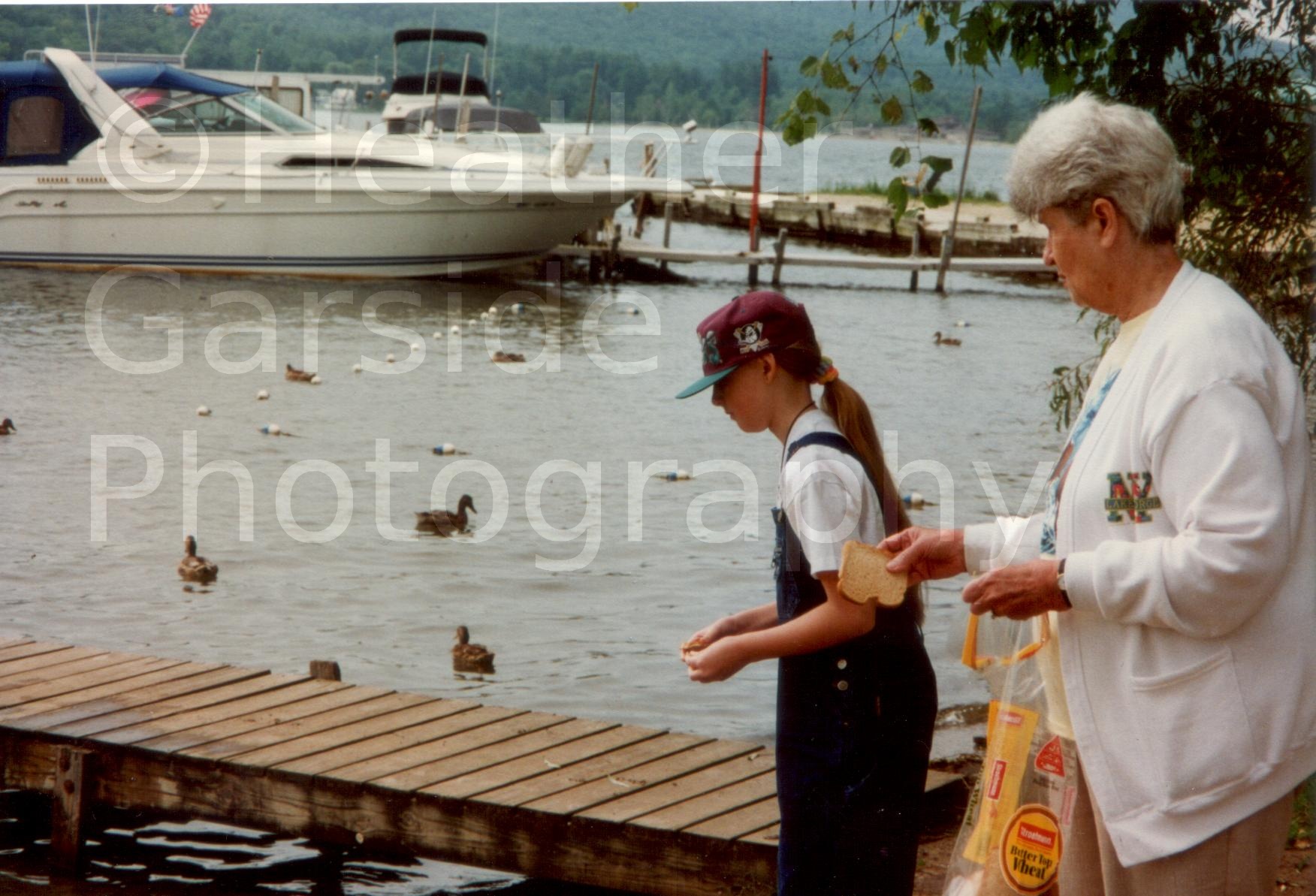
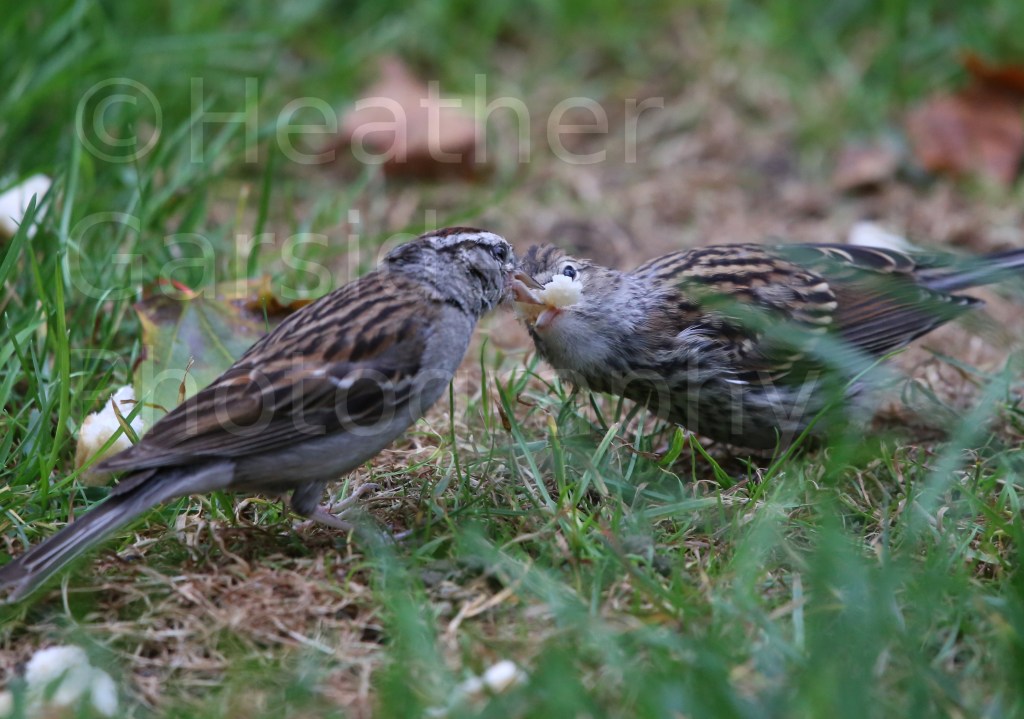
I would like to definitively settle an ongoing debate, at least for myself. Can we feed birds bread, or are we hurting them? To provide a bit of background, I grew up feeding the ducks stale bread. It was an annual vacation tradition with my grandmother. We went up to Lake George, settled into O’Sullivan’s Motel and headed down to the beach to feed the ducks. I am pretty sure that grandma rationed grandpa’s bread intake for a few weeks to amass the quantity of stale bread she deemed an adequate offering to our feathered friends. So I grew up feeding the ducks bread and I sentimentally view it as a fun pastime, one that I want to share with the little ones in my life.
As an adult I recognize that feeding the birds, particularly waterfowl, is a complex issue. If you feed birds in one location too often, they can develop a dependence on that food source instead of seeking their food. In public spaces, such as parks and beaches, there is a human health concern to attracting birds who then assemble in large numbers, fowling the area. Excess bread can also mold and negatively effect the water in which the birds live. This is especially the case in ponds and small bodies of still water. The birds can also, especially Canada Geese and Swans, be unfriendly and have been known to attack small children when they have felt threatened. In this post I don’t want to focus on any of these components of the larger discussion. I simply want to discern if I am physically hurting a bird by feeding it bread.
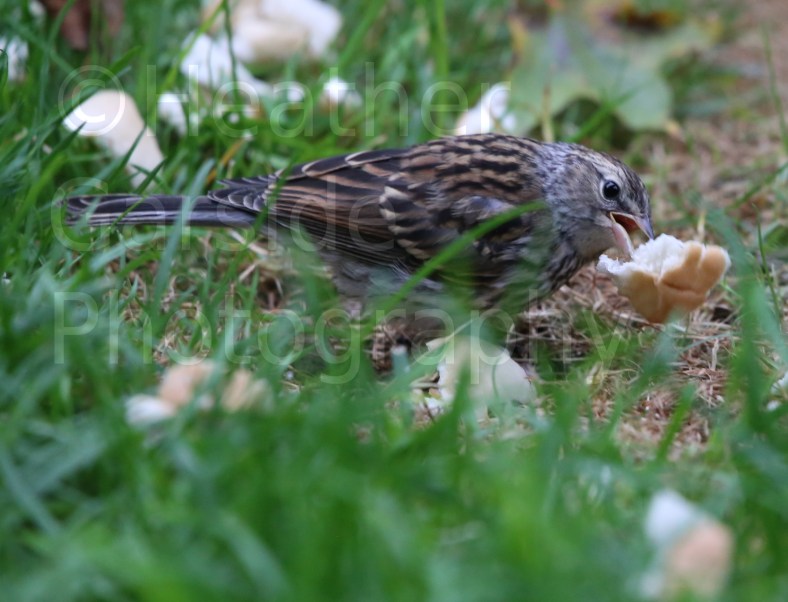
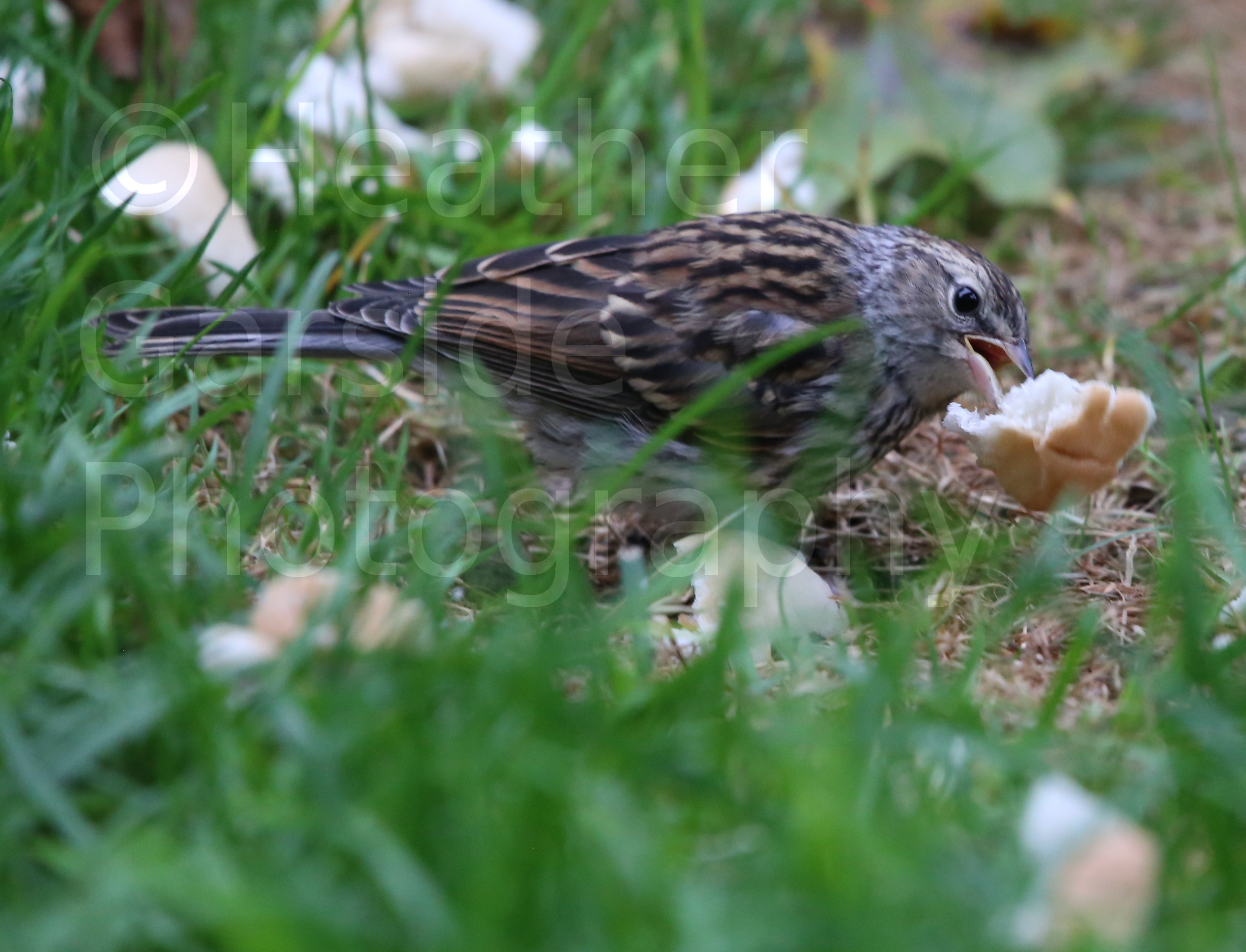
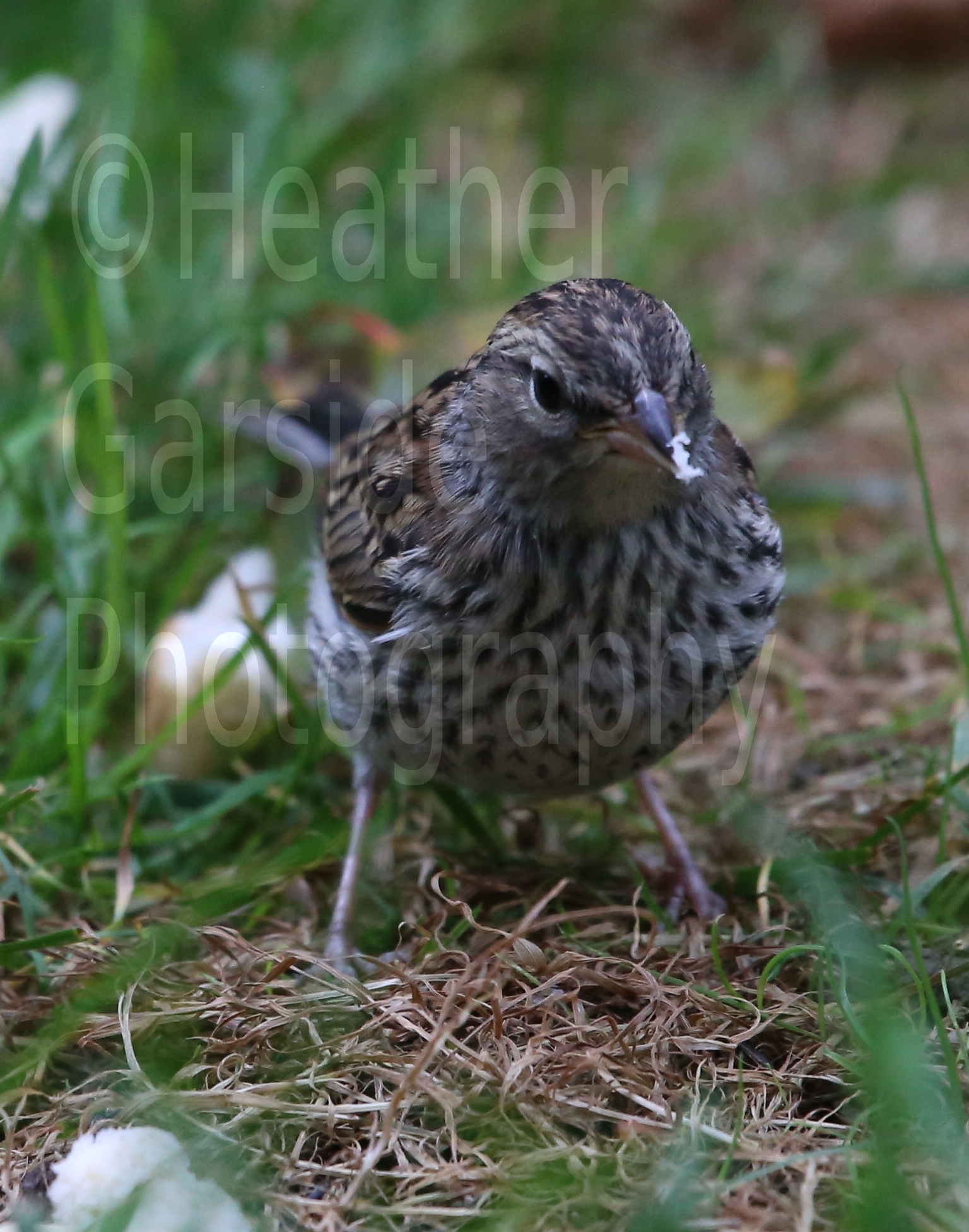
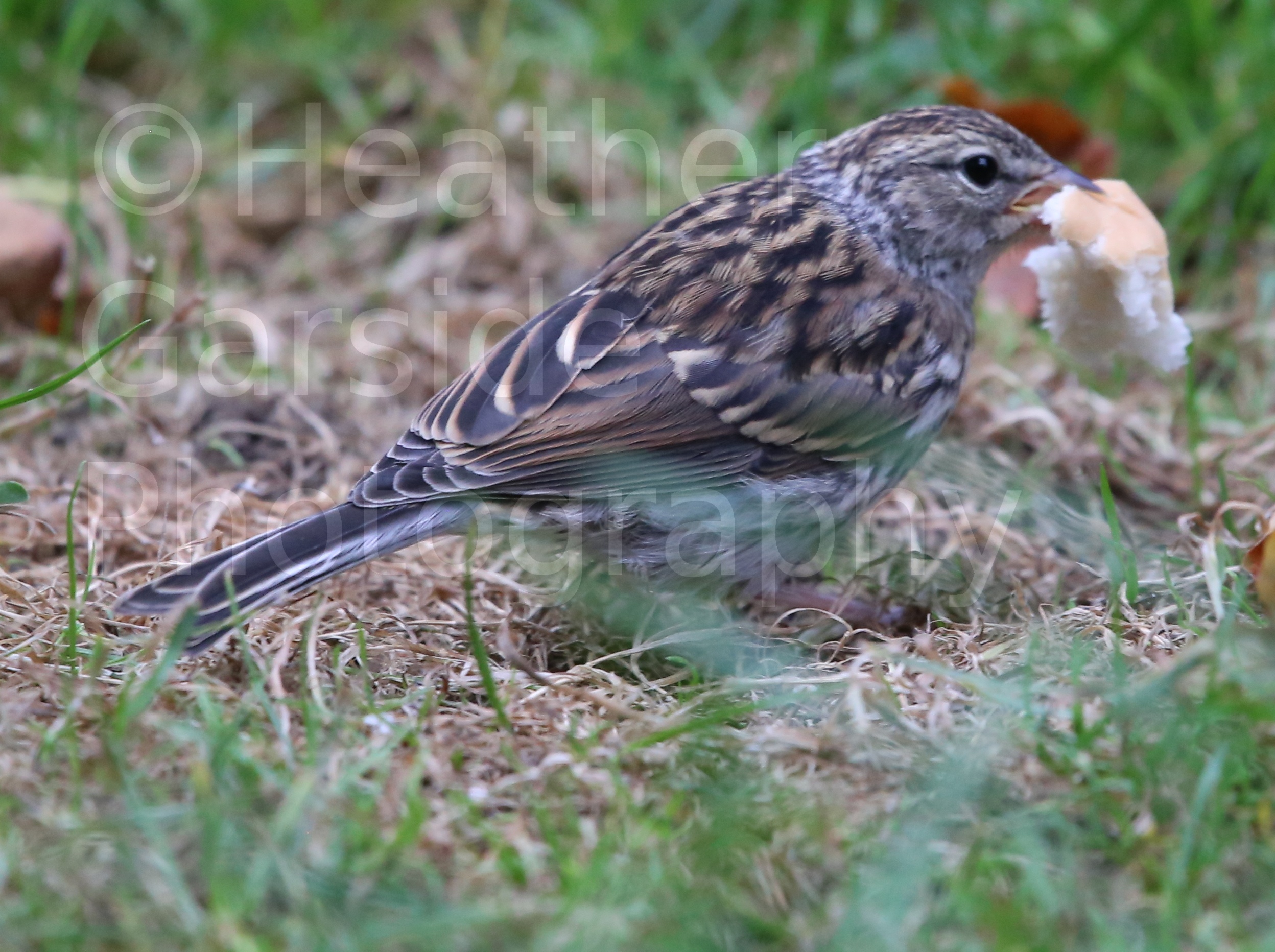
According the Royal Society for the Protection of Birds, bread will not harm birds if ingested. They can fully digest bread of all types. But there is a but. While they will eat it, bread does not provide the protein or fat the birds really need. It is an empty filler. Carbs, even birds should avoid them! It is okay to leave out bread, but try not to offer it too often or exclusively, as it can cause vitamin deficiency if it becomes a staple of the bird’s diet. If you are leaving out bread, you should break it into smaller pieces, especially in the spring. Hard stale bread should be soaked so it is easier to digest. Multigrain bread is better for birds than overly processed white bread. You can also add protein by spreading jelly, marmalade or nut butter on the bread. The spreads can even be topped with seeds, dried fruit or insects, making the bread a platform, rather than the main food source.
Furthermore, there is a variety of household food waste that can be left out for birds rather than thrown away: the cut fat from unsalted meat, mild cheeses (grated), dried or bruised fruit, baked or mashed potatoes and pastry (cooked or uncooked). Seeds from pumpkins or squash can also be left out for the birds. If you are feeding waterfowl, greens, such as lettuce would also be a good choice, just be sure it is chopped into a manageable size. Non-salted food is the key here as any human salt will be harmful to the birds.
Up on Lake Ontario this past August the whole campground was buzzing with the news. There was a Bald Eagle in the area! Several of the fishermen had spotted it, or claimed they had spotted it (you never can be too sure when it come to fishermen and their fish stories). My parents had even claimed to see it flying by on a number of occasions. They had spotted it from the porch. The first conversation actually went something like this:
“What’s new?”
“Your father and I saw a Bald Eagle today!”
“That is cool, where?”
“On the porch.”
“There was a Bald Eagle sitting on the porch!”
“No! It was over the lake, why would it want to sit on our porch?”
As the saying goes, ask a silly question. But regardless of exactly where my mother was positioned when she spotted it, she had seen a Bald Eagle and as a non-fishing individual her word could be trusted to the fullest.
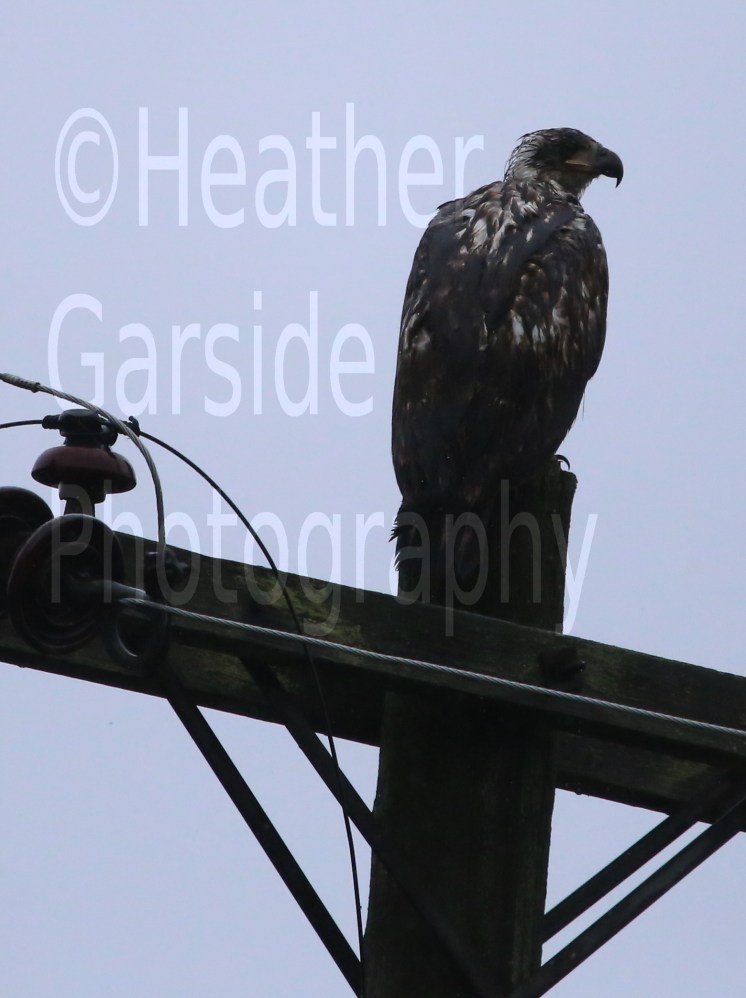
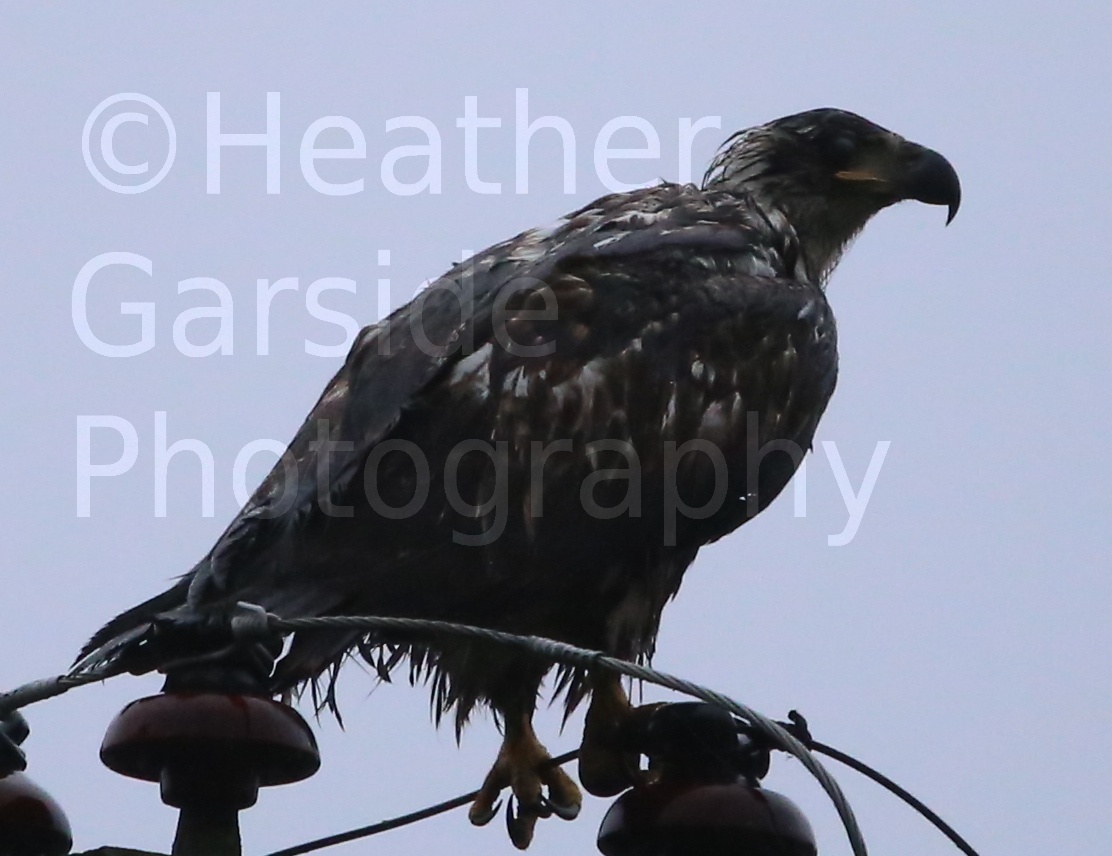
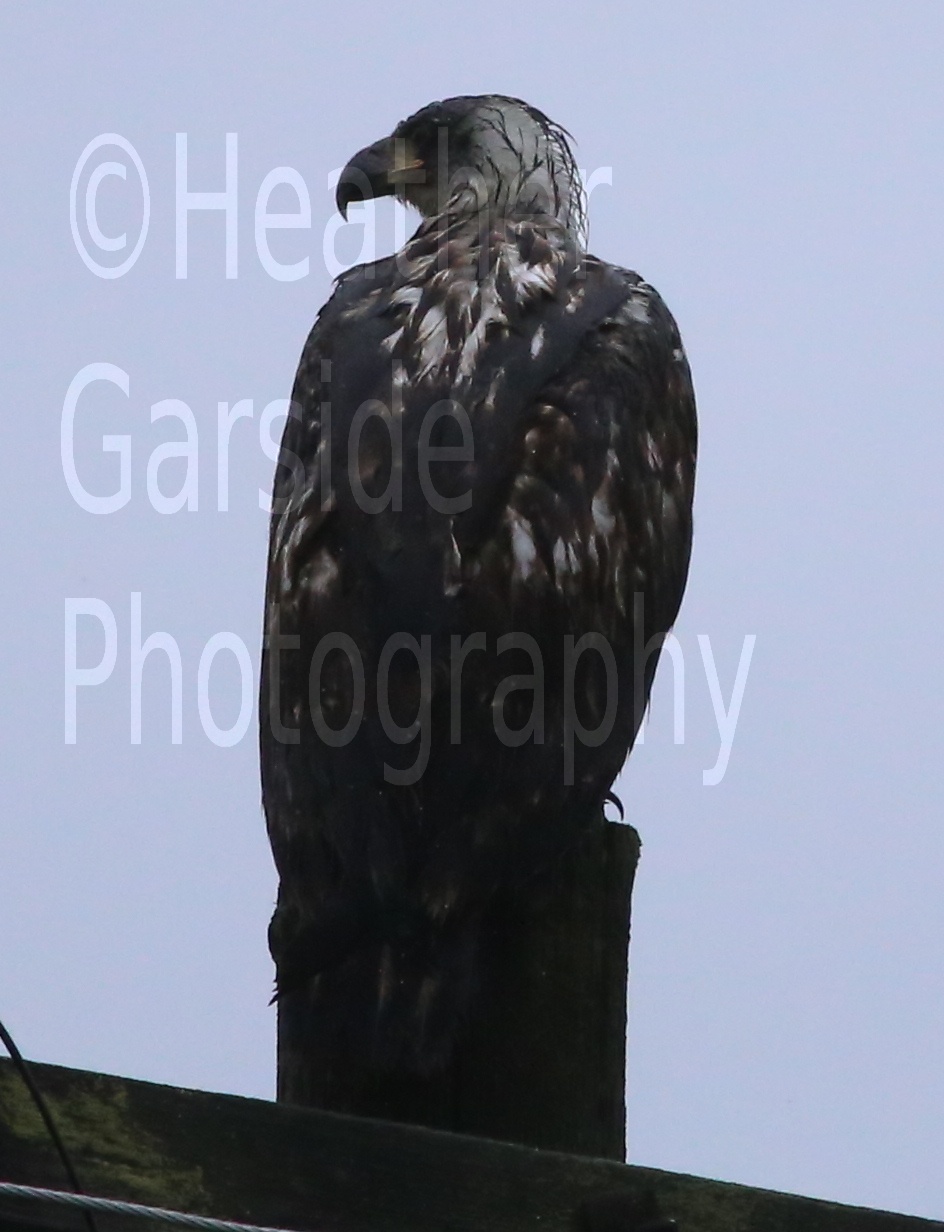
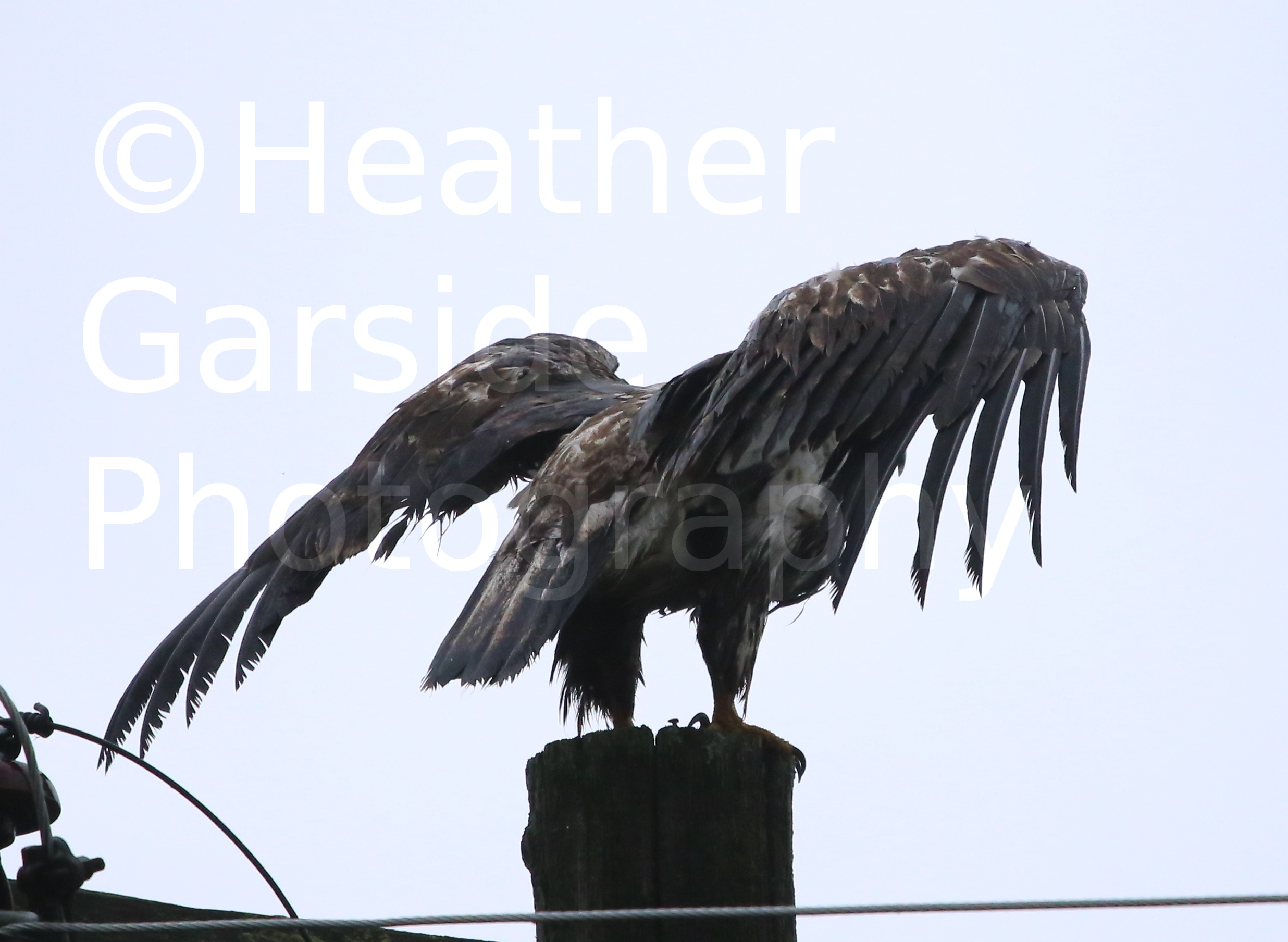
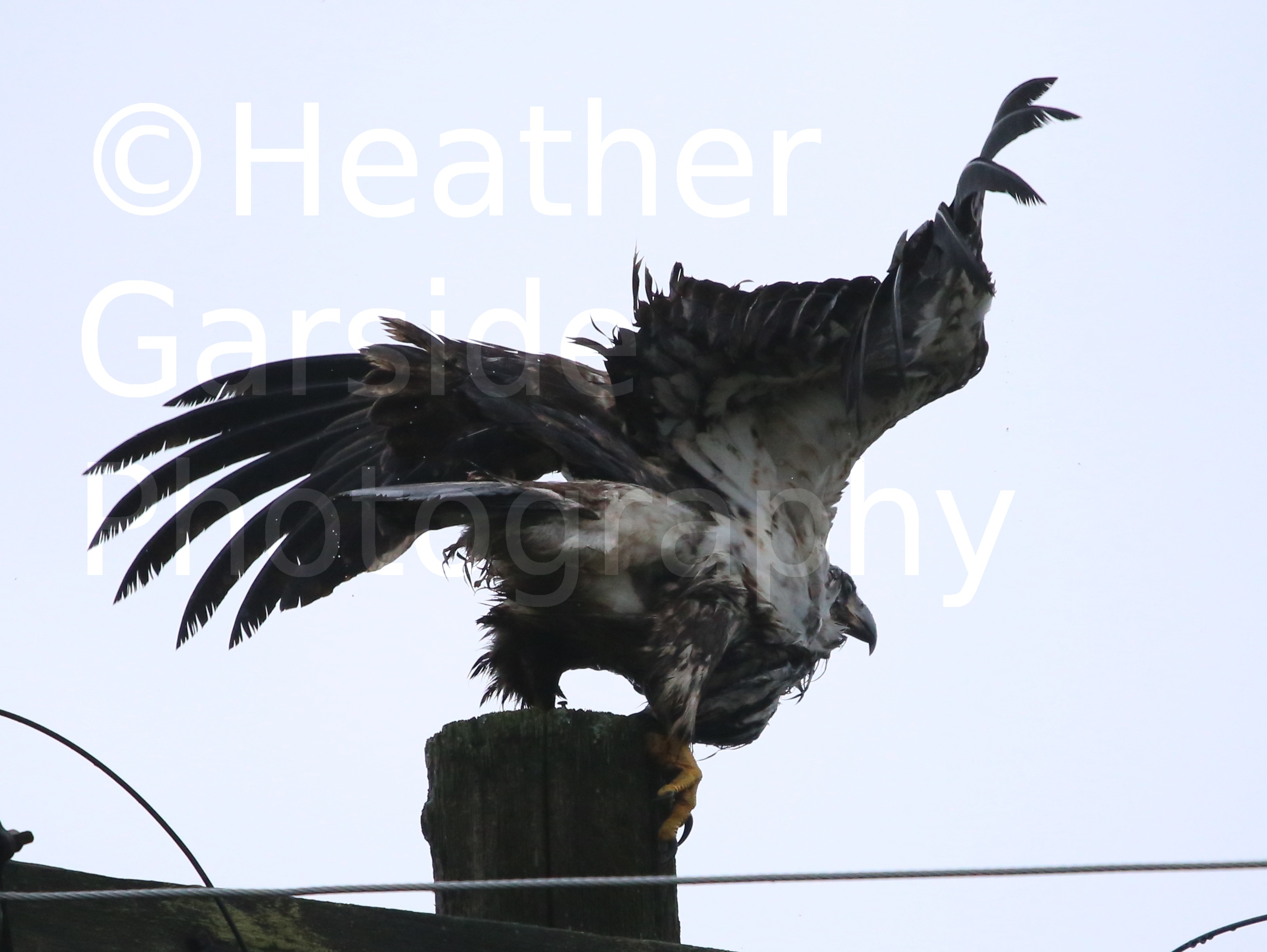
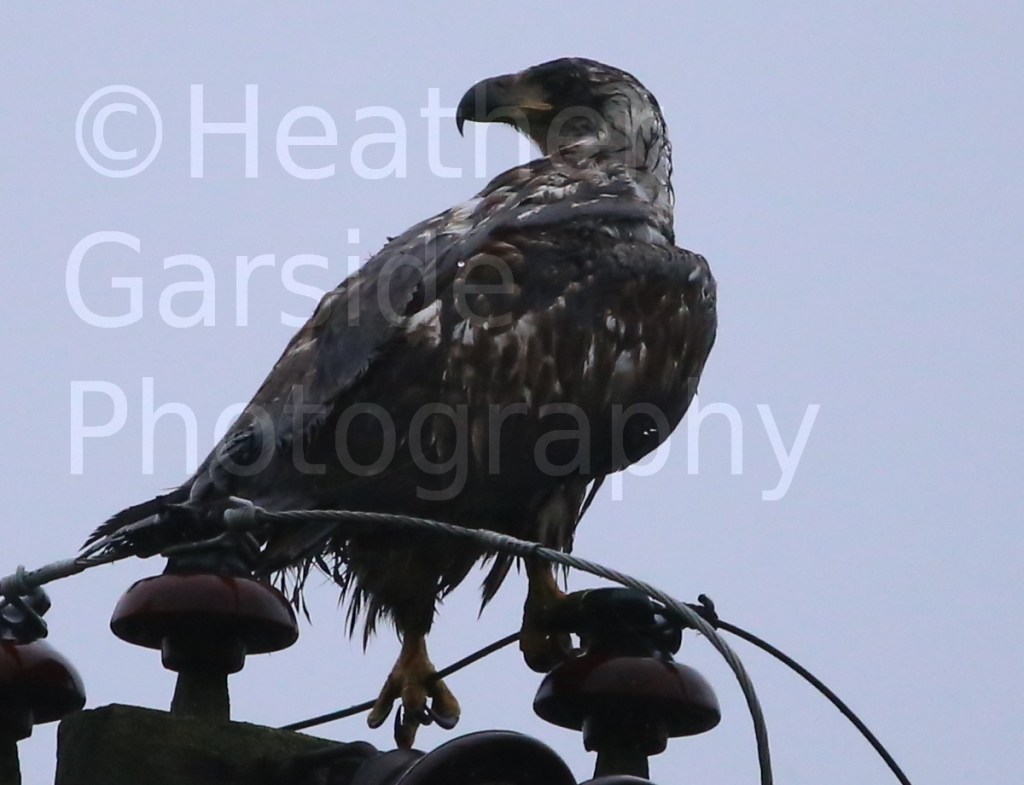
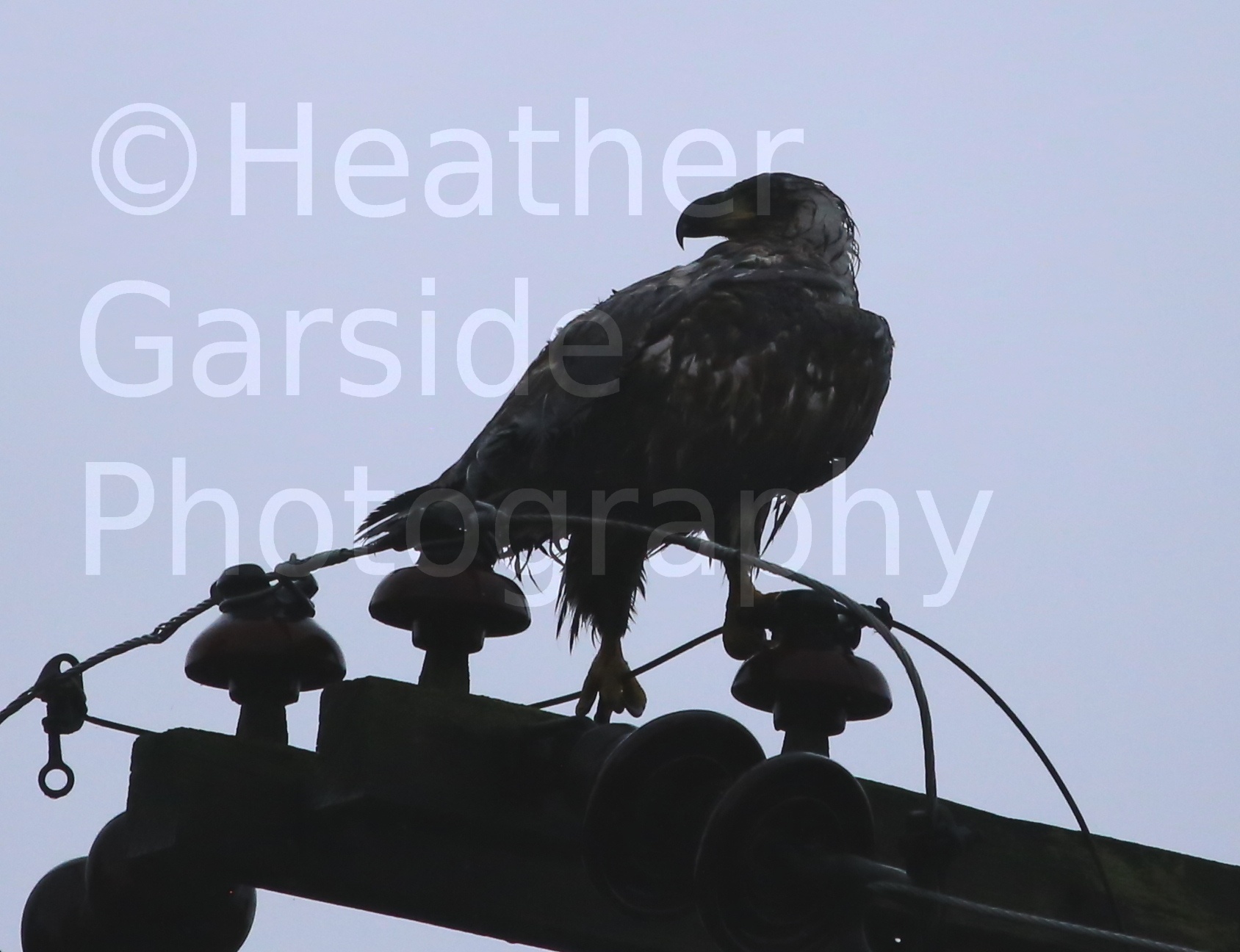
Labor Day weekend came around and I had my camera at the ready, but Bald Eagle could not be seen. Sunday was actually a pretty miserable day, rain coming down in buckets most of the day, making visibility difficult, let alone flying. Not many birds of any kind had ventured out. Sometime after lunch, sitting on the edge of the porch with my feet up and starting to be lulled to sleep by the steady sound of rain on the roof, I noticed a large fluttering movement. Seemingly out of nowhere, an enormous bird settled down on the top of the telephone pole crossbar.
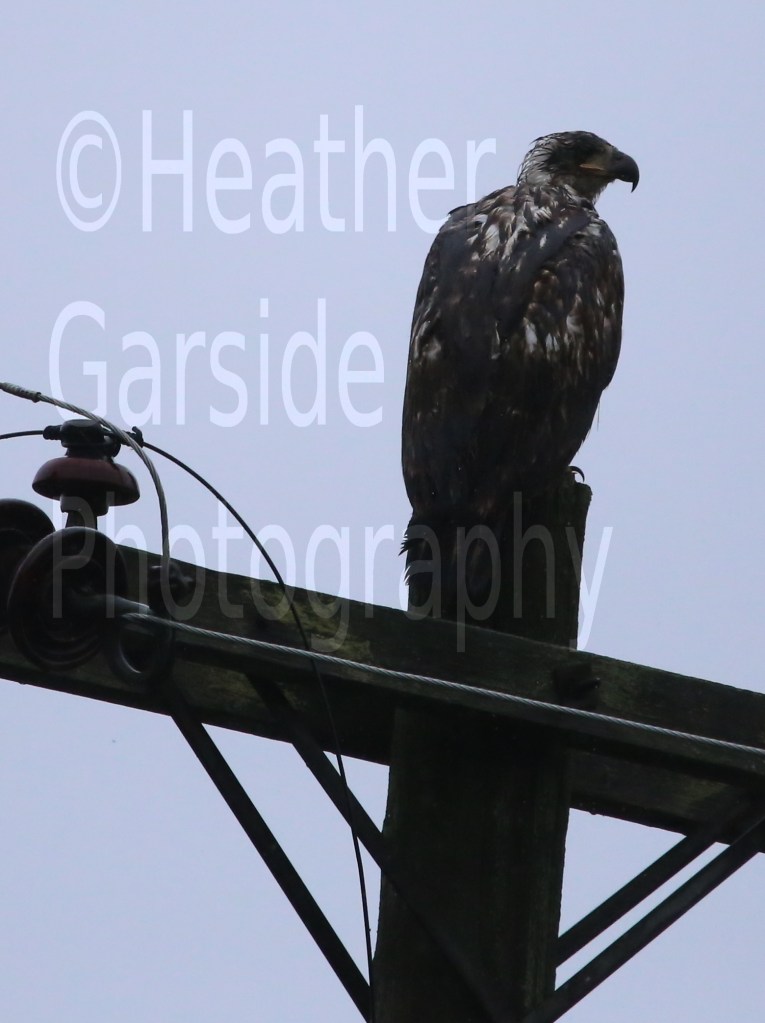
Quick confirmation with the long lens indicated it was one very wet and miserable looking Bald Eagle. It must have been pretty tired to decide to rest on that spot, totally exposed to the elements which were still on full blast. It moved around and adjusted, but the Eagle must have perched on that pole for about twenty minutes before it finally spread its wings and launched back into flight.
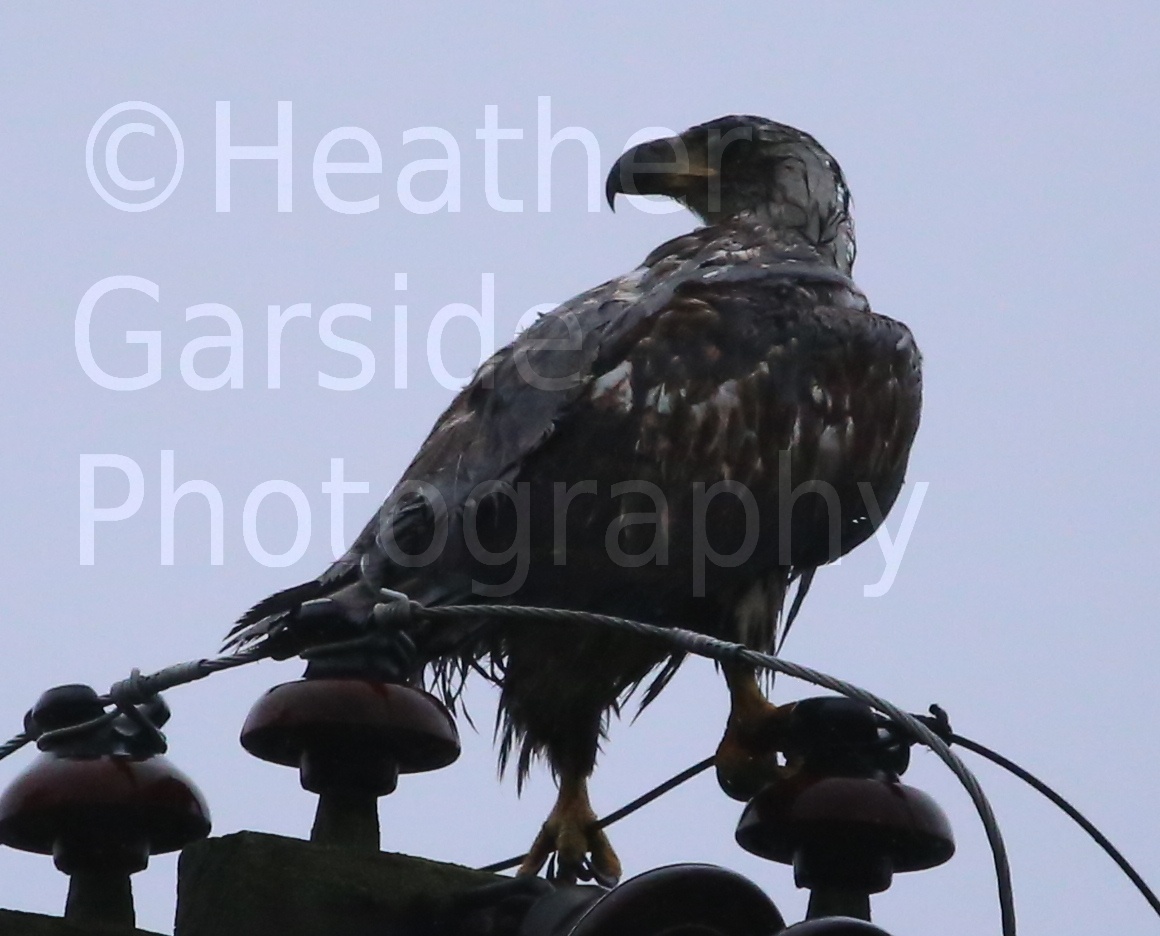
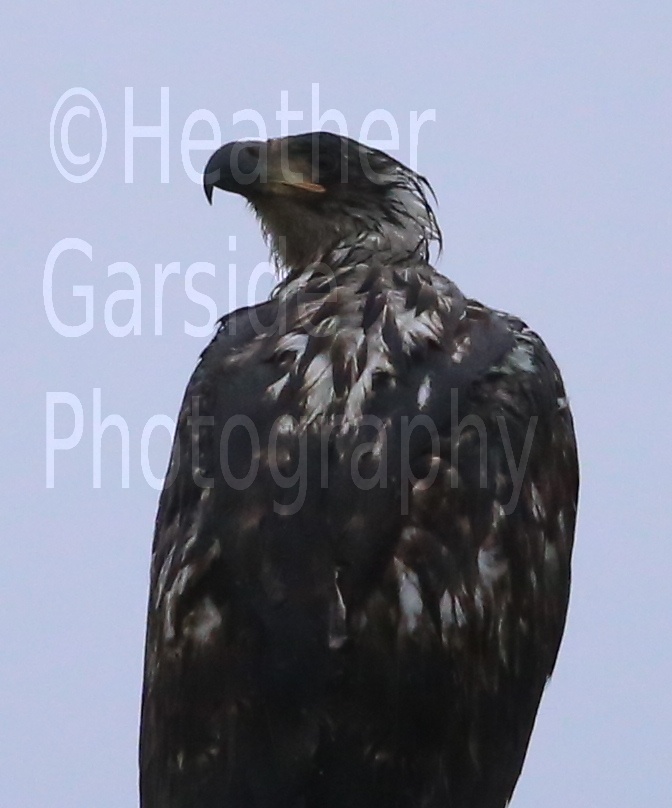
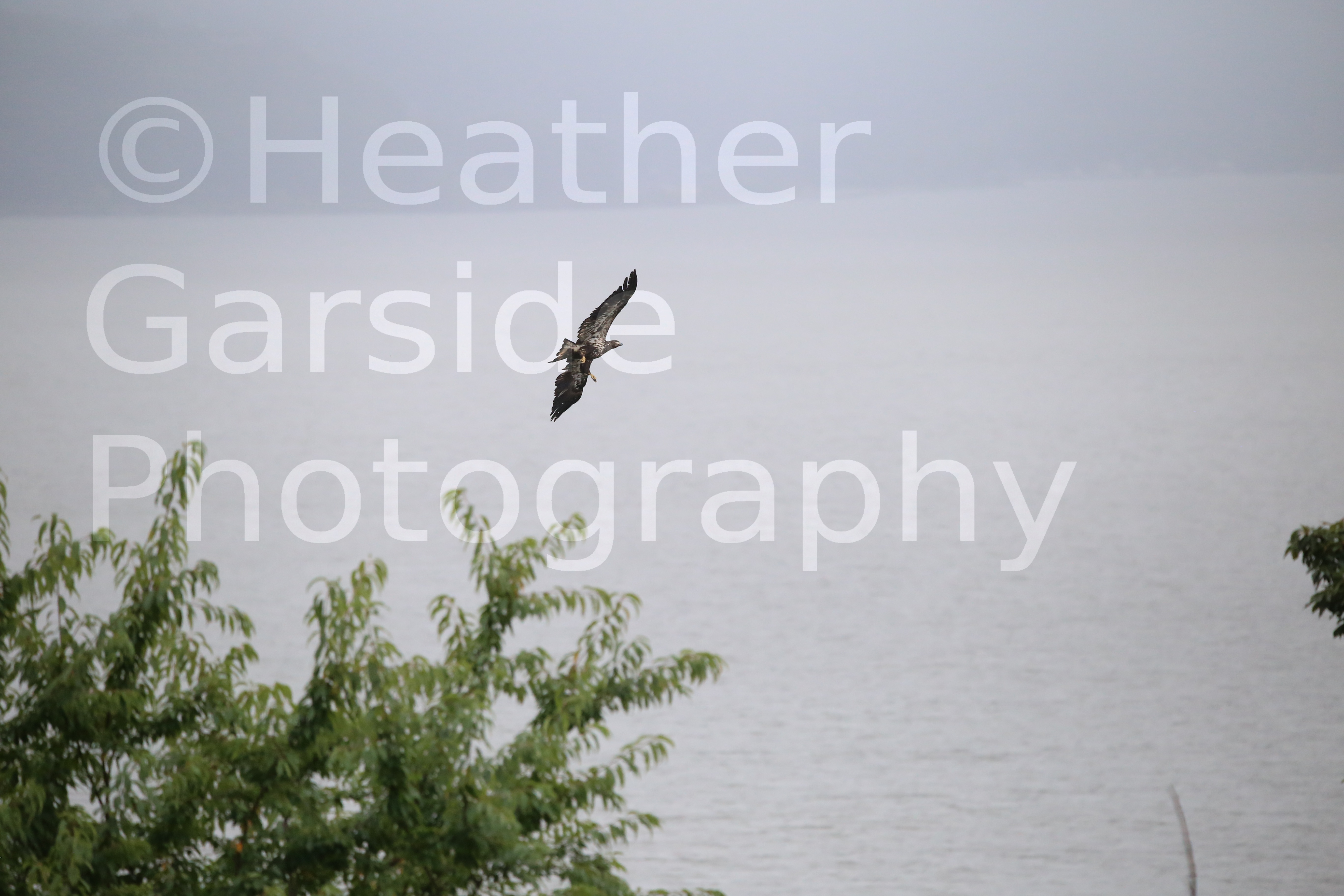
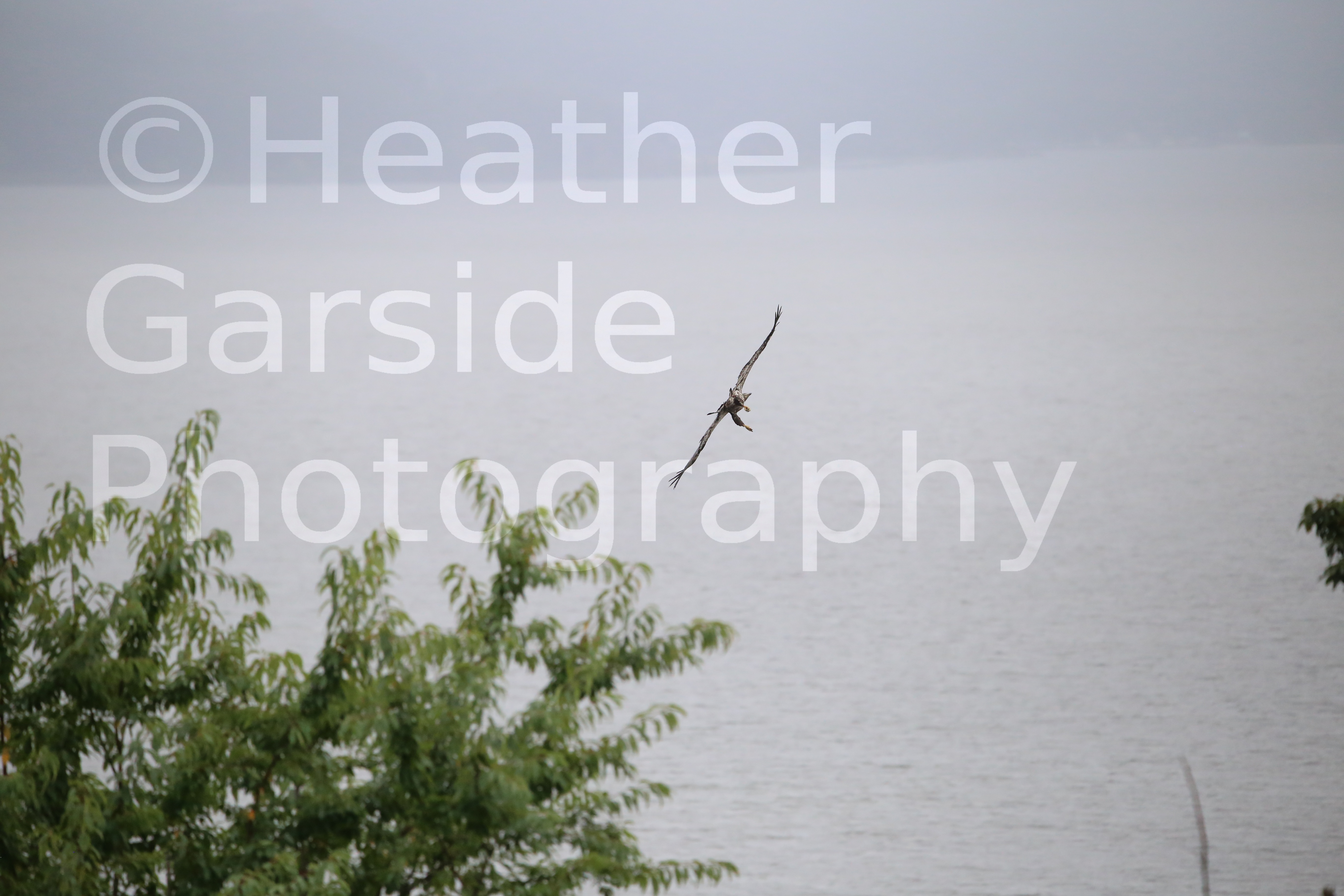
When I got home and examined the photos on my computer, two things became apparent. 1. This Eagle was really very wet. Poor thing. You almost looked like you could have wrung out its feathers. 2. Its coloring is a bit off. The head was white with some brown splotches. The beak was yellowish where it met the Eagle’s face. The underbelly of the bird also had a lot of white feathers showing. So what was wrong with the Bald Eagle?
The answer is nothing. Bald Eagles take several molts, effectively several years, before they acquire their adult appearance that we recognize so clearly. After they develop from the juvenile stage, Bald Eagles have a “subadult” phase. In both the juvenile and subadult stages Bald Eagles can be mistaken for their brown cousins, Golden Eagles.
As you can see from the pictures of my very damp friend, I think it was only a molt or maybe two away from the full adult plumage, with only some spotting of white on its wings and only white feathers starting to become apparent on its head.
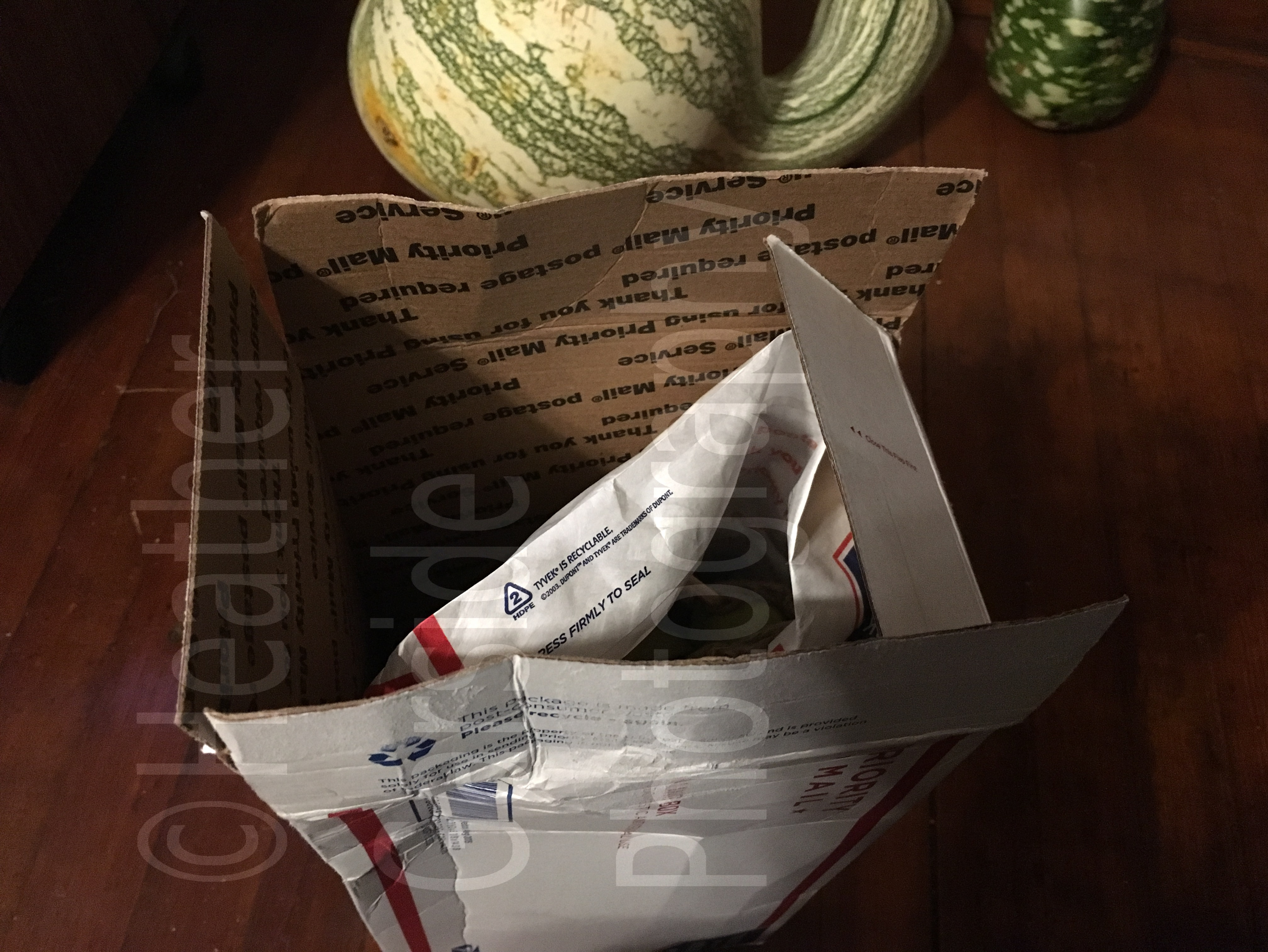
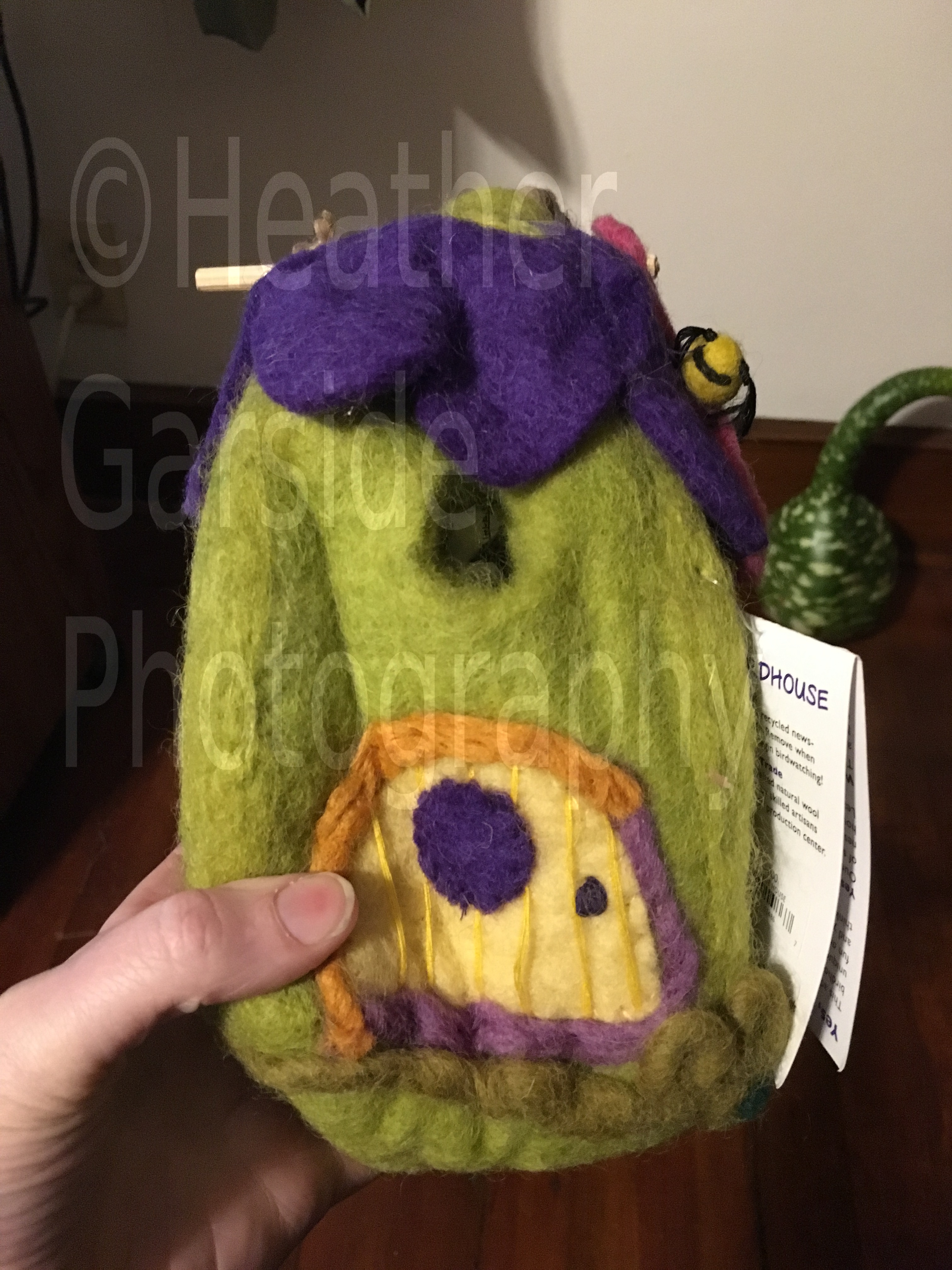
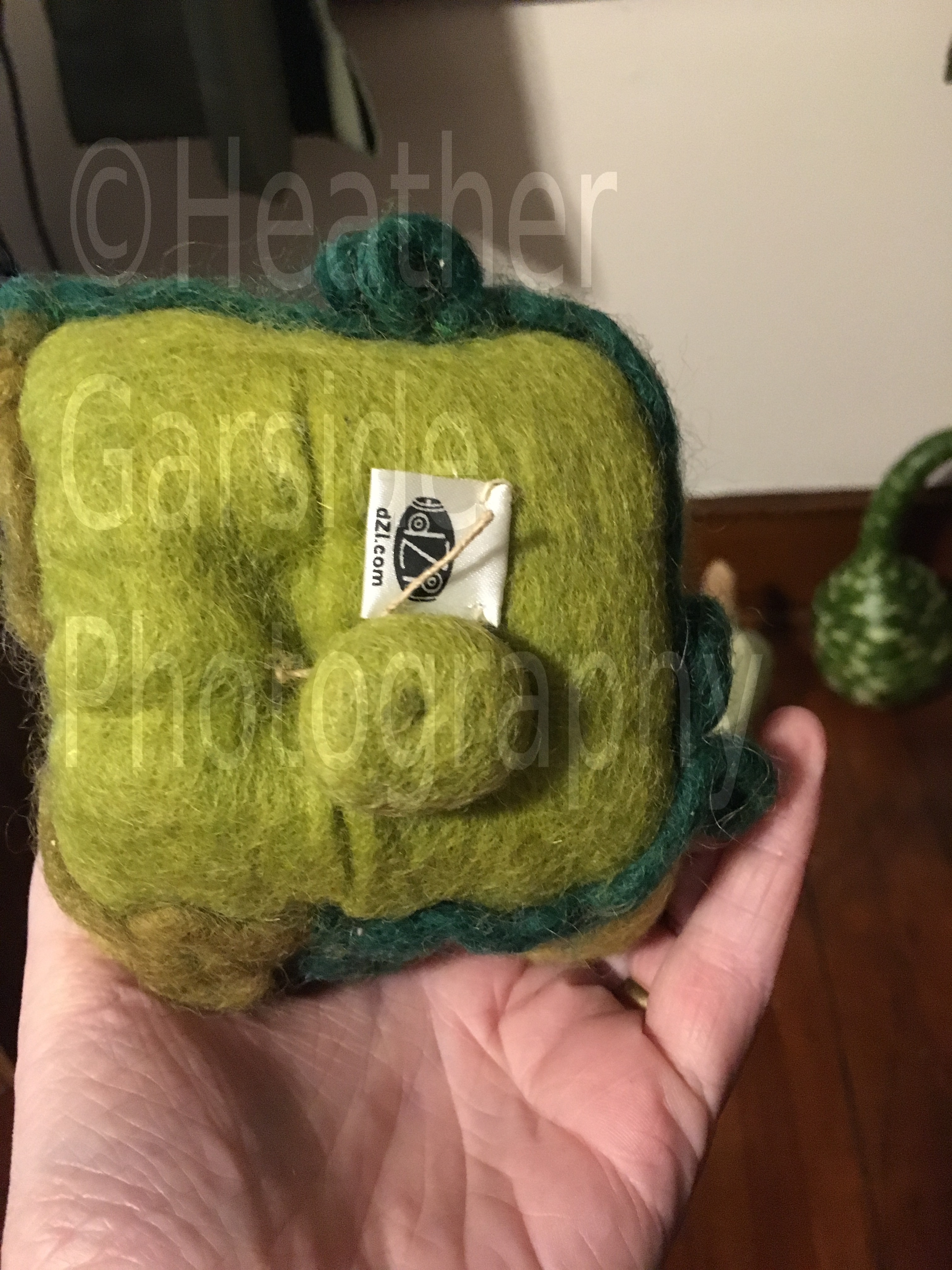
My Wild Woolies Felt Birdhouse has arrived! After much debate over which style I wanted, I decided on the Pixie Cottage. I guess I am still too much of a traditionalist to have birds living in a face. If I am honest, I did almost go with the Gnome before deciding I liked the Cottage look.
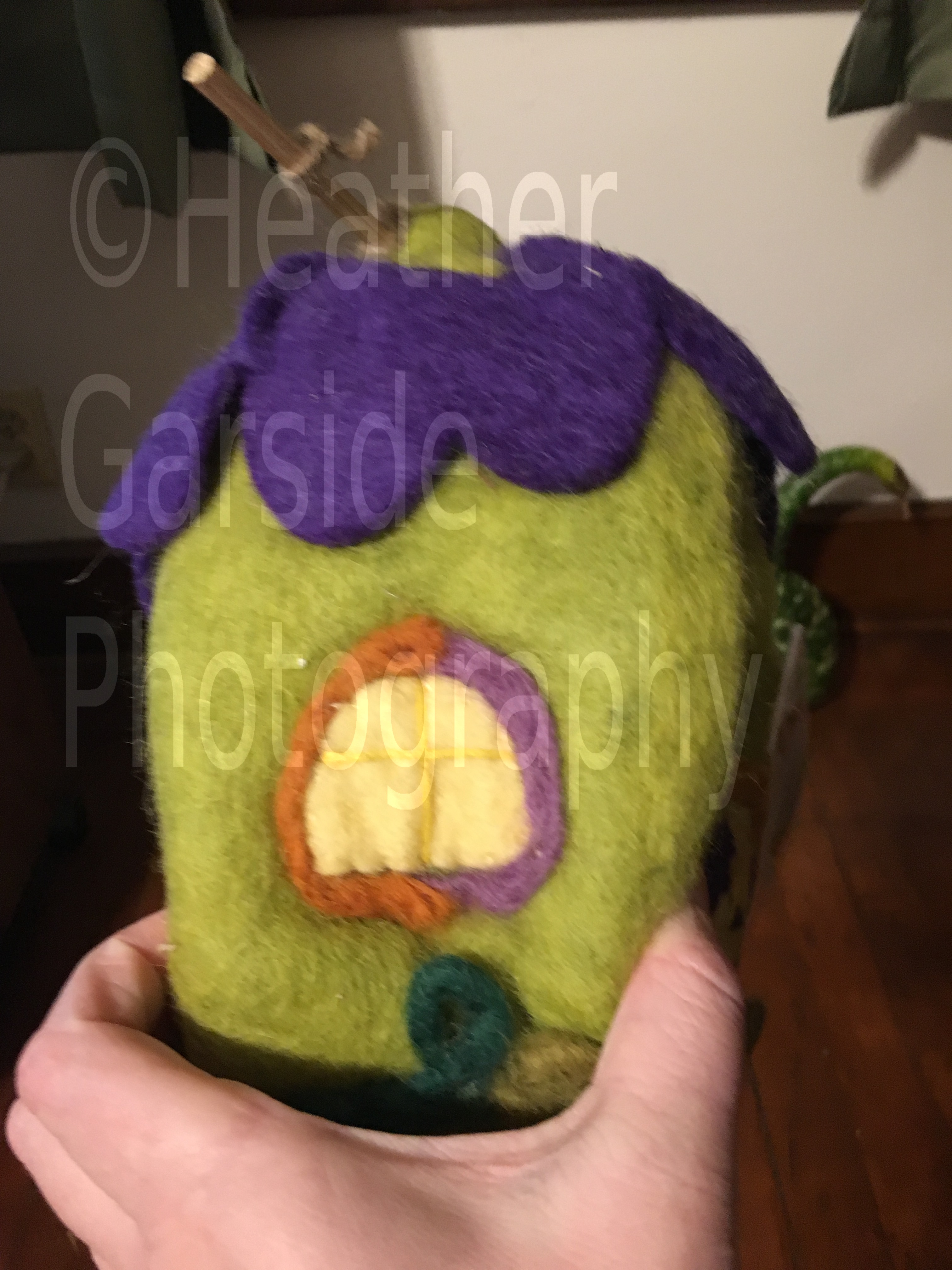
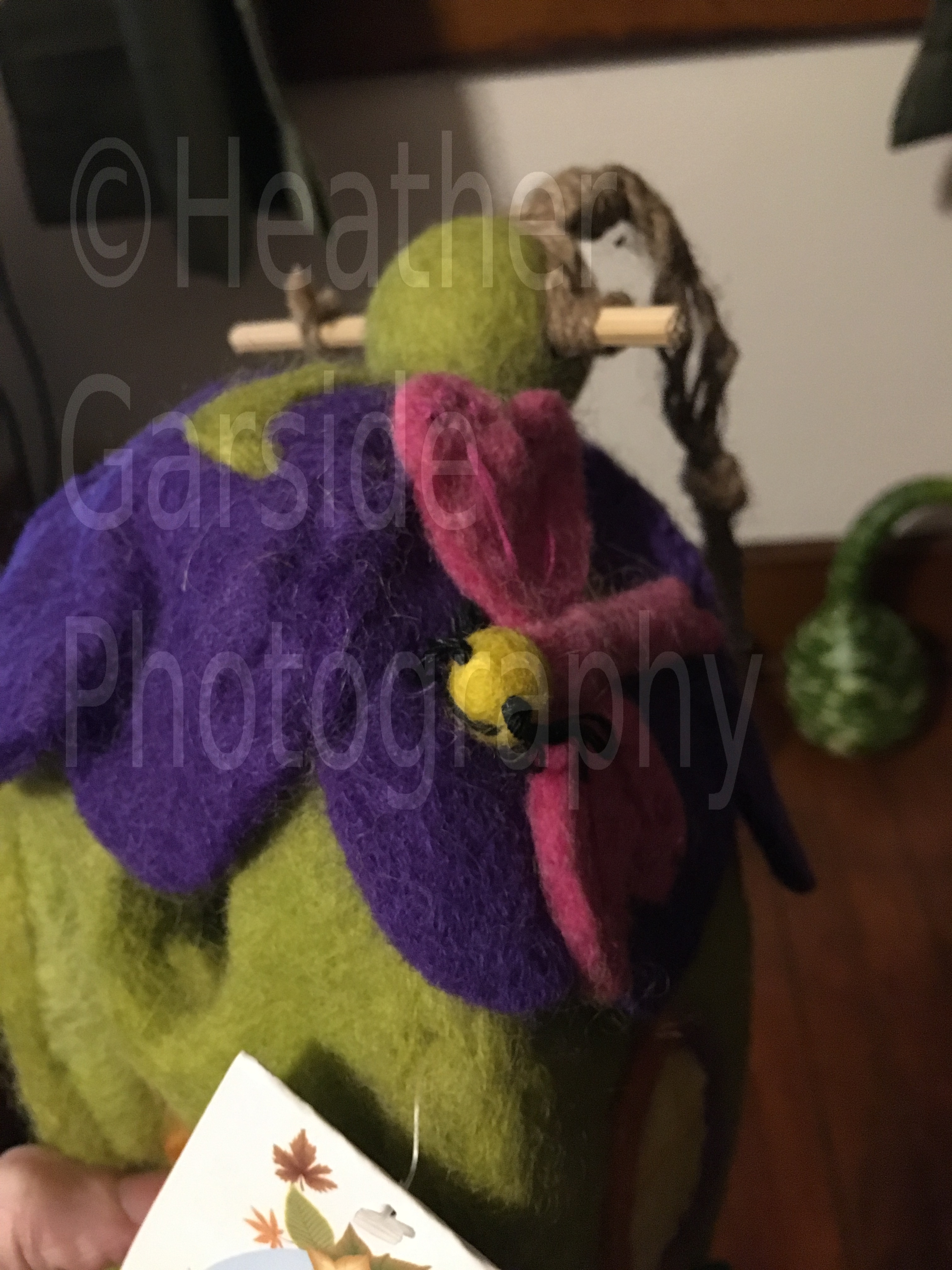
Upon its arrival, I inspected the house thoroughly. I am impressed with the quality of the wool, which is thicker than I expected and seems fairly sturdy. I like all of the details of the house even better in person and I was very pleased that it looks almost exactly like the photo on the website.
One feature that I was pleasantly surprised to find was the opening at the bottom for cleaning out old nesting material. I think that will turn out to be pretty handy if the house can withstand the elements for more than one season.
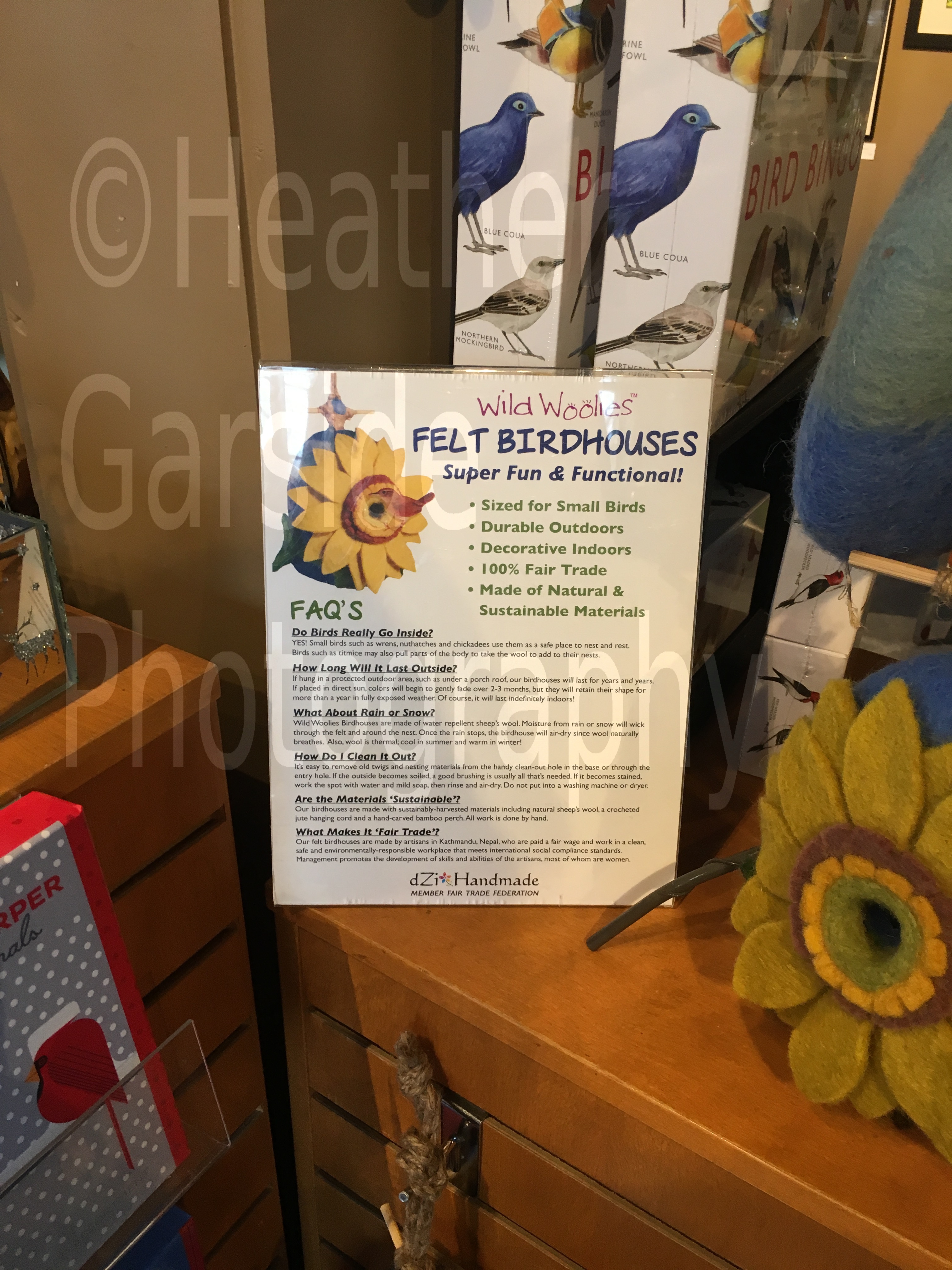
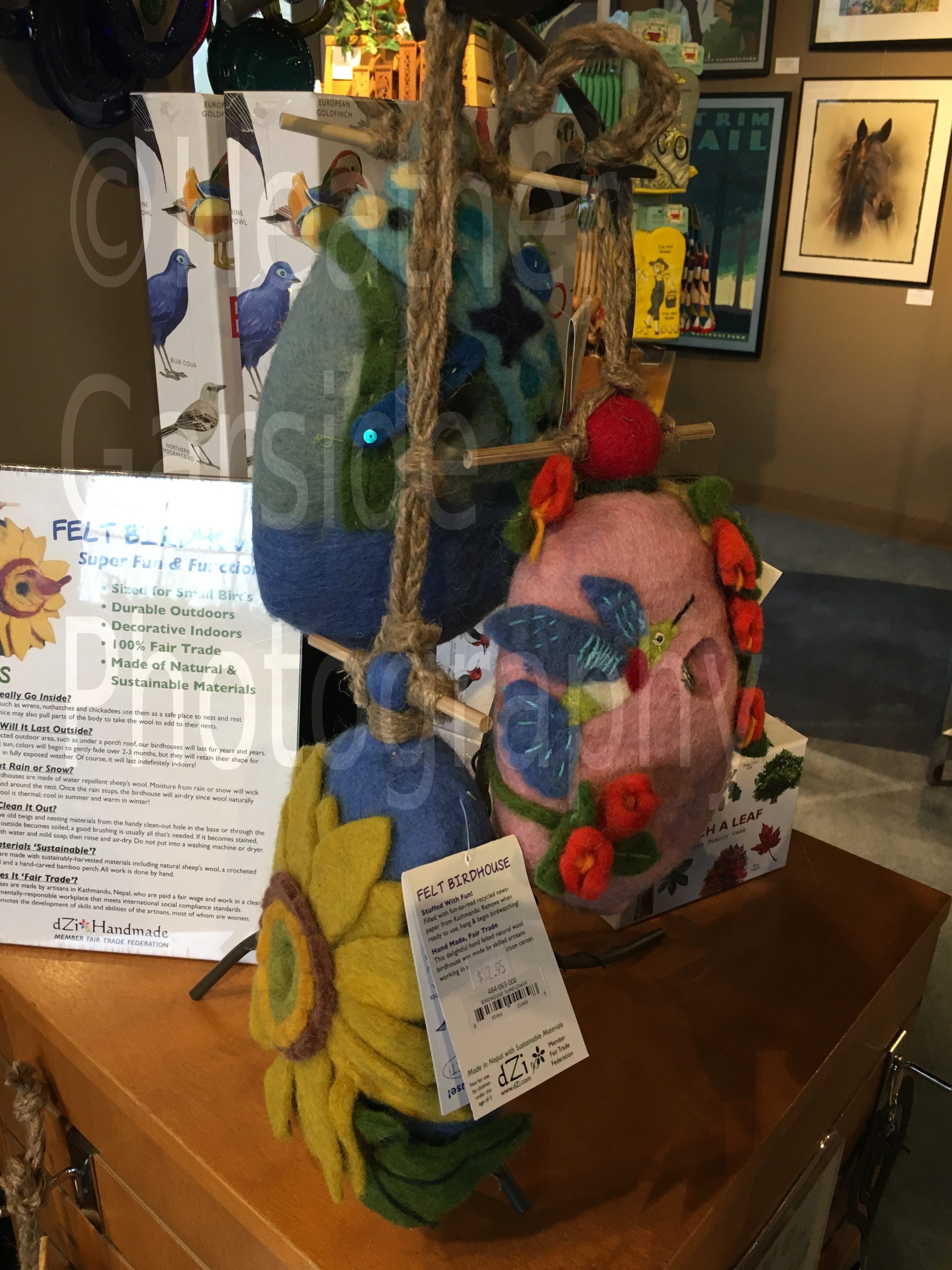
On a related note, I am starting to see Wild Woolies products available in stores. There was a selection of houses on sale in the Conservancy for Cuyahoga Valley National Park store in Peninsula, Ohio. I also noticed a variety of the wool Christmas ornaments were hanging up in a Whole Foods in North Jersey this past December. So keep your eyes peeled!
This is the update for now. For the rest of this experiment we will all just have to wait in suspense until spring!
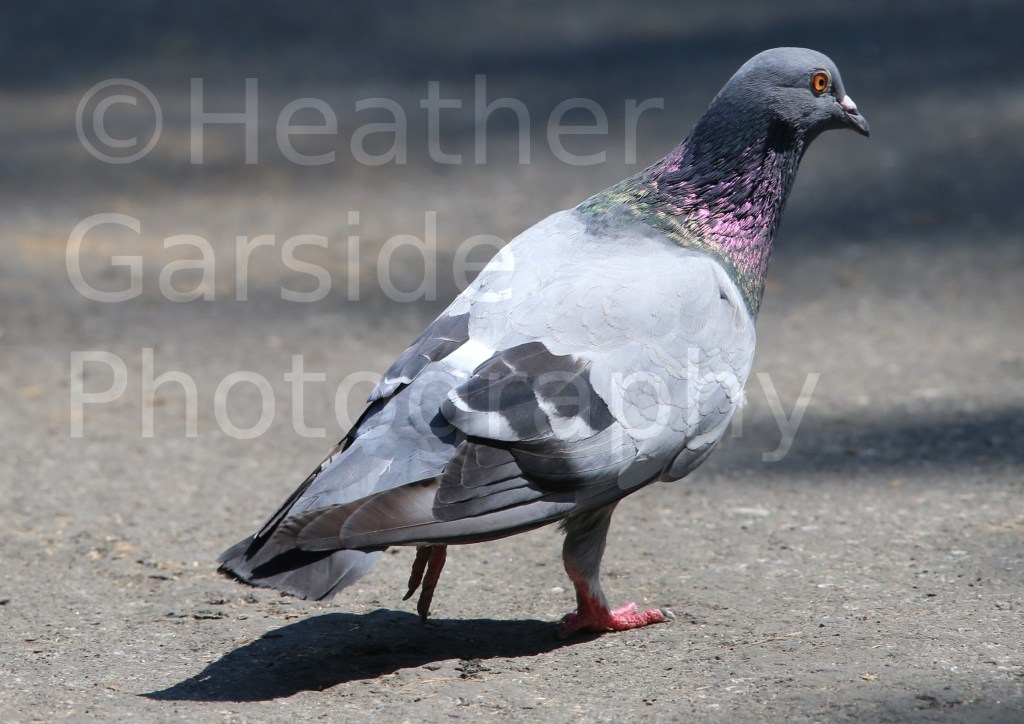
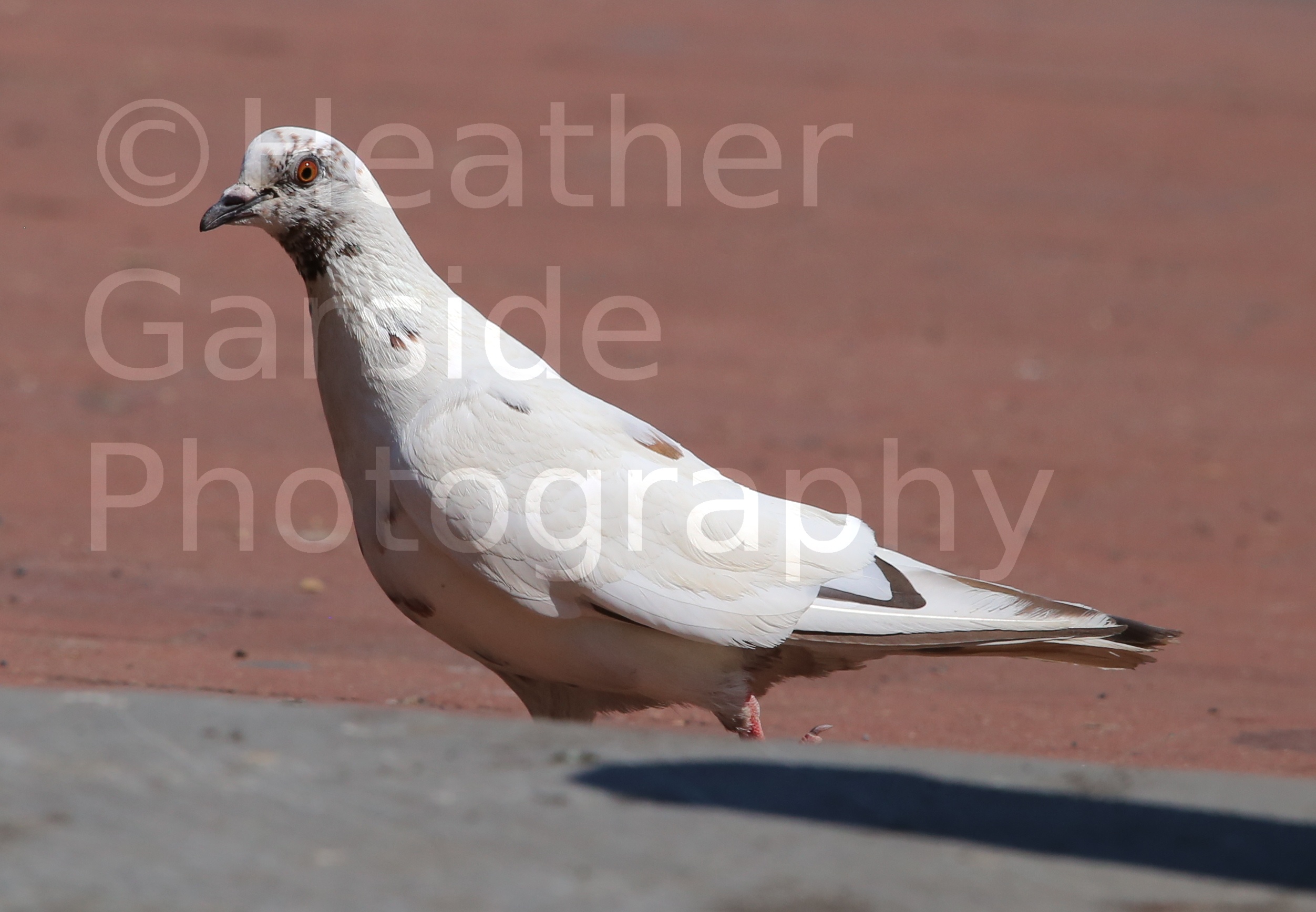
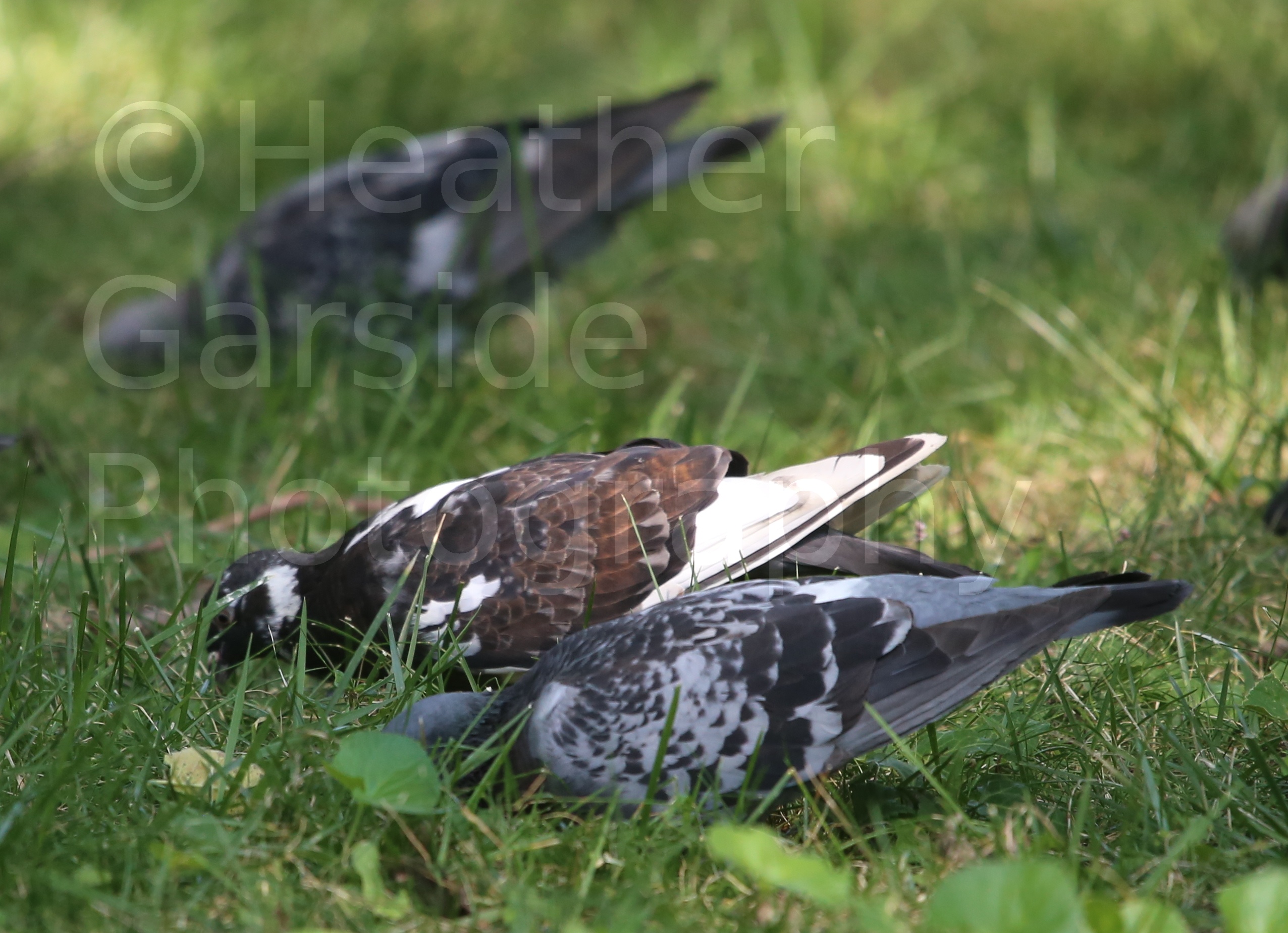
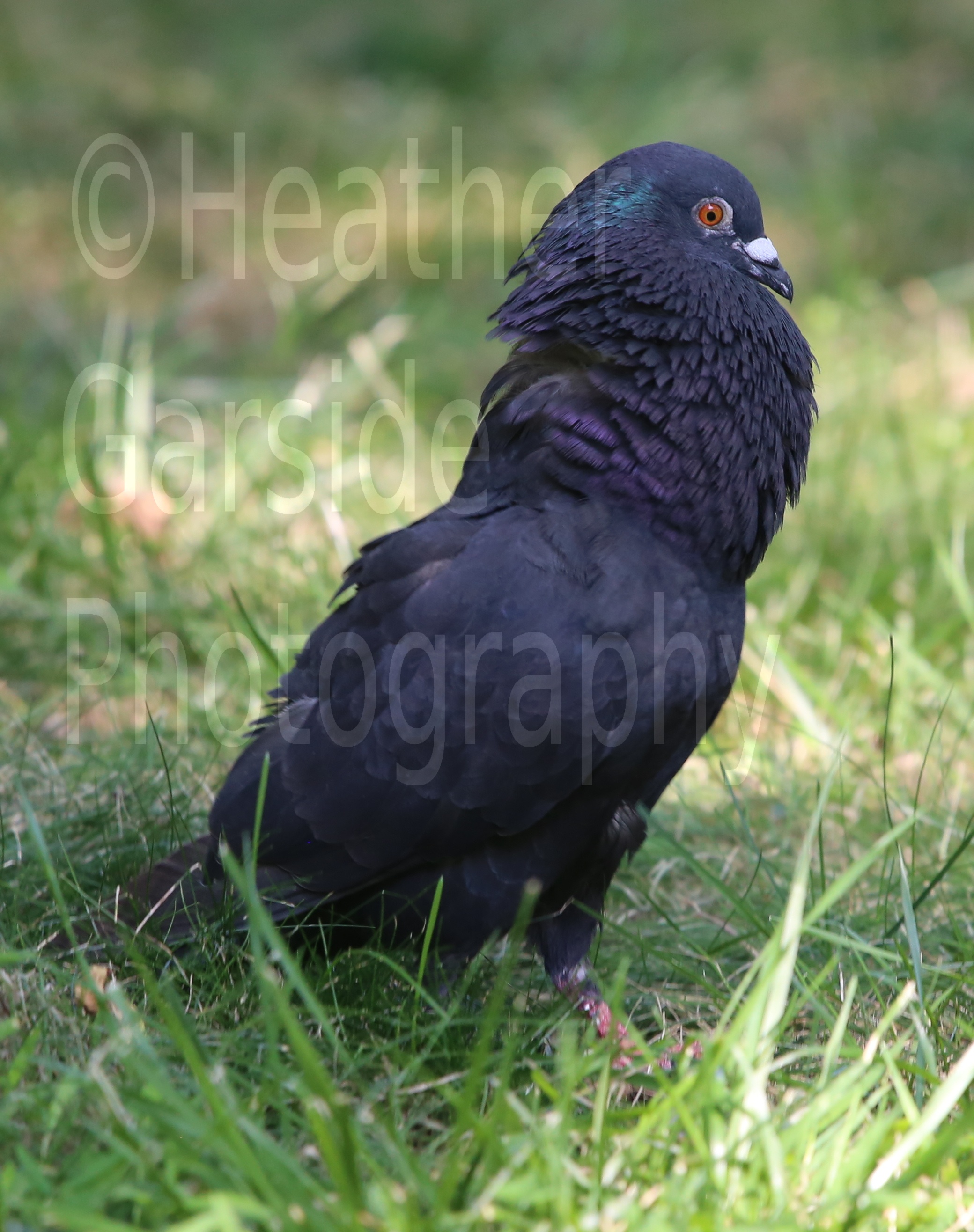
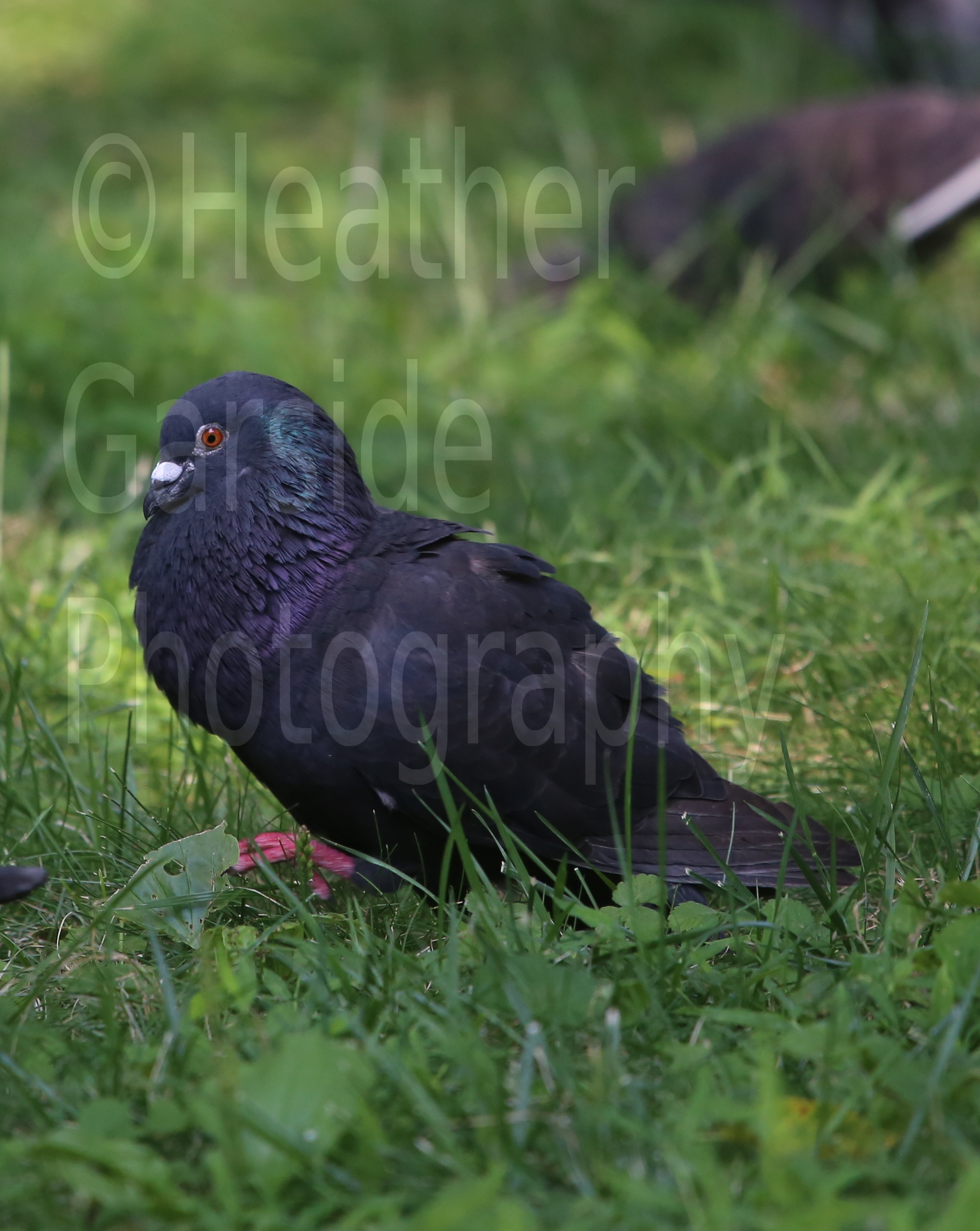
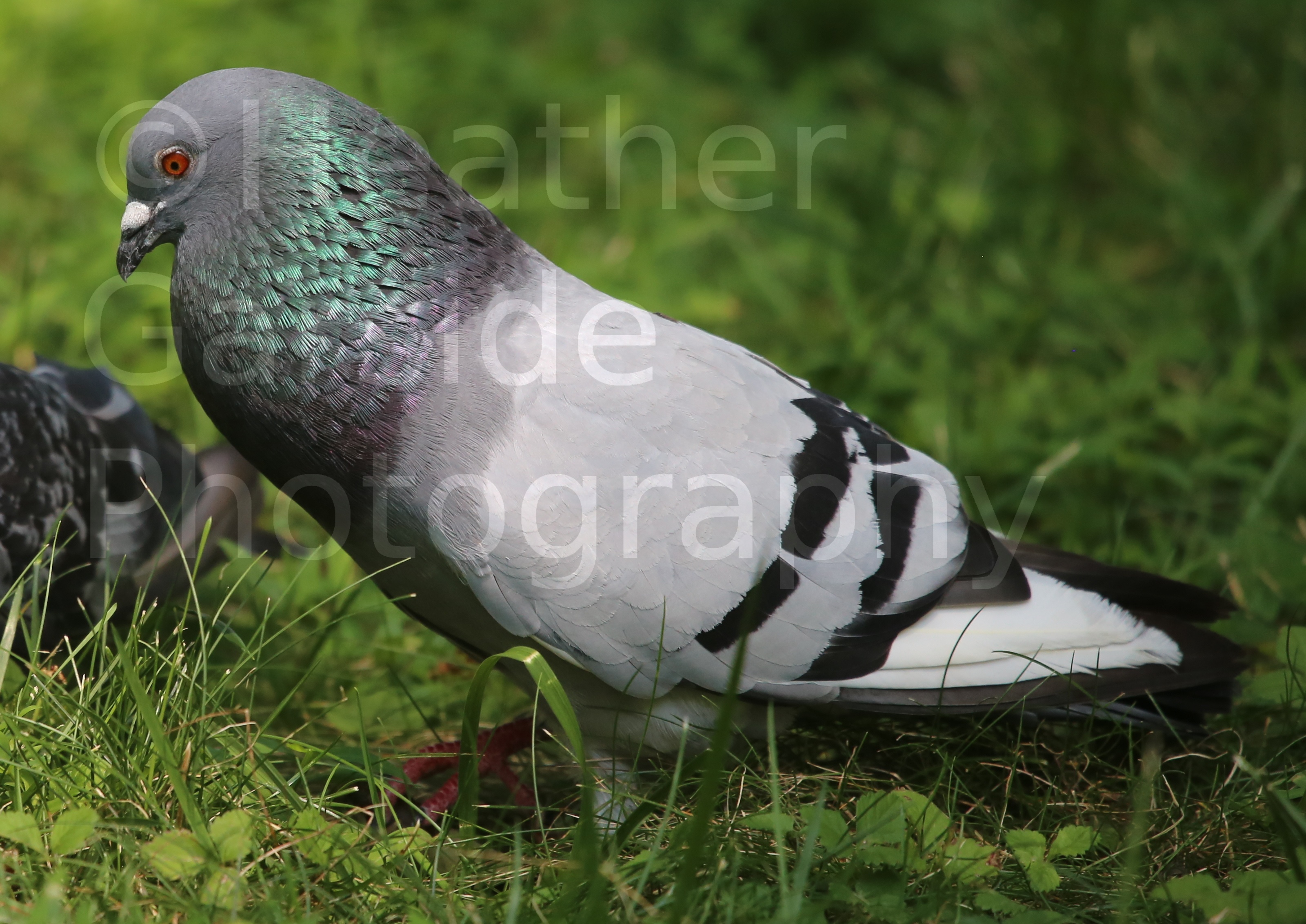
I made reference in my post about Mourning Doves that my family has a strong affinity for pigeons. I know that this is an attachment that is not shared by most of my fellow humans, especially not most of the urbanites among you. In that same post I complained that I didn’t often have the opportunity to photograph pigeons in my own neighborhood. Over the summer I decided to rectify that situation with a trip to the best pigeon watching ground in my area, New York’s Central Park.
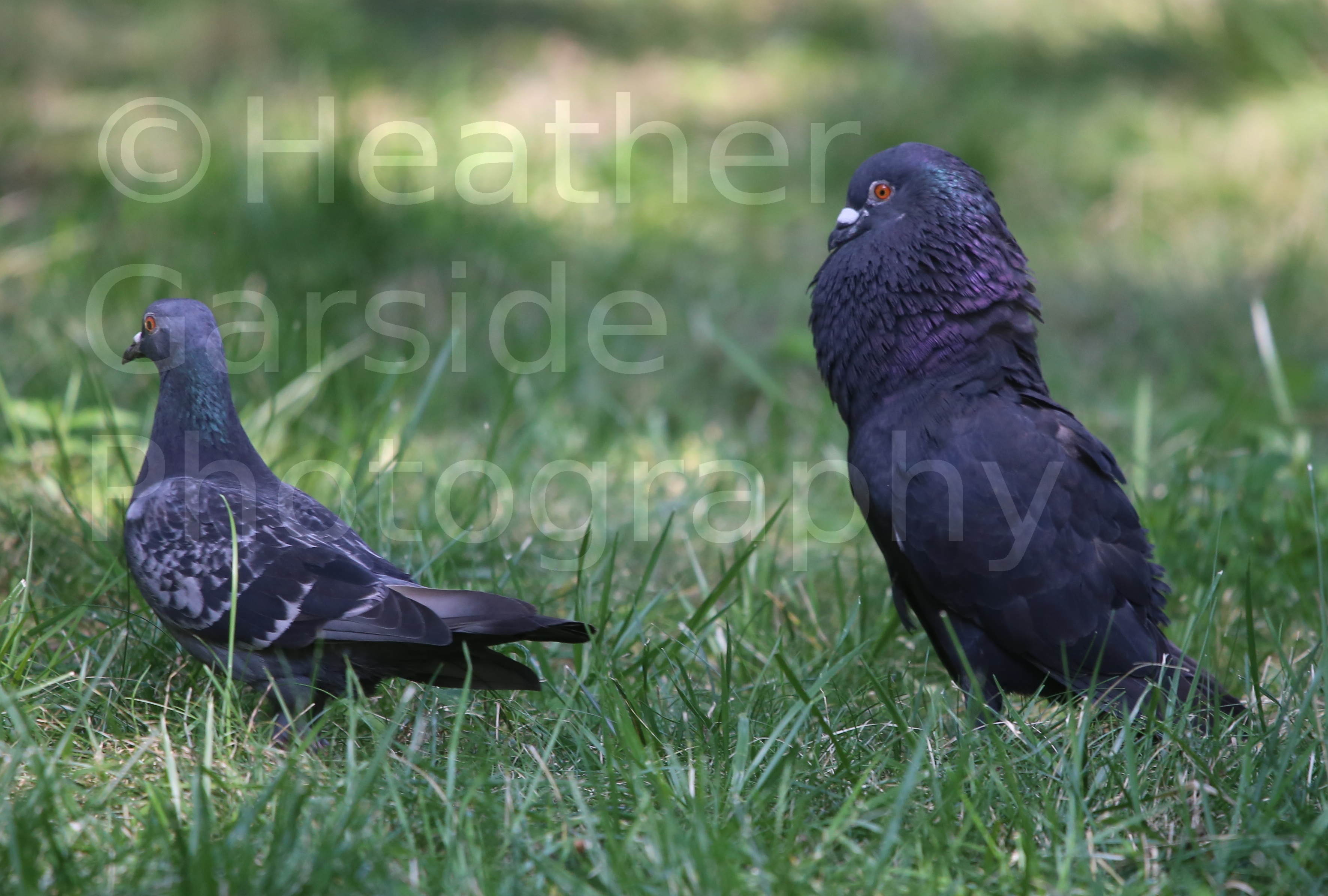
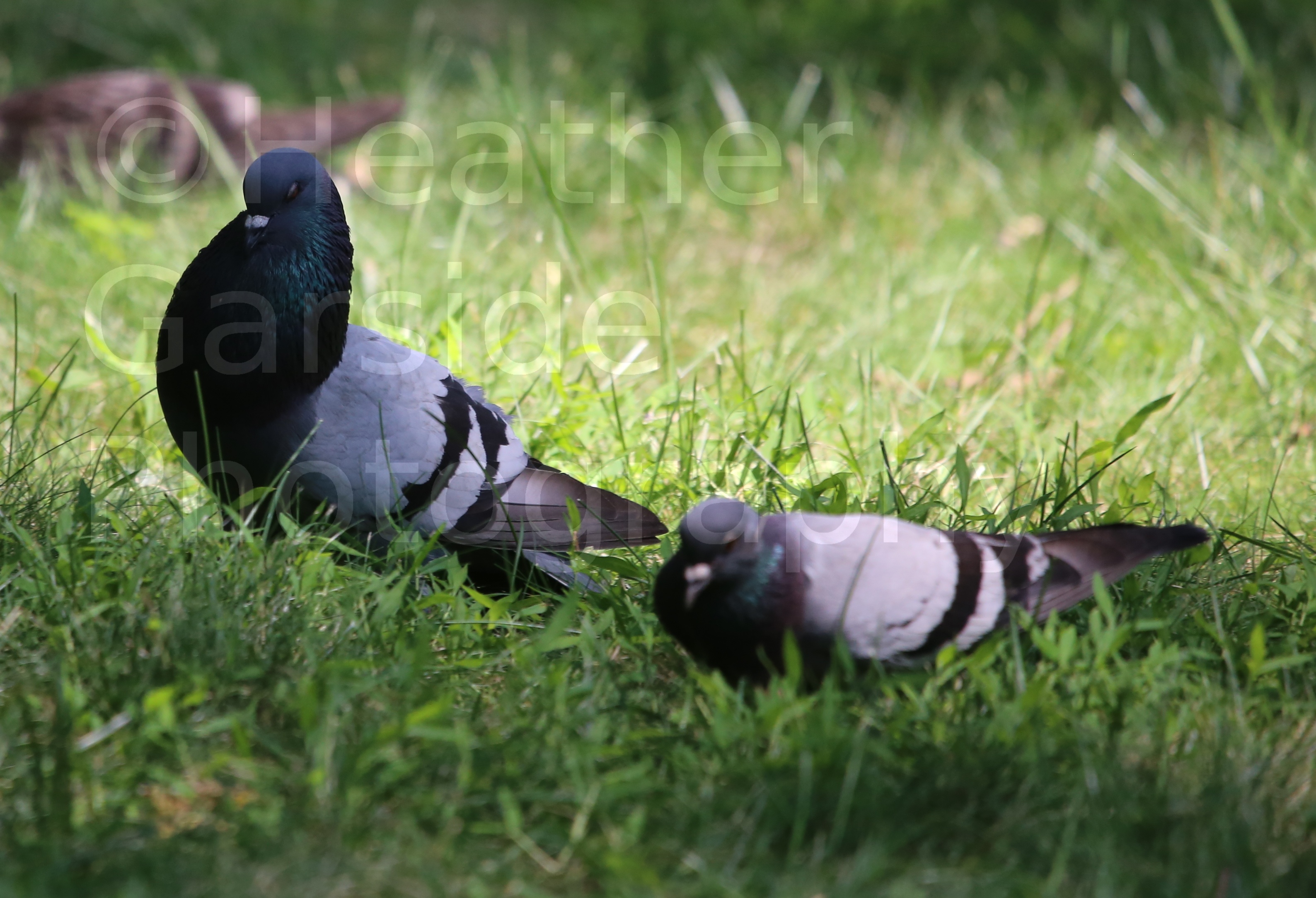
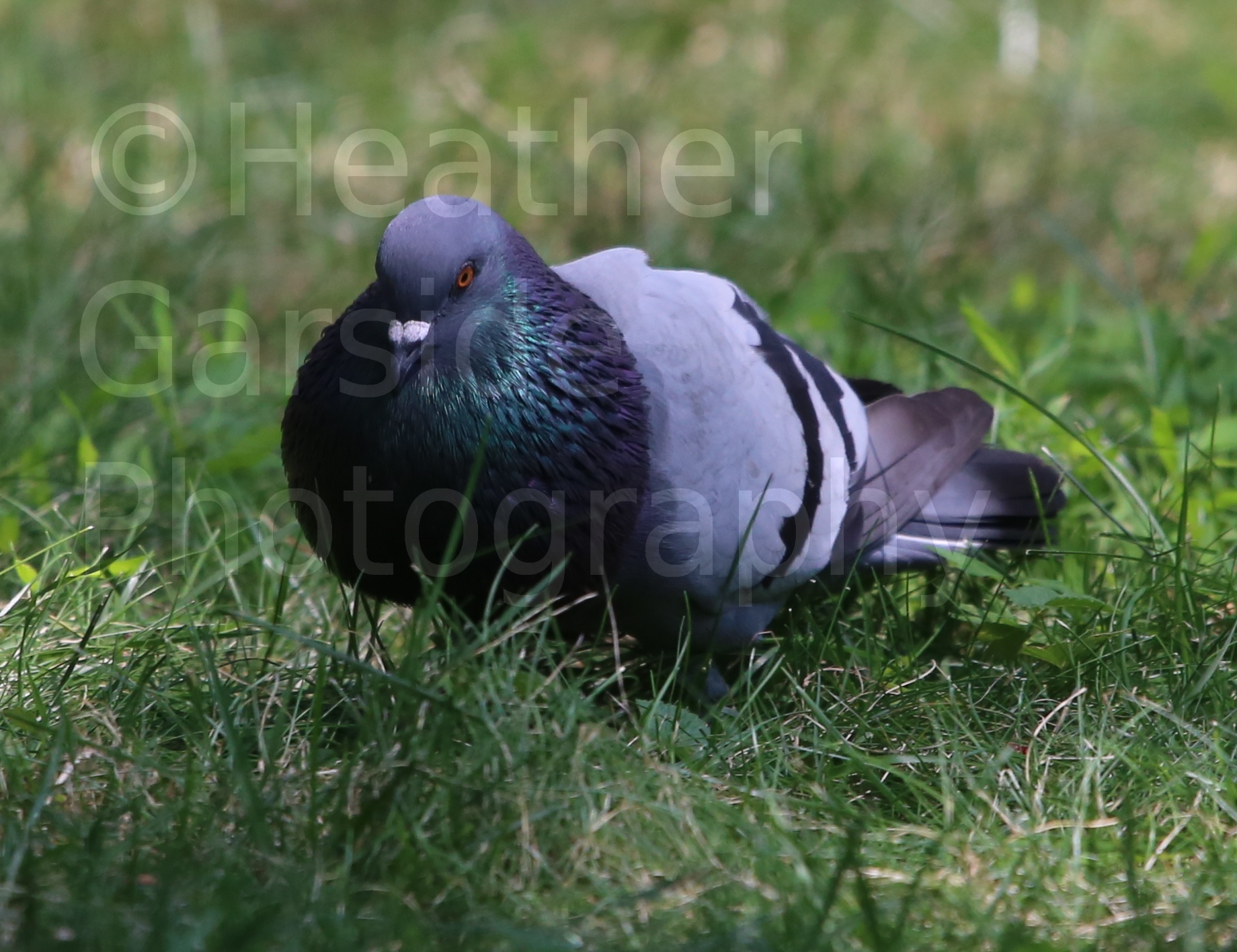
One of the great things about urban pigeon populations is the variety of colors and plumage styles. Most cities, including New York, have pigeon racing clubs. The pedigree pigeons sometimes do more than just fly home when they are released for a race. The evidence of their romantic dalliances can be seen in the more exotic white and brown plumage one sees mixed among the gray native populations of Rock Pigeons.
Love was definitely in the air on this particular summer day as I was able to observe at least two males attempt to incite a lady pigeon, really any lady pigeon. One was a darker blue-gray, while the second male had more of the traditional light gray Rock Pigeon coloring. Their flirtatious behavior can at quick glance be confused with their normal head bobbing walk. However, courtship is accompanied with the male spreading his tail feathers, puffing up his chest and walking mostly in circles around or at the female. Sometimes those circles are rather tight, giving the impression that the male pigeon is engaged in a game of hokey-pokey, and keeps turning himself around.
Both of the males I observed were in hot pursuit of ladies who seemed distinctly uninterested. The males didn’t seem to be bothered by the lack of interest or consent, probably confident that their charms would win out in the end. At times their actions were akin to those of a pantomime villain, lurking just behind the female waiting for the opportunity to pounce!
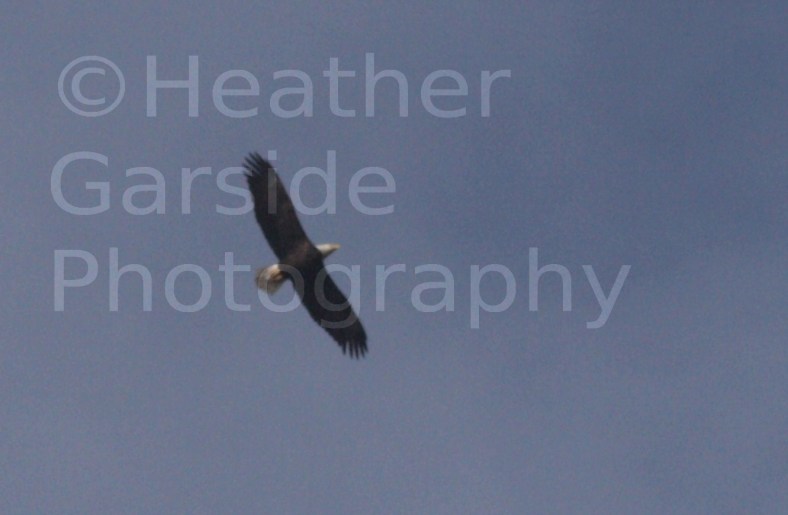
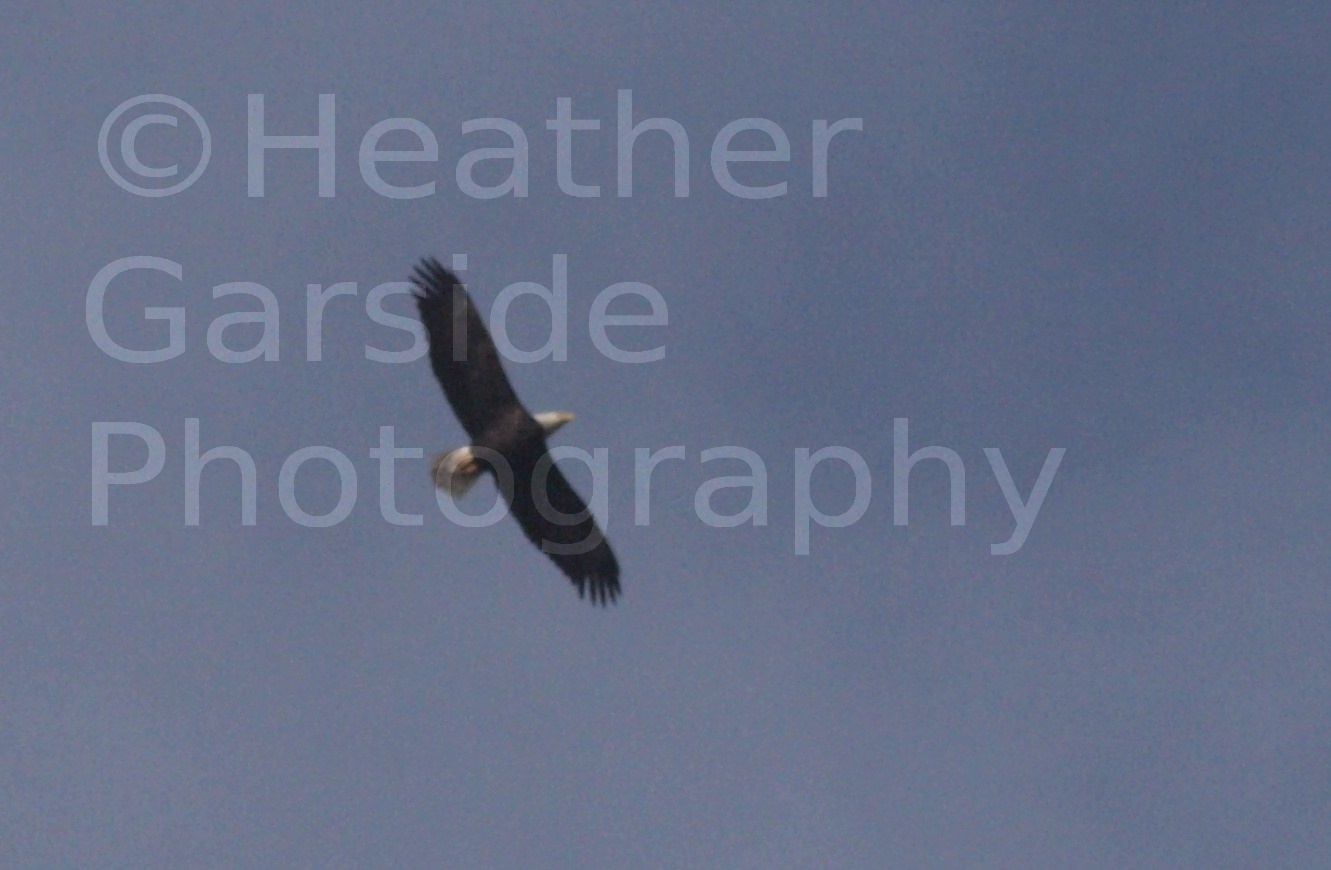
The first Bald Eagle I saw in the wild was actually in Washington D.C. It was my husband’s first visit to the nation’s capital and we had decided to visit in January, when the Mall is both empty and cold. At the Jefferson Memorial my husband looked up and said, “Look, a Bald Eagle!” We had been joking all day about seeing the Vice President in a car window or Uncle Sam in a doorway, so I figured this was just another good natured joke about America and her patriotic symbols. But it was in fact a Bald Eagle. We didn’t have as long a lens as we have these days, so the photos do little more than prove him right. The white head and brown back is clearly visible against the clear blue sky.
I was recently discussing with a friend the increasing number of Bald Eagle sightings we are aware of in the past few years. We are both in our thirties, and I genuinely feel that there are more Bald Eagles around than there were when we were growing up. According to The Birds of New Jersey: Status and Distribution by William J. Boyle Jr. (2011), our instincts are correct, there is a growing number of Bald Eagles, in New Jersey. DDT, persecution and habitat destruction all combine to decrease the Bald Eagle population to the Endangered level in forty-eight states. In 1970 there was only one nest in all of New Jersey. Thanks to incubation programs through the Endangered and Nongame Species Project, in 2009 New Jersey sported 69 nests and 85 territorial pairs. Many more Bald Eagles who do not choose to nest in the Garden State year-round come to the area to winter. I certainly know that the northern New Jersey suburbs have a few hanging around. We have seen the odd Bald Eagle flying over the highway, always without a camera or a safe place to stop, naturally.
Those of us who live in Northern New Jersey are doubly lucky because a lot of Bald Eagles make their homes, or at least their winter residences, along the lower Hudson River. The ice breakers make it easier for the Eagles to access fresh fish throughout the winter and they are fairly common. We saw a nest at Stony Point Battlefield State Historic Site. We were taking a look at the lighthouse and the view of the river when we saw a huge flash of bird. “If I didn’t know better, I would have said that looked like a Bald Eagle!” I exclaimed to our guide. “Yup, it was. We have a nest.” She pointed to the nest and then headed back to the visit center, like people see Bald Eagles in the wild every day! Well, I guess she does probably see them every day. We decided to get the long lens out, sit on a bench and see if it circled around again. We didn’t get to see the adult again, but we did see a juvenile less than gracefully swooping around at the edge of the cliff.
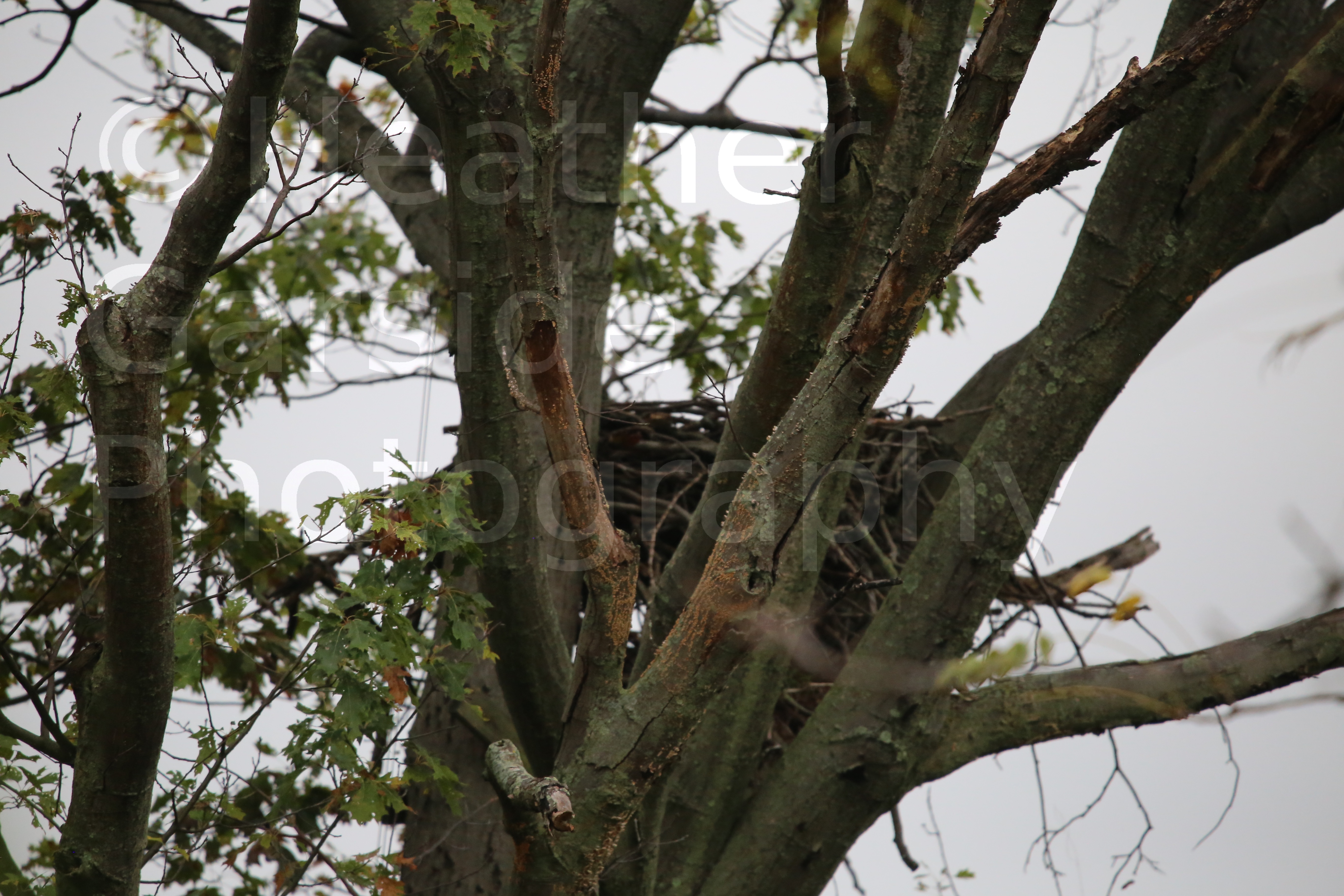
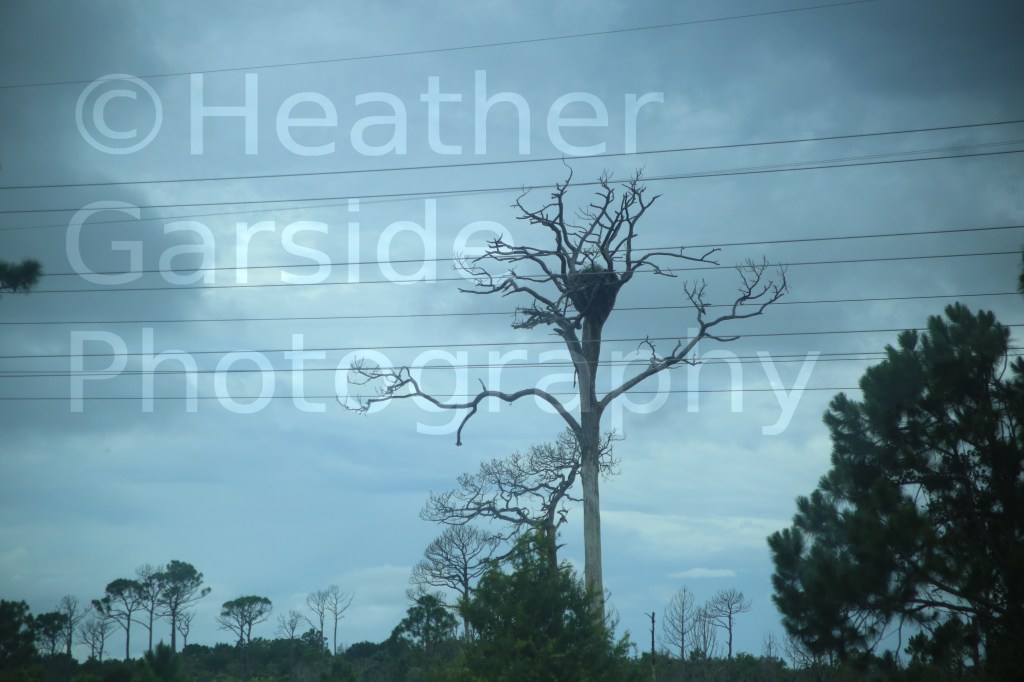
You many not think so, but you will definitely know a Bald Eagle nest when you see it. At this point I have seen a few in real life, and I am still always surprised by just how big they actually are. They are the largest nests you will ever see in North America. The largest has been recorded at about 13 feet deep and 8.2 feet wide. They often add to the nest each year, reinforcing it, which is probably how they come to grow so large. This DIY project is part of the pair’s annual breeding ritual and helps them to both prepare for the coming eggs. There is a mating pair of Bald Eagles who reside on the grounds of the Kennedy Space Center in Florida. The nest has been in place for so long that they have had multiple generations of the same Bald Eagle family nest there.
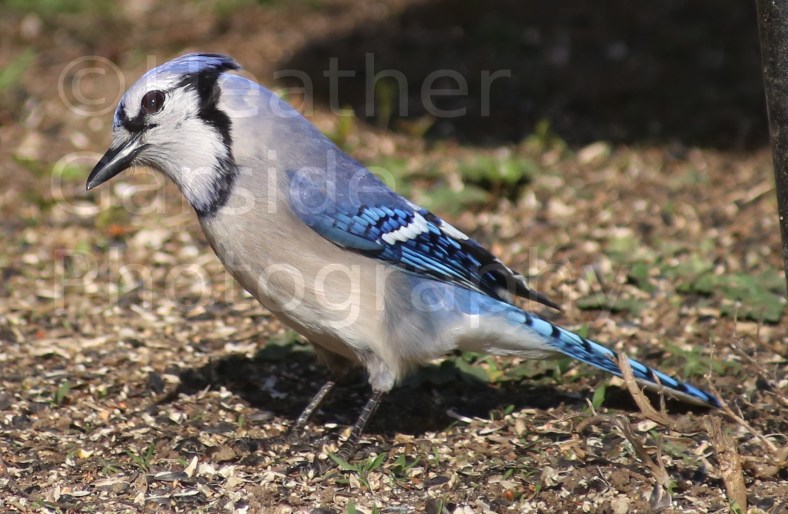
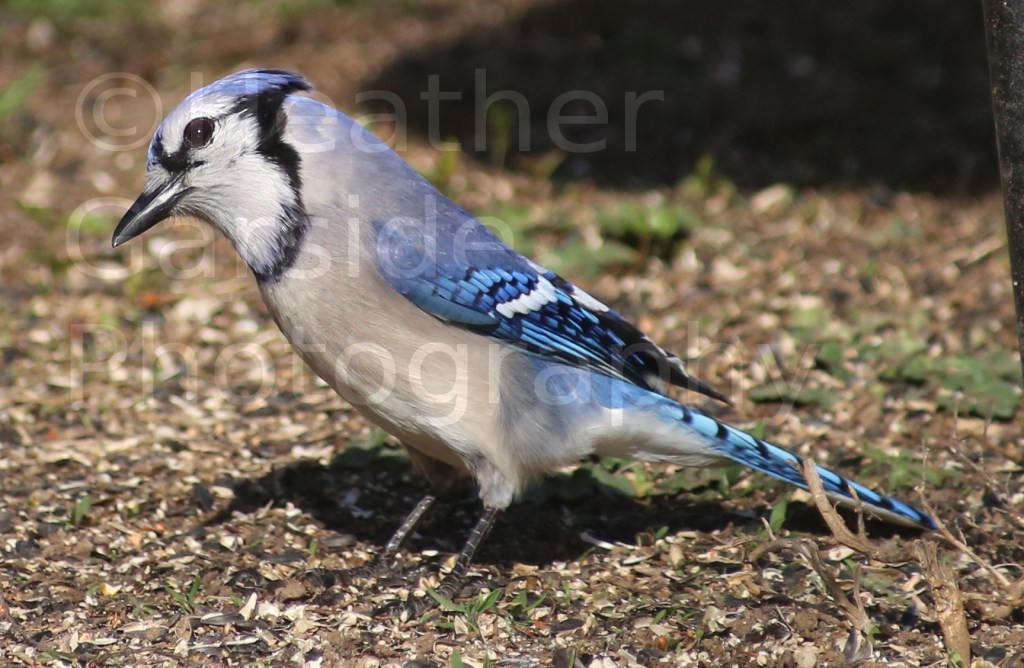
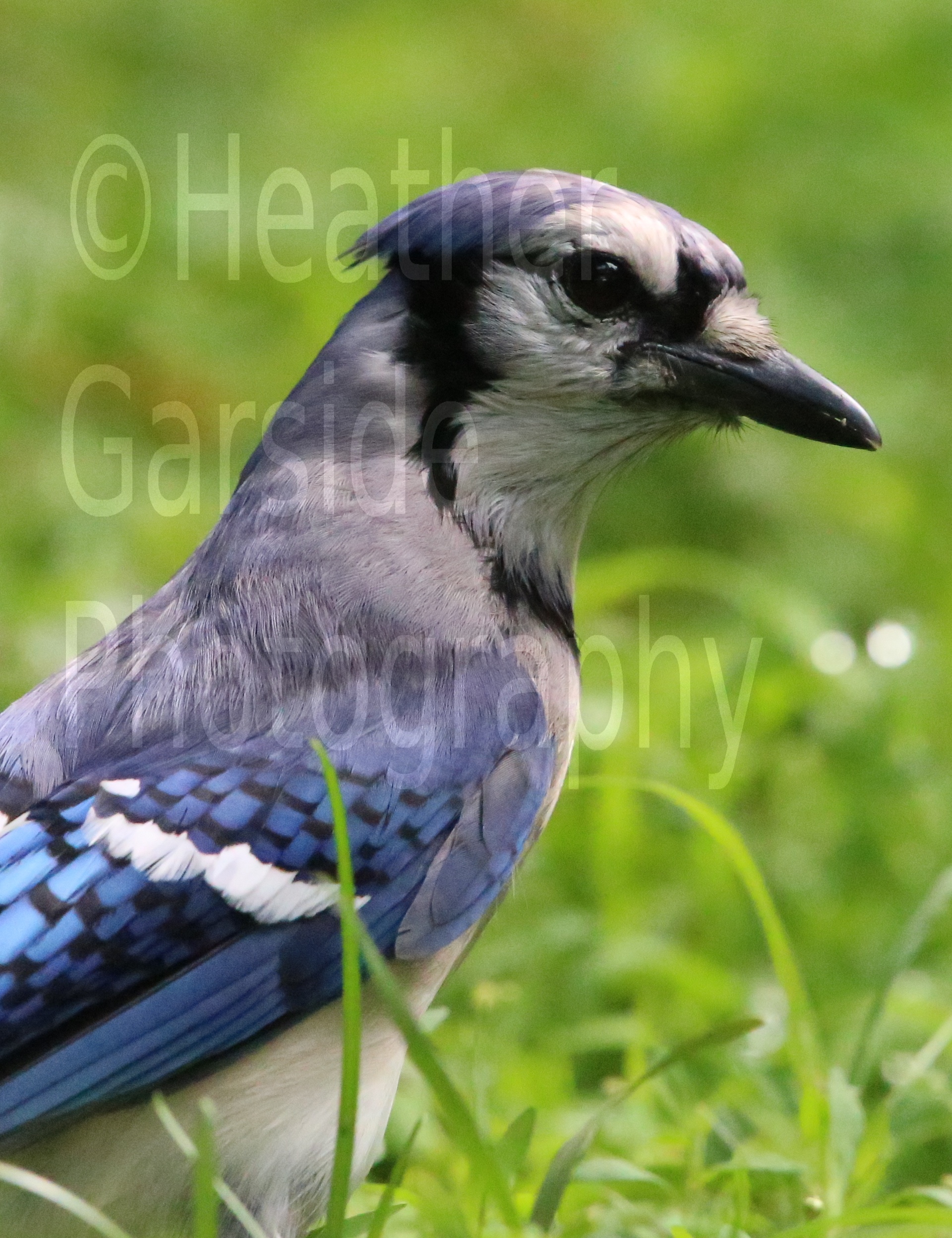
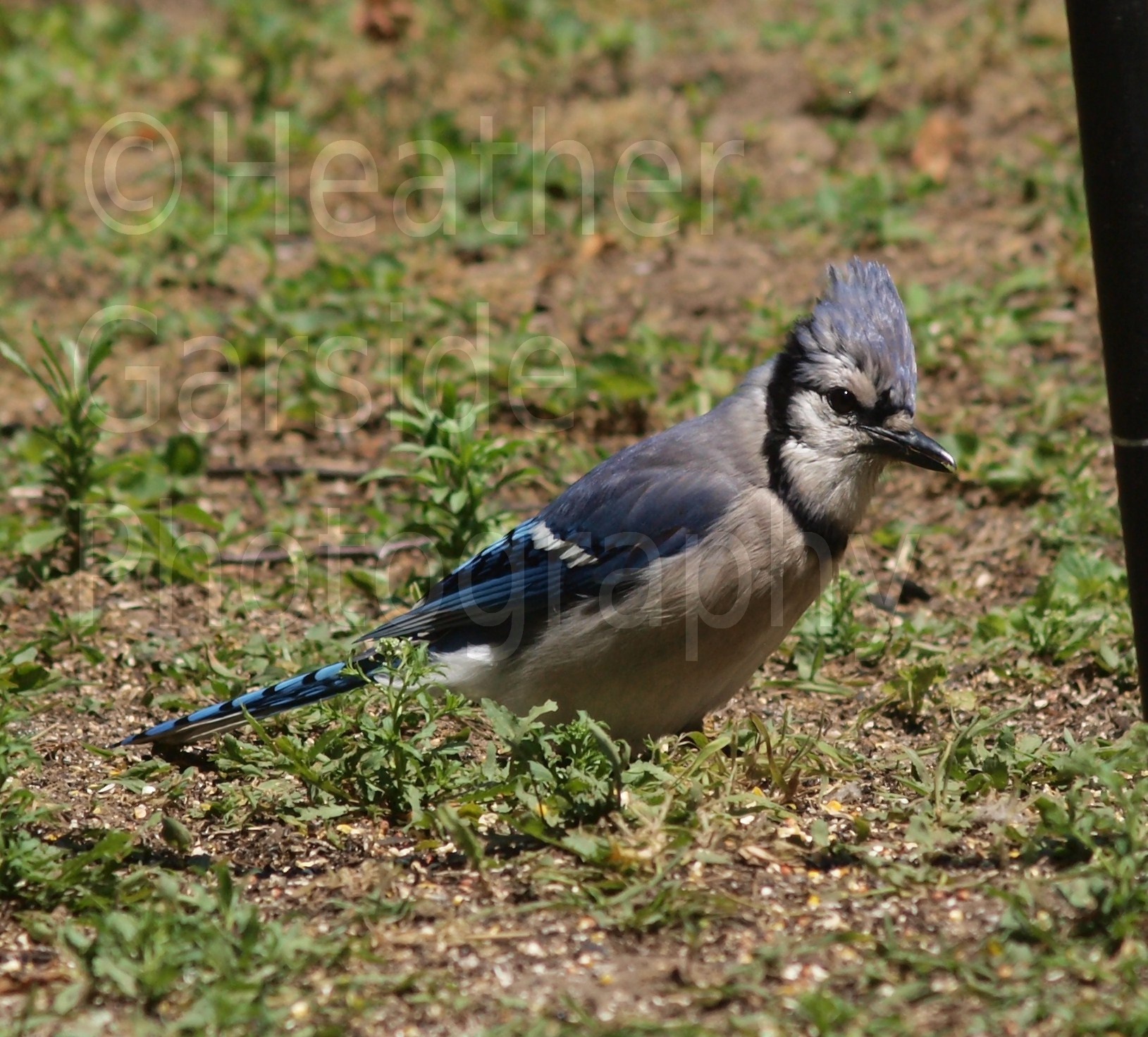
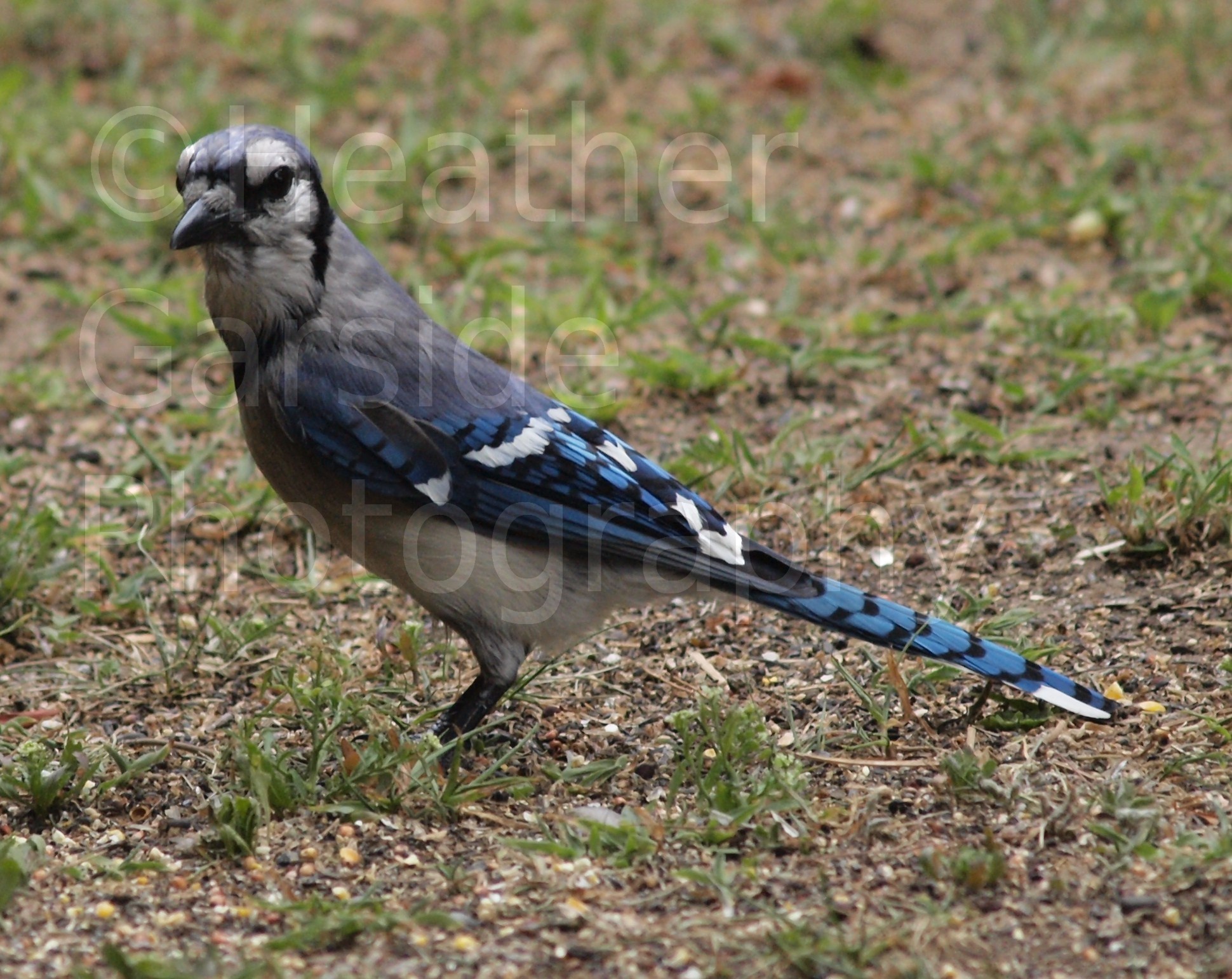
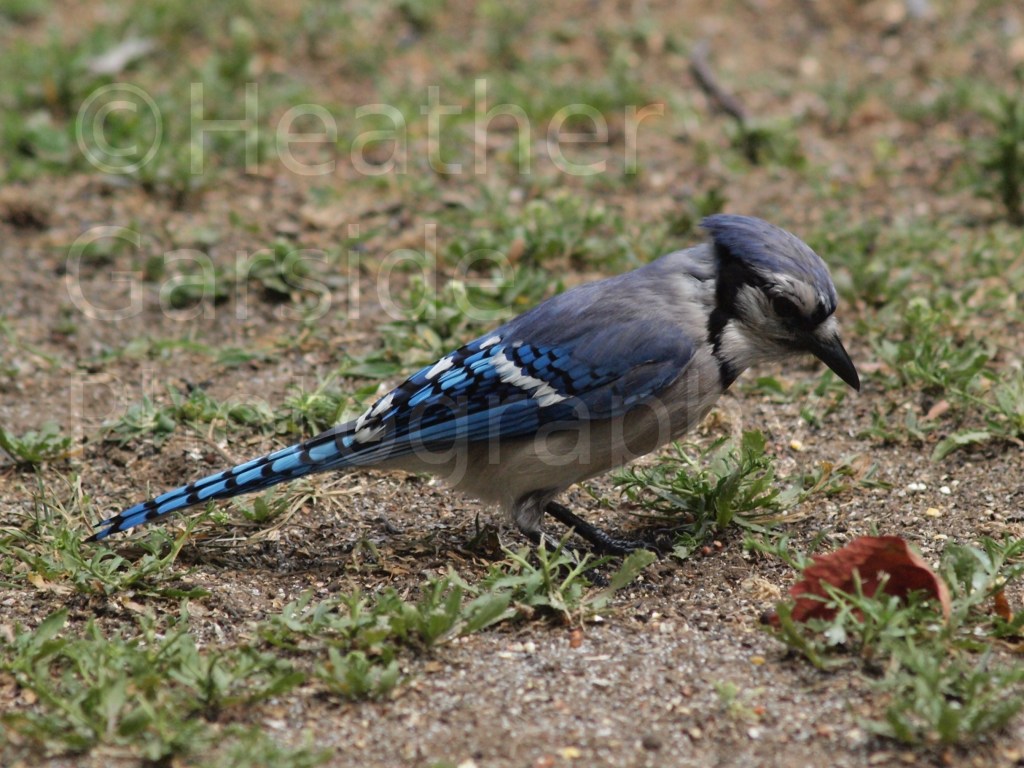
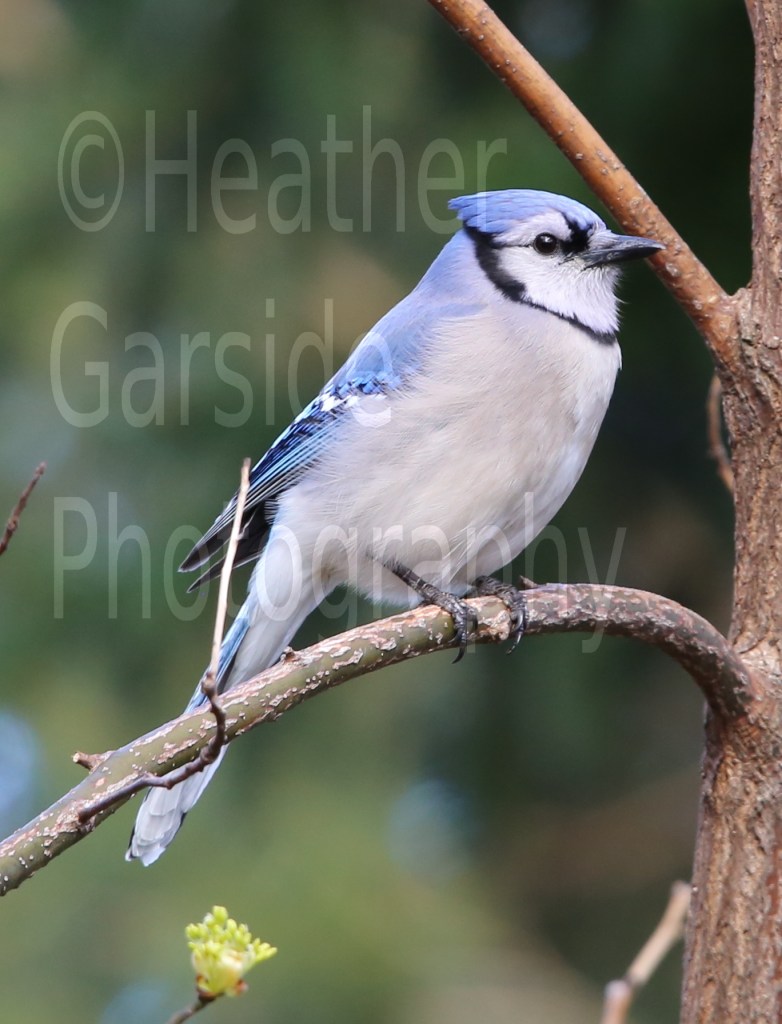
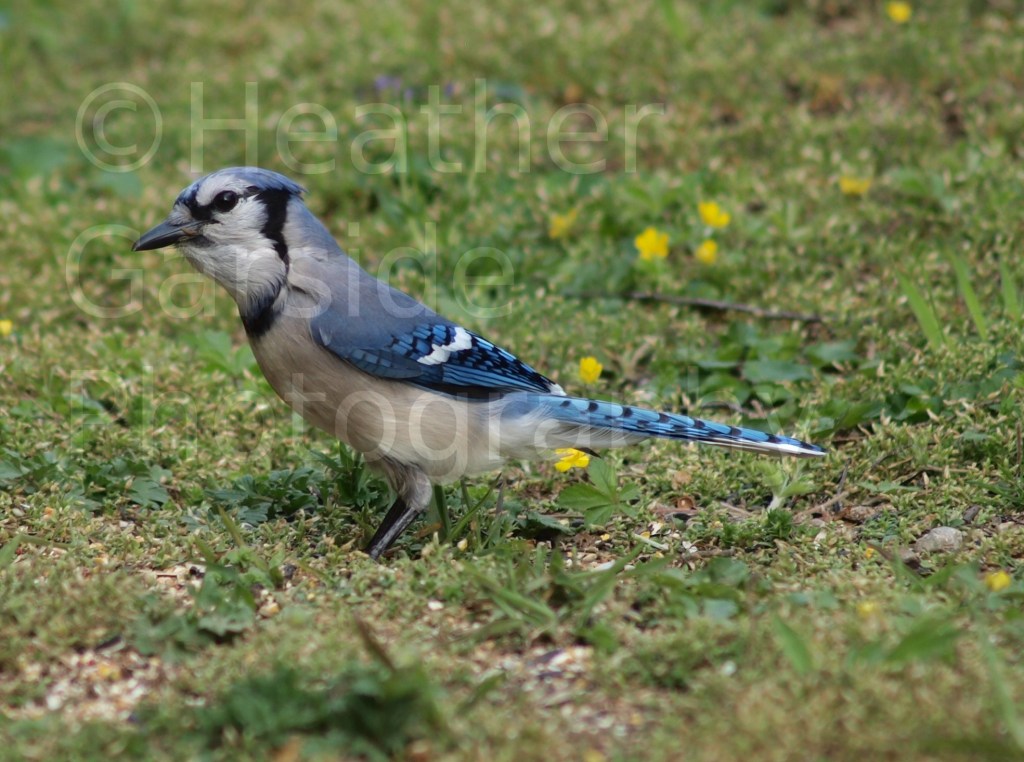
I have seen numerous references to Blue Jays as “the sentinels of the forest,” sounding the alarm of danger for their fellow birds and other woodland creatures. I feel that this title attributes a benevolent quality to the Blue Jay’s actions which is totally unwarranted. True, Blue Jays often send out loud cries which serve as a warning to the rest of the animals in the immediate vicinity. However, rather than the primary purpose of the call, this is often a coincidental side effect, if not a deliberate misrepresentation, designed to scare the other birds away from what the Blue Jays covet for themselves.
Based on my observations, rather than the overseer of safety, I think it would be more accurate to classify the Blue Jays as the bombastic and inflated characters that they are. John James Audubon, for whom many bird watching societies are named, referred to Blue Jays as “mischievous.” Like the bully in a playground, the Blue Jays very loudly and pompously push their way into the midst of the feeder crowd, using their superior size and prancing movements to intimidate and push their fellow birds from the seed or perch they plan to possess.
Don’t get me
wrong, Blue Jays are a beautiful bird. Familiar to most people, at
about twelve inches long, the Blue Jay ‘s back, head and tail are a
bright, light blue, decorated with horizontal stripes along the
bottom of its wings and length of its tail. A fluffier white-gray
belly and neck provides some contrast. Its face is bordered in a
black semi-circle, almost like a beard. Its head is topped with a
distinct crest, adding an almost regal formality to the Blue Jay’s
overall appearance.
One of the reasons Blue Jays are so familiar to us is directly due to human interaction. Blue Jays have adapted well to human populations, both urban and suburban and are just as comfortable in a yard or park as they are in the forest. People are a consistent and convenient source of food all year and as a result very few Blue Jays migrate in the winter. They have a varied diet of bugs, fruit, seeds, nuts (they are very partial to peanuts specifically) and carrion which allows them additional flexibility in their various habitats. They also cache food, a behavior uncommon in birds. In the spring, Blue Jays supplement their diets by attacking the nests of other birds and eating their eggs or newly hatched nestlings. Yes, Blue Jays eat babies. While they are not the only bird species to behave in this manner, this activity is leading to a decline in many forest’s song bird populations as nest robber population, including the Blue Jay increase due to their positive relations to humans.
Blue Jays are interesting it watch. The have a curious and
inquisitive nature that seems to imply a deeper intelligence. Matched
with their seeming fearlessness, these qualities find them often
invading humans’ personal space bubbles similar to seagulls
approaching beach goers. But while their “mischievous” actions
may be funny, remember that they can also be aggressive and even mean
to other species.
Blue Jays can
definitely hold their own, and have been known to mob (or attack as a
group) owls and other large predator birds. Their imitation of a hawk
can scatter birds in an instant and the juveniles seem to pick up
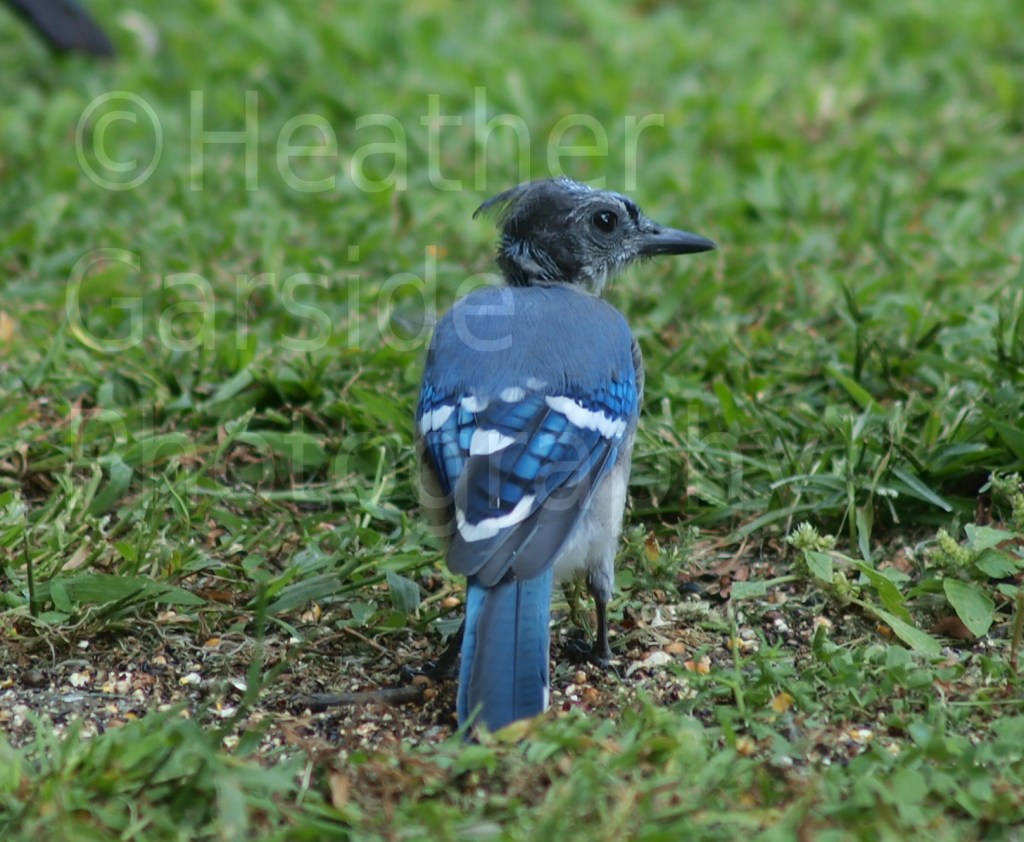
this loud-mouth quality very early on. The cries of a juvenile Blue
Jay are some of the loudest and most unsettling sounds of nature.
They seem to feel that their parents need a constant verbal reminder
to feed them immediately! This behavior lasts for the first twenty
days of their life, after which point they are responsible for
feeding themselves.
So there you have it, a loud-mouth bully with aggressive behavior.
Next time you admire the beautiful blue of a Blue Jay, just remember
that appearance is only one aspect of its complex character.
One day while walking along the trail in Garret Mountain Reservation,
Woodland Park NJ, I noticed a bird that seemed unfamiliar. As has
become my practice, I immediately started snapping photos.
Identification can always happen at home. I have learned the hard way
that some birds don’t wait around for you to get the best angle.
This is especially true when you spot them in a wild habitat and not
in your yard where a bird feeder provides a nice distraction.
This
time my plan of action lucked out and I was able to get a few
semi-descent photos of the bird in question before he disappeared
into the trees, not to be spotted again. Once I was able to examine
the photographs of this little guy in more detail, I was able to
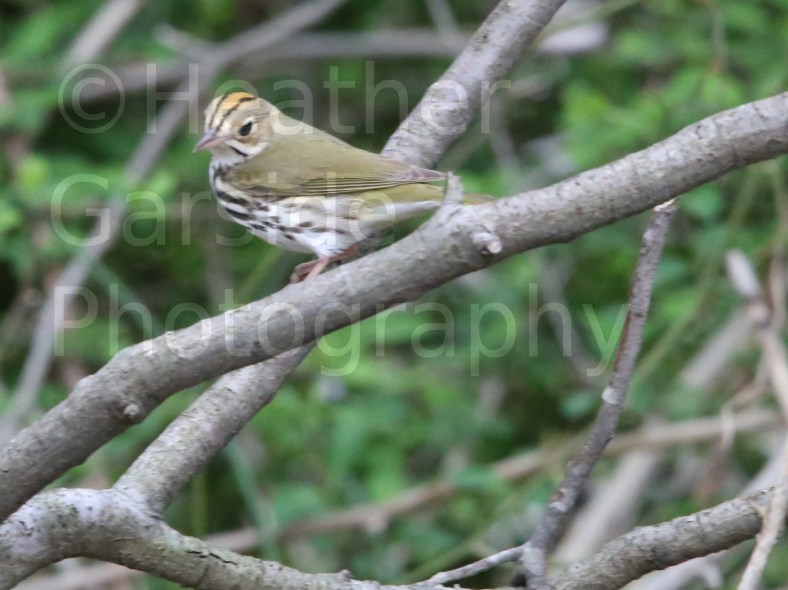
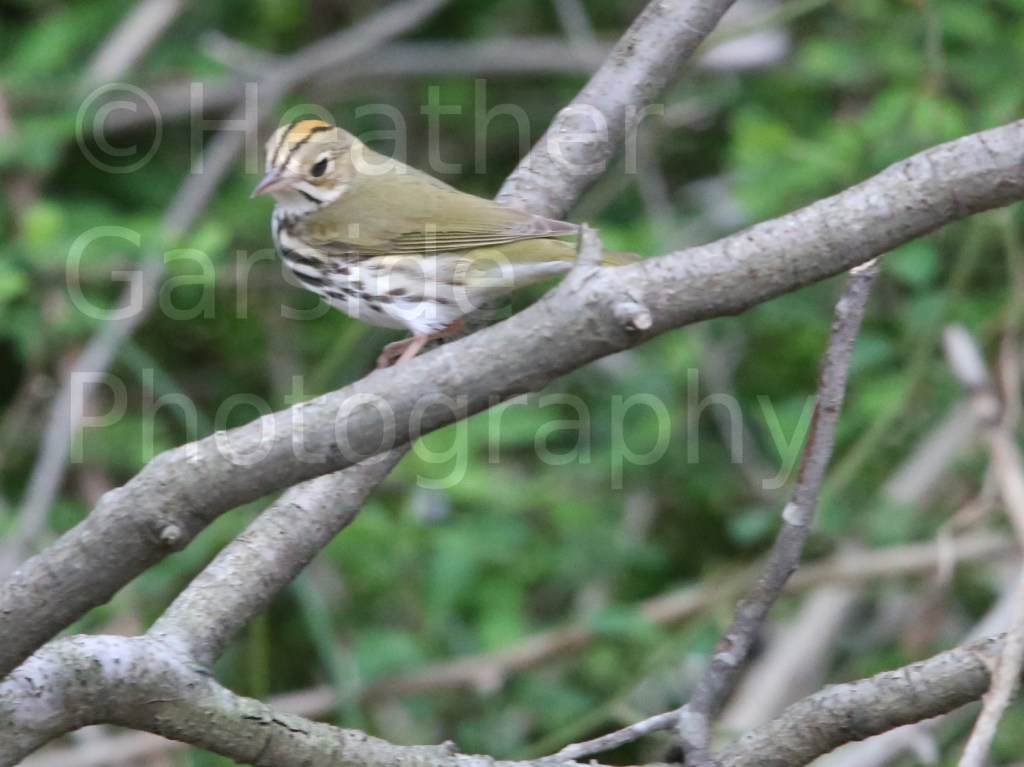
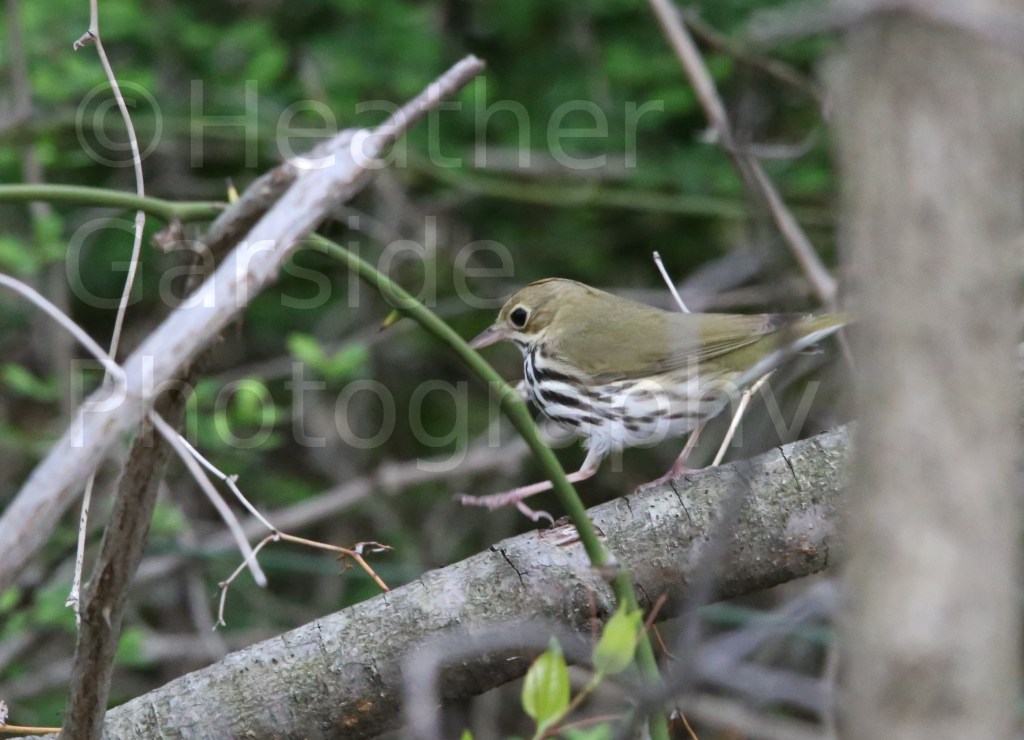
determine that I had spotted an Ovenbird. Not common enough to have
earned a spot in my Birds of New Jersey Field Guide,
the Ovenbird can be found in most of the Northern United States and
parts of Canada. At about 5 ½ to 6 inches, the Ovenbird is a
Warbler. Compared to many other Warblers, with their bright yellow
feathers, the Ovenbird’s appearance is muted. A matted brown body
allows him to blend in well with trees and the forest floor, where he
spends much of his time foraging. He does however, have a very
prominent stripe on his head. Almost orange in color, the stripe is
flanked on either side by dark brown or black stripes which serve to
further accentuate this feature. The feathers on his white belly are
streaked with brown, very similar to those of a thrush.
The Ovenbird gets its somewhat odd name from the style of nest it builds. The female builds a nest on the forest floor. The nest is then roofed with dry leaves and other vegetation, leaving only a small slit for a door. This unique nest style has been compared to a Dutch oven, hence the name, Ovenbird. Personally I am not sure I see the similarity. But maybe they mean a colonial Dutch baking oven rather than a heavy duty pot with two handles, which is what I think of as a Dutch oven. If you want to see for yourself, there is a clear photo of an Ovenbird nest at https://natlands.org/mariton-another-reason-to-stay-on-the-trails/
 Tails of a Twitcher