Red-Winged Blackbirds

If you have ever spent any time in a marsh or a meadow, chances are you have heard and seen a Red-Winged Blackbird. Besides having fairly bold personalities, Red-Winged Blackbirds are incredibly common year round in most of the continental United States. Seeing them is definitely a regular occurrence on my walks in many of the places I frequent, including the Celery Farms (Allendale), Mills Creek Marsh (Secaucus) and Richard W. DeKorte Park (Lyndhurst). Yet as common as they are in those places, I must live far enough from water that I have never seen one Red-Winged Blackbird at my feeder. In contrast, they do visit feeders (seed and suet) that I have the opportunity to view often in Upstate New York. The difference being that in New York, Lake Ontario is within full view and there are many farm fields and meadows in the vicinity.

The proximity to water is definitely key to the Red-Winged Blackbirds habitat. They usually build their nests near water and this habitat allows them a varied diet of bugs, seeds and very occasionally fruit. Their young are fed exclusively insects and, presumably due to the proximity of the nest to water, the young are able to swim short distances as young as 5-6 days old.
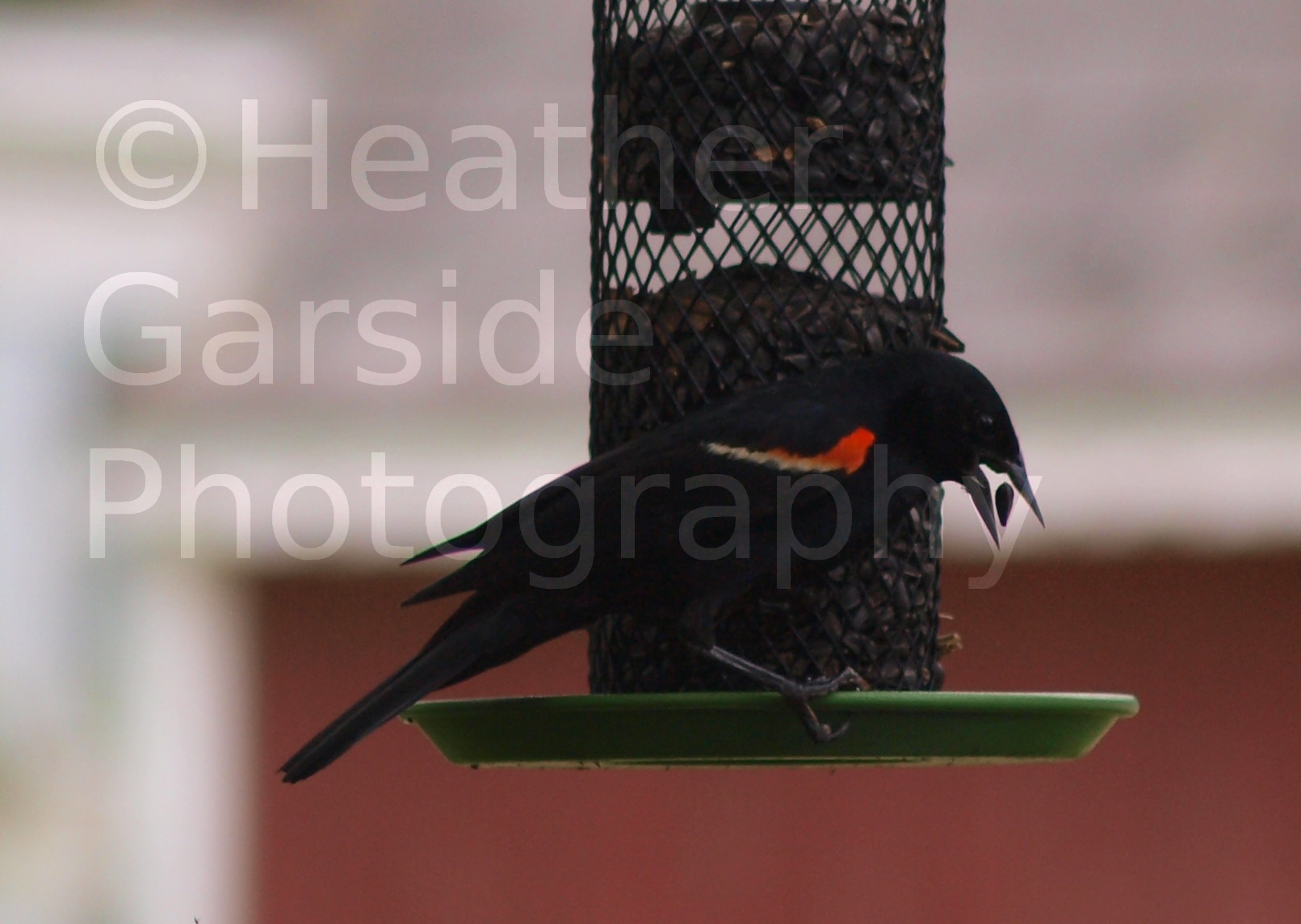
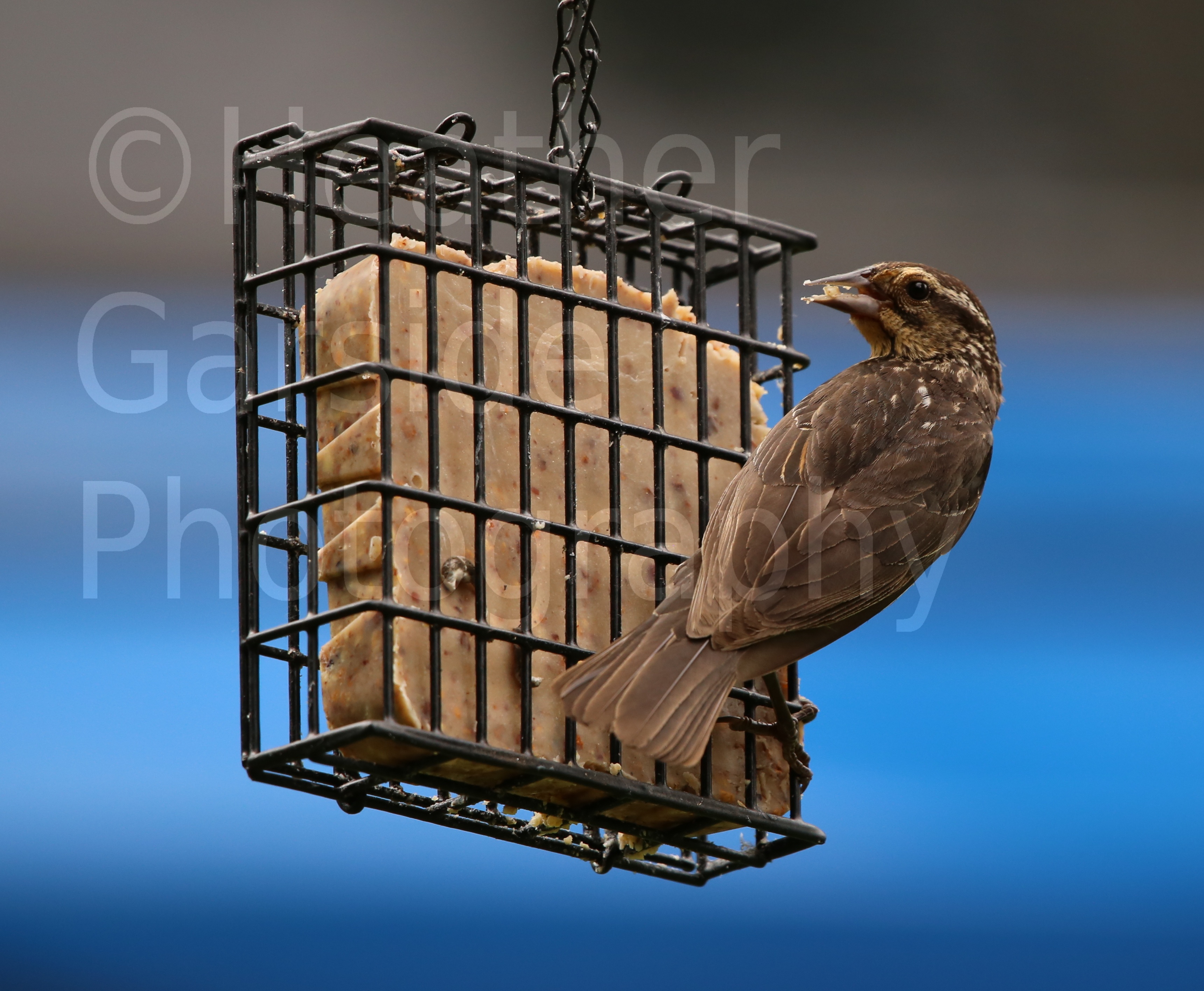
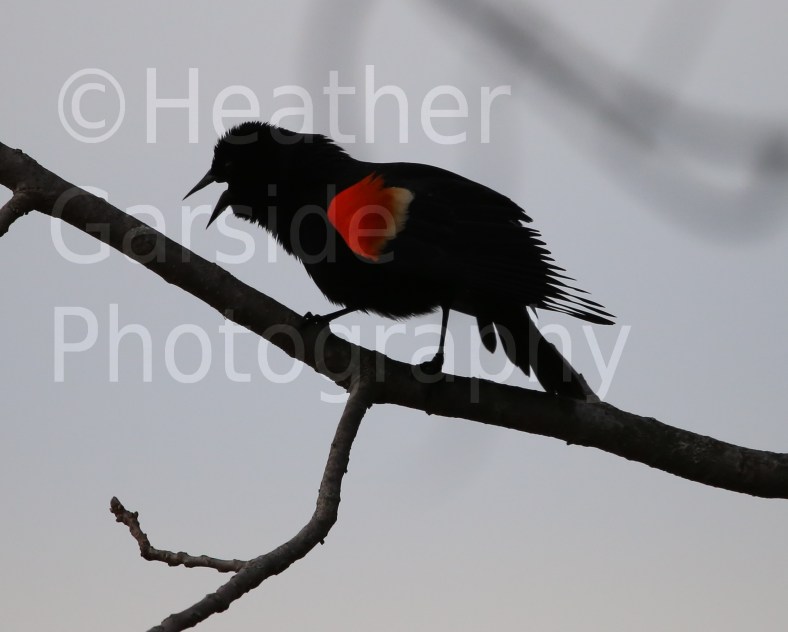
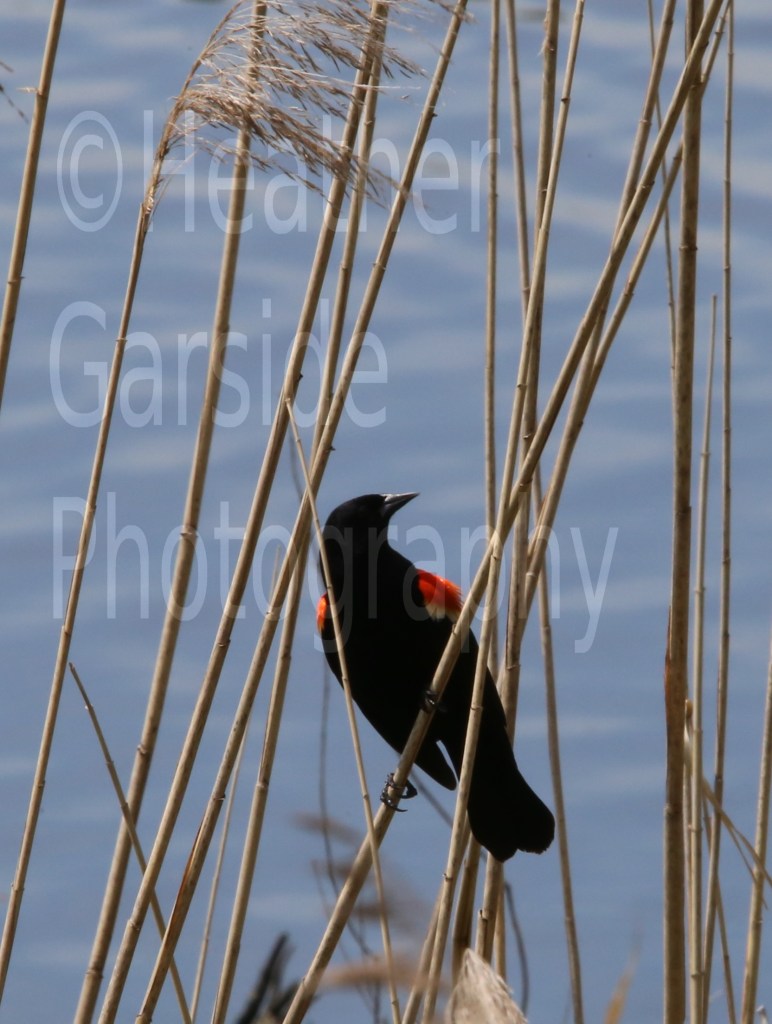
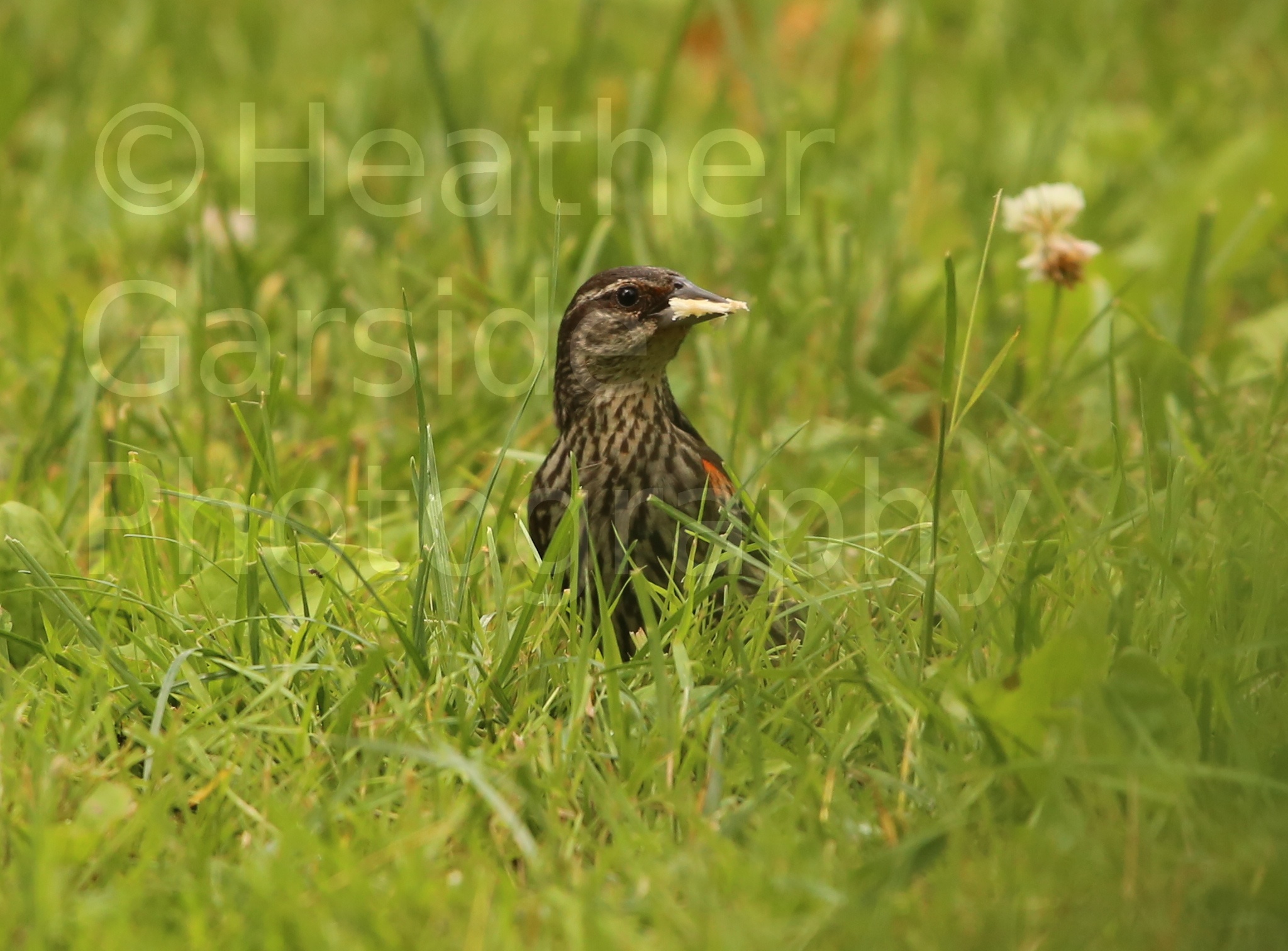
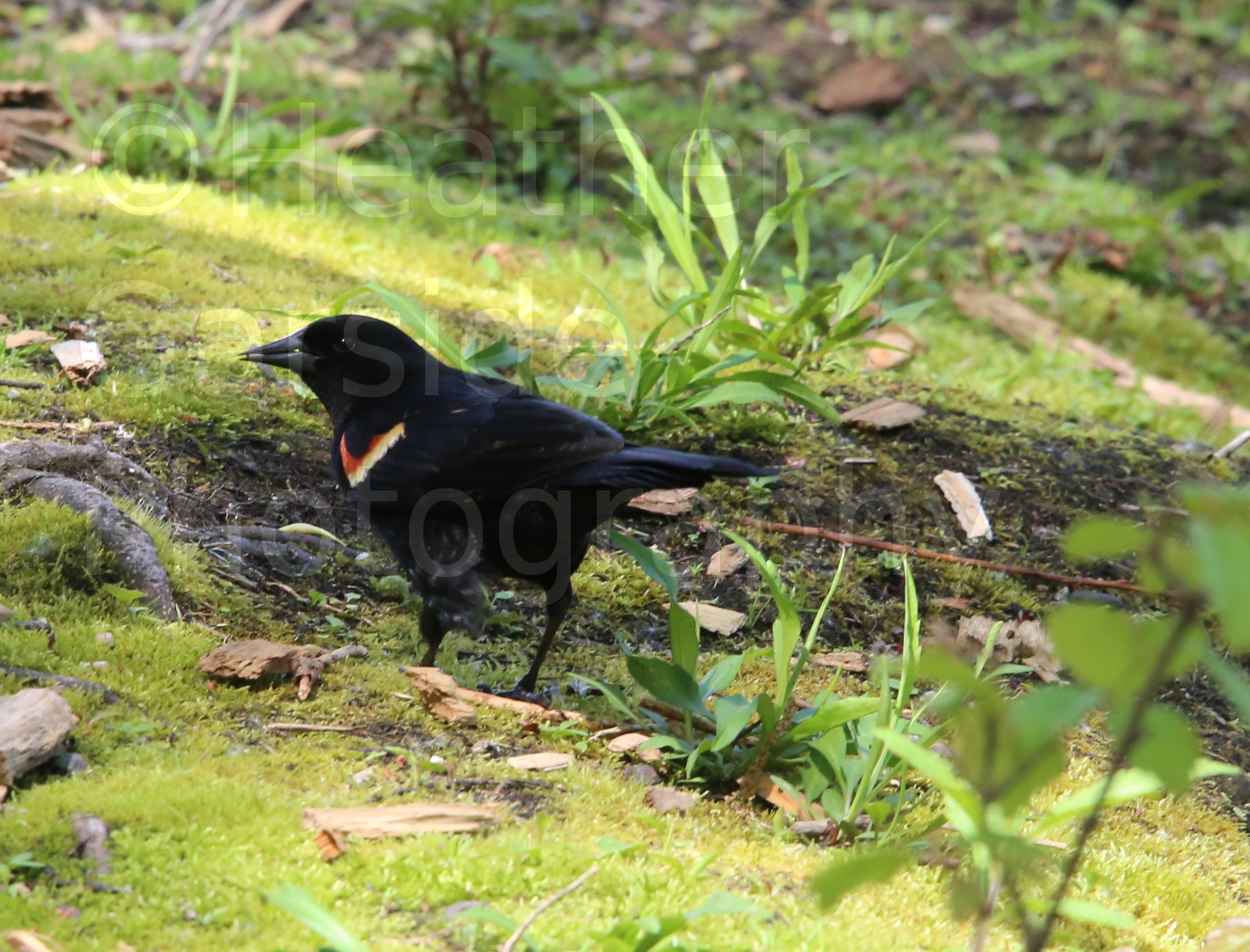
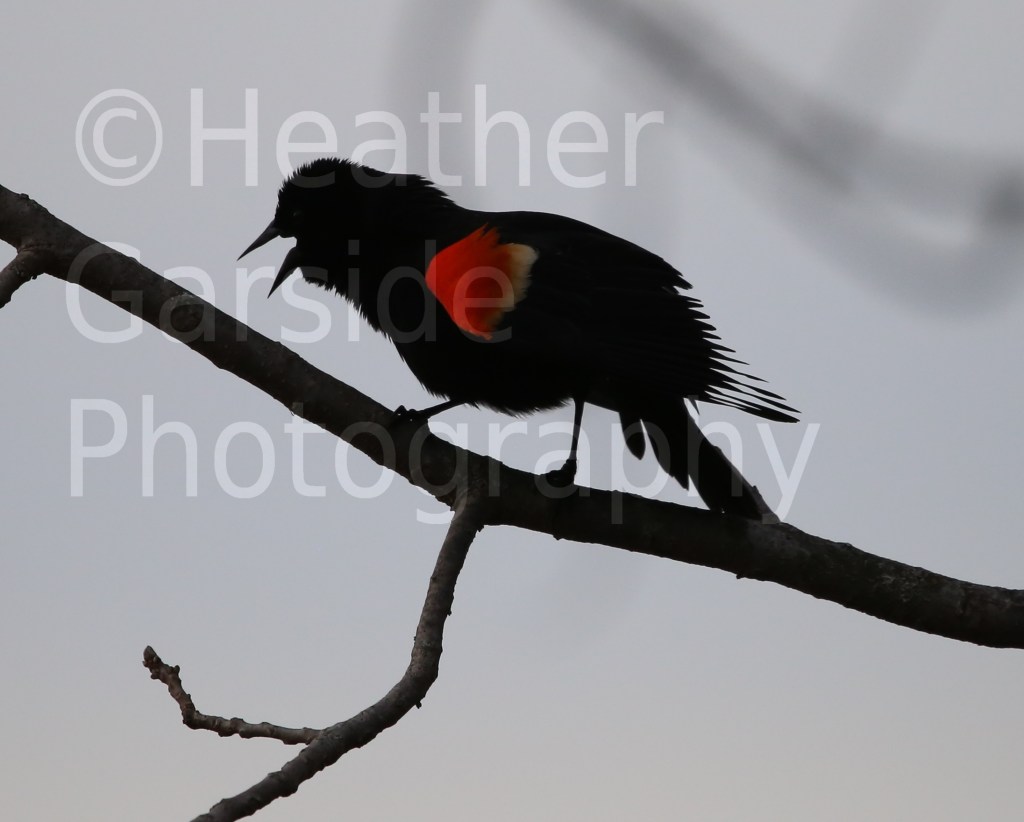
The Red-Winged Blackbird certainly has a presence. Strongly territorial, the males make themselves seen and heard by hanging to the top of tall marsh reeds or the exposed branches of trees. You can certainly not confuse a male Red-Winged Blackbird for anything else. As the name indicates, their totally black body is decorated with two stripes or epaulets on the wings. The higher stripe is red, with a thinner and more subtle stripe of yellow below the red. The females don’t resemble the males in any way, except their size and the shape of their beaks. The females have a brown-streaked body with a white line or “eyebrow” along their upper eye. Juveniles resemble their mother, but as they mature the males will begin to develop their red and yellow epaulets before their black feathers.
Their call, one part noise, one part music is synonymous with the marsh. You can listen for yourself, https://www.allaboutbirds.org/guide/Red-winged_Blackbird/sounds
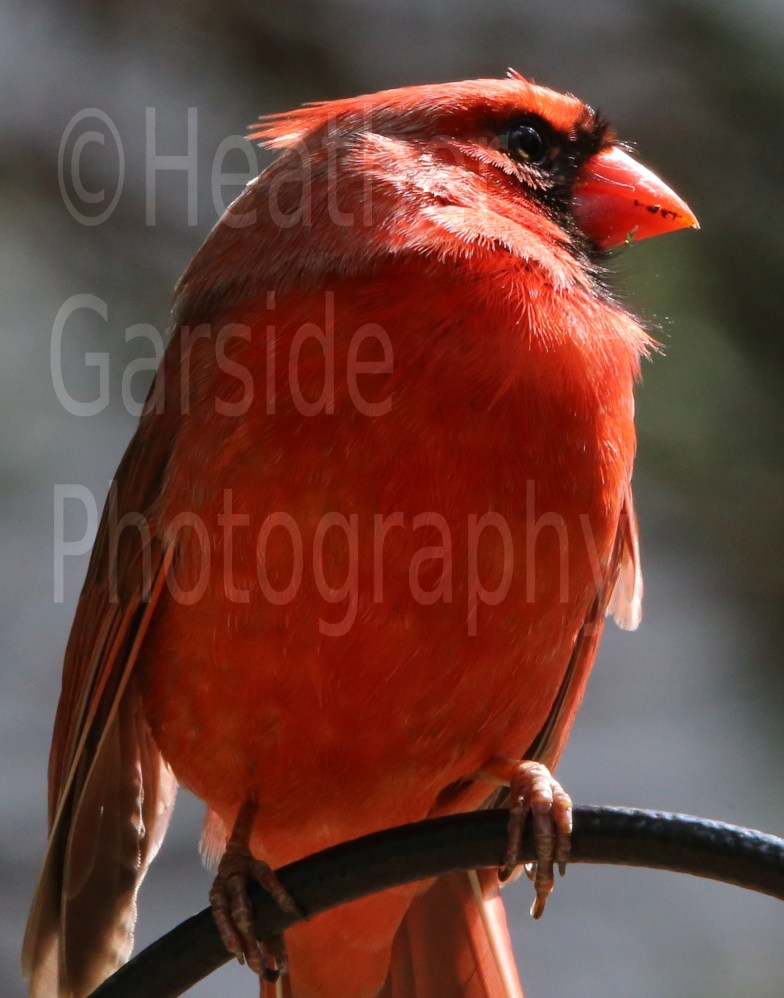
Northern Cardinals

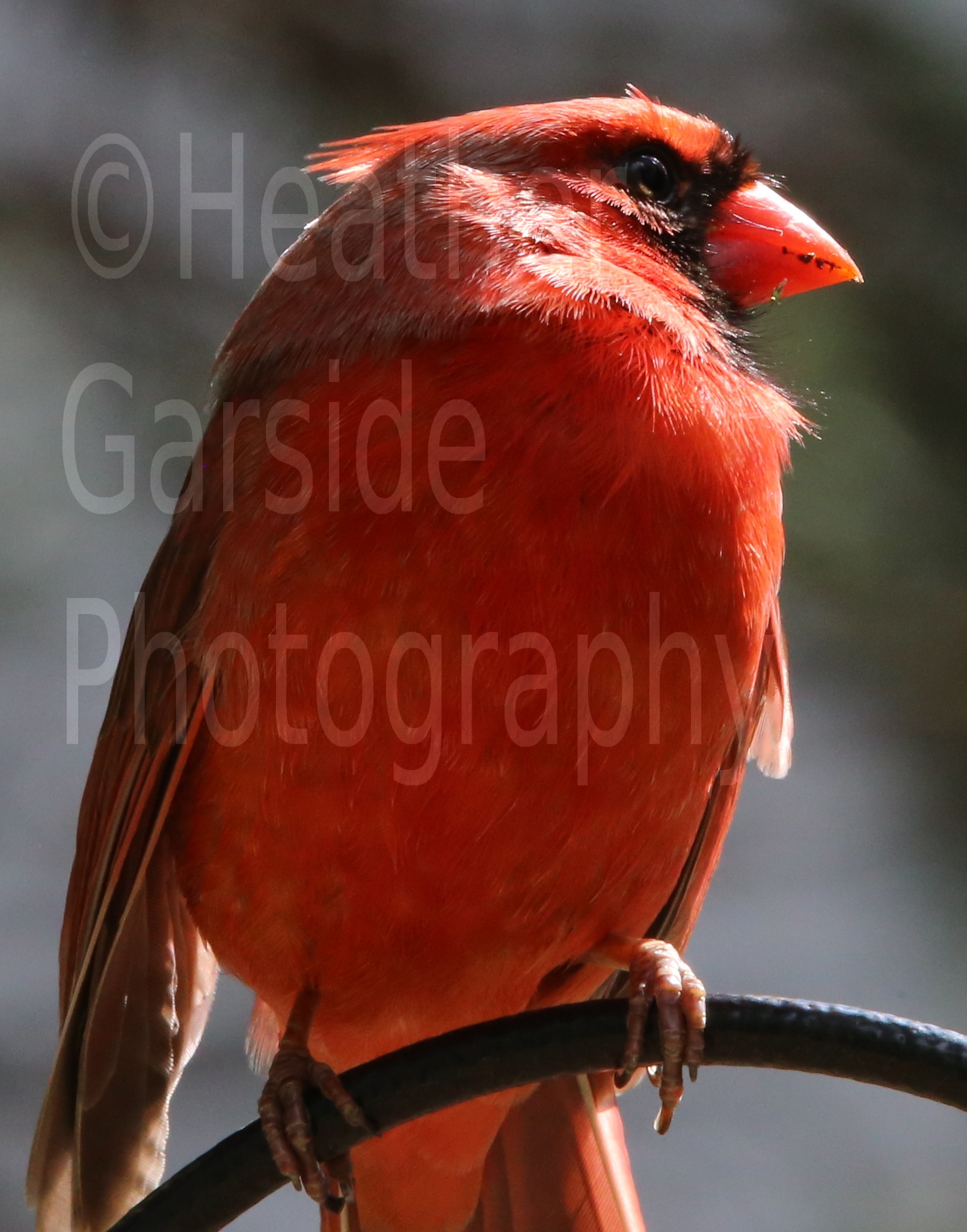
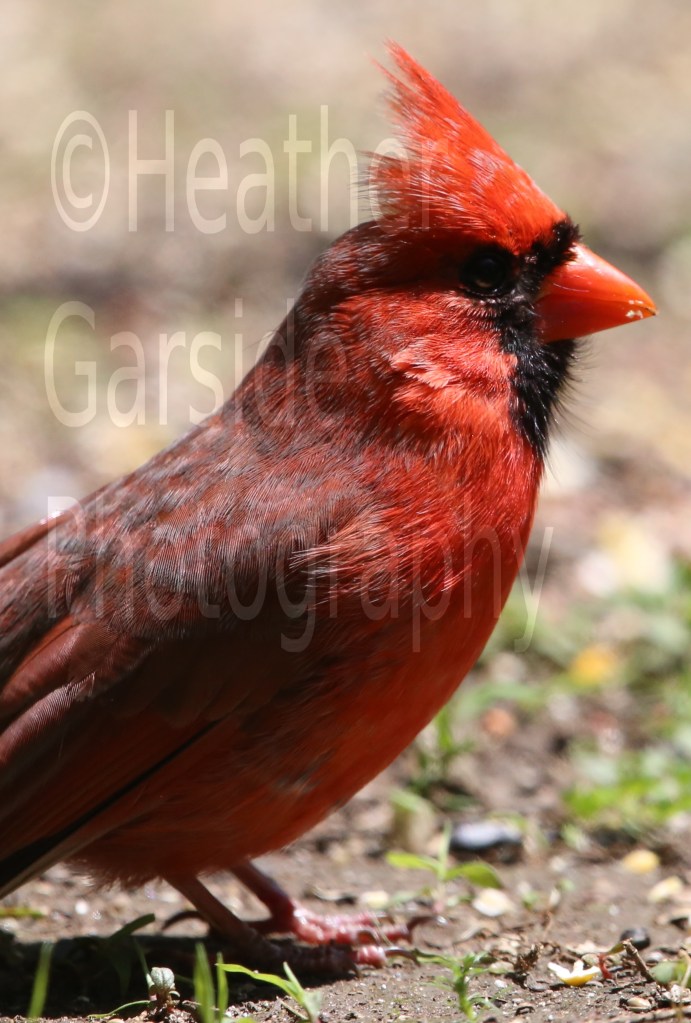
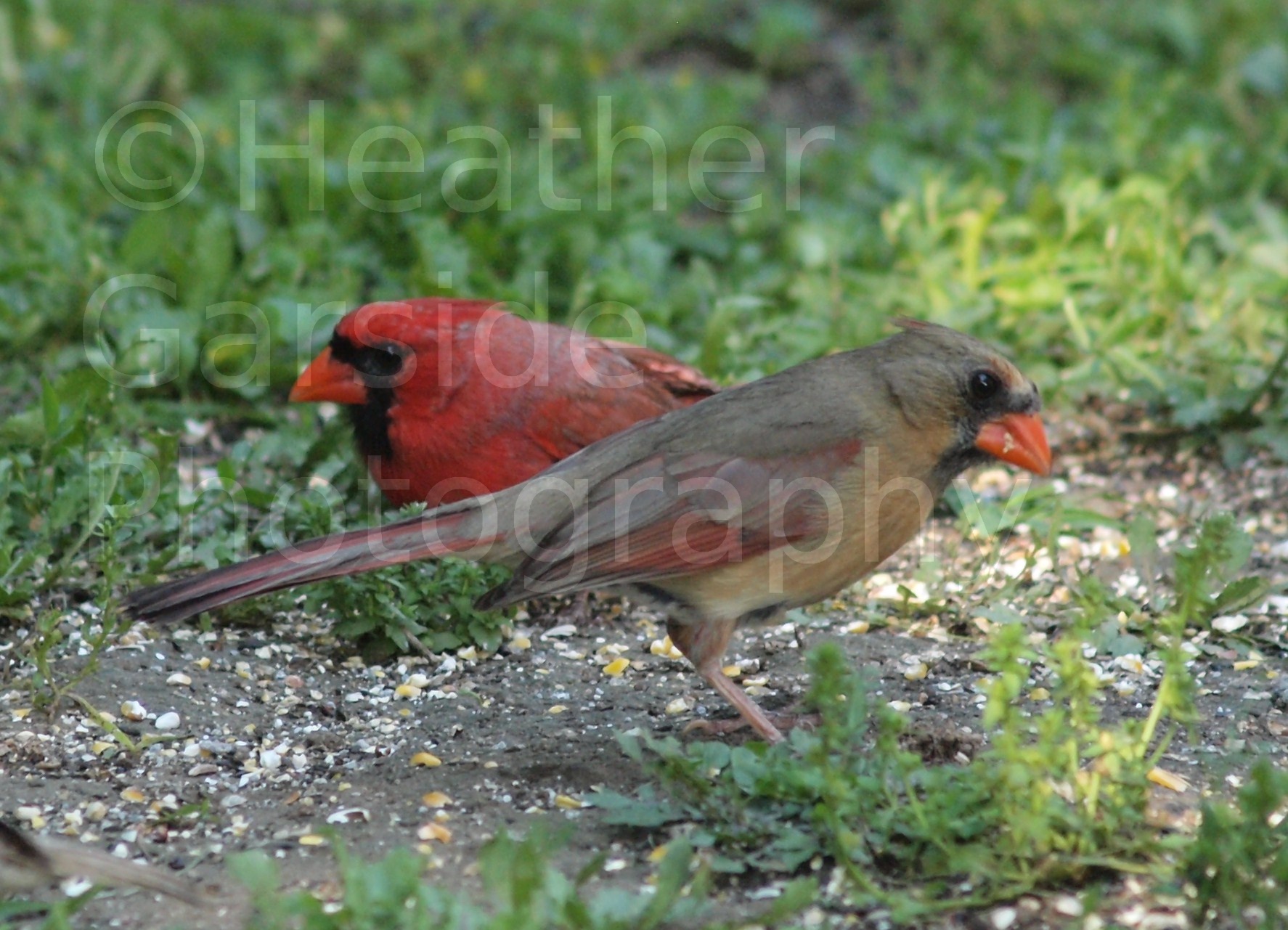
Despite their ubiquity, the appearance of a Northern Cardinal, especially the male Cardinal, still manages to wow and excite. Perhaps this is because most people can identify them with ease. Or is it because they stand out in a yard or the forest? Any way you try to spin it, the attraction of Cardinals is all about the red. Think about it, there is a reason traffic signs and lights are red. They grab our attention. So does the male Cardinal, often stealing the show from his fellow feeder friends.

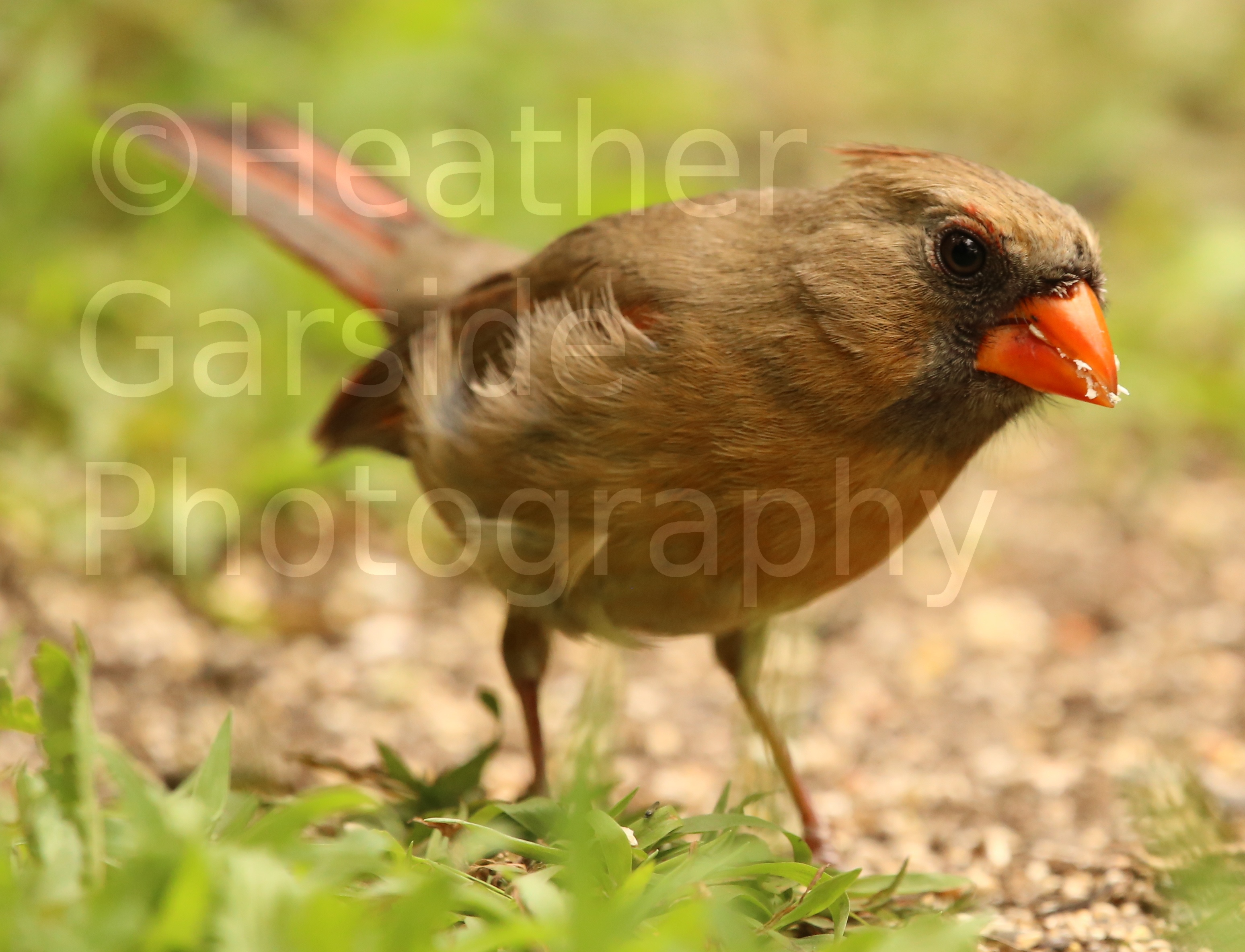
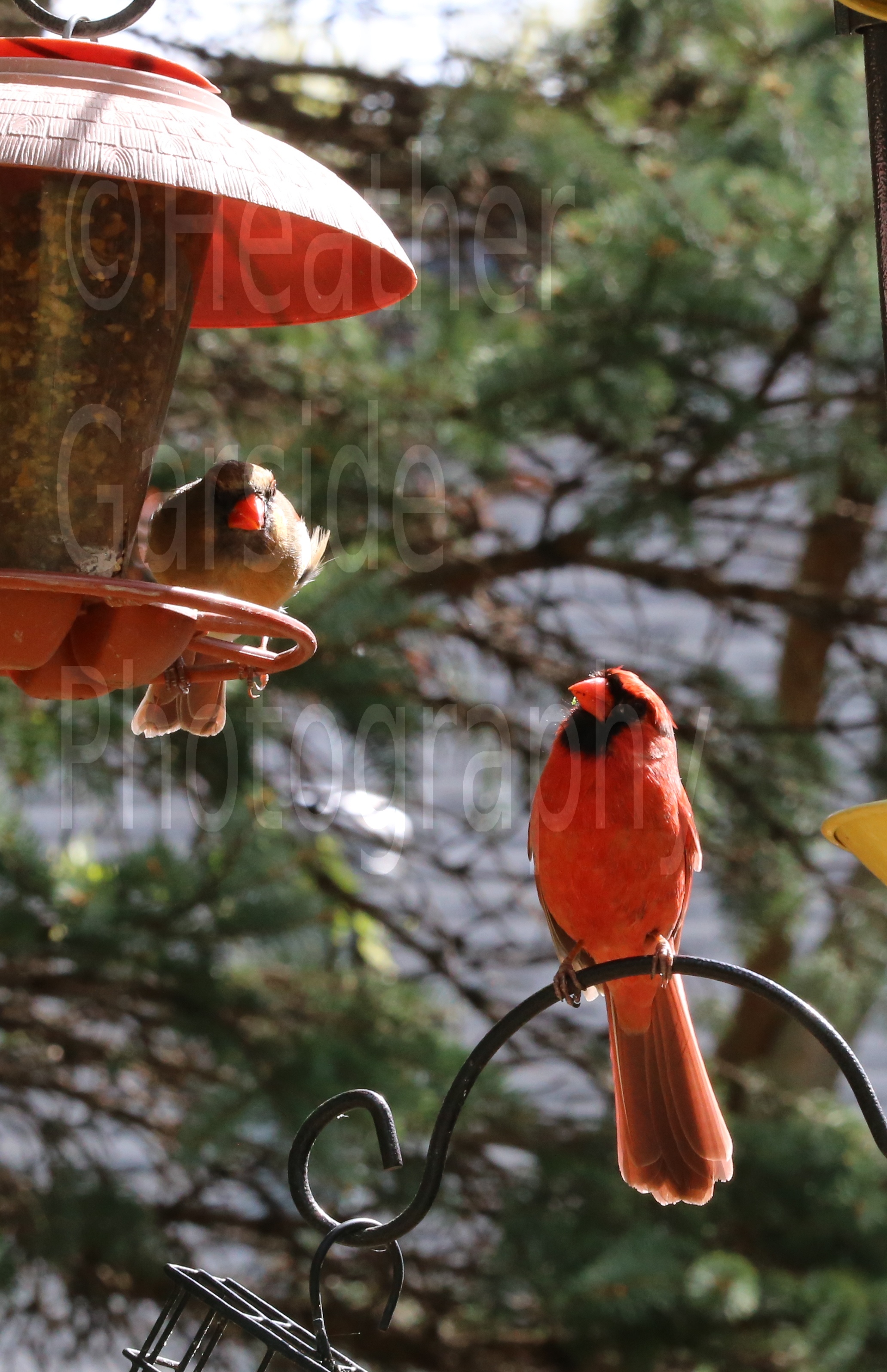
Cardinals are very common in my yard, visiting my feeders for long periods, or frequent trips depending on the season. They also brave the winters of New Jersey and do not migrate. This bravery has inspired many a holiday card and we often associate Cardinals with winter and the holiday season. The female Cardinals are often overlooked because they lack the male’s attention-grabbing coloring. Besides her golden brown color, her overall appearance is very similar to the male, and if you look closely, you will see she has red highlights on her wings, crest, tail and over her eyes.

Observing them in my own garden, I would say they are more aggressive than average, but not always unfriendly to birds of other species. I have seen both the males and females chase off sparrows and other birds, but they usually don’t interfere with birds on the opposite side of the feeder. It seems to me they have a very large personal bubble, which the sparrows, being sparrows, don’t seem to understand in the slightest. When they are feeling aggressive you can usually tell, both the male and the female will perk up the crest at the top of their head in warning.

When it comes to their own species, it is a bit more complicated. During the breeding season (Spring and Summer) the males are territorial. I have often seen a pair of Cardinals (one male and one female) visit my yard and feeders together. Sometimes they are a bit more cautious, with one of the pair observing the yard while the other is at the feeder or on the ground. That being said, it isn’t uncommon for them to visit the feeders together. According to my field guides, in winter they live in larger flocks, but I have never seen more than a male and female pair in my yard at one time (not that I am outside observing in the winter nearly as much as the other three seasons).

According to the Cornell Lab of Ornithology, Cardinals have at least sixteen different calls. I have observed at least two distinct calls. The more high- pitched version is usually what the male uses to attract a mate (in Spring) and they continue to use this call to communicate with each other throughout the summer. He has another call, which consists of an introductory call followed by short, quick whistles, often repeated with the shorter whistles increasing in number: one, then two, then three etc. This seems to be all about territory. Basically, “if you can hear this, you are way to close.” If you are good at whistling, you can imitate them, using the exact number of short whistles they use, right after them. Nothing like a good old whistle battle! Here are some examples of their songs and sounds: https://www.allaboutbirds.org/guide/Northern_Cardinal/sounds